








Introduction:Want to enjoy a rich and smooth latte at home but don’t have a professional espresso machine? In fact, by leveraging the principles of cold brew and using the right beans and fresh milk, you can easily make a milk-brewed coffee that rivals café-quality flavors. This article will detail the science behind cold brew milk coffee, ingredient selection, the golden ratio, steeping techniques, and provide two methods—from beginner-friendly to advanced adjustments—so you can master the key to making rich yet light coffee at home in one go.
Have you ever longed to enjoy a smooth and aromatic latte at home but hesitated because you don’t have an espresso machine? Don’t worry—cold brew milk coffee is your best option. No high-pressure extraction or expensive equipment is needed. With just low-temperature, long-duration steeping, coffee and milk can be perfectly blended, resulting in a cup with a round texture, captivating aroma, and absolutely no guilt.
The charm of cold brew coffee lies in its gentle and stable extraction process. In a low-temperature environment, the release of large molecular compounds in coffee that often cause bitterness and astringency is greatly reduced, while the small molecular substances responsible for aroma and flavor have ample time to be released. This makes cold brew coffee generally cleaner in taste, softer in flavor, and more moderate in caffeine release. Applying these characteristics to milk coffee production further highlights the smoothness of the milk and the aroma of the coffee, creating a surprising cold brew milk coffee experience.

So-called milk-brewed coffee is essentially an extension of the cold brew concept applied to coffee beverages paired with milk. Compared to the espresso commonly used in cafés, which is extracted under high temperature and pressure, milk-brewed coffee is extracted at a lower temperature and through a slower process. This significantly reduces the release of irritating substances while preserving the pleasant aromatic compounds in the coffee. Paired with fresh milk rich in cream and protein, not only does it make the coffee texture creamier, but it also further softens the flavor, making the entire drink smoother, milder, and less harsh.
When making cold brew milk coffee,it is recommended to choose freshly roasted coffee beans, preferably beans roasted within five days, to ensure their flavors are at their peak. If you enjoy floral and fruity aromas, you can opt for beans with distinct floral characteristics; if you prefer wine-like or fermented notes, you might choose coffee beans with mature fruit flavors or special processing methods. Additionally, if you’re seeking a tea-like, light-bodied feel, you might consider some medium-to-light roasted blends, which often deliver elegant acidity and aftertaste.
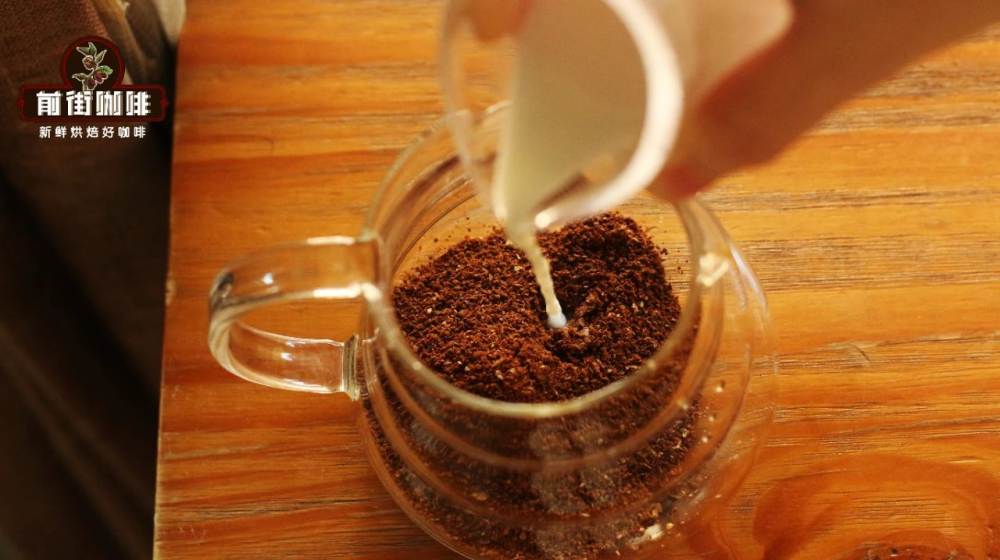
When preparing ingredients, besides selecting good coffee beans, you’ll also need a clean, airtight container,fresh chilled whole milk, and a tea bag or filter bag to help separate the coffee grounds. The recommended grind size for the coffee beans is medium-fine, approximately 85% passing through a Chinese No. 20 standard sieve, which ensures that coffee flavors are appropriately released during the low-temperature steeping process. The suggested coffee-to-milk ratio is1:13, for example, 20 grams of coffee grounds to 260 grams of milk. This ratio achieves a balance between flavor and texture. The recommended steeping time is8 to 10 hours, left to sit in the refrigerator, allowing the coffee and milk to slowly meld.
In practice, you can divide 20 grams of coffee grounds evenly into two tea bags, seal them tightly, place them in a container, then pour in the chilled fresh milk, gently shake to mix, seal, and refrigerate for 8 to 10 hours. Once the time is up, remove the tea bags and pour out the coffee-milk mixture to enjoy. For a simpler approach, you can also directly place the tea bags into a milk carton, seal the opening with plastic wrap, and refrigerate to steep. This is the so-called lazy method, which can still produce a cold brew milk coffee with decent flavor.
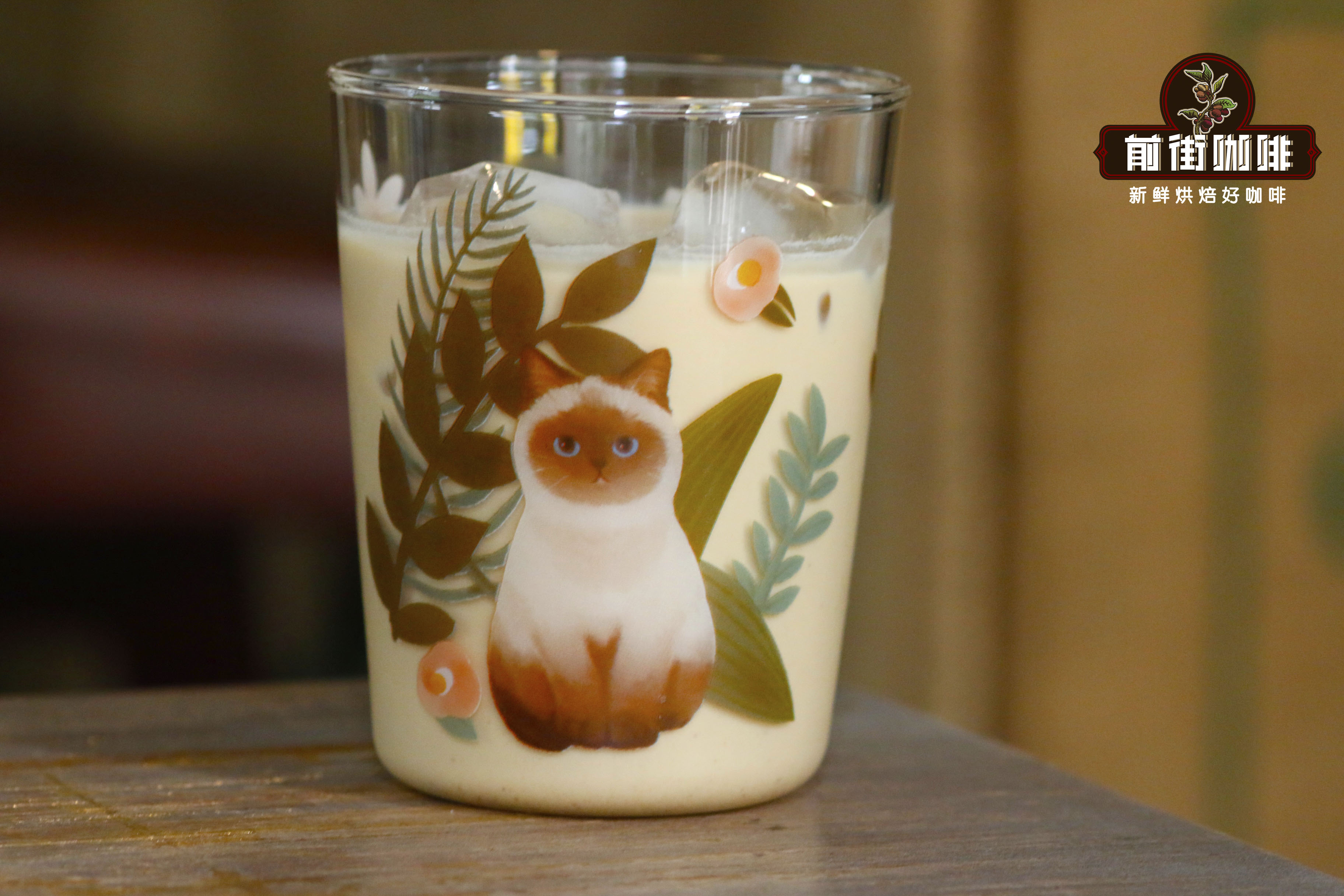
Regarding whether refrigeration is needed, it is advised to consume the finished product as soon as possible, as milk is prone to spoilage, and the aroma of cold brew milk coffee will gradually diminish over time. Freshly filtered cold brew milk coffee usually has a rich milk-tea color, with aromas of hazelnuts or roasted peanuts, and a smooth, rich mouthfeel with a silky texture. However, if left for more than 12 hours, not only will the aroma noticeably weaken, but the prolonged storage of milk may also affect drinking safety. Therefore, it is recommended to make and finish it on the same day to enjoy the optimal flavor.
In summary, making cold brew milk coffee is not complicated. By mastering bean selection, grind size, coffee-to-milk ratio, and steeping time, even without a professional espresso machine, you can easily create a rich, smooth, and flavorful latte-style drink at home. Whether you’re a coffee novice or already an experienced enthusiast, this method can offer you a unique coffee experience, giving you the freedom to enjoy café-grade milk coffee at home.
The above content is compiled by CoffeeHunters, a coffee news website.


