







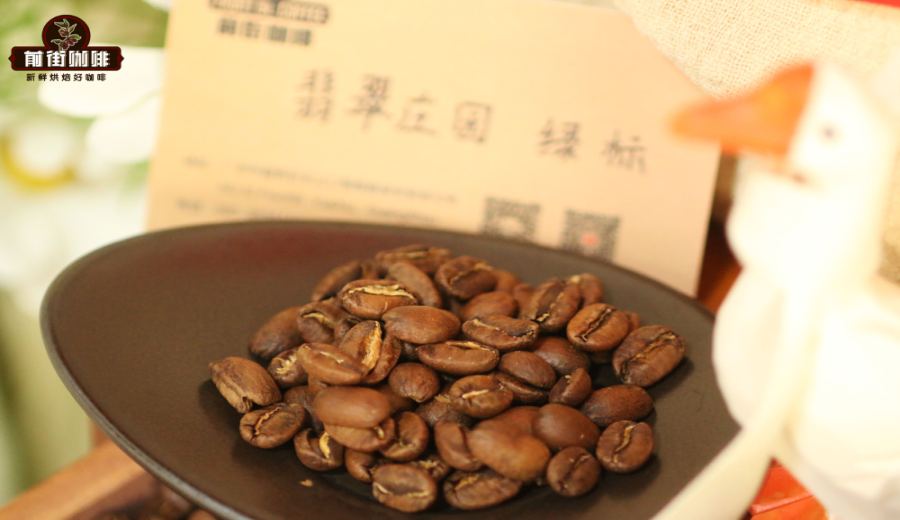
Introduction:Want to explore the diverse profiles of Panamanian Geisha? This article provides an in-depth comparison of the natural-processed Geisha from Jensen Estate and Hacienda La Esmeralda (Red Label & Green Label). We’ll break down everything from regional environments and processing methods to flavor profiles, along with practical pour over parameters to help you find your perfect Geisha match — whether you’re just starting out or looking to refine your palate.
As a leading origin for specialty coffee, Panama has become synonymous with the Geisha variety. While Hacienda La Esmeralda is undoubtedly the most iconic name, Jensen Estate — also located in the volcanic belt — has gained significant attention for its high-quality natural-processed Geisha. Though both farms grow the same Geisha cultivar, differences in terroir, processing methods, and grading systems result in markedly distinct cup profiles. This guide will take you through a systematic comparison of Jensen and Esmeralda (Red Label & Green Label) Geisha, covering everything from regional characteristics and processing details to brewing recommendations, helping you identify the one that best suits your taste — whether you're exploring or upgrading.
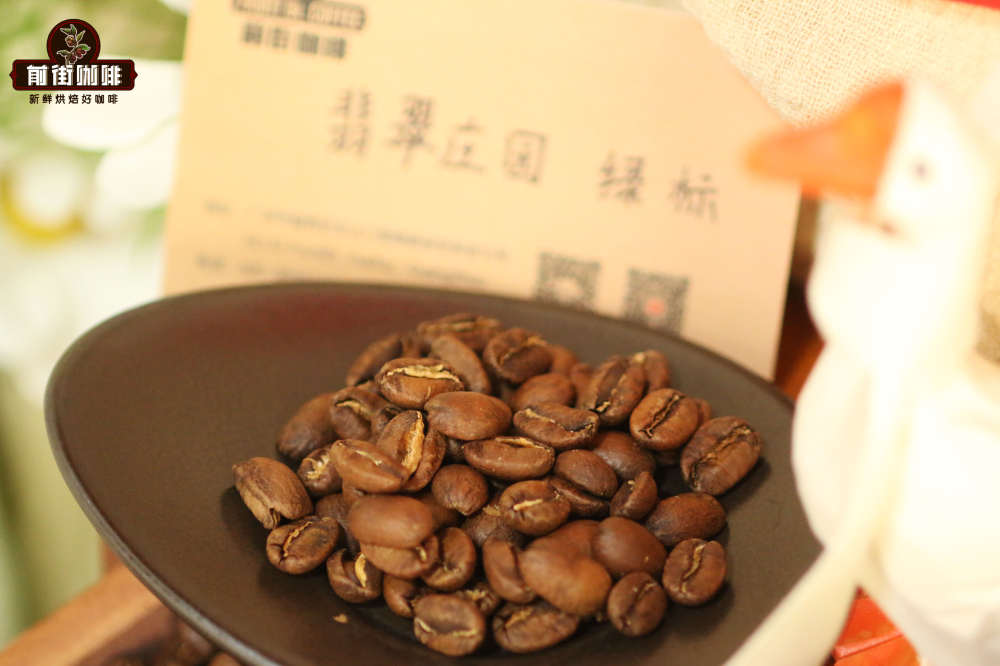
Let’s start with the regions. Jensen Estate is situated in Panama’s Volcán (Volcan) region, geographically close to the western side of Barú Volcano, in contrast to the more commonly known Boquete region. The farm sits at around 1,700 meters above sea level, with slightly lower annual rainfall compared to Boquete. However, its volcanic soils are fertile and well-drained. The Jensen family practices environmentally friendly and sustainable farming, planting only 2,000 Geisha trees per hectare to ensure each plant has ample space to grow. Covering a vast area of 1,200 hectares, Jensen Estate is the second-largest Geisha producer in Panama. Every lot of green beans comes with a clear batch code for full traceability.
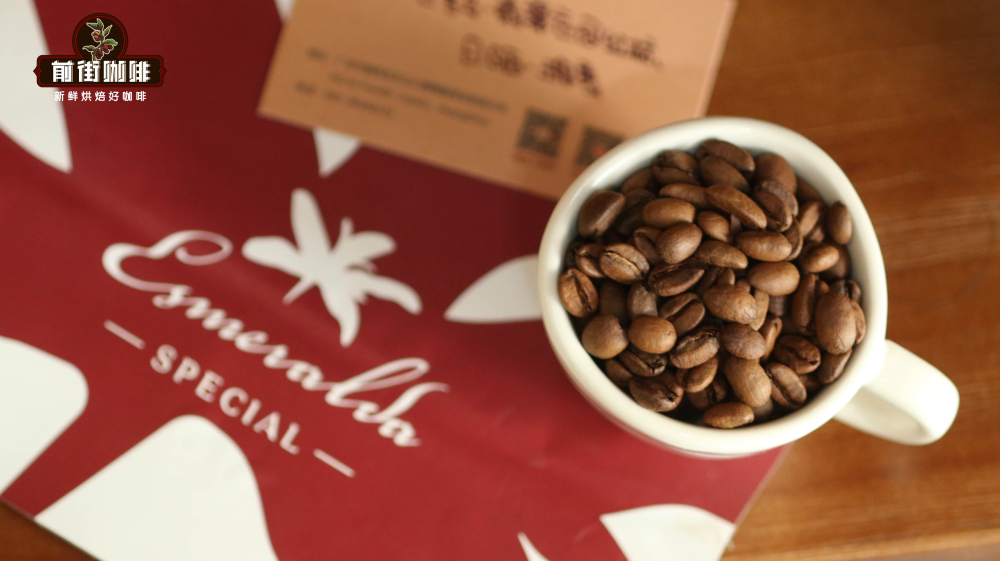
In comparison, Hacienda La Esmeralda is located on the eastern side of the Boquete region, on the windward side of Barú Volcano. This area features a wide elevation range (from 1,200 to 2,000 meters) and includes the national Barú Volcano National Park, which gives rise to seven different microclimates, contributing to a unique aromatic spectrum. Boquete is shrouded in mist year-round and enjoys abundant rainfall, making it one of Panama’s most representative regions for both coffee yield and quality. Among them, Hacienda La Esmeralda stands out. Its grading system is primarily based on altitude, supplemented by cupping scores, and includes Red Label, Green Label, and Blue Label. The Red Label is a auction-grade Geisha, while the Green Label offers premium micro-lot blends with excellent cost-performance.
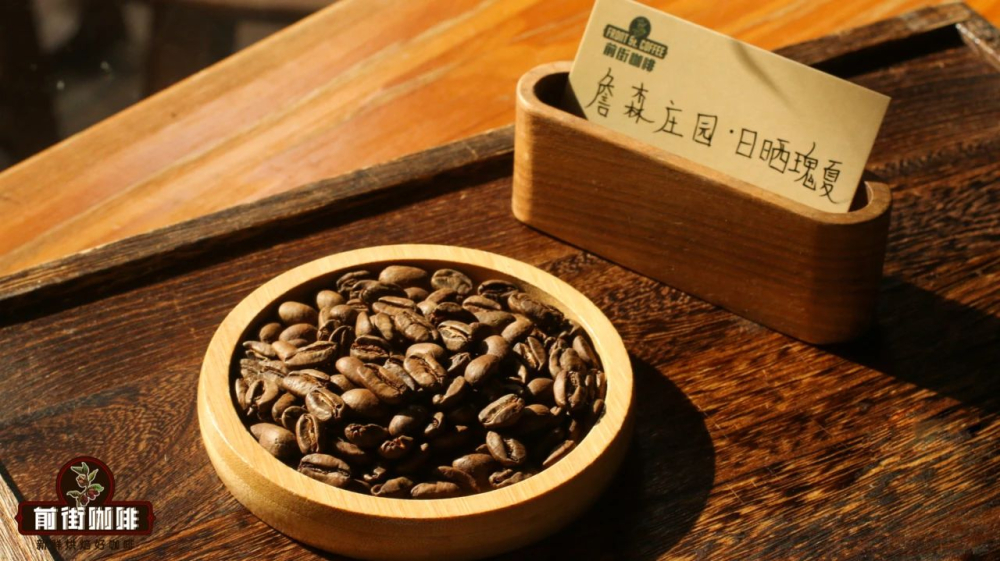
When it comes to harvesting and processing, Jensen Estate selects only coffee cherries with exceptionally high sweetness, and processes them at its own dedicated mill, paying close attention to detail to enhance the final cup profile. Hacienda La Esmeralda, on the other hand, is renowned for handpicking ripe fruits and holds Rainforest Alliance certification. Its Geisha cultivation benefits from an exceptional environment combined with rigorous processing procedures, giving each bean great potential. In particular, the Esmeralda Red Label Geisha is sourced exclusively from the highest-altitude farms in the Boquete region, such as Jaramillo and Canas Verdes, often scoring over 90 in cupping tests. These are limited-edition lots auctioned annually, with full traceability, making them ideal for gifting or deep tasting. The Green Label, meanwhile, is a blend of multiple micro-lots. Though not auction-grade, it still showcases the classic floral and fruity notes of Geisha with clear layers, making it great for everyday enjoyment or sharing.
Natural processing is a common feature of these Geishas. The basic process involves initially screening the harvested coffee cherries by water to remove unripe or defective beans. The intact coffee cherries with their pulp are then spread out on drying beds and left to dry naturally for about two to four weeks. During this time, the sugars and aromas from the pulp fully penetrate the seeds. Finally, the hard outer layers are removed, leaving behind flavorful green beans. While this method is relatively low-cost, it imparts intense fruitiness, a rich mouthfeel, and bright sweetness — key techniques that help Geisha express its unique character.
In terms of flavor, Jensen Estate Geisha presents pronounced notes of lemon and citrus acidity, accompanied by enticing fruity wine-like aromas, along with layered fruit flavors such as pomegranate, ripe grapes, peaches, and dark berries. The finish brings notes of dark chocolate and rose, achieving a balanced and layered acidity-sweetness profile. The Esmeralda Red Label Geisha, on the other hand, is known for its delicate and refined acidity. Upon tasting, sweetness emerges quickly, offering a refreshing profile akin to black tea, with complex aromas including rose, honeysuckle, grapefruit, lemon, and sweet potato. The aftertaste is long and layered. As for the Green Label, it shows a more vibrant character, with floral and fruity aromas bursting forth upon the first sip. As the temperature changes, the flavor transitions from citrus and berries to oolong tea and fruit candy, with a sweet aftertaste of cantaloupe and peach. Overall, it presents a fresh and balanced profile, ideal for those who enjoy bright acidity and dynamic flavors.
For brewing suggestions, we recommend using the immersion method (e.g., a cake dripper) to increase contact between coffee grounds and water, enhancing smoothness and body. Suggested parameters are: 15g of coffee, water temperature at 91–92°C, grind size similar to fine sugar (approximately 80% through a Chinese 20-mesh sieve), and a coffee-to-water ratio of around 1:15. Start with a 30g bloom for 30 seconds, then pour in a circular motion from the center outward until reaching 125g, followed by a 30-second pause. Continue pouring until the total water volume reaches 225g. Pay attention to pour speed and position to avoid channeling. Aim to complete extraction around 2:05, and consider cutting off the last few drips if needed to reduce astringency.
In summary, although both Jensen and Esmeralda’s natural-processed Geishas come from Panama’s volcanic belt, they showcase distinctly different flavor personalities due to variations in altitude, microclimate, processing details, and grading systems. Whether you’re just starting to explore the diversity of Geisha or are an experienced coffee enthusiast seeking more precise flavor expression, understanding these nuances — and choosing the right brewing method — will help you find the Geisha that’s just right for you.
The above content is compiled by CoffeeHunters, a coffee news website.


