







Introduction:Although Tanzanian AA coffee beans are not as well-known as those from Ethiopia or Kenya among Africa's specialty coffees, their unique flavor profiles and rigorous grading system make them worthy of deeper exploration by coffee enthusiasts. This article will take you through the grading logic of Tanzanian AA, the geographical advantages of the Kilimanjaro region, the characteristics of the Typica variety, and the washed processing method. It also offers practical pour-over recommendations and flavor analysis to help you master everything from bean selection to brewing.
Although Tanzania is not a global superstar in the coffee market, its high-altitude-grown beans—especially those from the Kilimanjaro region—are renowned in the specialty coffee community for their delicate acidity and rich fruity notes. This article focuses on Tanzanian AA coffee beans, starting with its grading standards, analyzing the terroir of the Kilimanjaro region, delving into the uniqueness of the Typica variety and the washed processing workflow, and finally providing expert roasting profiles, cupping observations, and practical pour-over parameters to help you fully grasp the potential of this bean.
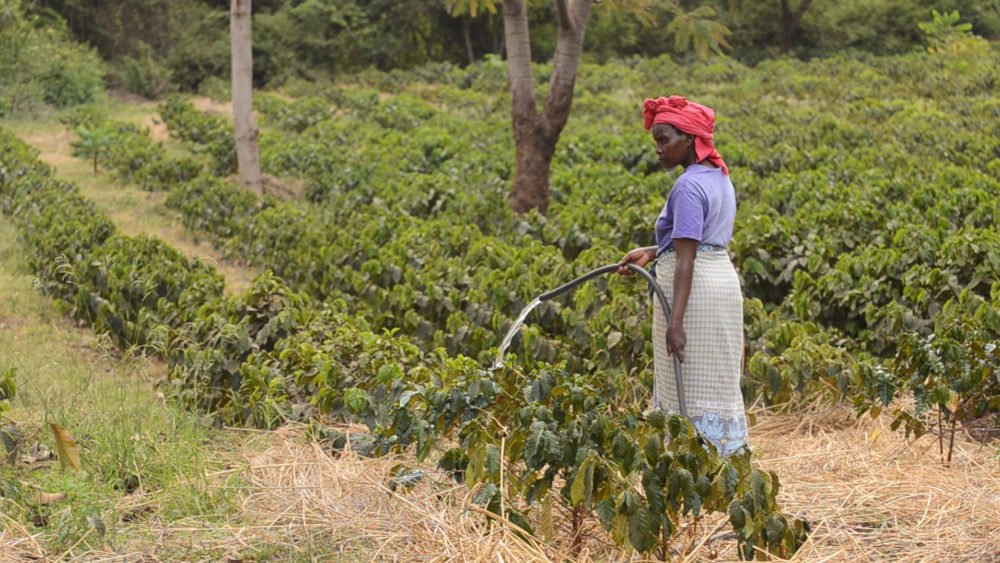
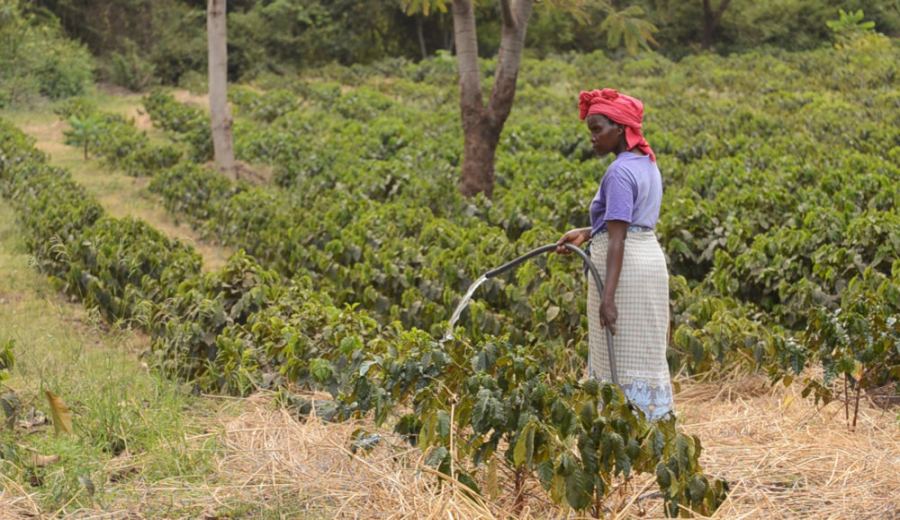
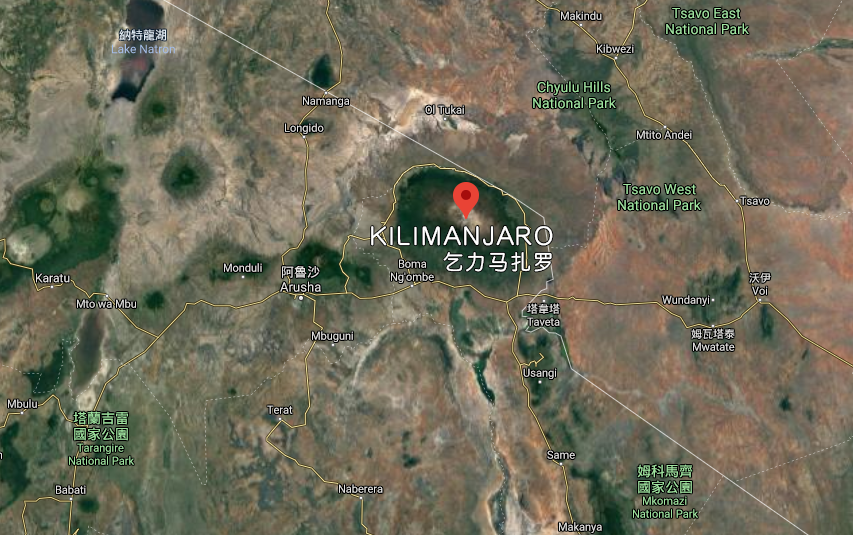
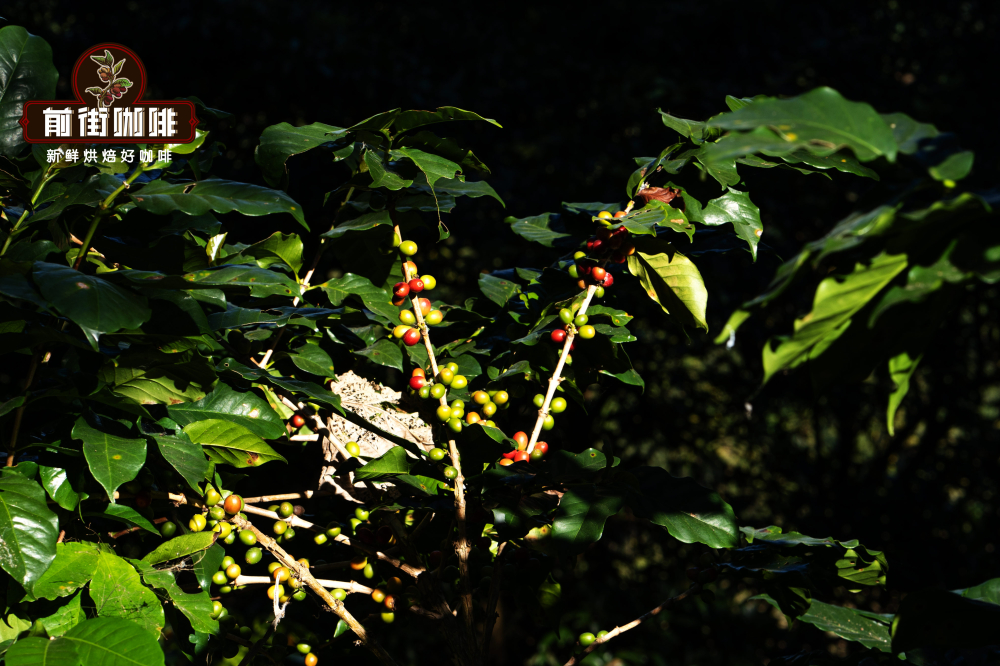
Tanzania’s coffee-growing regions are concentrated in the northeastern and northern highlands, among which the Kilimanjaro area is one of the most representative. The altitude here generally ranges between 1,300 and 2,000 meters, with fertile and well-drained volcanic soils, along with significant day-night temperature variations that help coffee cherries ripen slowly and accumulate more intense flavor compounds. Though Kilimanjaro is famous for its snow-capped peak, the microclimate at its foothills provides an ideal growing environment for coffee trees—especially well-suited for traditional varieties like Typica that require careful cultivation.
Tanzanian AA is the highest grade in the country’s coffee classification system, primarily determined by the size of the green beans. In standard sieve tests, AA-grade beans measure 17–18 mesh (approximately 7.20 mm), indicating plump and uniformly sized beans that typically exhibit more complete flavor profiles. In comparison, AB-grade beans (15–16 mesh / 6.8 mm–6.2 mm) are slightly smaller, PB-grade beans are round beans (making up about 10% of the total), and C-grade beans (12–14 mesh / 4.8 mm–5.6 mm) are mostly off-grade. For the best quality, it is recommended to choose products labeled “Tanzanian Kilimanjaro Washed AA.”
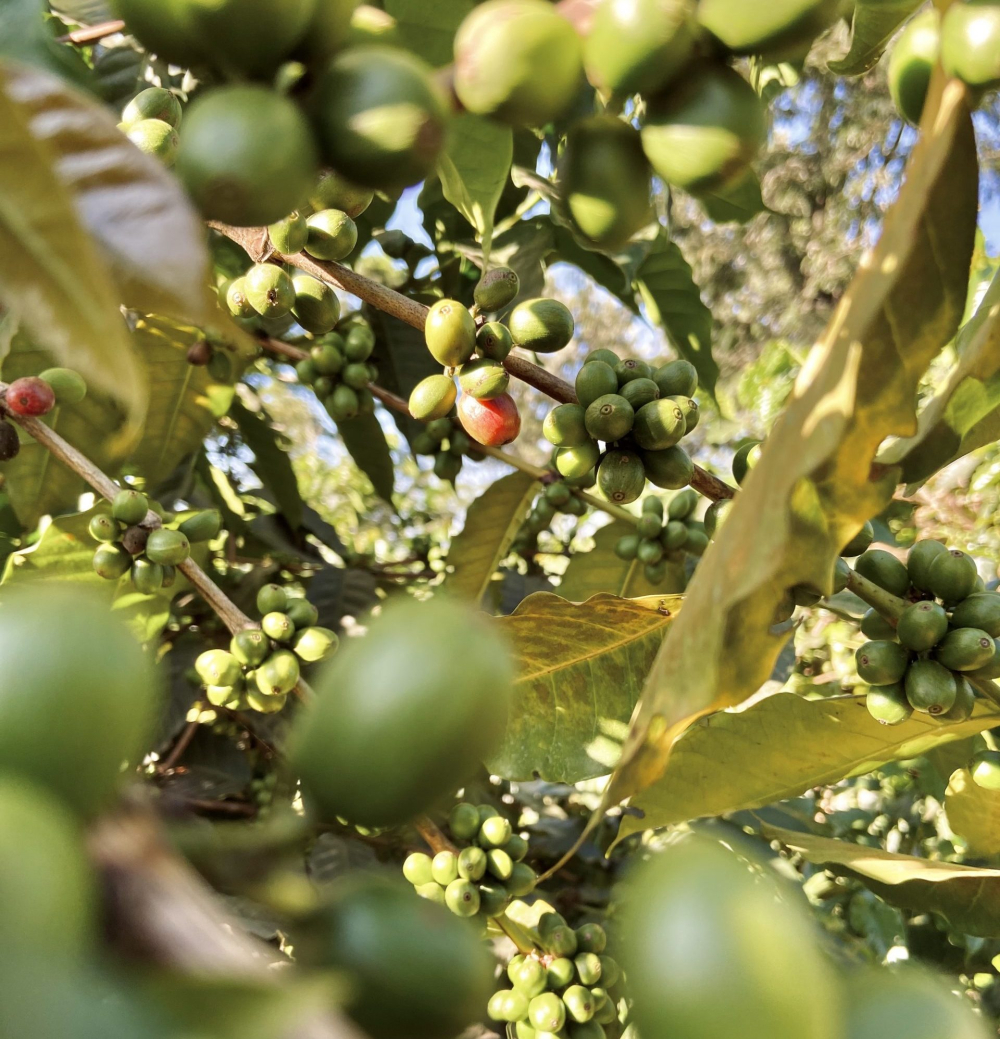
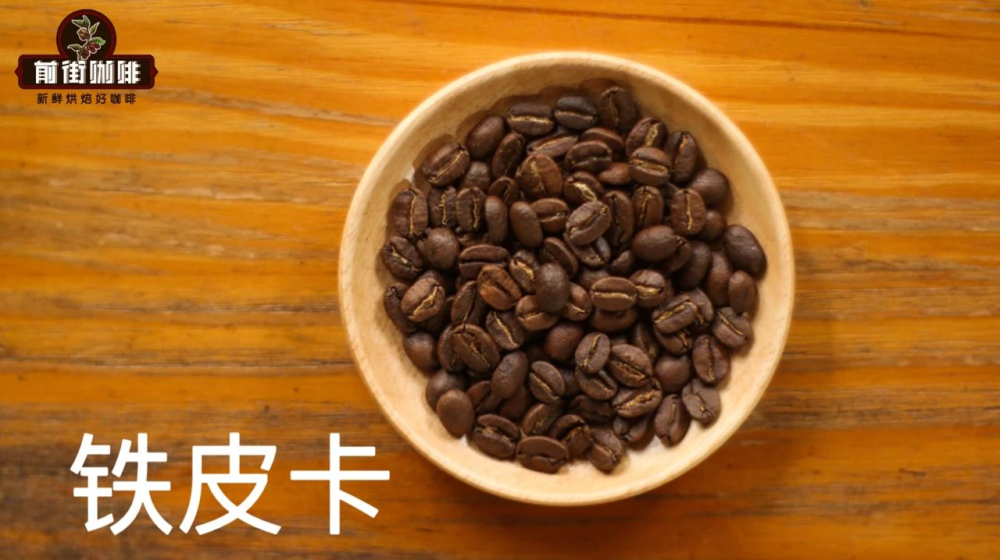
The Tanzanian coffee reviewed in this piece is of the Typica variety, a classic Arabica originating from Ethiopia, known for its slender bean shape (pointed at both ends like an egg) and elegant flavor profile. Typica trees can grow up to 5 meters (16.5 feet) tall, with branches growing at angles of 50–70 degrees, requiring wider spacing for easier harvesting. However, their tall stature also makes them less resistant to diseases such as leaf rust and berry disease, resulting in higher cultivation costs. Nevertheless, their flavor characteristics—bright citrus acidity, sweet aftertaste, and delicate winey notes—still make Typica a highly prized variety among many baristas.
Washed processing is the mainstream method for Tanzanian coffee and effectively highlights the beans’ cleanliness and acidity. Starting with harvested coffee cherries, the process begins with impurity screening, followed by mechanical removal of the pulp and outer skin. The mucilage-covered beans are then placed in fermentation tanks where microbial activity breaks down the fruit’s pectin layer (taking about 12–36 hours, depending on temperature). Finally, the beans are thoroughly washed with clean water and sun-dried or mechanically dried until the moisture content is reduced to 11–12%. This process not only removes impurities but also results in a purer coffee flavor.
Tanzania’s grading system is similar to that of its neighbor Kenya, both centered around the mesh size of green beans. AA-grade (17–18 mesh) is the highest grade, with full-bodied beans and low defect rates; AB-grade (15–16 mesh) is slightly smaller but still offers good flavor; PB-grade (round beans) makes up about 10% of the total and is often favored in the specialty market for its higher density; C-grade (12–14 mesh) is mostly used in commercial-grade blends. When purchasing, if you’re seeking intense fruity aromas and clear acidity, AA-grade is the top choice—especially the Kilimanjaro region’s washed AA, which is famed for its balanced berry notes and honey-like aftertaste.
The roasting strategy for this Tanzanian Kilimanjaro AA leans toward a medium-light roast to preserve the bean’s inherent flavors. The recommended roasting curve starts with a charge temperature of 170°C, reaching the yellowing point (150.8°C) at around 6 minutes and 30 seconds. First crack begins at 10 minutes and 6 seconds (182.7°C) and continues for a 1 minute and 45 second development phase before dropping the beans at 193°C. This roast level highlights bright citrus and berry acidity while delivering a tea-like aftertaste, making it suitable for drinkers who prefer a clean and refreshing cup.
In actual pour-over testing, it is recommended to use a V60 dripper, with a 1:15 coffee-to-water ratio and water temperature controlled at 91°C. Grind size can be referenced at grind setting 10 on an EK43s grinder (approximately medium-fine). The specific steps are: pour 30 grams of hot water for a 30-second bloom, then, once the coffee grounds expand, pour 125 grams of water in a circular motion. When the water level drops halfway, continue pouring another 225 grams to complete the extraction. These parameters balance extraction yield and flow rate, avoiding over-extraction that leads to bitterness or under-extraction that results in flatness.
Cupping results show that this coffee has sweet dry aroma notes of caramel and honey, while the wet aroma reveals fresh berry scents. Upon tasting, a distinct citrus acidity comes through first, followed by the blossoming of berry flavors, with a tea-like smoothness and nutty richness in the aftertaste. The overall profile is layered and boasts a long-lasting finish. Based on actual experience, a flavorful pour-over cup like this is priced at around 30 RMB, offering excellent value for money.
The above content is compiled by CoffeeHunters, a coffee news website.


