







Introduction:Want to deeply understand the differences between the Red, Green, and Blue Label Geishas from Panama’s Hacienda La Esmeralda? This article starts with the Ethiopian origins of the Geisha variety, tracing how it made its way to Panama and rose to prominence at Hacienda La Esmeralda. It details the differences among the three top-tier Geisha grades in terms of growing plots, appearance, and aroma, offers practical pour over parameters and segmented brewing tips for lightly roasted Geisha, and describes the specific flavor profiles of the five labeled versions—helping you appreciate the refined layers of Geisha.
Geisha coffee is renowned for its delicate floral notes and unique fruity character, and those produced by Panama’s Hacienda La Esmeralda are especially celebrated. Many coffee enthusiasts are often overwhelmed by the various labels when buying Geisha, such as Red, Green, and Blue Labels, each also available in both natural and washed processes. This article will take you from the very beginning to understand the origins of Geisha, exploring its legendary journey from the highlands of Africa to the mountains of Panama, and offering an in-depth analysis of the actual differences among the three elite grades of Geisha from Hacienda La Esmeralda, as well as how to bring out their most captivating flavors through pour over brewing.
The story of Geisha actually begins on the slopes of Ethiopia’s Gesha Mountain in the country’s southwest. Initially, it was not discovered for its enchanting aroma but rather as a potential disease-resistant breeding variety brought back by British botanists. In 1931, seeds of this original variety were sent to Kitale, Kenya, under the names Geisha and Abyssinian for trial planting, and then further distributed to Uganda and Tanzania around 1936 for more in-depth research. After more than a decade of cultivation experiments, these seeds were eventually introduced by the Costa Rican Coffee Research Institute in the 1950s, opening a new chapter in their breeding journey.
It wasn’t until 1963 that Don Pachi Serracin of Panama officially brought the Geisha variety to the country by importing it from Costa Rica. However, due to its low yield and poor economic returns at the time, most farmers showed little interest in it. Interestingly, one estate owner noticed its strong wind resistance and planted it specifically in windbreak zones, originally just to protect key economic varieties like Caturra and Catuaí. Unexpectedly, in the harsh marginal areas, Geisha demonstrated remarkable adaptability and unique flavor potential.
The turning point for Geisha came in 2004. Hacienda La Esmeralda first entered Geisha beans from a specific microclimate block and single processing method into the Best of Panama competition—and won first place, thereby reshaping the landscape of specialty coffee. Its unique citrus, tea-like, and intense floral characteristics instantly captivated the palates of global coffee judges and consumers. This Geisha from the windbreak zone is the predecessor of what is now the widely acclaimed Hacienda La Esmeralda Geisha series.
Hacienda La Esmeralda categorizes Geisha into three elite grades based on growing plots and processing methods: Red Label, Green Label, and Blue Label. The Red Label Geisha is exclusively sourced from the single estate Canas Verdes at around 1700 meters altitude, representing the most refined quality and recognized as the top-tier offering in the market. The Green Label is a blend from blocks such as Jaramillo and Canas Verdes at altitudes of 1600–1800 meters. Though it involves blending, it still maintains a high level of consistency. The Blue Label comes from the lowest altitudes, mainly below 1500 meters, is usually more affordable, and is ideal for coffee lovers wanting to experience the Geisha profile on a budget.
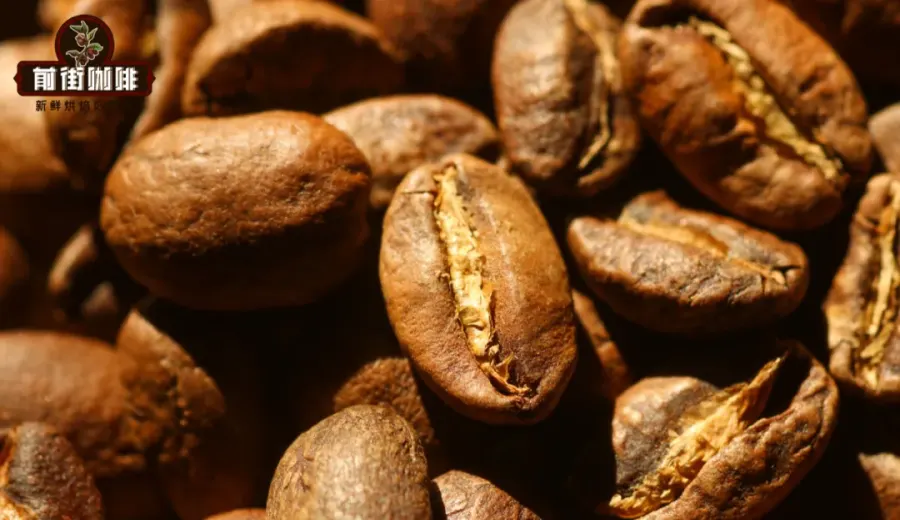
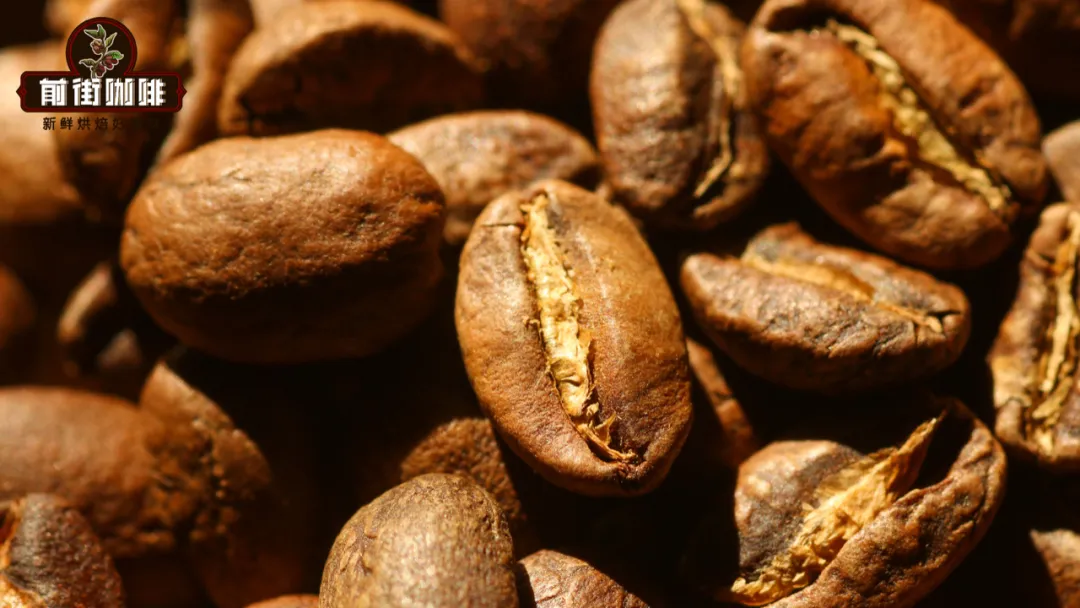
In terms of appearance, Red Label Geisha beans are the most uniform in shape, plump and consistently sized, typically reaching 18–19 mesh, with extremely strict quality control. The Green and Blue Labels, due to blending from multiple blocks or lower altitudes, show slight variations in bean size but still retain the classic slender and pointed shape typical of Geisha. In dry aroma, freshly ground Red Label emits rich rose and strawberry-like sweet acidity; Green Label highlights bright lemon and white floral notes; Blue Label is relatively more reserved, mostly offering subtle citrus and fruity aromas.
To fully showcase the delicate flavors of lightly roasted Geisha, the pour over brewing method is crucial. Due to Geisha’s dense structure and slower solubles release, it is recommended to slightly coarsen the grind—for example, using a 20-mesh sieve with about 71% passing rate, slightly coarser than the usual 75% for light roasts. Suggested dosage is 15 grams, with a 1:15 coffee-to-water ratio, and water temperature controlled at 90°C, using a V60 #01 filter cone for segmented extraction.
The detailed steps are as follows: First, pour 30 grams of water for a 30-second bloom; then pour 100 grams of water in a circular motion, preferably slowly expanding from the center outward while maintaining a steady flow rate; when the water level drops to half the coffee bed, pour another 95 grams, for a total of about 225 grams. The overall extraction time should fall between 2 minutes 10 seconds and 2 minutes 20 seconds. Pay attention to maintaining stable water flow and monitoring the coffee bed state—slight sinking of the bottom layer is normal.
Geishas of different processing methods and grades also display distinctly different flavor profiles:
Natural Red LabelFeatures a bright rose and citrus core, accompanied by aromas of rice, berries, and apricot, with a rich and layered mouthfeel and a honeyed sweetness in the aftertaste.
Washed Green LabelOpens with jasmine floral notes, delivering prominent sweetness on the palate, integrating citrus, berries, and green tea tones, with an aftertaste of orange peel and cantaloupe, overall refreshing and long-lasting.
Natural Green LabelStarts with bright lemon acidity and jasmine aroma, gradually revealing passion fruit and strawberry juice-like sensations as it cools, finishing with honey sweetness, smooth and well-rounded in the mouth.
Washed Blue LabelPresents a relatively clean and refreshing profile, with soft acidity dominated by lemon and grapefruit, mid-palate hints of oolong tea and honey, and a crisp, clean finish.
Natural Blue LabelBoasts abundant tropical fruit aromas, with distinct melon and fruit notes on the palate, high sweetness, and a juice-like smooth texture—ideal for those who prefer sweeter styles.
Whether you’re just starting out or already well-versed in specialty coffee, understanding these differences will allow you to experience a richer coffee world through every cup of Geisha.
The above content is compiled by CoffeeHunters, a coffee news website.


