







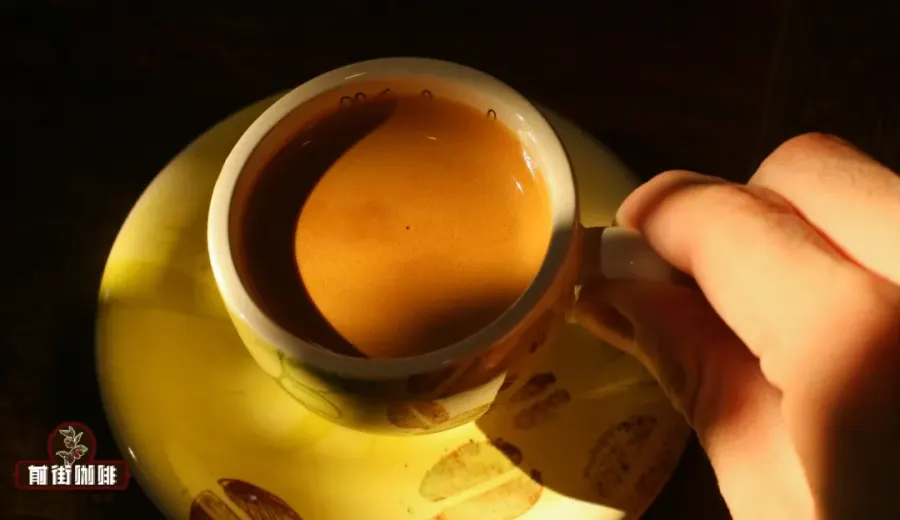
Introduction:Choosing the right espresso beans is the first step to brewing great coffee at home. This article dives deep into the core differences between single-origin and blended beans—from regional flavor profiles and roast characteristics to ideal usage scenarios—helping you understand the unique charm of each type. More practically, we recommend several classic espresso blends tailored to different needs, such as espresso shots or latte art, along with their key flavor notes and brewing tips, making it easy for you to select the perfect beans for home use.
When you walk into a café, the coffee bean options on the menu are usually divided into two main types: single-origin and blends. What’s the difference? Single-origin coffee emphasizes traceability from a single region or farm, allowing you to taste the distinct flavors of a specific place. Blended coffee, on the other hand, combines beans from different regions in a carefully crafted way to achieve balanced and stable flavors. This article will explore the characteristics of both in detail and introduce several practical espresso blends suitable for home use based on espresso and latte art needs, helping you find your best match.
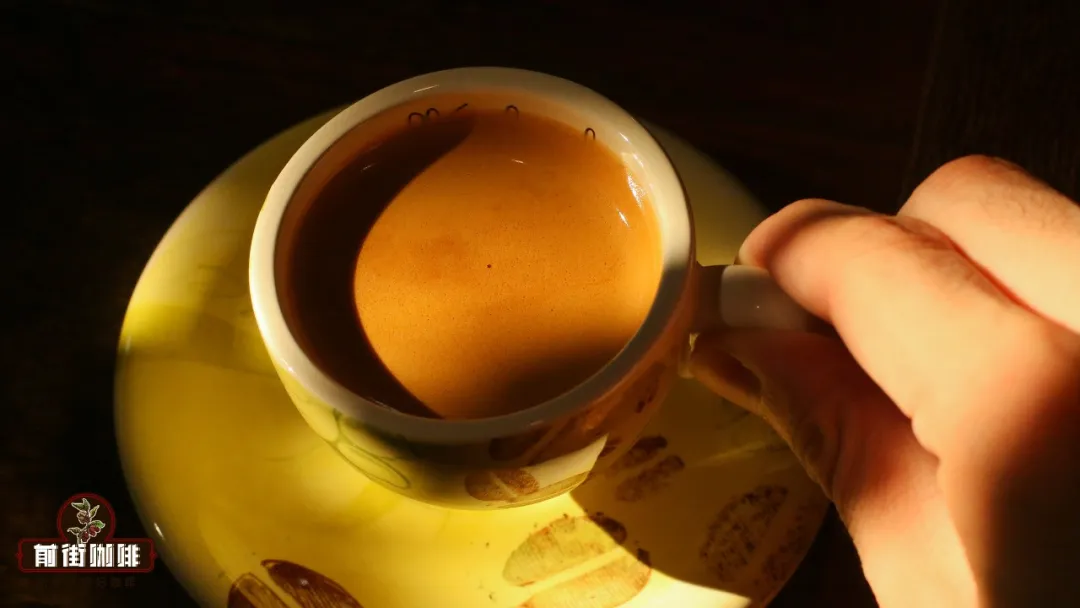
In specialty coffee shops, the coffee menu is commonly divided into two major categories: single-origin and blended coffee. Single-origin coffee (Single Origin) emphasizes a “single source,” which could be a single country, region, or even down to a specific farm. For example, beans from different regions may each showcase unique flavor profiles, such as some single-origin beans with pronounced citrus, berry, or spice notes. According to the SCAE’s definition, the key aspect of single-origin coffee is its traceability, enabling consumers to understand the coffee’s origin background and distinctive flavors. This also reflects the emphasis on knowledge and flavor in the third wave of coffee.
In contrast, blended coffee (Blended Coffee) combines beans from different regions in specific proportions, meticulously crafted by roasters to achieve a balanced and consistent flavor. Blending is both a technical and artistic craft, commonly used in espresso-based drinks like espresso, lattes, and cappuccinos. Through blending, the strengths and weaknesses of different beans can complement each other—for example, pairing beans with strong aromatic qualities with those offering high body to create a smoother and more approachable cup. Blended beans are highly stable, making them ideal for coffee lovers who value consistency.

If you want to practice latte art at home, it's recommended to choose classic espresso blends. For instance, a medium-dark roasted blend composed of beans from three regions, inspired by the early “Mamba” combination (Mandheling plus Brazil), with a small amount of Robusta added to enhance aroma and crema performance. These blends are designed for espresso machine extraction, producing shots with golden crema, perfect for beginners to practice their latte art skills.
If you prefer complex nutty aromas—such as almond, hazelnut, and walnut notes—you might consider blends with a high proportion of Brazilian beans. These beans typically offer a comfortable balance of bitterness and sweetness, with a smooth mouthfeel. Some blends incorporate the nutty and chocolatey notes of Colombian beans with moderate acidity, while others combine the ripe plum acidity of Yunnan-grown beans, releasing a tempting buttery-chocolate aroma after grinding. These are well-suited for making various espresso beverages like lattes, with balanced flavors and high versatility.
Are single-origin coffees always better? Actually, not necessarily. Single-origin coffee aims to highlight the intrinsic flavor characteristics of the beans and is typically best enjoyed without milk or sugar to appreciate its original profile. However, it’s worth noting that when using an espresso machine to brew single-origin beans into espresso, the high-pressure environment can amplify the contrast between acidity, sweetness, and bitterness—something not every coffee drinker may enjoy. In contrast, brewing methods like pour over or AeroPress can mellow these sharp edges, especially when paired with light or medium roasts, making them easier on the palate. Additionally, you can dilute high-concentration single-origin coffee with water to adjust the strength to your preference. Tasting single-origin coffee is akin to sipping wine—it takes time and experience to discern its subtle nuances, offering a flavorful challenge for the palate.
The above content is compiled by CoffeeHunters, a coffee news website.


