







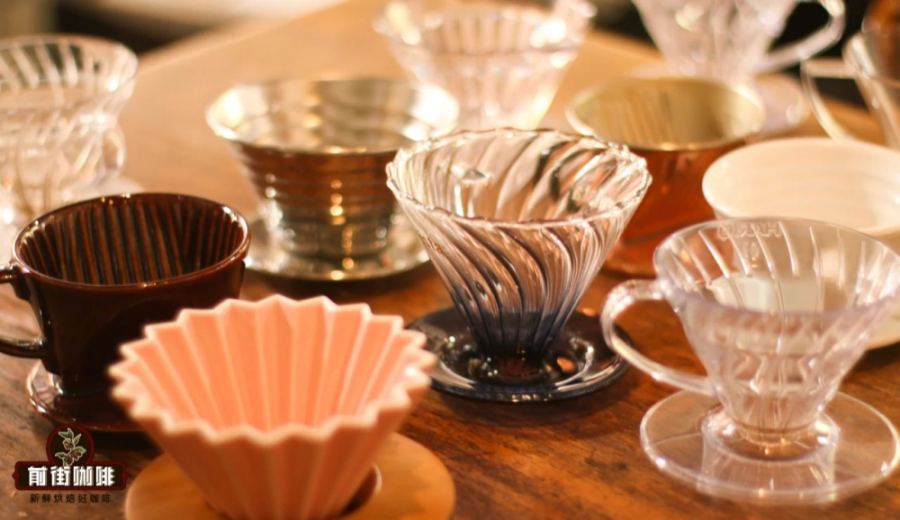
Introduction:Using the same coffee beans but switching to different filter cones can yield vastly different flavor profiles. The rib structure and shape design of a filter cone directly influence coffee bed distribution, water flow rate, and extraction time. This article delves into the design differences between the Bingtong and V60 filter cones—from rib arrangement and airflow pathways to actual pour-over performance. Using washed Yirgacheffe Wolkite as an example, it explores how these two cones affect aroma, mouthfeel, and complexity, helping you find the one that suits your brewing style.
Many coffee enthusiasts have had this experience: using the same coffee beans but simply changing the filter cone results in noticeably different flavors. The key behind this lies in the shape and rib design of the filter cone. The structure of the cone not only affects how coffee grounds are distributed but also directly influences water flow speed, contact time between water and coffee, and ultimately alters extraction efficiency and final flavor expression. This article will use the Bingtong and V60 filter cones as examples, exploring their differences from design principles to real-world pour-over performance.
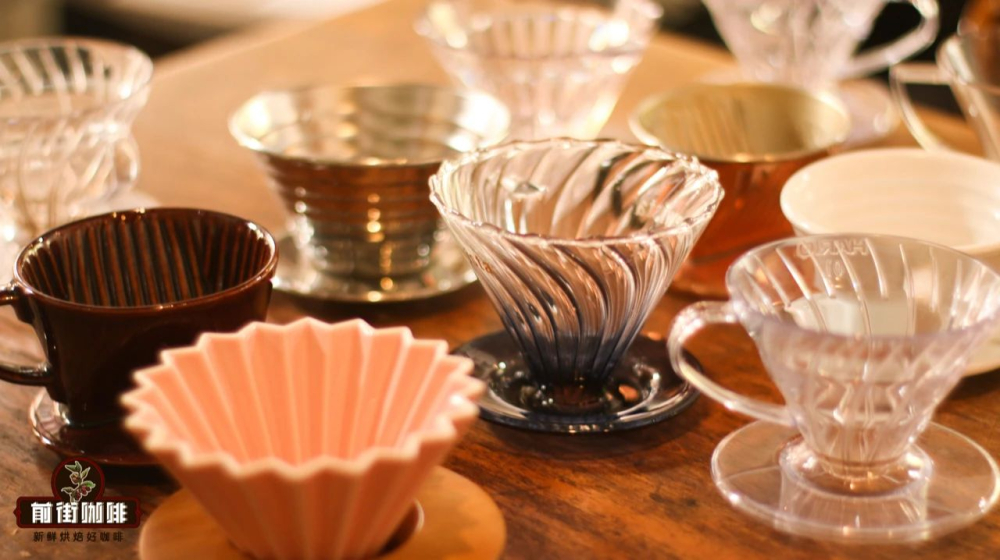
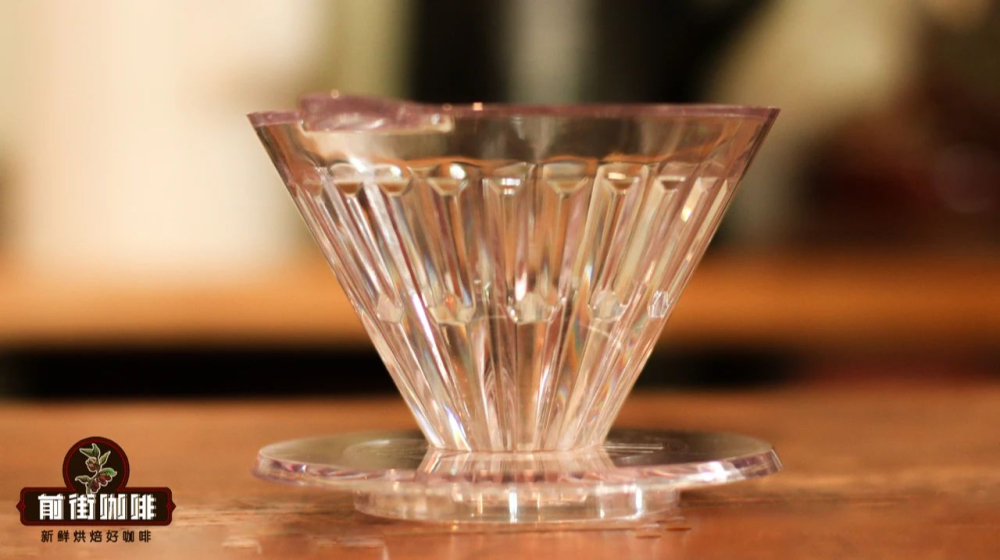
Even though both belong to the cone-shaped filter family, the Bingtong and V60 exhibit significant differences in rib structure, which leads to distinct extraction characteristics during brewing. The Bingtong filter cone features ribs arranged in a stepped, vertical pattern. Notably, its bottom design allows the filter paper to be slightly suspended from the cone, while the upper part of the cone fits almost flush against the filter paper. This design has a practical advantage: when brewing with overly fast water flow or high temperature, if the flow channels or airflow spaces become restricted, the descent of the water level slows down, resulting in an immersion-style extraction similar to the KONO cone. This helps reduce the risk of under-extraction and makes it more beginner-friendly in terms of ease of use.
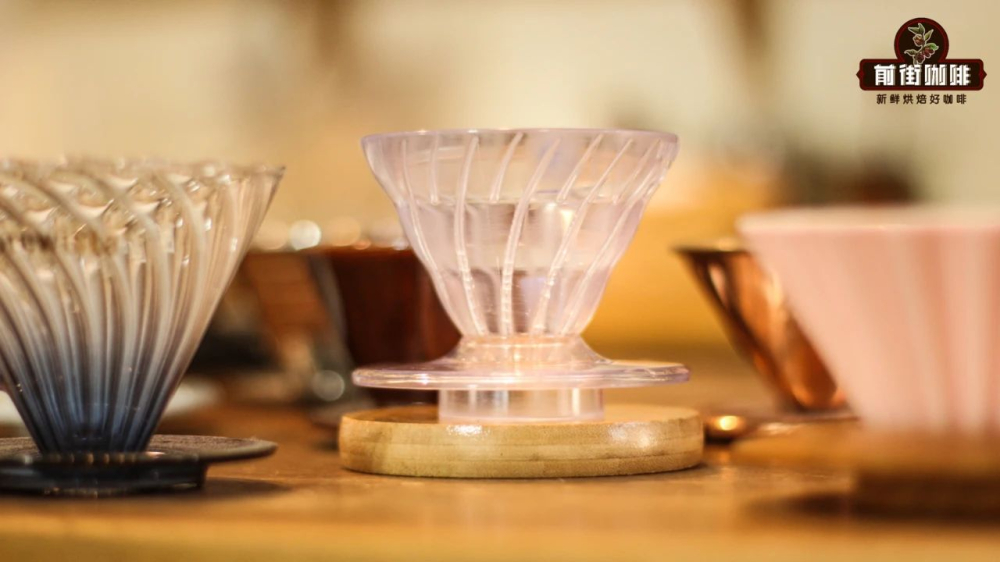
In contrast, the V60 is considered a representative of precision control and flow rate performance. Its internal ribs feature an arc-shaped vortex structure that extends from the bottom all the way to the top. This not only accelerates water flow but also maintains good airflow, ensuring gases can escape smoothly during extraction. This design prolongs the contact path between water and coffee grounds, leading to more thorough extraction and making it easier to highlight complex and clear flavor layers. However, it also demands higher brewing skill and parameter control.
For a fair comparison, this test used 【washed Yirgacheffe Wolkite】 as the brew bean, strictly standardizing grind size, water temperature, brew ratio, and pour-over technique to minimize variables. Experimental conditions were as follows: medium-fine grind (similar to granulated sugar), water temperature around 92°C, brew ratio 1:15, using a three-pour method, with total brew time controlled to around 2 minutes.
In terms of actual flavor performance, the V60-extracted Wolkite displayed pronounced jasmine floral notes, with a bright citrus acidity upon entry, followed by a natural cane sugar sweetness, and a green tea-like fresh aftertaste. The overall flavor profile was well-layered, akin to a refreshing lemon green tea, suitable for those who enjoy bright acidity and clear flavor separation.
On the other hand, the same beans brewed with the Bingtong filter cone presented a different character. When served hot, the mouthfeel was rounder and smoother, but it showed slight astringency when cooled. Aromatically, it featured soft floral and fruity notes like bergamot and honeysuckle, with a hint of grassiness, while the latter part revealed a subtle green tea sensation paired with a long-lasting bitter-sweet finish reminiscent of pomelo peel. This aftertaste lingered longer, and the overall flavor direction was more restrained. Though not as vividly layered as the V60, it demonstrated solid stability and balance.
In summary, the Bingtong filter cone’s design indeed lives up to what many users have observed—its close filter paper fit effectively mitigates uneven extraction caused by overly fast flow rates, making it particularly suitable for beginners or those who prefer immersion-style brewing. Its extraction performance is stable, with balanced mouthfeel, though its aroma intensity and flavor complexity are relatively more understated.
On the other hand, the V60, with its excellent flow control and airflow design, can highlight the layers and clarity of coffee flavors, delivering a vibrant and penetrating flavor profile that suits advanced users seeking detail and flavor resolution. However, due to its faster flow rate, improper parameter control can easily lead to uneven extraction or insufficient body, requiring more precise technique and experience.
The above content is compiled by CoffeeHunters, a coffee news website.


