







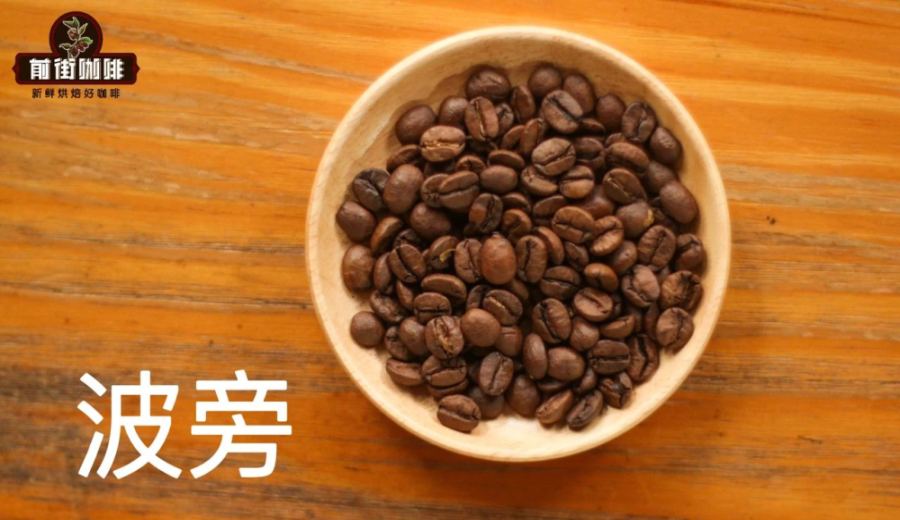
Introduction:As one of the most representative varieties within Arabica, the Bourbon coffee variety has evolved into multiple mutations—including red, yellow, orange, pink, and even striped—since its origin in the 18th century. Each color variant of Bourbon, due to genetic mutations and regional microclimatic differences, produces distinctly unique flavor profiles. These range from rich, nutty, and chocolatey notes to bright citrus and floral aromas, with each having its representative growing regions and characteristics. This article delves into the evolutionary history of Bourbon, explores the origins and traits of each color variation, and pairs them with real regional flavor descriptions and brewing recommendations to help you fully understand this classic coffee family.
Bourbon coffee is one of the oldest varieties within the Arabica species. It was first introduced to the island of Réunion (formerly known as Bourbon Island) in the Indian Ocean from Yemen and gradually spread to East Africa and Central and South America. Influenced by varying altitudes, climates, and soil conditions across different regions, Bourbon coffee evolved into various mutations, including the commonly seen Red Bourbon and Yellow Bourbon, as well as the rarer Orange Bourbon, Pink Bourbon, and even special mutations such as Striped Bourbon. These different color variants of Bourbon, due to variations in fruit coloration and genetic differences, each offer unique flavor expressions—some showcasing rich nuttiness and dark chocolate depth, while others are renowned for their bright citrus acidity and floral notes.
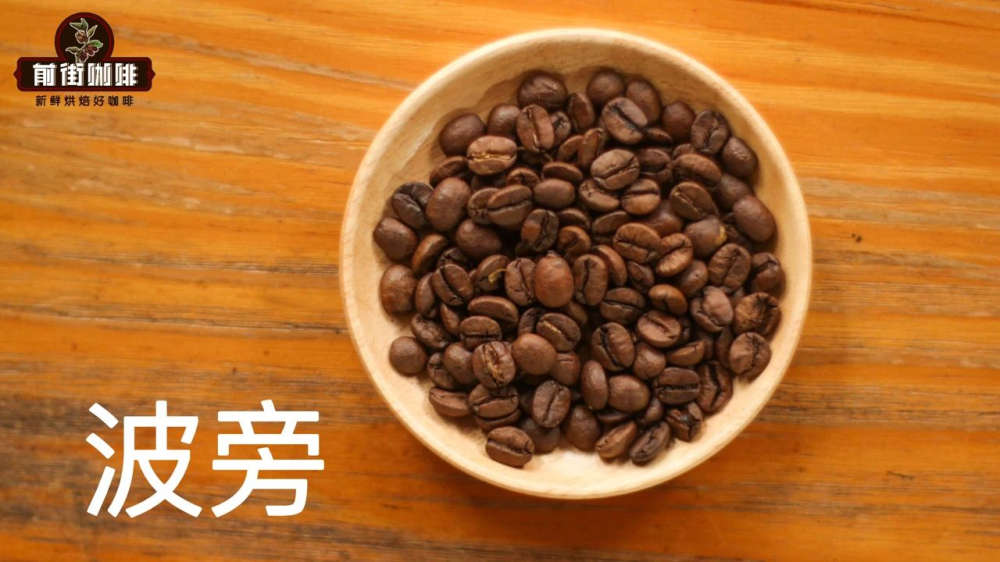
When it comes to Bourbon, the first thing many people notice is the color of its cherries. The most well-known is Red Bourbon, but there are also Yellow Bourbon, Orange Bourbon, and even the rare Pink Bourbon. Bourbon itself is a mutation of Typica, both belonging to the oldest branches within Arabica and together forming what is known as the ‘Bourbon–Typica group’. Although Typica was once the dominant coffee cultivar, it was gradually replaced by Bourbon due to its low yield and susceptibility to disease. Bourbon strikes a better balance between cup quality and adaptability, making it an important variety in many specialty coffee-growing regions.
The global spread of Bourbon can be traced back to French colonization of the Indian Ocean islands in the late 17th century. Between 1708 and 1718, the French made several attempts to introduce Yemeni coffee to what was then called Bourbon Island (now Réunion Island), using it as a base for cultivation. This variety thus came to be known as ‘Bourbon coffee’. It wasn’t until the mid-19th century that the Bourbon variety was introduced to Africa and South America, gradually taking root in countries such as Brazil, El Salvador, and Guatemala. Particularly in Brazil, Bourbon replaced the low-yielding Typica and became one of the main cultivated varieties, laying the foundation for the emergence of numerous subsequent mutations.
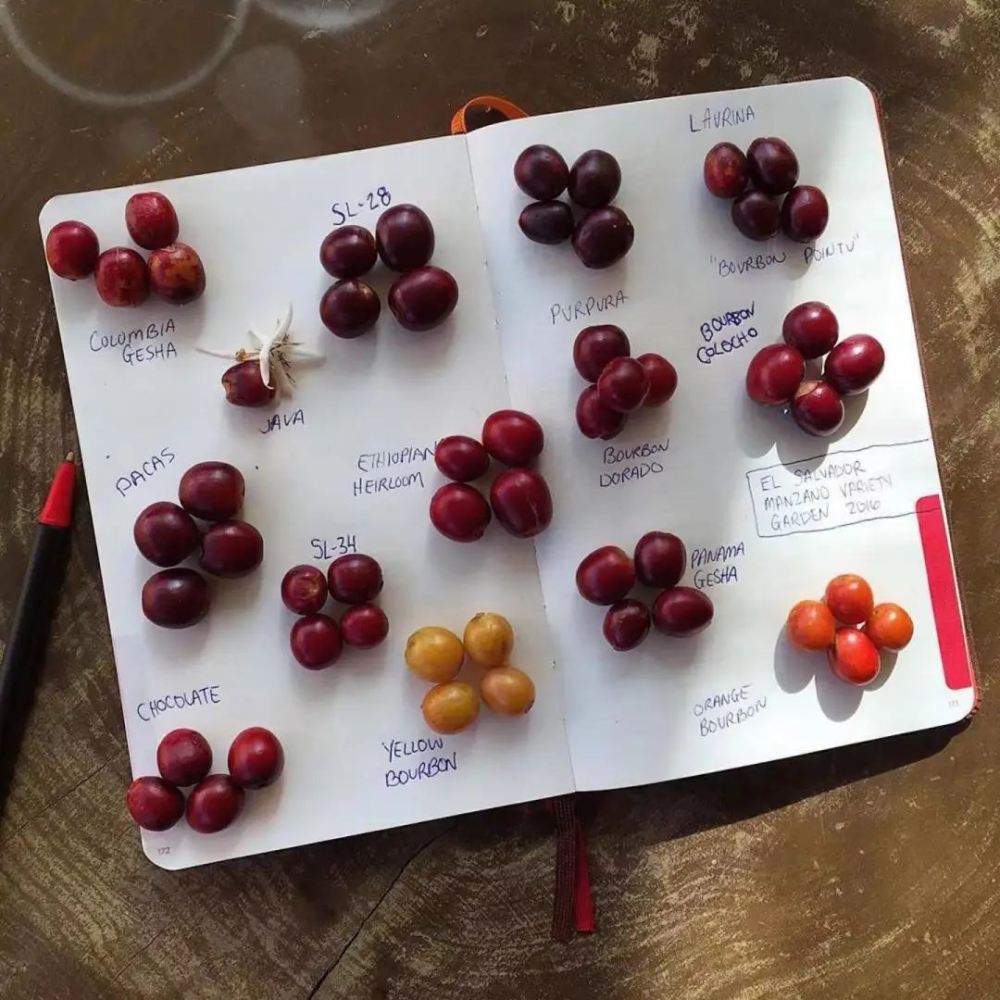
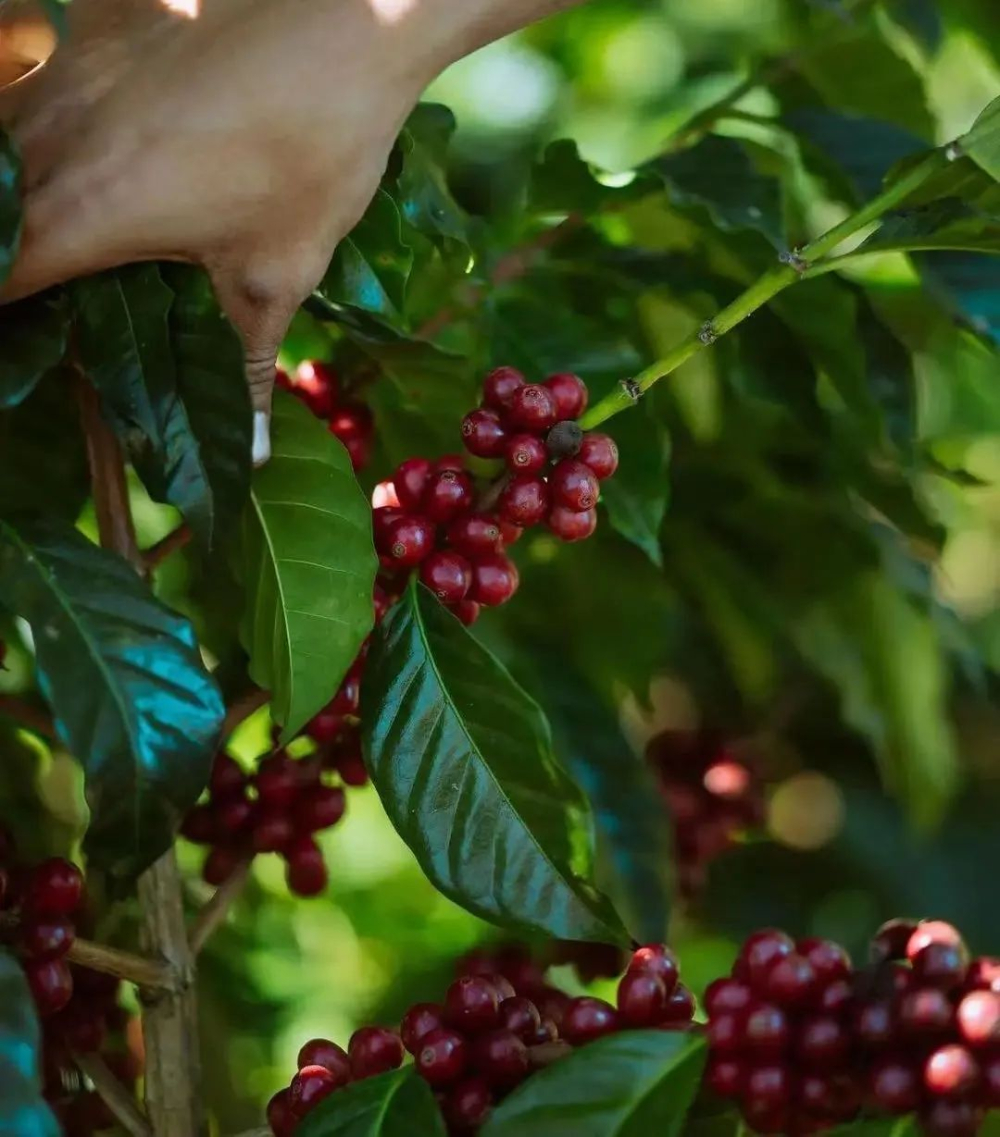
In the Americas, Bourbon underwent long-term environmental adaptation and genetic mutation, gradually evolving into a variety rich in color mutations. The earliest Bourbon introduced to Brazil in the mid-19th century is the familiar Red Bourbon, whose cherries transition in color from green to yellow, orange, and finally deep red as they ripen. Red Bourbon grown at high altitudes often exhibits excellent aromatic qualities, with brighter acidity and sometimes even complex layers reminiscent of red wine. Yellow Bourbon is a mutation unique to Brazil, where the cherries ripen to an orange-yellow rather than red. It is notable for its outstanding sweetness and aroma, along with relatively pronounced acidity, making it one of the most talked-about specialty coffee varieties in recent years. Orange Bourbon is a natural mutation of Bourbon discovered in El Salvador, characterized by a warm and soft citrus tone. Pink Bourbon is even rarer, resulting from a cross between Red Bourbon and Yellow Bourbon, with fruits appearing light pink or peach-colored. However, due to genetic instability, it tends to show mixed colors.
In addition to the common color mutations mentioned above, there are also some noteworthy special mutations, such as Striped Bourbon. This variety was first discovered in the Huila region of Colombia. Its cherries resemble those of typical Red Bourbon, but feature distinct yellow stripes on the surface. It is understood that Striped Bourbon is the result of a natural mutation of Bourbon. Though not high-yielding, it offers intense citrus and brown sugar tones, especially when roasted lightly, showcasing berry-like aromas and layered sweetness.
Different color variants of Bourbon exhibit vastly different flavor profiles due to factors such as altitude, processing methods, and roast levels in their growing regions. For instance, Brazilian Red Bourbon is often processed using the honey method, delivering a balanced flavor with low acidity, richness, and notes of nuts and dark chocolate—making it suitable for those new to single-origin coffee. Yellow Bourbon, with its standout sweetness and aroma, is commonly processed via sun-drying and is ideal for pour over or as the base for SOE (Single Origin Espresso), featuring layers of tropical fruit and soft acidity. Pink Bourbon excels with soft floral notes and a caramel-like sweetness in the aftertaste, maintaining good flavor consistency even as it cools. Striped Bourbon, when lightly roasted, reveals unique aromas such as brown sugar and berries, making it a great choice for coffee enthusiasts seeking distinctive flavors.
The above content is compiled by CoffeeHunters, a coffee news website.


