







Introduction:Delve into the geographical advantages and coffee variety characteristics of Colombia's Huila region, and understand how the washed processing method shapes its unique flavor profile. This article provides complete pour over parameters for Huila coffee, including filter choice, water temperature control, brew ratio, and a three-stage extraction process to help you accurately reproduce the classic Central and South American bean’s nutty tones, caramel sweetness, and gentle fruit acidity—delivering a stable and layered home brewing experience.
Colombia's Huila region is renowned for its high-altitude mountainous terrain, fertile volcanic soil, and reliable water sources, making it one of the world’s key sources of specialty coffee. The coffee-growing environment here is exceptionally blessed, not only producing beans with distinct flavors but also establishing Huila as a nationally representative specialty coffee origin in Colombia. This article will explore the region’s geographical conditions, main cultivated varieties, traditional washed processing methods, and offer practical pour over recommendations to help you fully master the brewing secrets of Huila coffee.
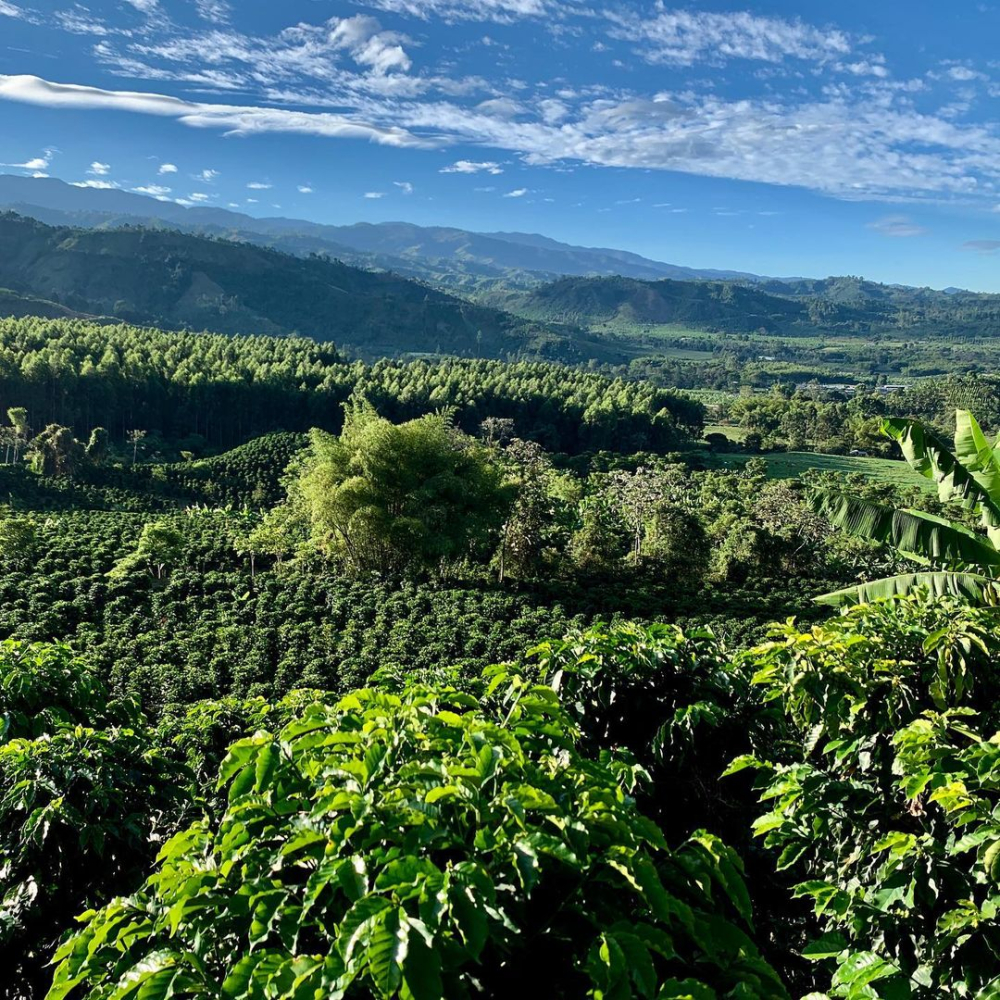
Located in southwestern Colombia and surrounded by mountains, Huila has an average altitude exceeding 1,500 meters, with crisscrossing rivers that provide abundant water resources—an ideal setting for washed processing. The coffee from this region is known for its rich mouthfeel, bright acidity, and prominent sweetness, often exhibiting flavors such as nuts, caramel, and gentle berry acidity, delivering a balanced and layered cup. Compared to other Colombian regions, Huila displays greater microclimatic diversity, meaning beans from different farms within the same region can show subtle variations—adding to its allure.
Colombia as a whole boasts a diverse climate, ranging from tropical rainforests to highland mountains, with national average temperatures between 15.8°C and 20.5°C. The ideal temperature range for coffee-growing zones falls between 18°C and 22.5°C, with annual rainfall of about 1,000 to 2,500 millimeters. Due to its span across multiple latitudes and altitudes, the country features up to 86 distinct microclimates, contributing to the unique flavors of coffee from each region. Among them, Huila stands out for its consistent high quality and distinctive regional character, earning widespread acclaim in international markets and frequently taking top honors in coffee competitions.
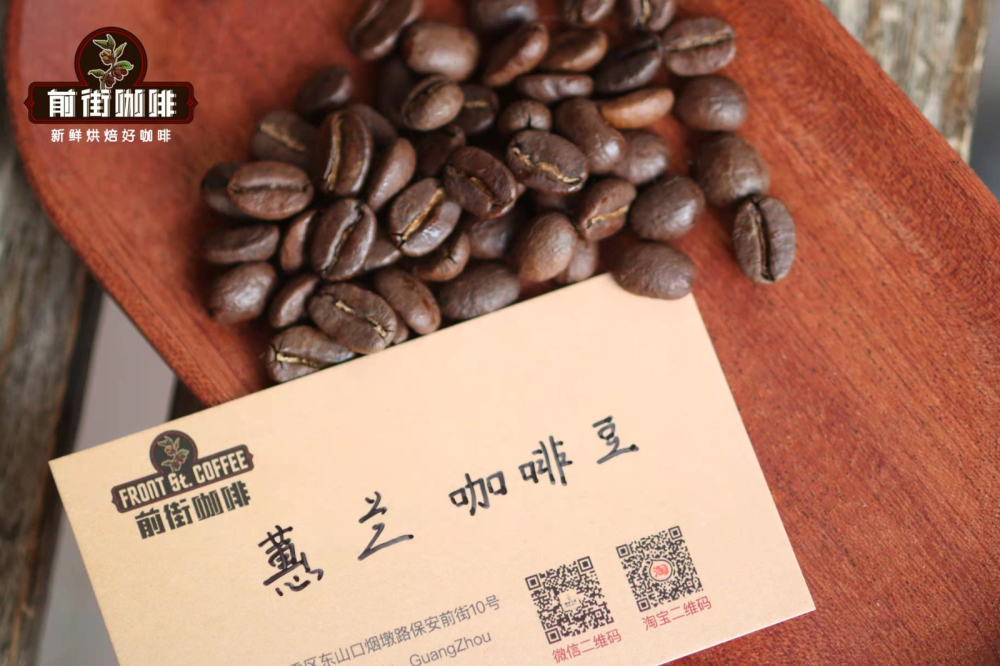
The Huila region primarily cultivates two common Central and South American varieties: Caturra and Catuai. These varieties thrive at high altitudes and exhibit bright acidity and clear fruit aromas. Thanks to the combination of high elevation and volcanic soil, Huila-grown coffee beans often feature delicate berry acidity, roasted nut aromas, and a memorable caramel aftertaste—offering rich sweetness and a full-bodied mouthfeel. In addition, while Typica and Bourbon are planted in smaller proportions locally, some smallholder farmers remain committed to cultivating these traditional varieties, which can deliver deeper flavor layers such as floral notes, citrus acidity, and a rounded body.
Colombia is the world’s largest producer of washed Arabica coffee and one of the few countries where legislation mandates the cultivation of only Arabica varieties. The government’s proactive policies and well-established production and sales systems have secured the country’s prominent position in the global coffee market. Washed processing in the Huila region is highly refined, with most small farms equipped with professional depulpers (such as Ecomill or Eco-Pulper) that efficiently remove the outer layers of the coffee cherry, retaining only the inner seeds for subsequent fermentation and washing. This traditional method not only preserves the coffee’s original flavors but also ensures cleanliness and consistency in the green beans.
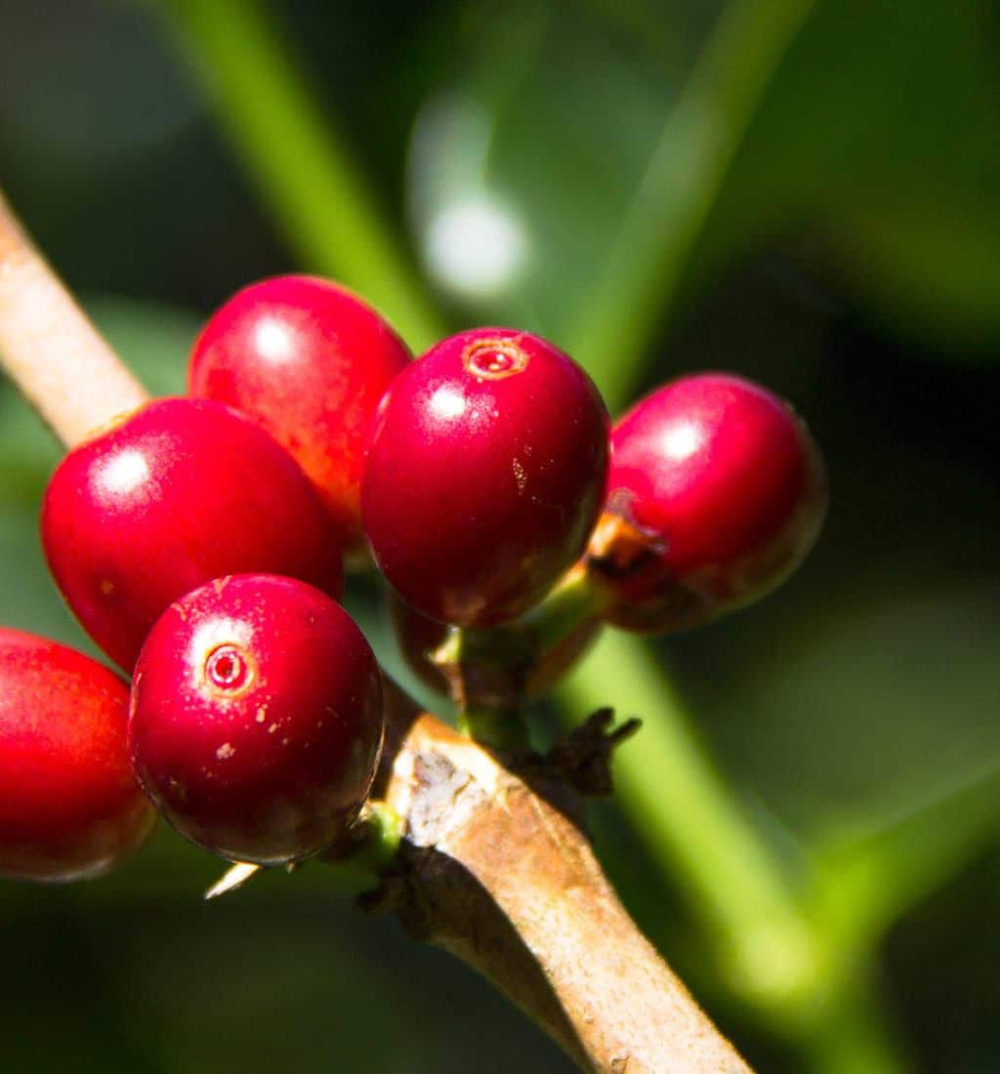
The standard washed processing procedure is as follows: First, harvested coffee cherries are soaked in water, where buoyancy separates defective beans from quality ones; next, the outer skin and pulp are removed, followed by rinsing away surface mucilage with clean water; then, the beans undergo approximately 18 hours of fermentation to fully break down the remaining mucilage layer; finally, the beans are washed multiple times with clean water and dried indoors or using mechanical equipment until their moisture content drops to around 11%, after which they are ready for storage and export. Though time-consuming and water-intensive, this process effectively highlights the coffee’s regional characteristics and is key to the refined flavors Huila coffee is known for.
If you’d like to brew an authentic cup of Huila coffee at home, here are the recommended parameters based on practical testing: use a KONO filter (its rib design extends only to the upper half of the filter, reducing airflow and extending the coffee grounds’ water absorption time—thereby enhancing extraction uniformity and a fuller mouthfeel), with water temperature controlled at88°C, a brew ratio of1:15(for example, 15 grams of coffee grounds to 225 milliliters of water), and a suggested grind size of 20-mesh standard sieve passing rate of75%. Use the three-stage extraction method—begin with double the coffee weight in water (about 30 grams) fora 30-second bloomto help release CO₂ from the coffee grounds; then pour water in small circles to reach125 gramsfor the first pour, continue pouring to225 gramsbefore stopping, and let the filter drip until completion before removing it. The total extraction time should be around2 minutes exactly. Finally, it’s recommended to gently swirl the brewed coffee before pouring it into your cup to achieve the most balanced flavor experience.
The flavor profile of Huila coffee is grounded in nuttiness, with a full-bodied entrance and sweetness that distinctly leans toward caramel and cocoa tones. As the temperature cools slightly, subtle layers of fruit acidity may emerge, resulting in an overall balanced and enjoyable cup. Additionally, if you’re interested in specialty processing methods, you might try the region’s anaerobic or fruity-processed beans—such as single origins with notes of strawberry jam, rose floral, or wine-like aromas—that offer entirely different taste experiences. Whether for everyday drinking or deeper exploration, Huila coffee can add plenty of highlights to your coffee journey.
The above content is compiled by CoffeeHunters, a coffee news website.


