








Introduction:The Sumava Estate in Costa Rica’s Western Valley harnesses the black honey processing method and high-altitude volcanic soils to produce flavor-rich Caturra coffee beans. This article delves into the estate’s regional background, details of the honey processing technique, green bean characteristics, and roasting performance, while also offering practical pour over brewing tips and parameters to help you unlock the layers and aromatic secrets of this specialty coffee.
Costa Rica’s Western Valley is one of the country’s renowned specialty coffee regions, celebrated for its fertile volcanic soils and significant day-night temperature variations. Nestled here, the Sumava Estate (Finca Sumava de Lourdes), with its black honey processed Caturra variety, has gained international recognition in the specialty coffee market in recent years. Overseen personally by farm owner Francisco Mena, this coffee combines high-altitude growing conditions with refined post-harvest techniques to deliver enticing notes of brown sugar sweetness, citrus, floral aromas, and sweet spices.
Black honey processing is a type of honey process, characterized by retaining a large amount of the coffee fruit’s mucilage and drying it using special sun-drying methods, which impart intense sweetness and complex aromas to the beans. Compared to traditional washed or natural processes, honey processing achieves a rounder, fuller mouthfeel and distinctive fruity notes while using less water. This technique is widely used in Costa Rica, and the Sumava Estate takes it further with their proprietary “sweet sugar process,” where the juice extracted from the harvested coffee fruit is fermented together with the parchment-covered beans to further enhance sweetness and depth of flavor.
Growing Environment and Conditions
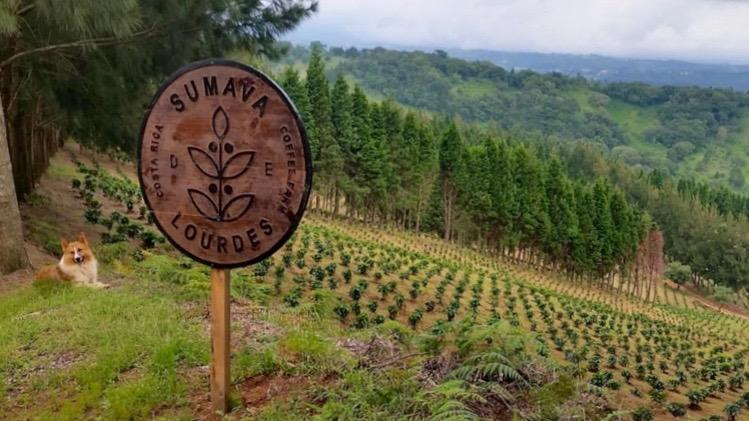
Costa Rica introduced coffee cultivation as early as 1779 and has since become a globally recognized Arabica coffee producer, with a well-established system spanning cultivation, post-harvest processing, and export. The country’s numerous volcanoes provide mineral-rich soils, and the interplay of Pacific and Atlantic air currents creates a variety of unique microclimates. Among the nation’s eight major coffee-growing regions, the Western Valley stands out with its stable quality and moderate altitudes (approximately 1500–1700 meters), making it home to many small-scale boutique farms.
The Sumava Estate is situated at elevations between 1670 and 1790 meters, featuring a cool climate with significant diurnal temperature variation—ideal conditions for cultivating altitude-sensitive varieties like Caturra. The main harvest season here runs from December to March each year, during which the dry and stable weather aids in quality control during post-harvest processing. In addition to Caturra, the estate grows varieties such as Villa Sarchi, SL28, and Geisha, and maintains large forested areas as ecological reserves, reflecting its commitment to sustainable farming.
Core Techniques of Black Honey Processing
Honey processing is categorized into yellow honey, red honey, and black honey based on the amount of mucilage retained, with black honey retaining nearly all of it—resulting in the most intense sweetness and complexity of flavors.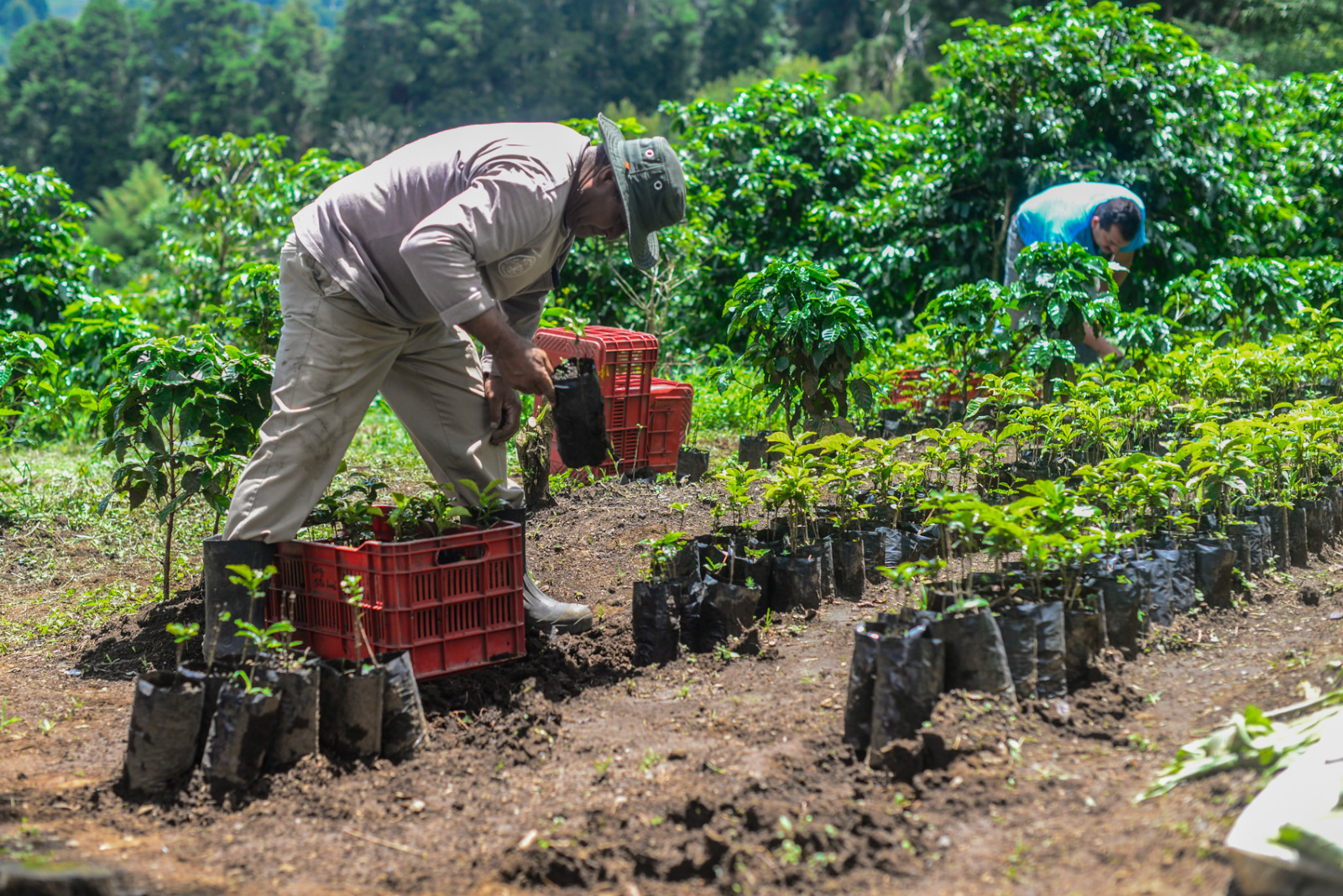
The key to this processing method lies in precisely controlling the temperature and humidity of the drying environment. Typically taking 10 to 14 days, the beans must be frequently turned to ensure even drying and prevent over-fermentation or mold. Due to the high mucilage retention, black honey processing demands stringent climatic and technical conditions—but it is precisely this that yields its distinctive sweetness and full-bodied mouthfeel.
Green Bean Characteristics and Roasting Performance
The Sumava Estate’s black honey Caturra is cultivated at an elevation of 1700 meters,where the altitude allows the coffee cherries to ripen slowly, accumulating more flavor compounds and sugars.Caturra is a natural mutation of Bourbon, known for its bright acidity and clear fruity foundation, making it well-suited to showcasing the nuanced profile of honey processing.
In terms of roasting, this coffee is best presented at a medium-light to medium roast level. A stable roast curve helps highlight its core notes of brown sugar, citrus, and floral aromas, while preserving a well-balanced body and lingering sweetness.
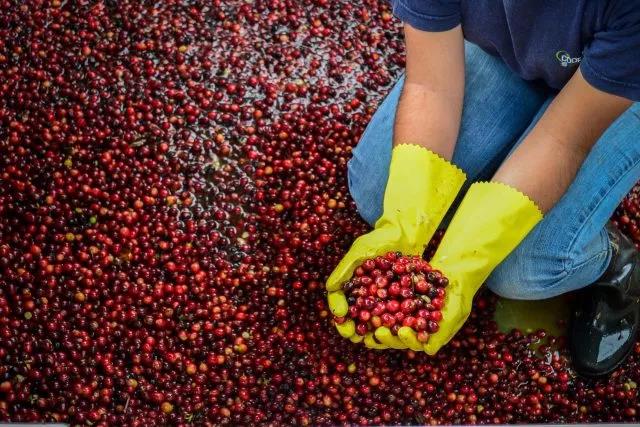
Pour Over Brewing Recommendations and Parameters
To fully experience the layered profile of Sumava’s black honey Caturra, we recommend using the pour over method with a gentle water flow to draw out its sweetness and citrus notes. Below is a set of practical reference parameters:
- Coffee dose: 16 grams
- Coffee-to-water ratio: 1:15 (total water volume 240 ml)
- Water temperature: 89–90°C
- Grind size: Medium-fine (approx. 3.5 on a small Fuji burr grinder)
- Filter: Key dripper or other V60-type drippers
Recommended steps: Begin with a 30-second bloom using 30 ml of hot water to release CO₂ and initiate aroma development; then pour slowly in a circular motion centered on the grounds until you reach 110 ml, then pause. Once the water level drops, continue pouring up to 240 ml total, aiming for a total brew time of around 2 minutes and 15 seconds. These parameters fully express the honey, brown sugar, orange blossom, and white chocolate aroma spectrum, while maintaining a balanced acidity, sweetness, and a rich finish.
During actual brewing, you may adjust water temperature or grind coarseness slightly to suit personal taste—for instance, those preferring brighter acidity may increase the temperature to 91°C or opt for a medium grind to speed up extraction. Mastering these variables will allow you to better tailor the cup to your preferred flavor profile.
The above content is compiled by CoffeeHunters, a coffee news website.


