







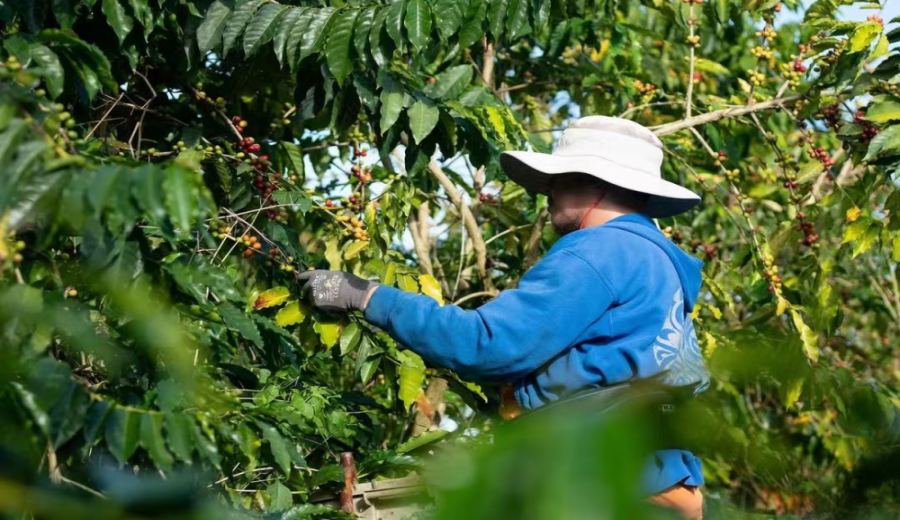
Introduction:Hawaiian Kona coffee is renowned for its distinctive island flavors and meticulous processing techniques. Despite its relatively low elevation, it holds a unique place in the global specialty coffee market. This article will delve into the history of Kona coffee, its growing environment, the classic Typica variety from the Queen Farm, as well as the Type 1 grading system, and provide expert pour over recommendations and brewing parameters to help coffee enthusiasts fully appreciate the charm of this precious bean.
When it comes to premium coffee born from an island climate, Hawaiian Kona is undoubtedly a classic that cannot be overlooked. Although this archipelago in the central-northern Pacific has coffee-growing regions at elevations only between 300 and 1,100 meters — not meeting the high-altitude preference typical of most specialty coffees — Kona coffee owes its reputation as “one of the world’s most perfect coffees” to its unique volcanic soil, mild island climate, and refined post-harvest processing.
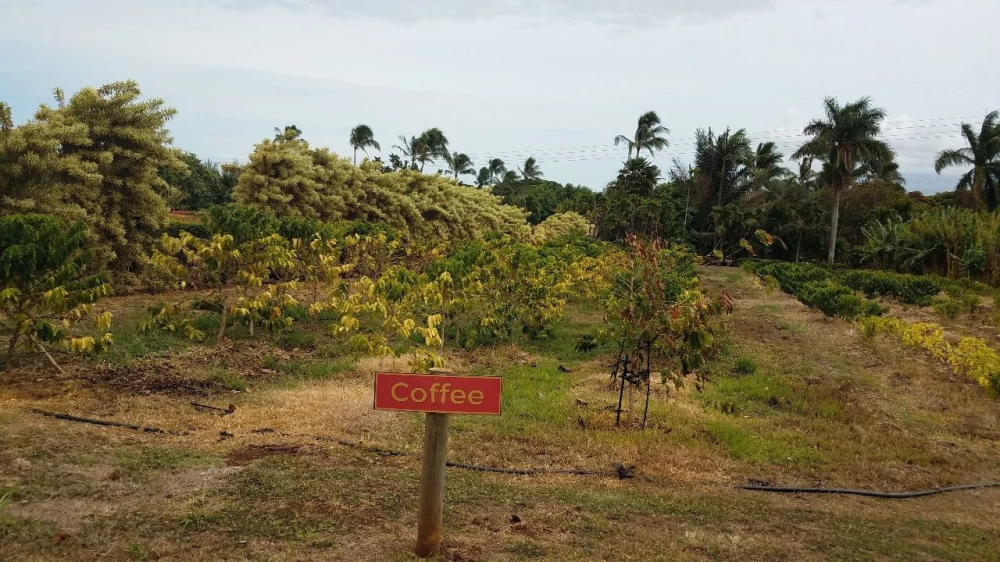
The Hawaiian Islands, located in the central-northern Pacific, consist of 19 major islands and numerous smaller ones, among which the Big Island (also called Hawaii Island) is the largest and the primary region where Kona coffee is produced. This area enjoys a tropical maritime climate with notable day-night temperature variations and mineral-rich volcanic soil, providing ideal growing conditions for coffee trees.Although the elevation in the Kona region is not high, its location within the volcanic zone ensures stable microclimates, which nurture uniquely flavored coffee beans.
The history of Kona coffee dates back to 1817, when the first Spanish advisor, Don Francisco de Paula Marin, attempted to introduce coffee to Hawaii but was unsuccessful. It wasn’t until 1825 that Chie Boki, the governor of Oahu, brought coffee seedlings from Brazil and successfully planted them in the Manoa Valley, marking the beginning of Kona coffee’s development. Subsequently, coffee cultivation gradually expanded to the Big Island, Maui, Kauai, and Oahu, and by the mid-19th century, numerous small, family-run coffee farms had been established.
However, the development of Kona coffee was not without challenges.In the 1850s, coffee leaf rust devastated plantations, and later, after the U.S. takeover in the late 19th century, coffee tariffs were abolished. Coupled with the higher economic returns of sugarcane farming, many coffee farms were converted into sugarcane fields, causing the coffee-growing region to shrink significantly. It wasn’t until the 1980s, with the rise of the international specialty coffee market, that Kona coffee regained attention and earned market favor for its high quality and rarity.
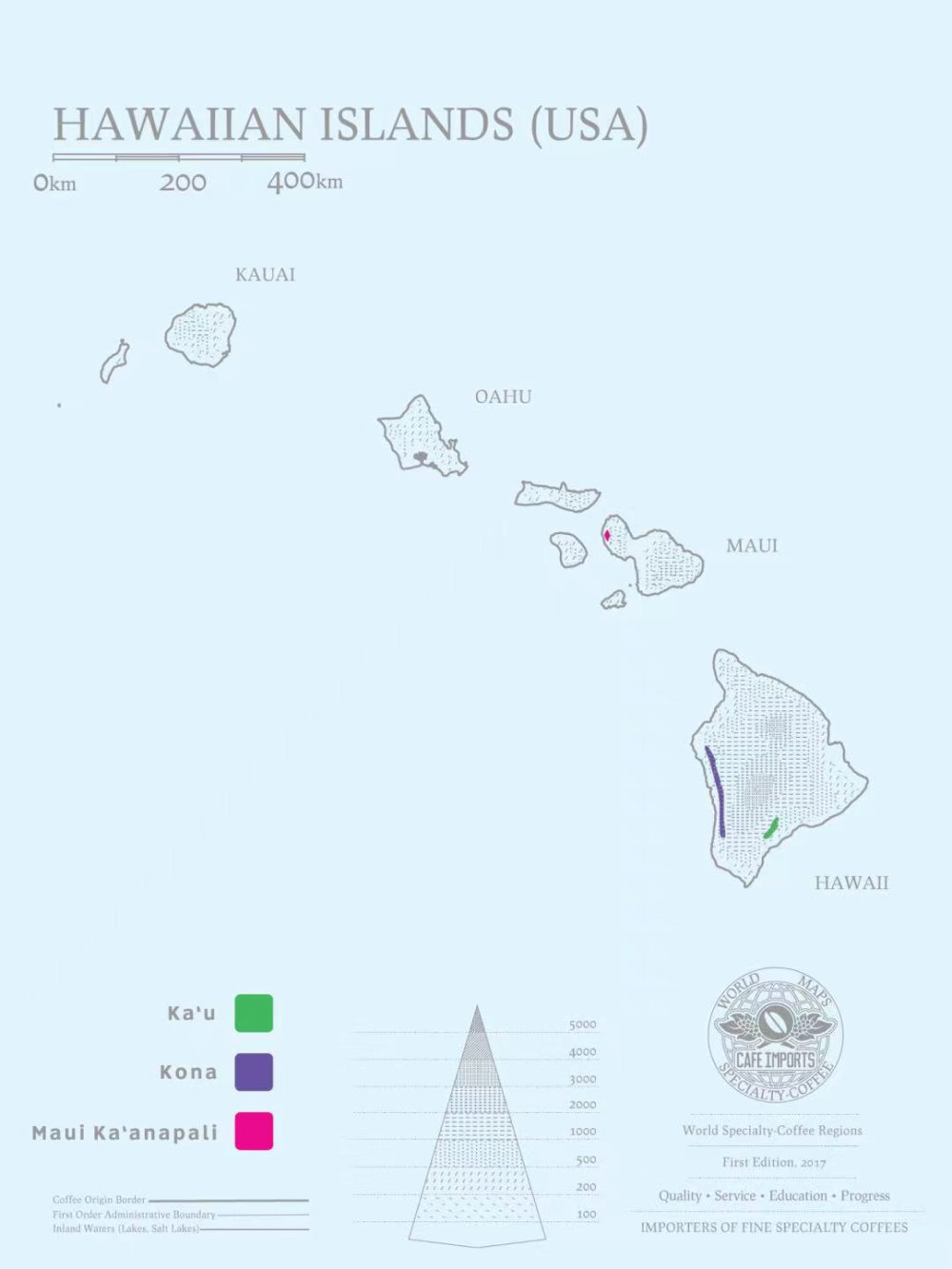
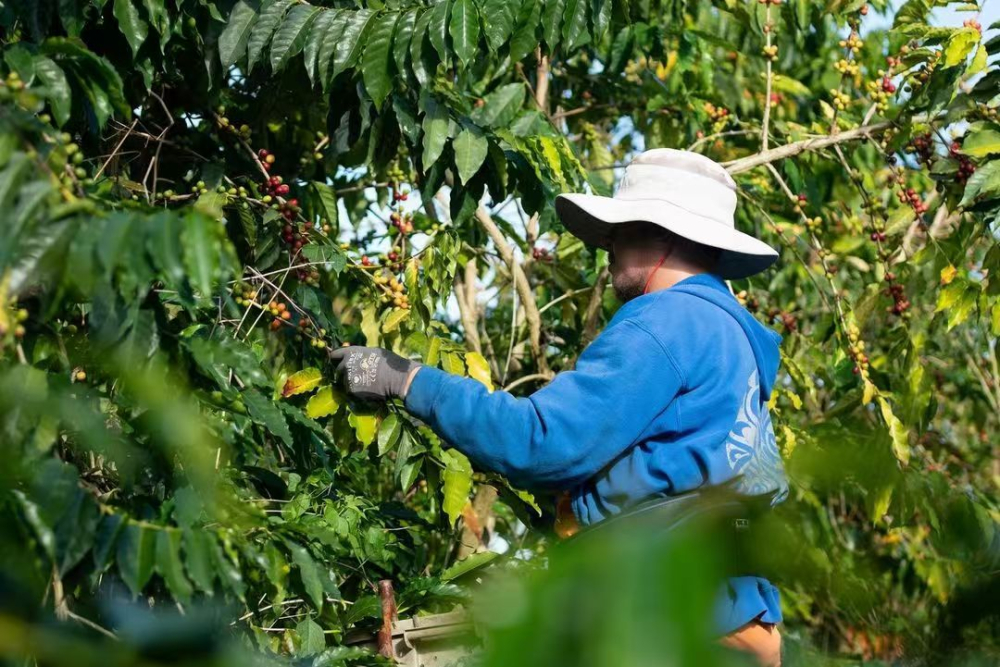
Currently, the Kona region has 12 coffee-growing areas, among which the Kona district is the most renowned.Kona coffee is primarily processed using the washed method,which involves fermenting to remove the mucilage layer, followed by multiple washes and either sun drying or mechanical drying to ensure the beans are clean and have concentrated flavors. Compared to the natural (sun-dried) method, washed processing highlights a cleaner, brighter acidity and a cleaner mouthfeel — one of the key factors enabling Kona coffee to express its delicate flavors.
Among the many Kona coffee farms, the Queen Farm stands out. This farm won second place in both the 2009 and 2011 Kona Coffee Cupping competitions. Seventy percent of its beans were rated as top-tier Extra Fancy grade, and even the next level down — the Fancy grade — demonstrates exceptional aroma and consistency, earning high praise from professional roasters. The Queen Farm mainly grows the Typica variety, one of the most traditional Arabica types, known for its balanced flavor and delicate acidity.
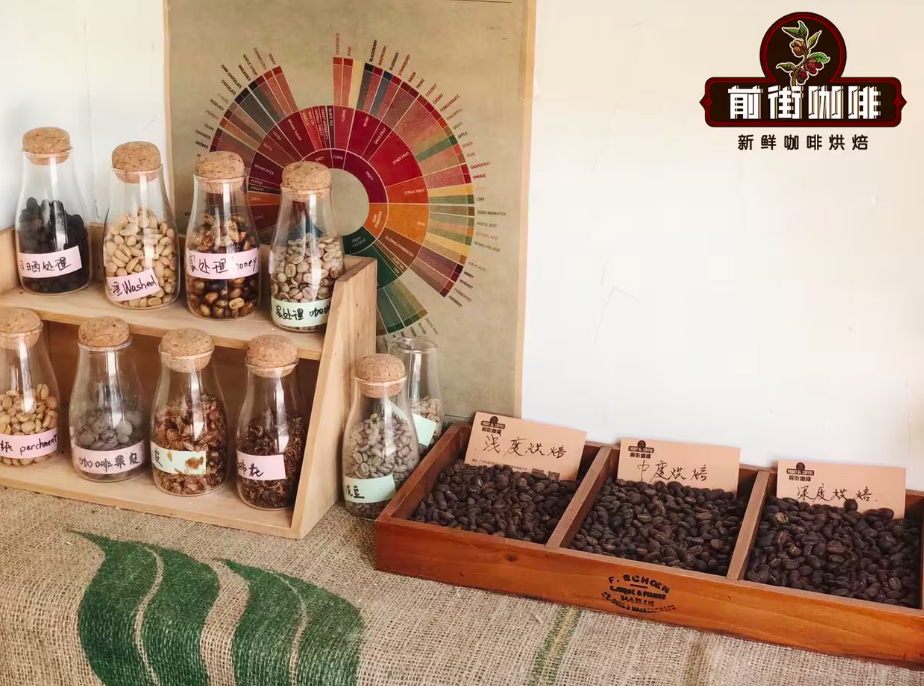
Hawaiian Kona coffee is divided into two main categories based on bean size and appearance: Type 1 and Type 2. Type 1 refers to standard coffee beans, i.e., the common two-seed (peaberry-free) varieties, and can be further subdivided into five grades: Extra Fancy, Fancy, Number One, Select, and Prime. Among these,Extra Fancy is the highest grade, featuring the largest bean size, the most uniform appearance, the lowest defect rate, and requiring strict hand sorting. It is rare and accordingly more expensive.Type 2 includes special forms such as Peaberry (round beans), which although less common, are considered by some enthusiasts to have a richer and more concentrated flavor.
Taking the Typica from Queen Farm as an example, this Kona coffee bean typically showcases distinct notes of walnut, nuts, and chocolate, paired with a soft creamy texture and subtle caramel sweetness. Its acidity is gentle, reminiscent of berries, and the overall mouthfeel is smooth with clear layers. It is well-suited for coffee lovers who prefer delicate and balanced flavors and is also a classic choice for pour over enthusiasts.
If you’d like to brew Kona coffee at home to bring out its optimal flavors, here are the professionally recommended parameters: use a KONO filter cone, control the water temperature at88-89°C[temperature value to be inserted], the coffee-to-water ratio is suggested to be1:15[ratio value to be inserted], and the grind size should be approximatelyas fine as granulated sugar (about 73% passing through a Chinese No. 20 sieve).Use a three-stage pouring method: begin with a 30-second bloom using twice the weight of coffee in water (for example, 30 grams of coffee with 30 grams of water), then pour in a small, circular motion until reaching 125 grams for the first pour. When the water level drops and is about to expose the coffee bed, continue pouring up to 225 grams to finish the extraction. The total brew time should be controlled at around2 minutes.These parameters help fully highlight the aromatic layers and rich body of Kona coffee.
In summary, although Hawaiian Kona coffee is grown at a relatively low elevation, its unique geographical environment, traditional washed processing, and rigorous grading system create its distinctive specialty flavor profile. Whether enjoyed daily or collected as a specialty item, Kona coffee is a classic bean variety worthy of deeper exploration and experience.
The above content is compiled by CoffeeHunters, a coffee news website.


