







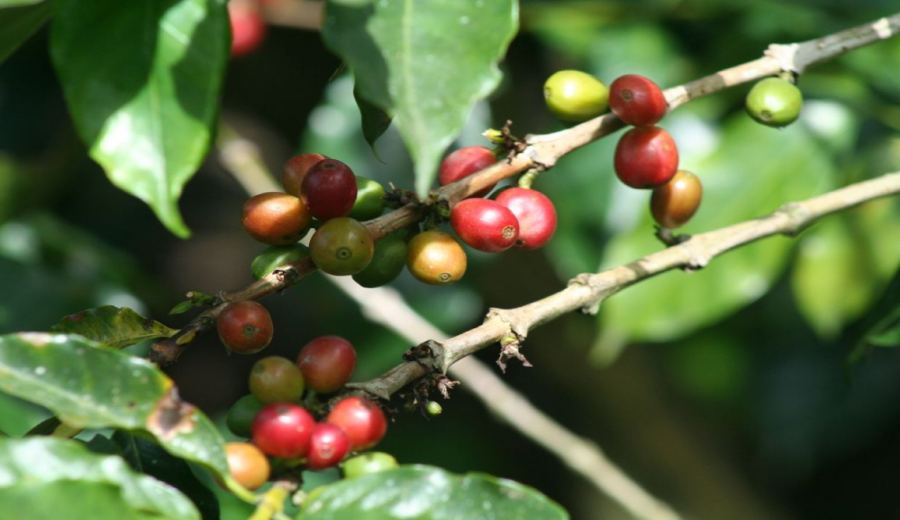
Introduction:Honey-processed coffee from Costa Rica has become a new favorite among specialty coffee enthusiasts in recent years, thanks to its distinctive sweetness and fruity aromas. This article delves into how Costa Rica has enhanced the value of its coffee through honey processing, and provides a detailed breakdown of the differences between Yellow Honey, Red Honey, Black Honey, and the innovative Raisin Honey process. You'll learn about the fermentation characteristics, drying conditions, and flavor profiles of each method, helping you choose the beans that best suit your taste.
Costa Rica began cultivating coffee as early as 1729, importing the crop from Cuba. Initially, it was primarily exported as commercial-grade beans to the United States, mostly used in blends or espresso, and was not positioned as specialty coffee. It wasn’t until the past decade, in an effort to boost export value and international competitiveness, that the local government established the “Coffee Trust Fund” to assist farms in transitioning and introduced honey processing techniques. By leveraging refined fermentation, the country crafted more distinctive flavor profiles, gradually elevating Costa Rican coffee to the specialty tier.
The key to honey processing lies in preserving the mucilage—the sticky, sugar-rich layer of the coffee fruit. During sun drying, this mucilage ferments and imparts sweetness and complex fruitiness to the coffee. Unlike traditional washed processing, honey processing does not immediately wash off the mucilage. Instead, the coffee seeds are dried with part of the mucilage still attached, which is why it’s called “honey processing.” This method also significantly reduces water consumption and equipment needs.
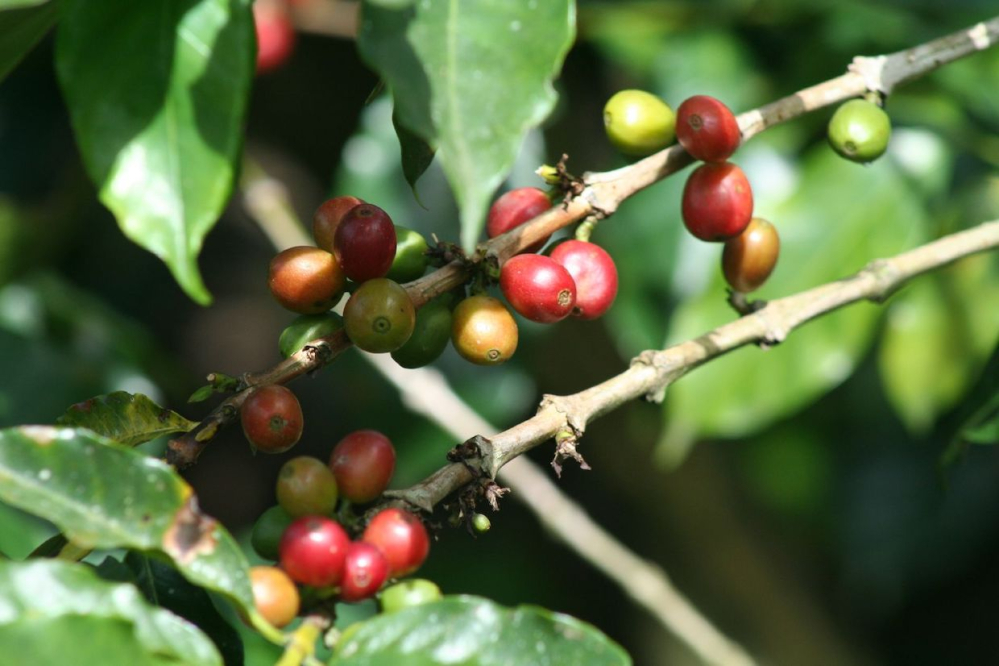
Depending on the amount of mucilage retained and the degree of fermentation, honey processing can be divided into four main types: White Honey, Yellow Honey, Red Honey, and Black Honey. Each method influences the final flavor direction. Generally, the more mucilage retained and the longer the fermentation time, the more pronounced the sweetness and body of the coffee—but this also places higher demands on drying conditions and technical control.
White honey processing is the closest to washed processing. It typically retains40% to 60% of the mucilage, undergoes a short fermentation period, and is frequently turned in open-air conditions to prevent mold or over-fermentation. The remaining mucilage is later washed off, resulting in a flavor profile that is clean, bright, and acidic—suitable for those who prefer lighter-tasting coffees.
Yellow honey processing also retains about60% of the mucilage, but has a slightly longer fermentation time than white honey. The entire drying process usually takes7 to 8 days. This type of honey processing begins to showcase more tropical fruit notes, with a good balance of sweetness and acidity, making it a popular entry point for those new to honey-processed coffee.
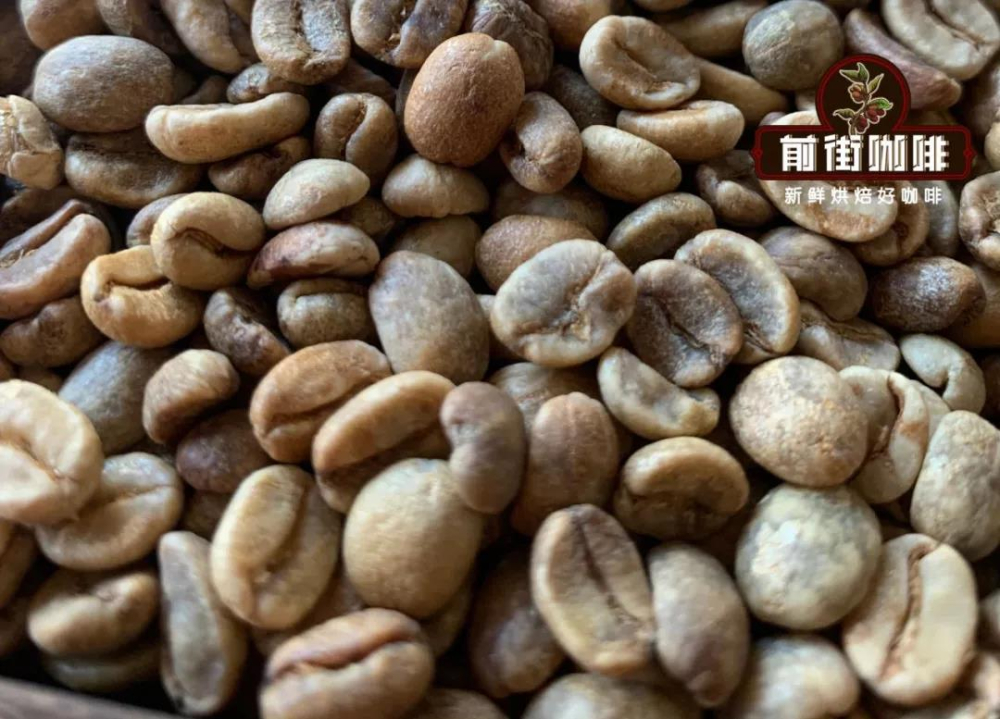
Red honey processing is considered the classic among honey processes. Its fermentation time extends totwo to three weeks, with a higher percentage of mucilage retained. It also requires close attention to how weather affects drying speed. During the drying phase, the beans need frequent turning to ensure even fermentation and to avoid localized overheating or souring. Red honey-processed coffee often carries distinct notes of red wine and berries, with a rich, layered mouthfeel.
Black honey processing is the most intense of the honey methods. It involves a fermentation time ofat least two weeksand retains almost all of the mucilage, making its flavor profile closest to natural (full sun-dried) processing. This technique demands extremely high environmental control, including constant monitoring of temperature, humidity, and turning frequency, along with greater risk and cost. However, black honey-processed coffee often delivers intense sweetness, high body, and even wine-like tannins and complex aftertastes—making it a favorite among flavor explorers.
This blackberry-flavored coffee bean is processed using the Costa Rican black honey method. With a medium-light roast, it reveals layers of orange blossom, berries, dried blueberries, and liqueur chocolate. Whether brewed via pour over, cold brew, or espresso, it showcases different profiles—especially appealing to those who enjoy a balance of fruity aroma and sweetness.
Beyond the traditional honey processing categories, Costa Rica has recently developed an innovative technique called “Raisin Honey Processing.” In this method, before removing the skin and pulp, the coffee cherries are first dried on raised beds forat least three daysuntil they dehydrate to a raisin-like state. Only then is the outer layer removed and honey processing applied. The defining features of this process are that itretains 100% of the mucilageandcompletely avoids washing, placing extremely high demands on timing and environmental control during drying, while yielding flavors that are richer and possess a uniquely crisp acidity.
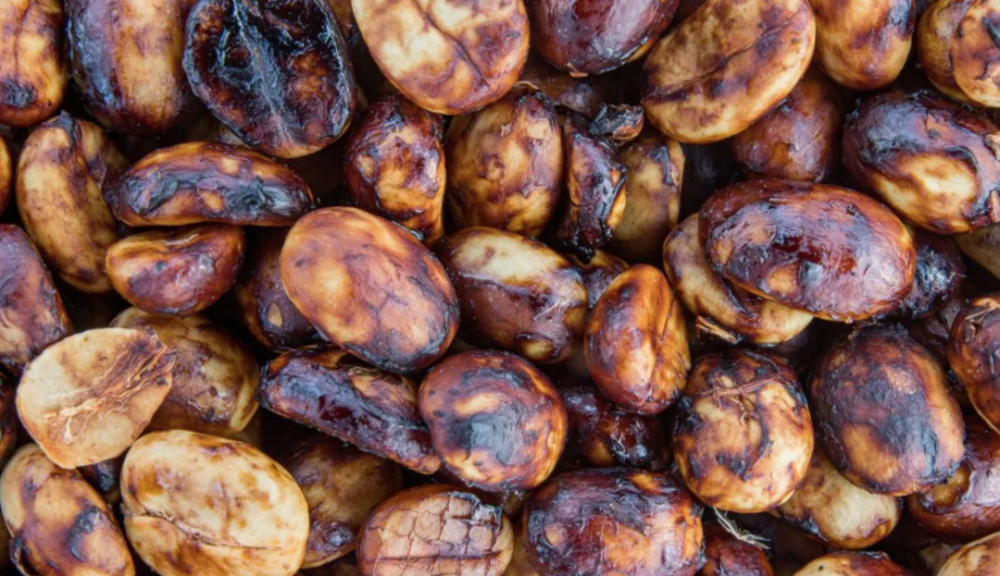
Coffee processed via the raisin honey method allows aromatic compounds from the fruit pulp to penetrate the seed under sunlight, resulting in a cup that not only preserves intense floral and fruity sweetness but also delivers a clear spectrum of sweet-and-sour notes. This Mozart & Strawberry Candy・Geisha blend is processed using this technique. With a medium-light roast, Mozart exhibits aromas of osmanthus, pineapple, raisins, and sweet orange, while the Strawberry Candy・Geisha blend offers captivating notes of rose, grape, blueberry, and almond—an unmissable choice for coffee lovers seeking a unique flavor experience.
The above content is compiled by CoffeeHunters, a coffee news website.


