







Introduction:This article delves into the washed coffee beans from Konga Cooperative in Yirgacheffe, Ethiopia. From regional background and altitude conditions to varietal characteristics, it offers a comprehensive understanding of this bright, high-acid specialty coffee with a refreshing profile. Practical pour over recommendations are also provided, including equipment choices, grind size, and extraction parameters, along with a flavor comparison to Panama Green Label Geisha to help you find the coffee experience that suits your taste.
As a classic entry point for global specialty coffee enthusiasts, Yirgacheffe is renowned for its distinctive bright fruit acidity and delicate floral notes. Konga Cooperative, located within this region, produces coffee beans with a clean flavor profile and clear layers through its washed processing method. This article will start with the structure of Ethiopian coffee regions, trace the evolution of Yirgacheffe’s grading system, and focus on the geographical environment and growing conditions of Konga Cooperative to take you behind the scenes of this highly popular washed bean.
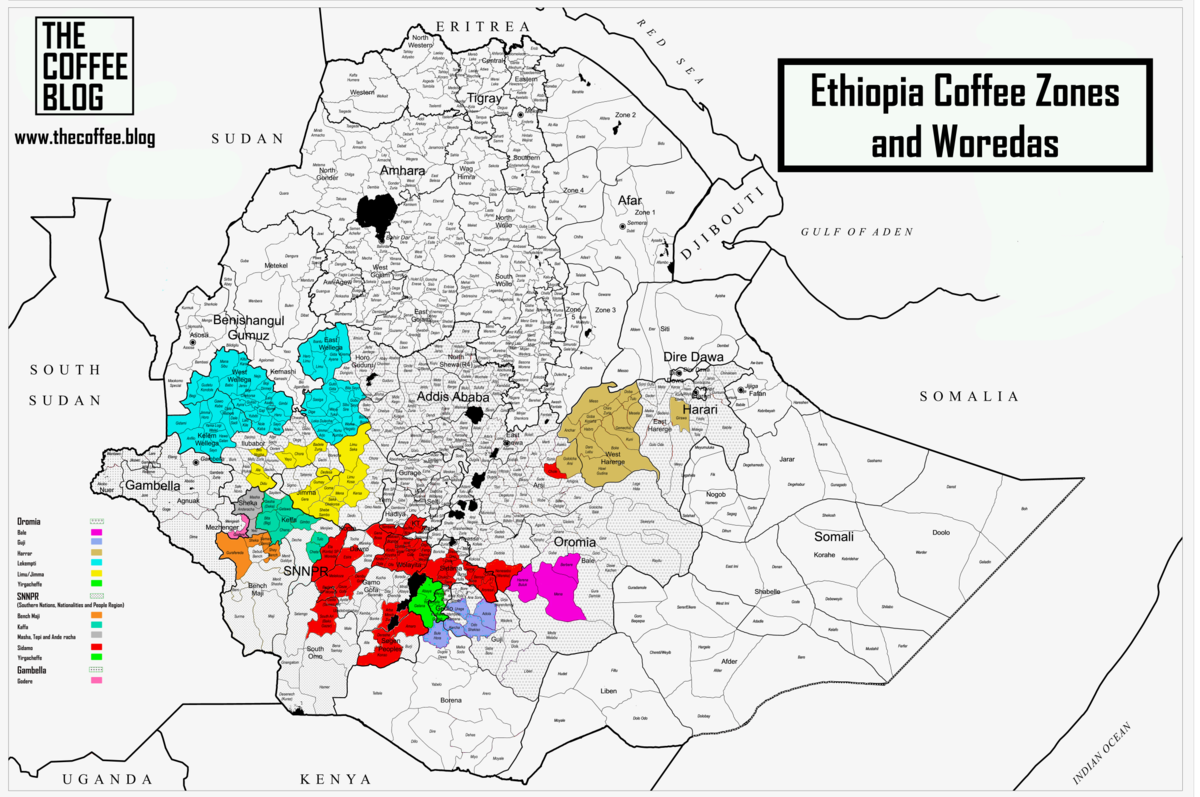
When it comes to Yirgacheffe, many people immediately think of its refreshing citrus tones and soft floral aromas, which also make it a top choice for many newcomers to the specialty coffee world. Originally a small town in Ethiopia’s Sidamo region, Yirgacheffe encompasses nearby micro-regions such as Wenago, Kochere, and Gelena Abaya. These areas share similar altitudes and microclimates, resulting in coffee with very comparable flavor profiles, collectively forming the broader flavor spectrum of Yirgacheffe.
Looking back at Ethiopia’s coffee grading and trading system, the 2009 launch of the Ethiopian Commodity Exchange (ECX) brought unified management to multiple regions including Yirgacheffe, incorporating newly designated sub-regions such as Wenago, Kochere, and Genlena Abaya. While this system streamlined market order, it also meant that some regions with unique characteristics had to maintain their flavor certification and premium pricing through cooperatives. The Yirgacheffe Coffee Farmers Cooperative Union (YCFCU) is one such representative. Established in 2002, it currently includes 28 member organizations and serves over 45,100 coffee farmers, operating independently of direct ECX oversight. This allows for more flexible quality control and market pricing mechanisms.
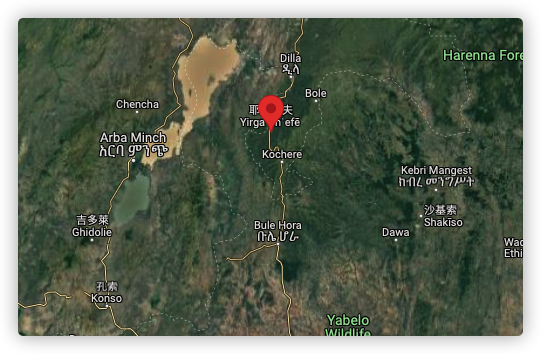
Yirgacheffe’s ability to produce uniquely flavored coffee is inseparable from its exceptional growing environment. The region lies within one of Ethiopia’s highest-altitude coffee belts, with an average elevation of about 2,000 meters. The cool climate and significant diurnal temperature variation extend the growth cycle of coffee cherries, aiding in the accumulation of flavor compounds. In addition, the area features a tropical highland climate with an average annual temperature of around 18°C, along with fertile red-brown soil that provides ideal growing conditions for coffee trees.
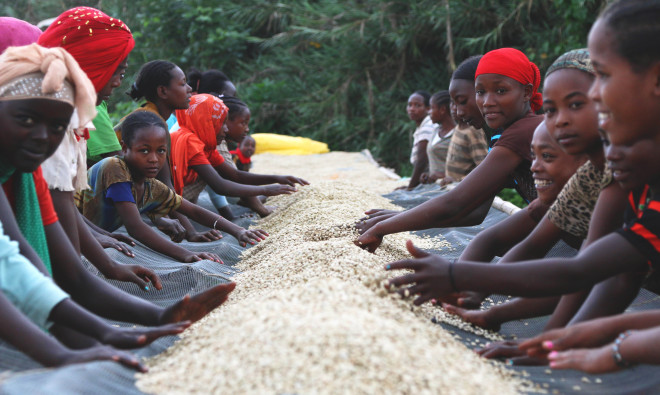
Among the many cooperatives under the Yirgacheffe umbrella, Konga Cooperative (Konga Coop) is a shining new star. Founded in 1994 and officially joining the YCFCU in 2002, the cooperative also functions as a washing station, specializing in the production of high-quality washed coffee. It currently has 1,556 smallholder farmers, with an average cultivation area of about 1.25 acres per farmer, making it a typical micro-region. Annual rainfall is stable between 1,400 and 1,800 millimeters, combined with a planting altitude of around 2,000 meters and soil conditions suitable for coffee growth, all contributing to the unique character of Konga coffee. The main planted varieties include traditional Typica and local landraces, supplemented by economic crops like bananas and corn, creating a diverse agricultural ecosystem.
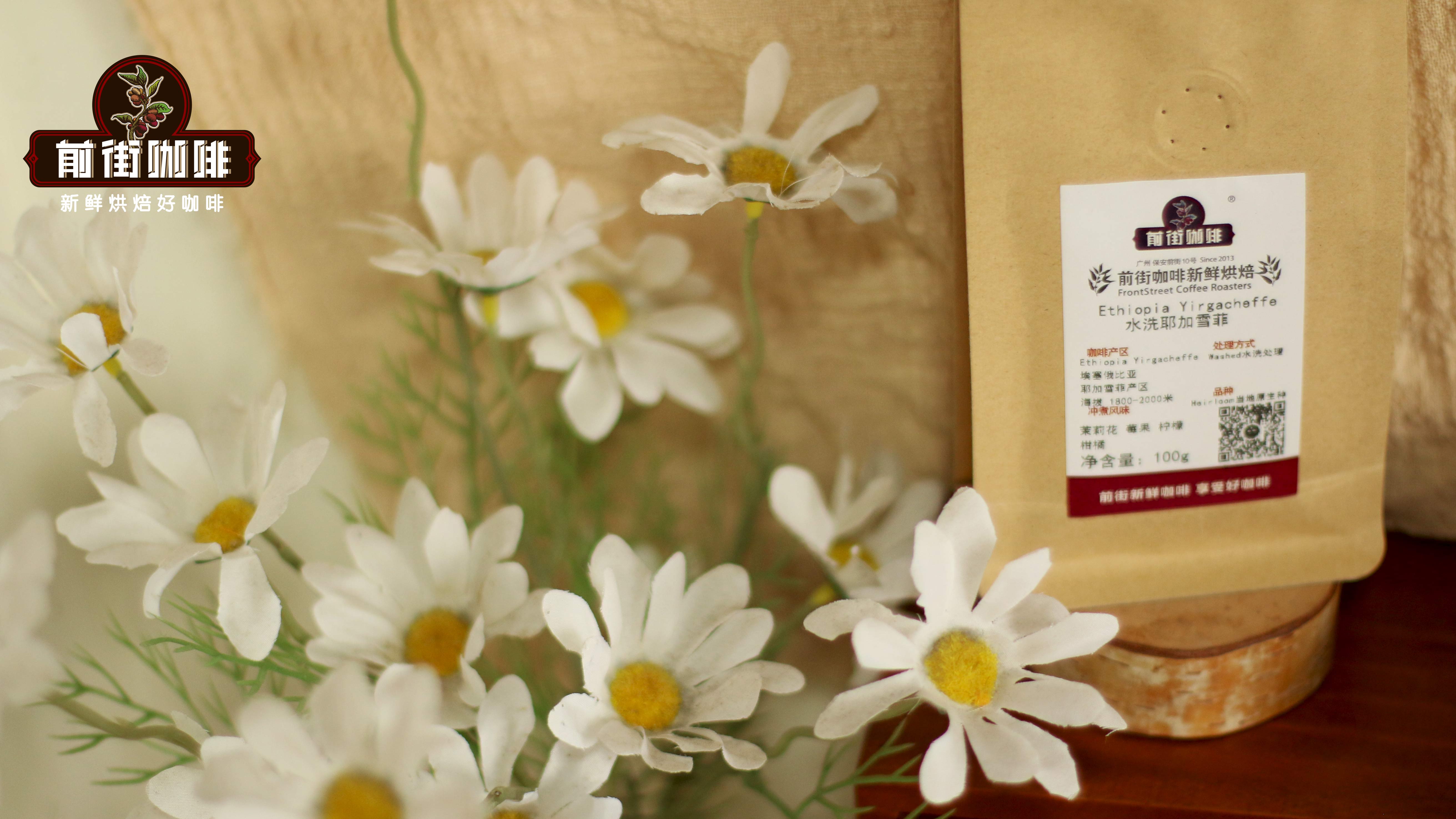
The washed coffee beans produced by Konga Cooperative are widely praised for their distinct berry sweetness, creamy smooth mouthfeel, and clean, refreshing acidity. When brewed at higher temperatures, the berry flavors are particularly prominent, with bright acidity that is not overly sharp, offering a lively drinking experience akin to fresh juice. As the temperature drops, the cup gradually reveals the subtle aftertaste of lemon tea, presenting an overall balanced and layered profile. This flavor profile has led many consumers to view it as an affordable alternative to Panama Green Label Geisha.
Speaking of Geisha, this coffee variety originating from Ethiopia but flourishing in Panama has become a top symbol of the specialty coffee world, thanks to its complex floral notes, tropical fruit tones, and rich tea-like body. Especially the Green Label Geisha from Hacienda La Esmeralda, processed using the natural method, showcases extreme fruitiness and a full-bodied mouthfeel, though at a relatively high price. However, for coffee enthusiasts seeking a high cost-performance flavor experience, Konga washed beans undoubtedly offer another flavor option.
Below are the actual pour over test parameters and procedures, using the V60 dripper to compare two coffees: water temperature set at 91°C, coffee-to-water ratio 1:15, 15 grams of coffee, grind size passing 80% through a Chinese No. 20 standard sieve. First, a 30-second bloom is performed with 30 grams of water, followed by pouring in a small circular motion until reaching 125 grams for the first pour. When the water level is about to expose the coffee bed, continue pouring to 225 grams before stopping. Remove the dripper once the water level drops again and is about to expose the coffee bed. Total extraction time is approximately 2 minutes.
Under the same conditions, Panama Green Label Geisha exhibits bright acidity dominated by citrus and lemon, releasing passion fruit and berry aromas as it cools, with a pronounced tea-like finish. The overall flavor is delicate and layered. In contrast, Konga washed beans focus on berry sweetness as the main theme, with soft and clean acidity upon entry, and an impressively creamy smooth mouthfeel. As the temperature lowers, it emits a refreshing aftertaste reminiscent of lemon tea, making it suitable for coffee lovers who prefer a refreshing style.
For pour over of washed Yirgacheffe Konga beans, it is recommended to use the V60 dripper to highlight its bright acidity and clear floral-fruit notes. If you prefer a rounder mouthfeel, you can also try switching to the KONO or a flat-bottom dripper, adjusting the grind size to slightly coarser and lowering the water temperature to 90°C to slow down the extraction rate, further emphasizing its creamy texture and rich finish. Regardless of the equipment chosen, stable water temperature control and even pouring technique are key to extracting captivating flavors.
The above content is compiled by CoffeeHunters, a coffee news website.


