







Introduction:Want to learn how to perfectly showcase the unique floral and fruity aromas of Yirgacheffe Wodoka using pour over? This article starts with the geography and processing characteristics of Ethiopia’s Yirgacheffe region, delves into the differences between natural and washed processing methods, and explains the impact of high altitude on flavor. It also provides professional pour over recommendations, including filter choice, water temperature, grind size, brew ratio, and details of the three-stage pouring technique — helping you consistently extract a specialty coffee with bright acidity and vibrant floral-fruity notes.
Yirgacheffe, a renowned micro-region located in southern Ethiopia, is a flavor mecca for coffee lovers around the world. The beans produced here are celebrated for their pronounced citrus acidity, delicate floral notes, and layered fruitiness — with natural-processed batches showcasing its most distinctive terroir. Taking the “Natural Yirgacheffe Wodoka” as an example, this article will guide you from regional background and processing differences to practical pour over parameters, so you can fully master the brewing essentials of this classic bean.
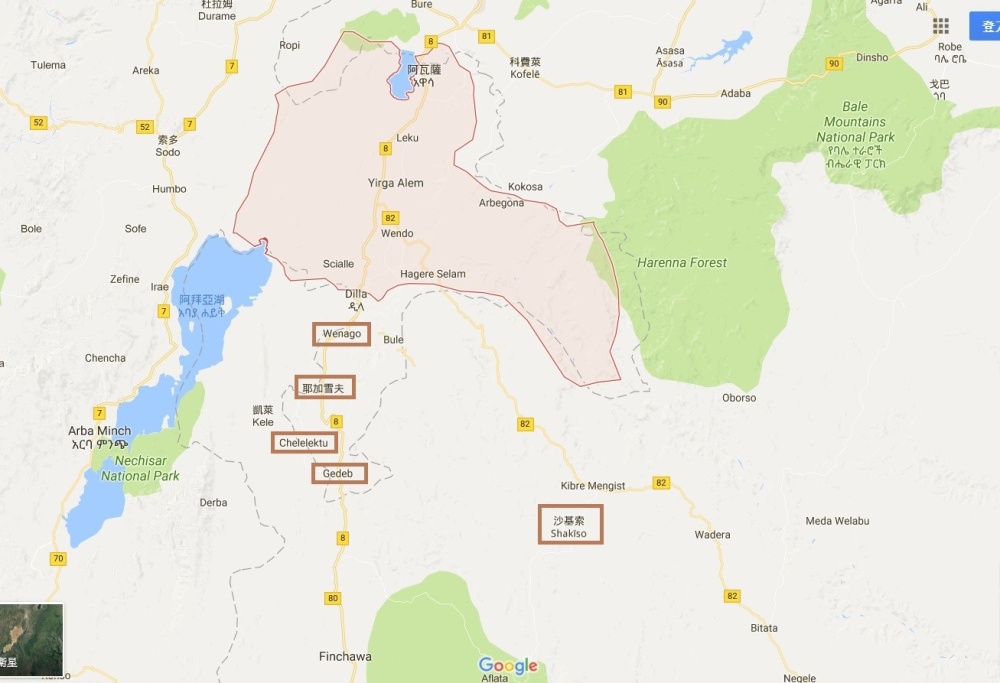
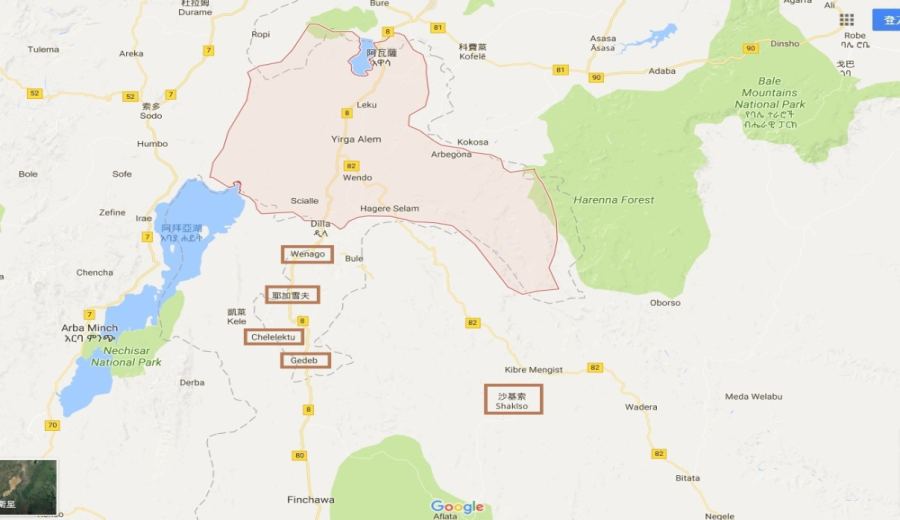
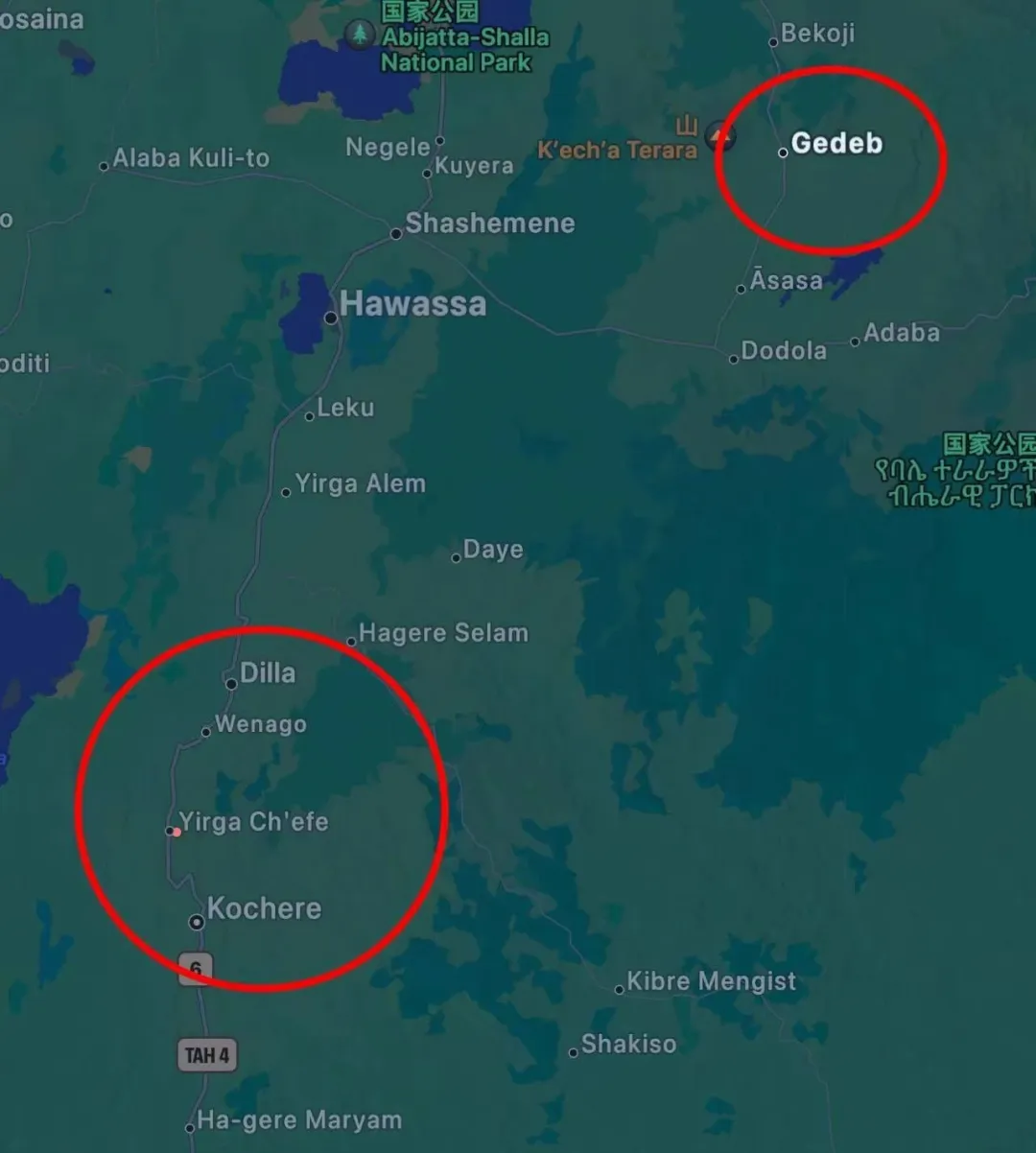
Although Yirgacheffe is just a small town with a population of about 20,000, surrounding areas such as Wenago, Kochere, and Gelena Abaya are also included under the broader "Yirgacheffe" classification due to their remarkably similar flavor profiles. The reason these regions’ coffees stand out in the international market lies not only in their exceptional geographical conditions but also in the local production model, which is dominated by smallholder farmers organized through cooperatives. With over 100,000 people relying on the coffee industry for their livelihoods, the region enjoys both stable quality and relatively well-developed infrastructure and education resources.
In terms of processing, Yirgacheffe mostly employs the washed method. This approach relies on large amounts of clean water and specialized equipment to effectively reduce the percentage of defective beans and highlight the coffee’s cleanliness and bright acidity. The washed process typically includes flotation, pulp removal, fermentation to eliminate mucilage, multiple washes, and finally drying and hulling. Compared to natural processing, the washed method requires more resources but can stably produce clear flavors with molasses and citrus notes — a common technique in many high-quality producing regions across Central and South America as well as Africa.
However, the star of this introduction — Natural Yirgacheffe Wodoka — uses the natural processing method, where coffee cherries are dried with the fruit still intact. This allows the sugars and flavor compounds within the pulp to penetrate more deeply into the seed (i.e., the coffee bean). This technique imparts a richer sweetness, fuller body, and complex notes of dried fruit and flowers. This particular batch is classified as top-grade G1, boasting bright aromas of lemon and jasmine, along with delicate flavors of cantaloupe, citrus, ginger, and spiced tea — making it an exceptionally expressive specialty coffee.
So, why does Yirgacheffe consistently deliver such outstanding flavor performance? One key factor is its high-altitude growing environment. As one of Ethiopia’s highest-altitude coffee-growing regions, Yirgacheffe’s elevation helps extend the maturation period of the coffee cherries, allowing the beans to accumulate more flavor compounds. Coupled with an average annual temperature of around 18°C and notable day-night temperature variation, this further enhances flavor concentration and complexity. This is also why many coffee experts consider "altitude" an important indicator when evaluating a coffee’s potential.
If you’d like to brew this Natural Yirgacheffe Wodoka at home and bring out its unique flavors, here are professionally tested and recommended parameters and steps — suitable for use with standard home brewing equipment:
Coffee Beans:Natural Yirgacheffe Wodoka (G1 grade)
Filter:Ceramic cake dripper (or V60 is also fine)
Water Temperature:92°C (It is recommended to use a thermometer to confirm — avoid too high or too low)
Coffee Dose:15 grams
Brew Ratio:1:16 (Total brew water around 240 grams)
Grind Size:EK43s setting 10, or approximately 80% extraction through a #20 sieve (medium-fine grind, similar to the texture of white sugar)
Three-Stage Pouring Steps:
1. Place 15 grams of coffee grounds into the dripper and gently tap to level. For the first stage, pour 30 grams of hot water to bloom, for about 30 seconds, and start timing. Use a slow, thin stream of water, circling from the center outward in small circles, ensuring all coffee grounds absorb water evenly.
2. After the bloom, move to the second extraction stage. Use a steady and straight fine stream to pour 120 grams of hot water, aiming to finish around 1 minute and 5 seconds, reaching a total of 150 grams of water. You may slightly expand the circle to help the coffee bed expand and degas, releasing more aroma.
3. When the liquid level drops to about half, begin the third pour, adding the final 90 grams of hot water. At this stage, use an even finer stream and focus on a smaller circle to avoid over-agitation and over-extraction. Aim to complete all pouring between 2 minutes 10 seconds and 2 minutes 20 seconds, with total brew time ideally controlled between 2 minutes 20 seconds and 2 minutes 30 seconds. Wait until all the coffee has dripped through before removing the dripper.
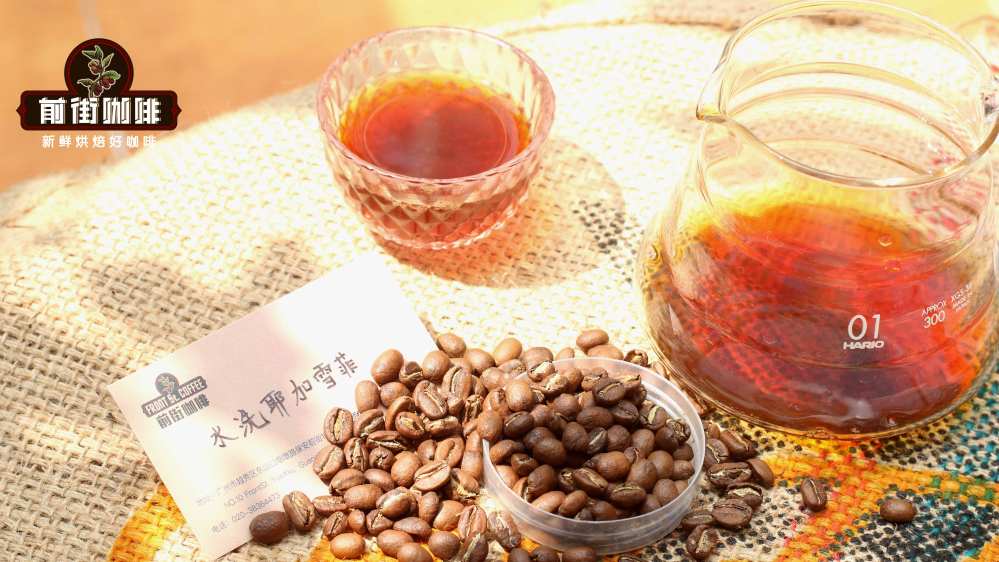
By following the above parameters and steps, you will be able to fully bring out the unique charm of this Natural Yirgacheffe: initially offering bright white floral and citrus notes, followed by layers of nectarine, grapefruit peel, and pear tea on the palate, and a finish that leaves a clean sweetness and long-lasting aftertaste. The overall profile resembles a delicate herbal tea, leaving a memorable impression. As long as you control the water temperature, grind size, and pouring rhythm well, you can easily recreate this classic Ethiopian highland flavor at home.
The above content is compiled by CoffeeHunters, a coffee news website.


