







Introduction:The Geisha coffee from Panama's La Esmeralda Estate is world-renowned for its distinctive floral and fruity aromas, but the price and flavor differences among the Red Label, Green Label, and Blue Label often confuse consumers. This article delves into the production regions, altitude, processing methods, and cupping flavor profiles of these three grades of Geisha, and provides professional pour over recommendations and parameters to help you choose the right Geisha option and master the best brewing methods.
Geisha coffee, with its delicate floral notes and bright acidity, has become a star variety in the specialty coffee world, and Panama La Esmeralda Estate has taken it to new heights in the market. However, although all are labeled as Geisha, the prices of the Red Label, Green Label, and Blue Label can differ by several times, which is actually closely related to microclimate, processing methods, and cupping scores.
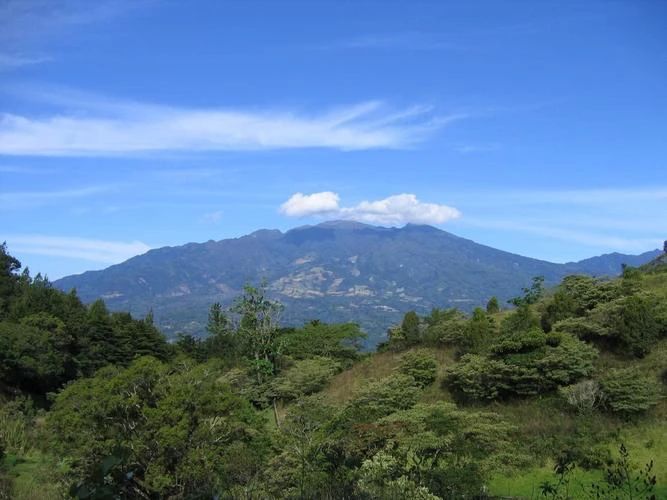
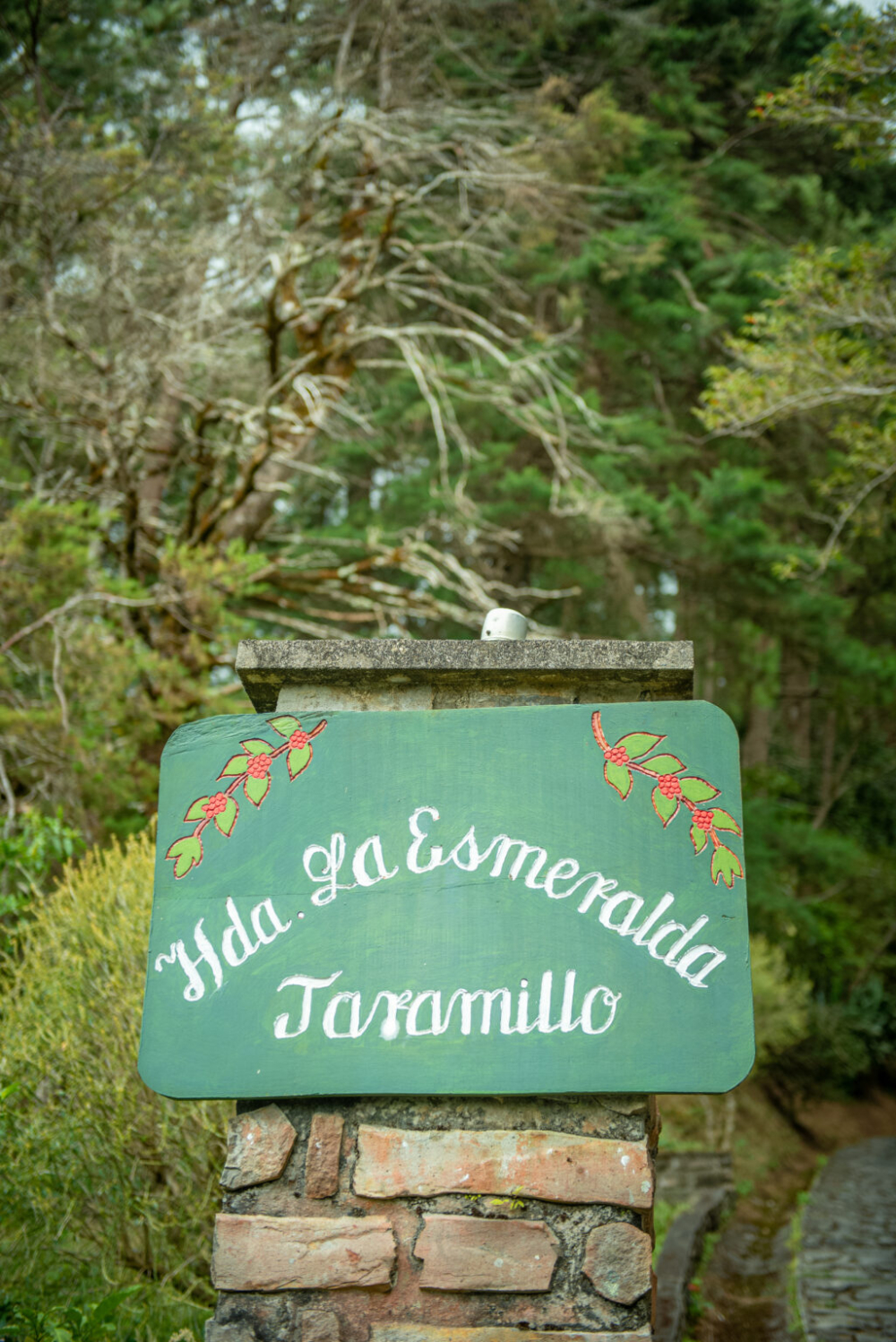
Located in the Boquete region of Panama, La Esmeralda Estate is known for its rigorous block management and auction system. Its Geisha plantations are mainly divided into three core plots: Jaramillo, Cañas Verdes, and El Velo, each with unique terroir conditions and altitudes. These factors not only influence the quality of green beans but also directly determine the final market grading and pricing positioning.
The Red Label Geisha from La Esmeralda Estate belongs to the top-tier auction lots, selected from planting areas between 1600 and 1800 meters in altitude, and must pass strict cupping screenings, typically scoring above 90 points. These beans are produced only in specific small blocks and are primarily sun-dried to enhance sweetness and complexity. Their flavor profile often features citrus, rose tea, honey, and multiple layers of fruit, with bright acidity on the palate and a sweet, tea-like aftertaste.
The Green Label Geisha, also known as the Private Collection series, although not participating in independent auctions, is still selected from micro-lots of the three core plots with similar altitudes. This bean is usually sun-dried and also showcases the classic Geisha flavors of citrus, melon, berries, and jasmine, but with a more balanced overall profile. It offers great value for money and is suitable for coffee enthusiasts who want to experience high-quality Geisha within a limited budget.
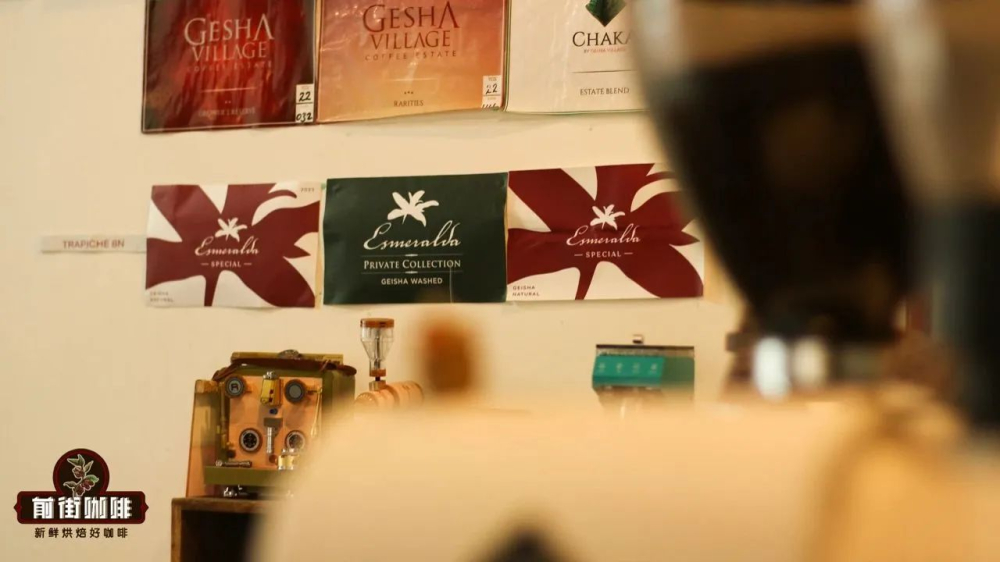
The Blue Label Geisha, also known as the Geisha 1500 series, uses a blend of lots from altitudes between 1400 and 1500 meters, covering the three major plots of Jaramillo, Cañas Verdes, and El Velo. This bean is mostly washed, resulting in a relatively mild flavor, often presenting notes of lemon, oolong tea, cane sugar, and peach. The acidity is less pronounced, but the overall taste is clean and refreshing, making it suitable for beginners to experience the basic flavor profile of Geisha.
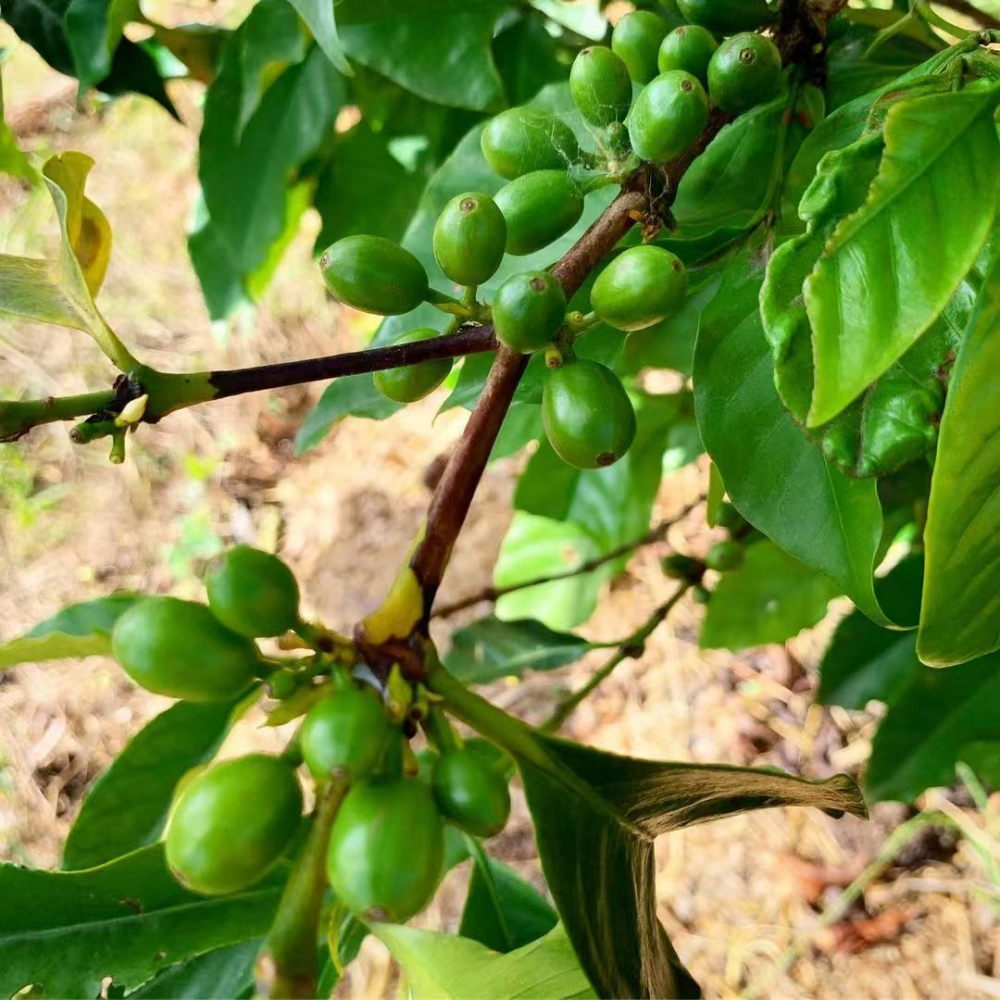
The block division at La Esmeralda Estate is extremely detailed. For example, the Jaramillo plot averages 1700 meters in altitude, with steep slopes and large diurnal temperature variations, contributing to the rich floral and fruity aromas of Geisha; Cañas Verdes, with its volcanic soil and high-altitude distribution, offers even more complex aroma layers; while the El Velo plot is a newer development area with slightly different growing conditions and is also considered a future potential zone.
In terms of processing methods, the Red Label and Green Label mostly use sun-drying to enhance sweetness and fruitiness; the Blue Label primarily employs washed processing, resulting in a fresher profile. When selecting, consumers can refer not only to the label color but also pay attention to the processing method and altitude information to further predict the flavor characteristics.
For these three Geisha options, it is recommended to use medium-fine grinding (approximately 80% through a #20 sieve), a brew ratio of 1:16, and water temperature controlled between 91–93°C. Using a V60 filter, for example, a staged extraction is suggested: start with a 30-second bloom using 30 grams of water, then pour in stages up to 125 grams and 225 grams, maintaining a total extraction time of around 2 minutes. This helps fully showcase the delicate flavors and layered aromas of Geisha.
In summary, the Red Label Geisha is characterized by auction-grade quality and complex flavors, making it ideal for coffee aficionados; the Green Label strikes a balance between quality and price, serving as the ideal choice for most people; the Blue Label offers the basic flavors of Geisha at an accessible price, suitable for beginners exploring the variety. Regardless of which grade you choose, understanding its production background, processing method, and brewing parameters will allow you to more fully appreciate the unique charm of this legendary coffee.
The above content is compiled by CoffeeHunters, a coffee news website.


