







Introduction:Jamaican Blue Mountain coffee is hailed as the "King of Coffee." Where does its rarity and exceptional flavor come from? This article delves into the history, geographical environment, strict grading system, washed processing method, and renowned producing regions of Blue Mountain coffee. It also provides practical pour-over brewing tips and precise flavor descriptions. More importantly, it teaches you how to easily distinguish authentic Blue Mountain No. 1 from common blends on the market by evaluating appearance, bean feel when ground, aroma, and taste—helping you avoid purchasing misconceptions and truly savor the allure of genuine Blue Mountain coffee.
Blue Mountain Coffee has long been known as the "King of Coffee," but many people may only know it by reputation. What makes Blue Mountain coffee so special? How did it make its way from the highlands of Jamaica into the cups of coffee lovers around the world? This article will take you through a comprehensive understanding of this world-class coffee, covering its planting history, geographical conditions, grading system, processing methods, as well as authentication tips and pour-over brewing advice.
The cultivation history of Blue Mountain coffee dates back to the early 18th century. In 1717, King Louis XV of France ordered the trial cultivation of coffee in Jamaica. By the mid-1720s, then Governor of Jamaica, Sir Nicholas Lawes, introduced Arabica seeds from Martinique and promoted their cultivation in the Saint Andrew area, which remains one of the three major Blue Mountain producing regions to this day. The other two are Portland and Saint Thomas. Within just eight years, Jamaica was exporting over 375 tons of pure coffee, showcasing its potential. The peak production year for Blue Mountain coffee was 1932, with annual yields exceeding 15,000 tons.
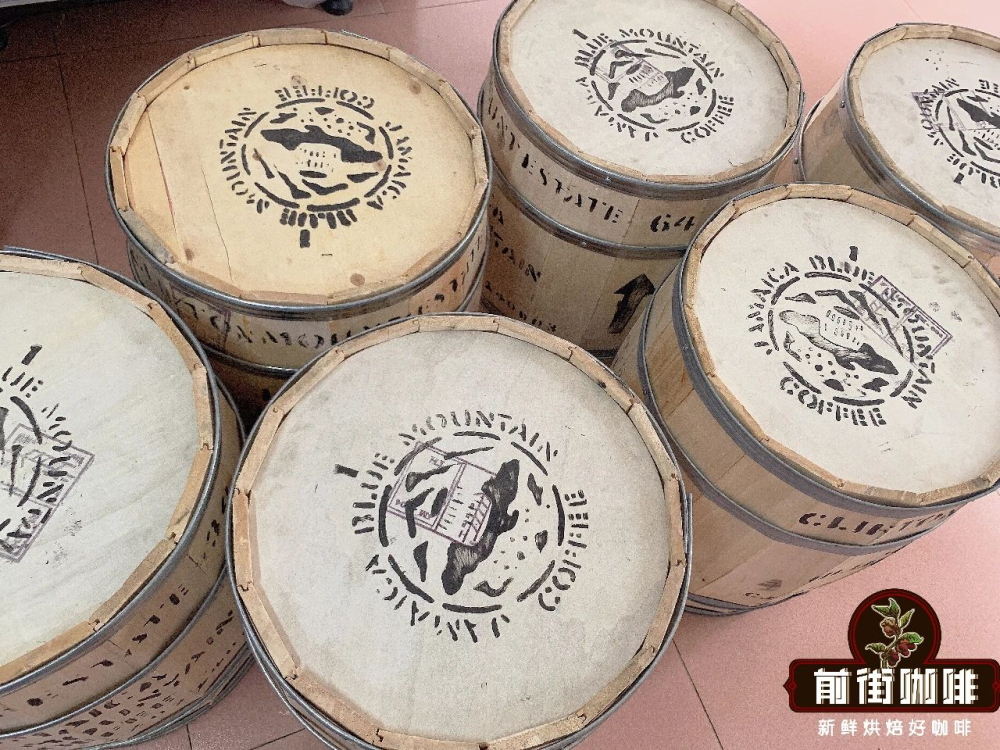
To ensure quality, the Jamaican government established the "Jamaica Coffee Industry Board" in 1950, responsible for setting standards, overseeing production, and issuing official certification for exported beans. It is one of the very few countries with a national-level coffee quality control system. Today, there are six official certification marks for Blue Mountain coffee, including MBCE, MHCCT, PXXSH, etc. Only coffee that has passed the rigorous review of the Coffee Industry Board (C.I.B) of Jamaica is legally permitted to use the "Blue Mountain" designation. Notably, even with the traditional use of wooden barrels, only coffee that meets the highest standards is qualified to bear the name Blue Mountain.
The exceptional flavor of Jamaican Blue Mountain coffee is inseparable from its unique geographical environment. Blue Mountain is located in the northeastern part of the main island of Jamaica and is the highest mountain range in the Western Caribbean, with its main peak reaching an elevation of 2,256 meters. The producing region lies within the golden coffee belt at 25 degrees north latitude, featuring fertile, newly formed volcanic soil. Coupled with year-round humidity and rainfall, high humidity, significant diurnal temperature variation, and frequent cloud cover that filters excessive sunlight, these factors together create the delicate and balanced flavor profile of Blue Mountain coffee. The harvest season is concentrated between June and November each year, with the entire process relying on skilled female workers who handpick only perfectly ripe coffee cherries to ensure the quality of the green beans.
Blue Mountain coffee is categorized into three classes based on altitude and quality: Blue Mountain Coffee, Jamaica High Mountain Supreme, and Jamaica Prime Coffee. Among them, Blue Mountain Coffee is further divided into No. 1 and No. 2, while Jamaica High Mountain Supreme includes No. 1 and No. 2. The most basic grade is Jamaica Prime Coffee. The standards for Blue Mountain No. 1 include a bean size of 17 mesh or larger, a defect rate below 3%, and a moisture content of about 13%. Authentic Blue Mountain coffee is grown at elevations ranging from 457 to 1,524 meters, while beans grown at 274 to 457 meters are classified as high mountain or Jamaica coffee, with noticeable price differences. Many coffees on the market that claim to be "Blue Mountain" actually do not come from this small core producing area of just 6,000 hectares.
In terms of processing, Jamaican Blue Mountain coffee adheres to the traditional washed method. Farms must set up washing channels and introduce flowing water to first remove the pulp and flesh. This is followed by 12 to 18 hours of fermentation, then washing with water and friction against the beans until the surface is smooth. After washing, the coffee beans are still covered by the parchment layer and have a high moisture content of up to 50%. They need to be sun-dried over a long period until the moisture drops to 12–14%, then undergo sorting and proper storage. Each step affects the final flavor profile.
The main producing regions of Blue Mountain coffee are concentrated around five peaks: John Crow, St. John's Peak, Mossman's Peak, High Peak, and Blue Mountain Peak. One particular estate is located in the heart of Blue Mountain, at an altitude of approximately 1,524 meters. Since 1790, it has been cultivating Blue Mountain coffee, producing a uniquely rich and mellow flavor thanks to the cold, foggy environment. It is also currently the only estate directly managed by the government, with extremely strict quality control. Another producing region is known for its mild and mellow taste, often described as having an aroma similar to high-mountain Dong Ding oolong tea. There is also a brand that combines products from three highland estates, processed uniformly through a specific washing facility. Meanwhile, a certain brand uses beans from Clifton Mount Estate, one of the oldest producing areas in the Blue Mountain region, with coffee cultivation dating back to around 1750. It holds tropical rainforest certification, sits at an altitude exceeding 1,300 meters, and benefits from climate and soil conditions that are extremely suitable for coffee growth.
For pour-over enthusiasts, here are brewing recommendations for Blue Mountain coffee: You can use V60, KONO, or Kalita wave drippers. Taking the KONO dripper as an example, it is recommended to use 15 grams of coffee, a water temperature of around 87°C, a medium-coarse grind (75% passing through a 20-mesh sieve), a coffee-to-water ratio of approximately 1:15, and a total brewing time of around 2 minutes. A three-stage pouring method is suggested: start with a 30-gram bloom for 30 seconds; pour up to 120 grams and pause, maintaining a slow circular pour; then continue pouring up to 225 grams, slightly increasing the pour speed to avoid clogging and over-extraction. This method fully highlights the clean, full-bodied, and layered characteristics of Blue Mountain coffee. The flavor often features a gentle chocolatey sweetness, fruity aftertaste, and an excellent balance of acidity and bitterness, with a rich and smooth mouthfeel.
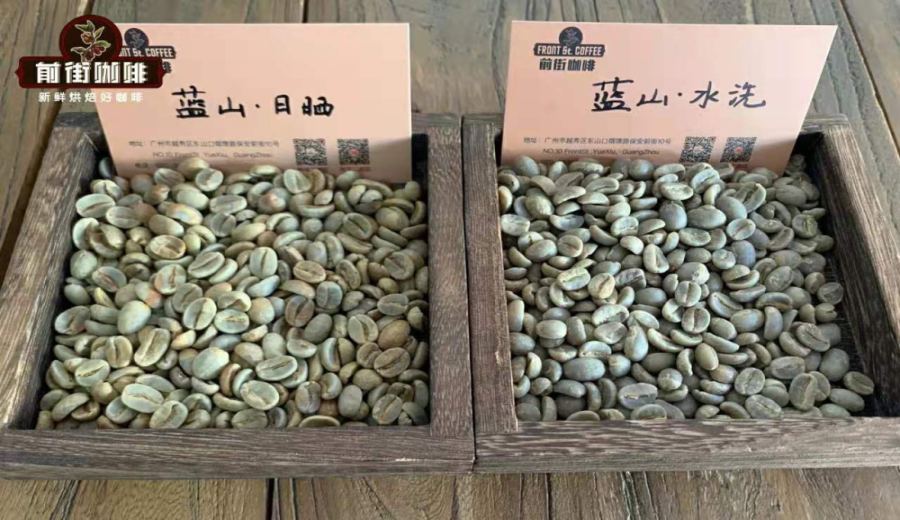
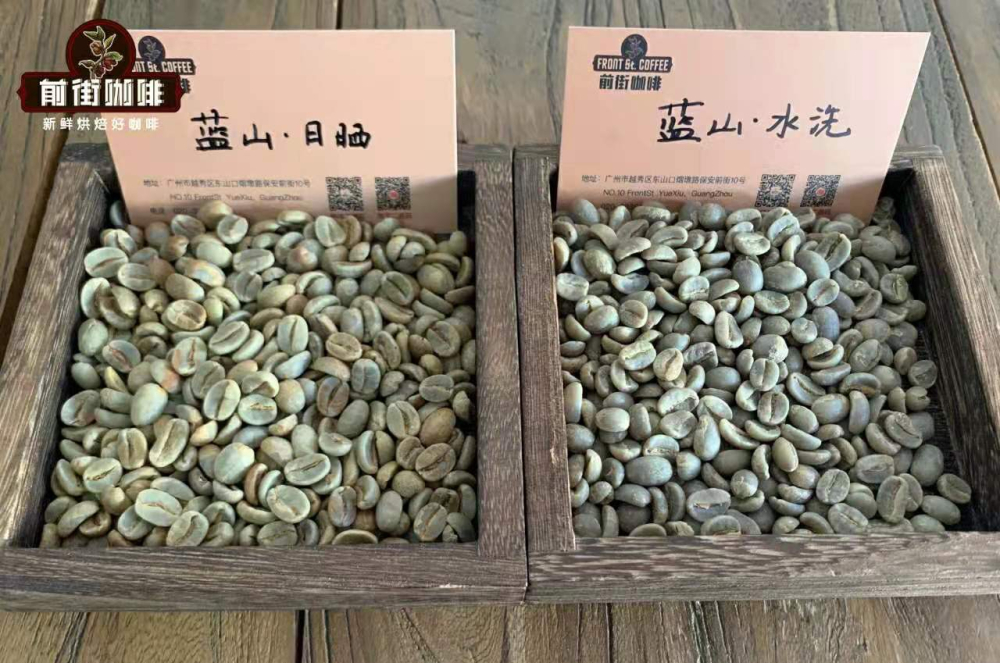
Finally, how can you identify genuine Blue Mountain No. 1? First, look at the shape: authentic green beans are bluish-green, medium to small in size, with slightly upturned ends, and the roasted beans appear noticeably plump and swollen. When grinding, due to high-altitude growth, the cell structure is loose, and the hand-grinding feel should be crisp and smooth, without any resistance. In terms of aroma, authentic Blue Mountain coffee boasts a rich and multi-dimensional fragrance—an aromatic complexity that most blends struggle to achieve. Most importantly, the taste: true Blue Mountain coffee offers a balanced, full-bodied flavor, with acidity, bitterness, and sweetness harmoniously blended—no single note dominates or is missing. Additionally, price is another key reference: genuine Blue Mountain No. 1 is quite expensive. If you encounter overly cheap "premium Blue Mountain" or "Blue Mountain-flavored blends," they are likely commercial beans imitating the flavor and should not be taken lightly.
The above content is compiled by CoffeeHunters, a coffee news website.


