







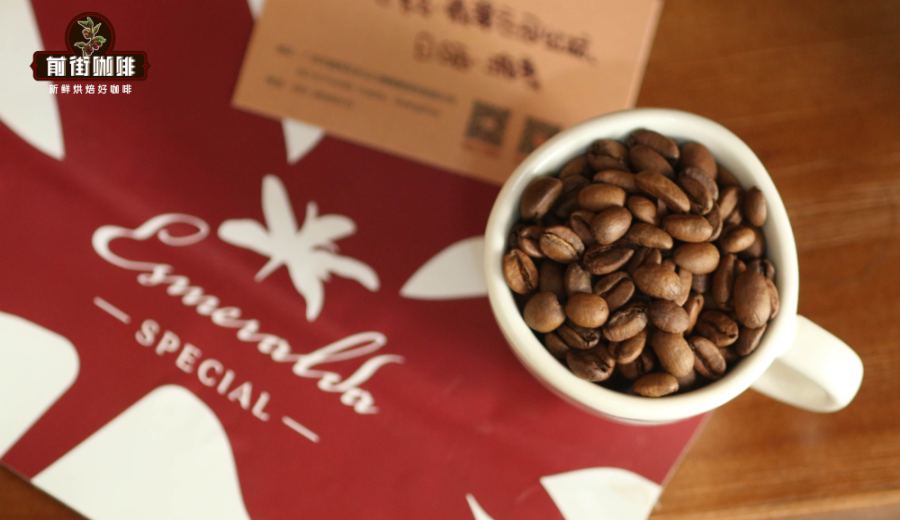
Introduction:The yeast anaerobic fermentation batch of Panama Geisha Red Label from Hacienda Esmeralda in 2018 was sold at a high price of $340 per pound, shocking the specialty coffee industry. This article delves into the regional background of this auction-grade Geisha, the unique yeast fermentation process, green bean characteristics, and provides expert roasting and pour over parameters to help you fully understand the distinctive charm of this top-tier coffee.
In the world of specialty coffee, the Red Label Geisha from Panama’s Hacienda Esmeralda has always been a focal point of market attention. In 2018, the estate released an auction batch that utilized a rare yeast anaerobic fermentation processing method, which ultimately sold for an astonishing $340 per pound at auction, setting a record for that year. This article will take you on a journey to explore the regional characteristics of Hacienda Esmeralda, the discovery history of the Geisha variety, the technical details of the yeast processing method, as well as the green bean features and optimal brewing methods of this Red Label Geisha.
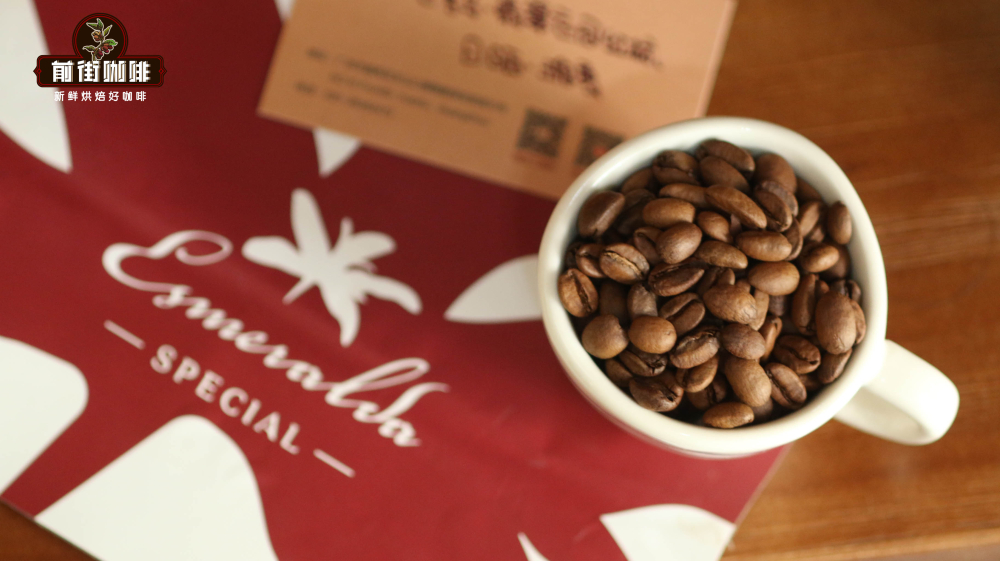
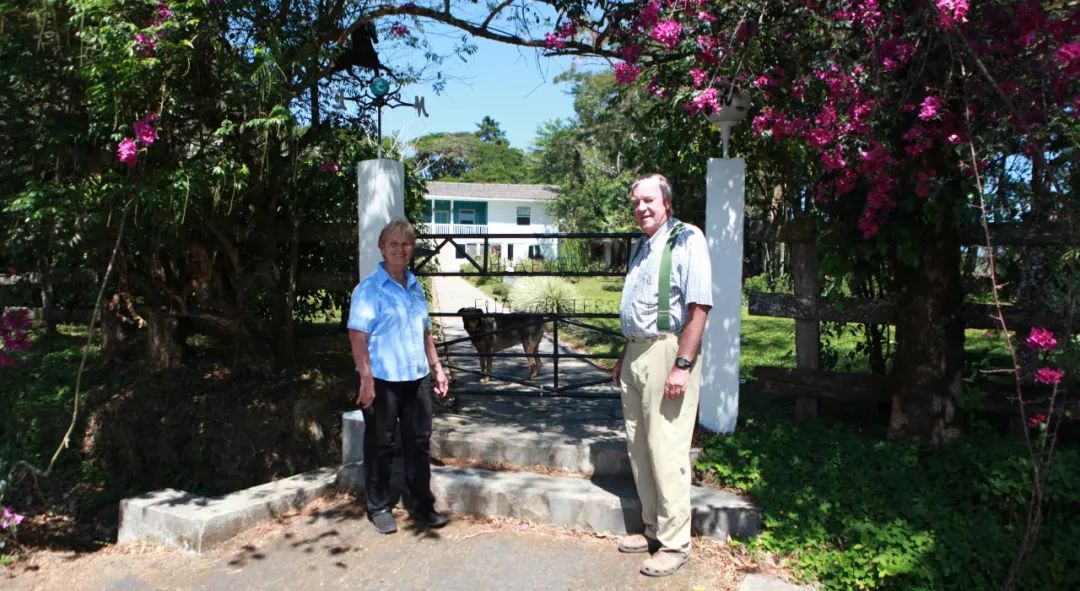
Hacienda Esmeralda is located in the Canas district of the Bouquete region in Panama, at an altitude exceeding 1800 meters. The Red Label Geisha produced here belongs to the auction-grade batch, with planting altitudes ranging between 1600-1800 meters, and cupping scores generally above 90 points. This grade of Geisha beans can only be obtained through the annual global auction, and is renowned for its bright floral aromas and citrus notes.
The Bouquete region has long been a retirement haven for high-end European and American immigrants, with the education level of local residents ranking among the highest in the country's coffee-growing areas. The cool and pleasant climate, along with fertile volcanic soil, provides an ideal growing environment for the Geisha variety. It is worth noting that the Geisha variety was originally introduced in 1963 by Italian agricultural expert Don Pachi, but it wasn’t until 2002 that Daniel Peterson of Hacienda Esmeralda discovered its unique potential.

Within the 2018 auction batch, the yeast treatment group (ES-Y) included four lots, comprising a total of nine boxes of beans. The champion lot, Lot ES-Y-1, employed a special yeast fermentation technique: fully ripe coffee cherries harvested on January 31, 2018, were screened and soaked in clean water with specific yeast added for 48 hours of fermentation, followed by a washed process, and finally sun-dried on raised beds for four days. The average fermentation temperature ranged between 16-23°C during the day and 10-15°C at night.
The most notable feature of this yeast processing method is its ability to enhance the overall performance of the coffee. According to estate manager Rachel Peterson, this processing approach was designed to explore the impact of yeast inoculation on the flavor profile of Geisha. Cupping results showed that this method could elevate the complexity, body, and acidity balance of the aroma, delivering a layered complexity reminiscent of red wine, in stark contrast to traditional natural sun-dried processing.
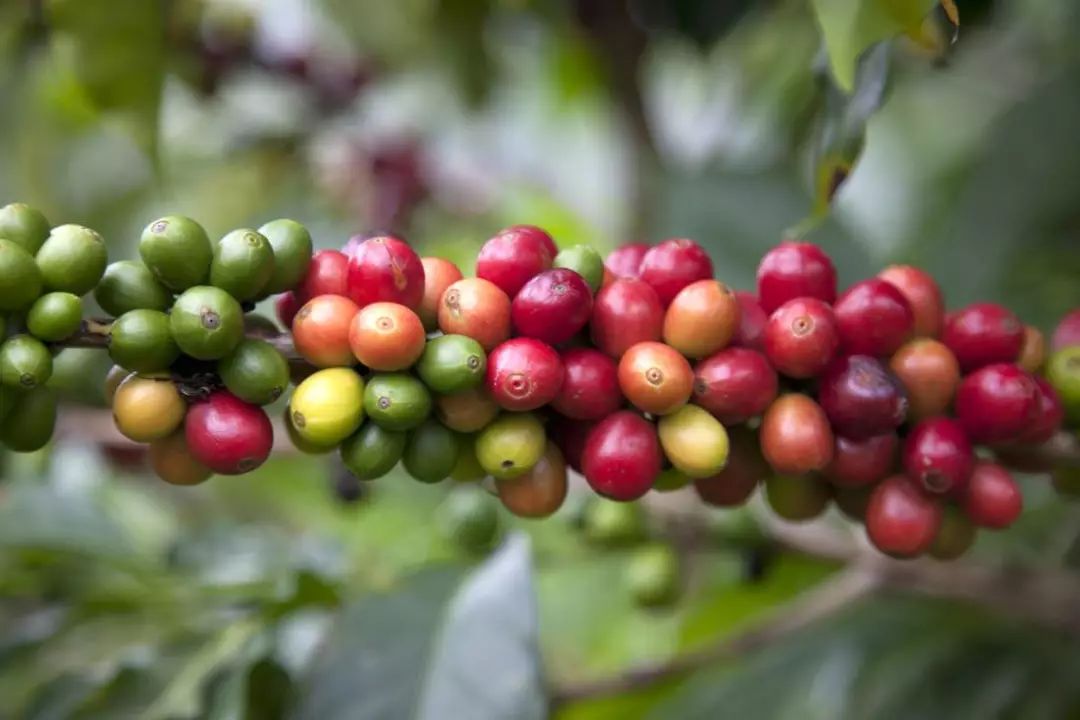
In terms of green bean appearance, Geisha coffee beans exhibit a beautiful bluish-green hue with a jade-like smooth texture. Their dry fragrance carries notes of fresh grass, peach, berries, and a unique oolong tea milk aroma—traits that transform into a rich aromatic spectrum after brewing. For roasting, it is recommended to use a light roast to preserve its high-altitude characteristics, as overly dark roasts can easily diminish its delicate floral and fruity acidity.
In actual roasting operations, when using a 600g semi-direct-fire roaster like the Yangjia machine, it is recommended to start with an entry temperature of 170°C, set the air damper to 3, and adjust the heat to 140°C after 30 seconds. The key lies in controlling the temperature rise after first crack, which is recommended to stay within 6°C to avoid over-roasting. The optimal roast curve should highlight delicate aromas such as tea rose and honeysuckle, while maintaining a good balance of sweetness and acidity.
For brewing, pour over is the method that best showcases the characteristics of Geisha. A 3.5 grind size (Japanese Fuji R440) is recommended, with water temperature controlled at 91-92°C and a coffee-to-water ratio of approximately 1:15. The specific steps are as follows: add 35g of water to 15g of coffee grounds for a 30-second bloom, then perform a pulse pour up to 100ml before cutting off the water, and finally slowly pour up to 225ml to complete the extraction. These parameters can fully express the complex flavors of rose, grapefruit, black tea, and cane sugar in Geisha, while extending its elegant aftertaste.
In summary, the 2018 Hacienda Esmeralda Red Label yeast-processed Geisha represents an innovative breakthrough in specialty coffee processing techniques. Its high price reflects not only its limited availability but, more importantly, the unique flavor experience brought about by this special processing method. For coffee enthusiasts, understanding these processing details and brewing parameters will help better appreciate the charm of this top-tier coffee.
The above content is compiled by CoffeeHunters, a coffee news website.


