







Introduction:Want to understand why Geisha coffee can repeatedly fetch record-breaking auction prices? This article delves into the unique microclimate and volcanic soil of Panama's Boquete region, deciphers the grading logic and flavor profiles of the Emerald Estate's Red and Green labels, and provides practical pour over recommendations to help you extract Geisha's delicate floral notes and vibrant acidity with the right parameters. Whether you're new to specialty coffee or seeking high-value blends, you'll find direction here.
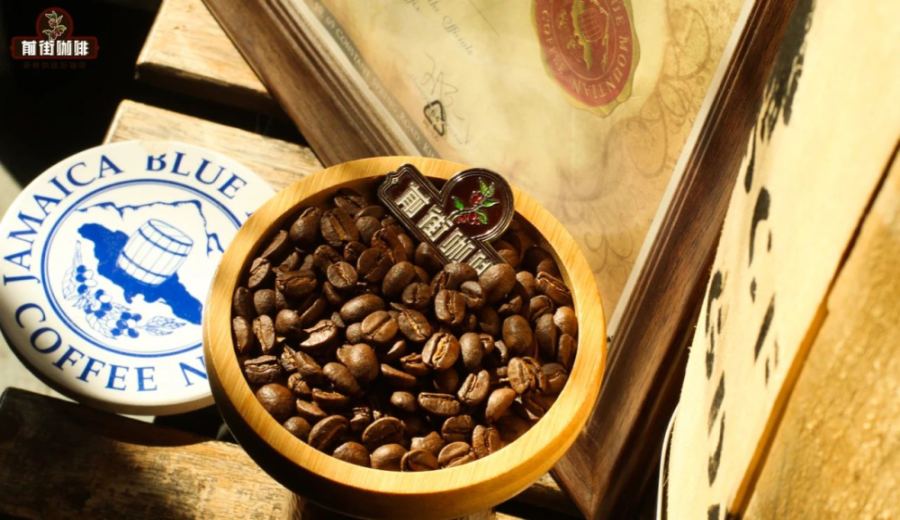
Geisha coffee often makes headlines at auctions with astonishing prices, but can its charm truly surpass that of Blue Mountain? In fact, the two have distinctly different flavor profiles: Blue Mountain is known for its rich balance, often exhibiting notes of nuts, chocolate, and caramel; Geisha, on the other hand, centers around bright floral aromas and lively acidity, with its high prices mainly due to extremely limited yields and strict grading systems. This article will take you through the migration journey of Geisha from the Ethiopian highlands to Panama's Boquete region, analyzing how its flavor genes have evolved in different environments, and focusing on the grading standards of Emerald Estate's top beans.
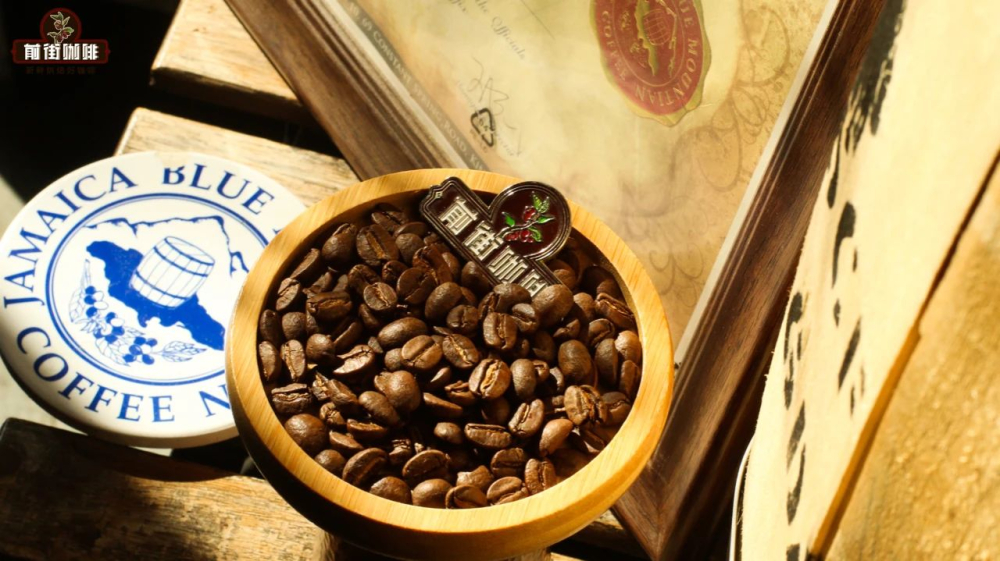
The rarity of Geisha is predetermined from the source—its plants are tall and yield extremely low, and in the early years, Ethiopian farmers only planted it as a windbreak. It wasn't until 1931 that these coffee seeds, originally from the Gesha Mountains, made their way to Kenya and Costa Rica, eventually taking root in Panama in the 1960s. After half a century of obscurity, this variety won the Panama Cup of Excellence competition for three consecutive years from 2005 to 2007, decisively defeating traditional dominant varieties. Its auction price even soared to $130 per pound in 2007, prompting subsequent competitions to establish a dedicated Geisha judging category.
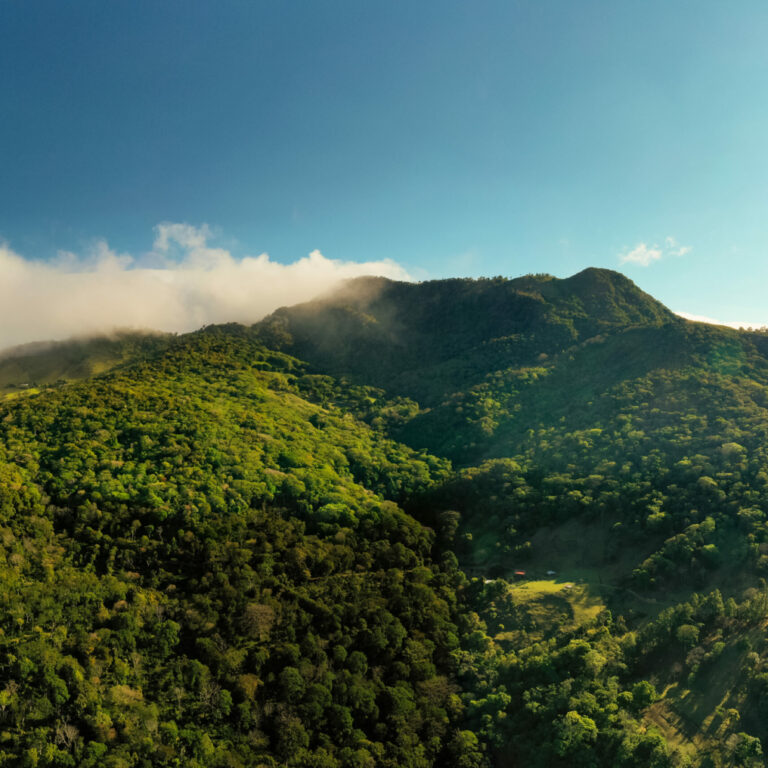
The key to Geisha's flavor miracle lies in its origin—the Boquete region of Panama is located on volcanic slopes at altitudes of 1400 to 1900 meters in Chiriquí Province, bordering Costa Rica and nourished by the Barú Volcano, forming deep soils rich in minerals. The unique microclimate system here is particularly important:The central mountains guide cold air from the east and west to converge here, combined with year-round fog at altitudes of 1200 to 2000 meters and unpredictable mountain winds, creating a microenvironment with significant temperature variations and moderate humidity, allowing coffee cherries to mature slowly and accumulate richer flavor compounds.
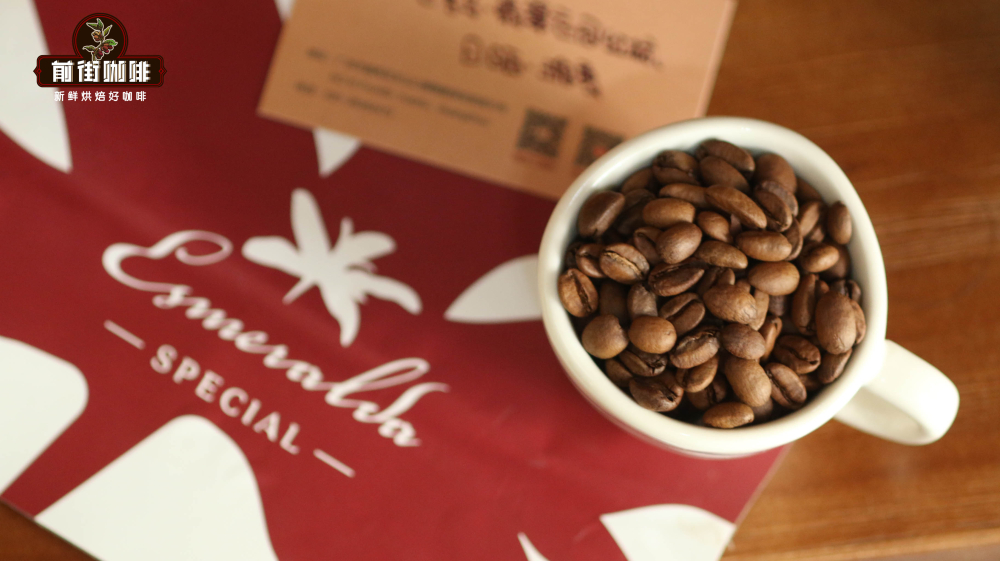
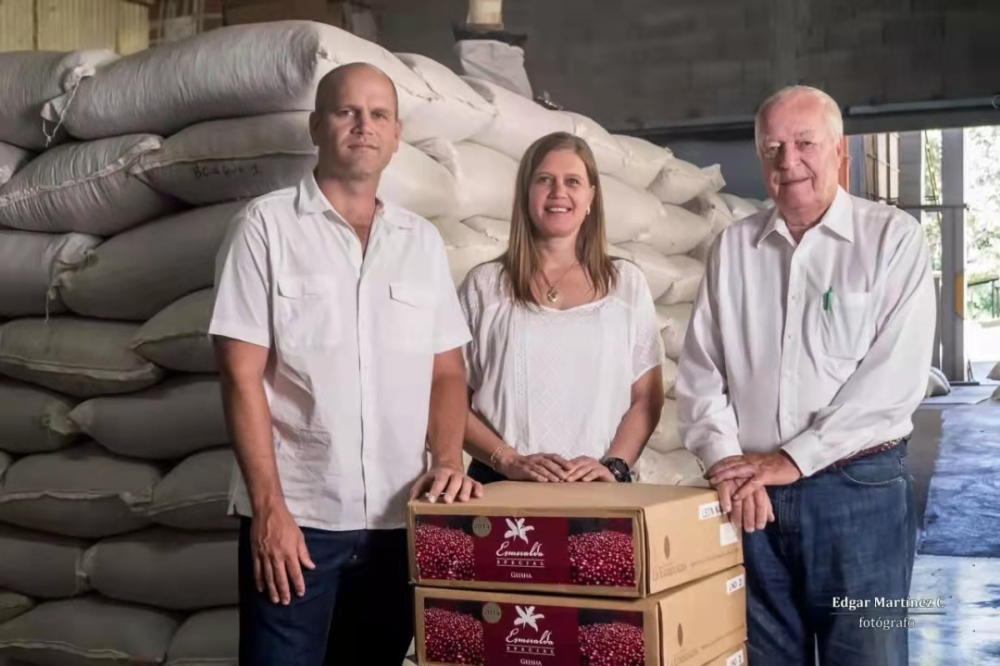
Among the many high-quality estates, the quality grading system established by Emerald Estate (La Esmeralda) is the most representative. Its Red and Green label grades are actually indicators of quality for different processing batches:
- Emerald Special Selection (Red Label): Carefully selected beans from the Jaramillo and Cañas Verdes regions at elevations of 1600-1800 meters, with cupping scores of 90 or above, exclusively for auction batches. Processed via washed or natural methods, it often exhibits explosive white floral and citrus aromas, paired with berry and honey undertones, with excellent body and complexity.
- Private Collection (Green Label): A blend of non-auction batches from multiple micro-lots, not individually auctioned but consistently high quality. The altitude range is the same as the Red Label, with similar flavor profiles but more variability, possibly showcasing layered notes of jasmine, cantaloupe, etc., with bright acidity and juicy mouthfeel.
For coffee enthusiasts on a budget, the Panama Geisha Flower Butterfly blend is recommended—this washed blend of 70% Geisha and 30% Caturra, Catuaí, also grown at 1600 meters altitude in the volcanic Barú region of Boquete.Cooperative smallholder farmers strictly control harvest ripeness, and through meticulous washed processing to remove impurities, it ultimately presents a balanced profile of citrus and green tea base notes with a soft aftertaste, making it a high-value choice to experience Geisha's flavor characteristics.
To fully extract Geisha's delicate flavors, pour over parameters must be precisely controlled:
• Grind Size: 80% passing through a Chinese standard No. 20 sieve (similar to fine sugar granules)
• Brew Ratio: 1:15 (15 grams of coffee to 225 ml of water)
• Water Temperature: 91°C (avoid excessively high temperatures that can lead to sharp acidity)
• Special Note: Geisha beans are dense and prone to sinking; it's recommended to use a V60 filter and stir appropriately to ensure even extraction
During actual tasting, observe the following flavor expressions:
Red Label Geisha: Opens with fresh rose and citrus aromas, followed by layered notes of rice, apricot, and other complex fruits in the mid-palate, with a honey sweetness and berry aftertaste
Green Label Geisha: Led by intense jasmine floral notes, paired with layered citrus peel and cantaloupe tones, creamy texture and green tea nuances add to the drinking experience
Flower Butterfly Blend: Starts with a refreshing citrus note, followed by cane sugar sweetness and a clean green tea finish, overall balanced and easy to drink
The above content is compiled by CoffeeHunters, a coffee news website.


