







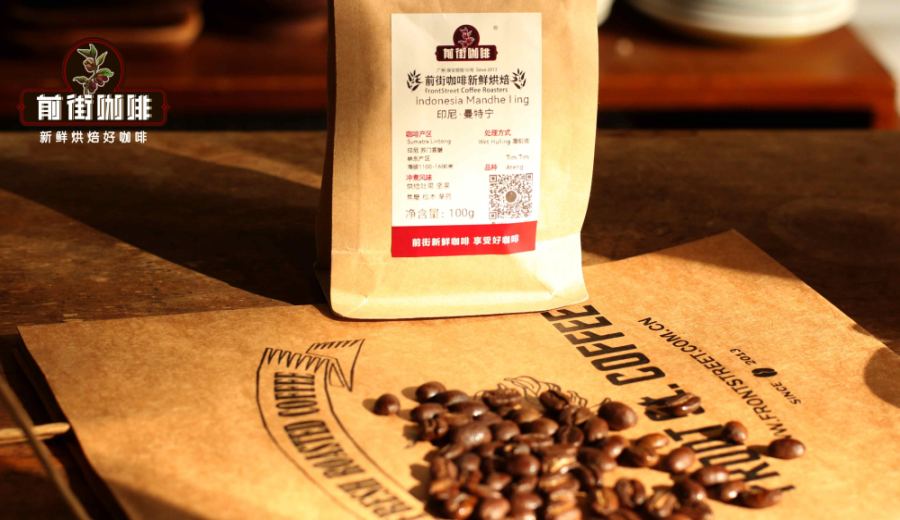
Introduction:Wondering why Indonesian Mandheling coffee boasts a unique bold body and distinctive spicy notes? This article delves into the connection between the "Star of Mandheling" from Sumatra's Lintong region and the commonly known "Golden Mandheling," while thoroughly explaining the four key steps of the region’s most iconic processing method — wet hulling. Whether you’re new to coffee or an experienced enthusiast, you’ll gain insight into the crucial details and practical knowledge that shape its flavor.
When people mention "Mandheling," many think of a thick, intense coffee with a unique earthy aroma. However, "Mandheling" is not actually the name of a coffee variety, but rather a Japanese mishearing of the local ethnic group "Mandheling" in Indonesia. During World War II, a Japanese soldier drank an exceptionally rich cup of coffee in Indonesia and curiously asked the shop owner the name of the coffee. The owner misunderstood the question as being about his origin and replied: "Mandheling." After the war, the soldier specially commissioned Indonesian merchants to ship 15 tons of coffee to Japan, which became hugely popular, and thus the name "Mandheling" spread widely.
In the specialty coffee world, "Mandheling" generally refers to Arabica coffee grown around Lake Toba in Sumatra and Lake Tawar in Aceh. This type of coffee is known for its bold body, low acidity, pronounced sweetness, and complex flavors of wood, spice, and floral notes — making it especially appealing to those who prefer strong-tasting brews. Among these, the Lintong region is a core hub for high-quality Mandheling coffee.
Lintong is located in North Sumatra Province, Sumatra, and is one of the regions producing many premium Mandheling coffees."Star of Mandheling"This selection uses Typica heirloom trees grown by dozens of farmers in a small town in the southern part of the region. These decades-old coffee trees stand in stark contrast to the more commonly mass-planted Mandheling estates. Not only is the varietal rare, but the farming management is also more meticulous.
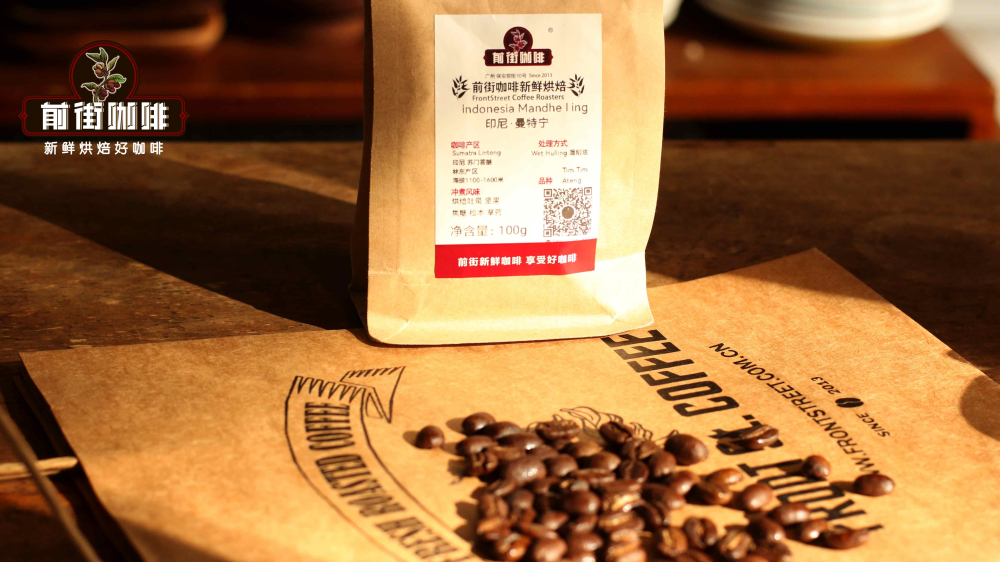
The coffee beans produced by these old Typica trees from southern Lake Toba, through careful harvesting and processing, showcase bright layers of citrus, spice, and mango, alongside a milky sweetness and Sumatra’s signature earthy and woody aromas. The acidity is crisp yet not sharp, the sweetness is soft, and the overall flavor is well-balanced — making it a classic flavor representation beloved by many coffee enthusiasts.
And when talking about Mandheling, one cannot overlook its most representativewet hullingprocessing method. This is a unique post-harvest technique in Sumatra that effectively reduces acidity, enhances body, and shapes the distinct terroir characteristics of Mandheling. Here are the four main steps of the wet hulling process:
Step 1: Removing the pulp and sorting floaters
After harvesting, the outer fruit skin of the coffee cherry is first removed, leaving the parchment-covered coffee beans. These parchment beans are then placed in large water tanks or basins. Using buoyancy, lighter defective beans are skimmed off, leaving only the denser beans that sink — ensuring consistent quality in the subsequent steps.
Step 2: Short fermentation process
The sunk parchment beans are lightly washed and then placed in buckets or plastic bags for several hours of dry fermentation. This step primarily allows the mucilage on the bean surface to undergo sugar fermentation, thereby increasing flavor complexity and sweetness. Fermentation time typically varies from a few hours, depending on the processor’s preference. The longer the fermentation, the more pronounced the acidity may become; some processors even skip this step entirely and move directly to drying to suppress acidity and enhance body.
Step 3: Initial sun drying and moisture control
After fermentation (or no fermentation), the parchment beans undergo 1–2 days of initial sun drying, reducing their moisture content from a relatively high level down to approximately 30%–50%. At this point, the beans are still semi-hard. To accelerate drying, processors use a hulling machine to remove the parchment layer, leaving only the inner mucilage layer, and continue with subsequent sun drying.
Step 4: Final drying completion
After the parchment is removed, the beans continue to dry in the sun until their moisture content stabilizes at12%–13%[moisture target % to be inserted], which usually takes about two more days. Overall, the wet hulling process — from pulping, fermentation, drying, to completion — takes roughly four days. This is faster than traditional washed or natural processes, but it is precisely this method that gives Mandheling its signature boldness and low acidity.
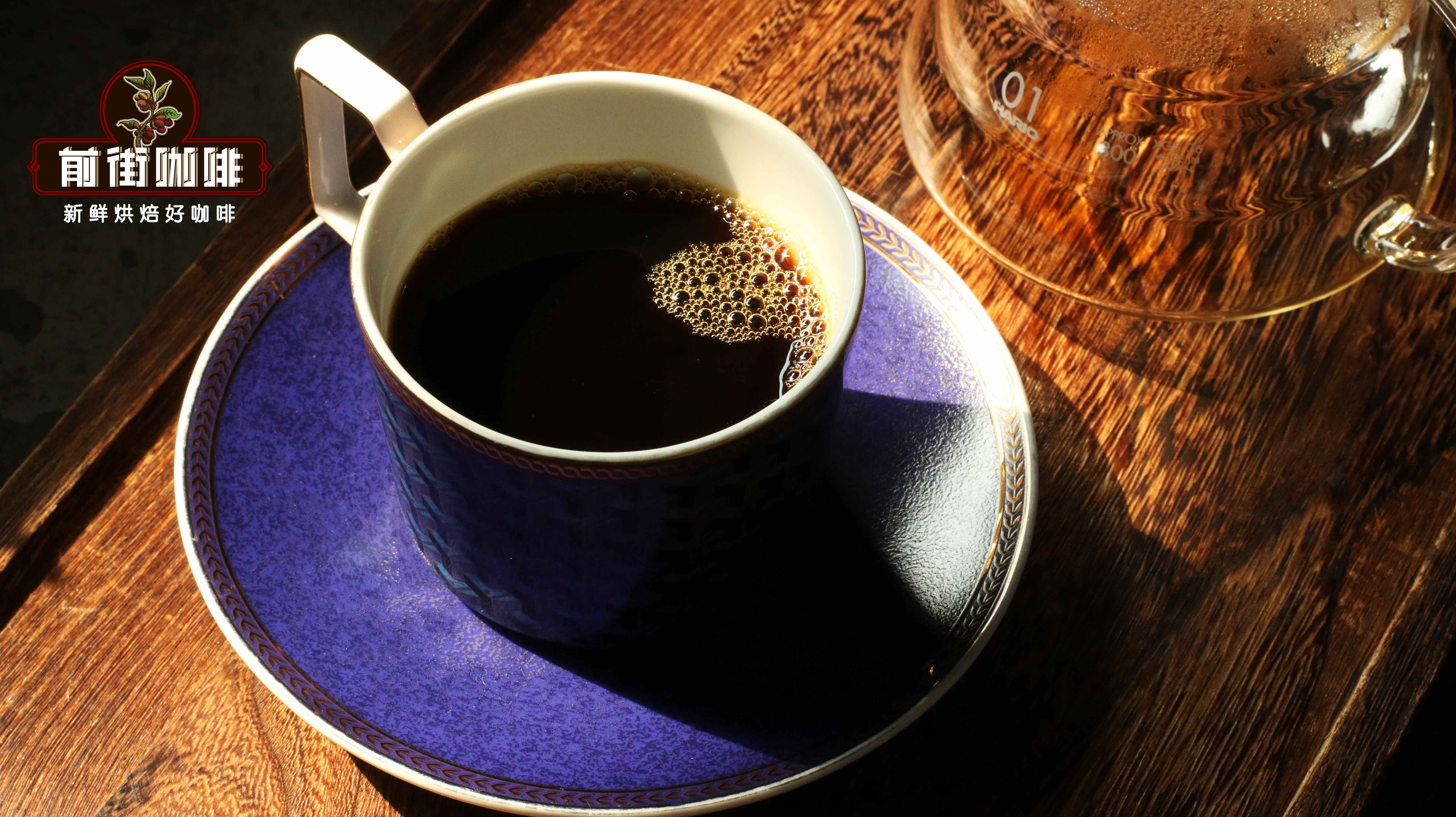
The most distinctive feature of wet hulling is the significant reduction in drying time, which lessens the impact of the fermentation stage, markedly reducing acidity while intensifying body and aromatic richness. That’s why Sumatran Mandheling is often described as having caramel, fruity, woody, and subtle herbal notes — the clearest expression of what’s known as "terroir."
In summary, the "Star of Mandheling," as a premium representative from the Lintong region, not only showcases the potential of old Typica trees but also offers a deeper understanding of the unique charm of Sumatran coffee. Golden Mandheling, although also from Sumatra, differs slightly in bean selection standards, processing details, and flavor focus. If you're interested, you can further compare the differences and characteristics of the two. For coffee lovers looking to deeply explore pour over brewing, discover regional flavor profiles, or study how extraction parameters affect flavor expression, Mandheling is definitely a classic choice not to be missed.
The above content is compiled by CoffeeHunters, a coffee news website.


