








Introduction:Indonesian Mandheling coffee beans have long been known for their rich and bold characteristics. Among them, PWN Golden Mandheling and the commonly seen Dingshang Golden Mandheling on the market often confuse coffee enthusiasts. This article delves into the origins, differences, and flavor profiles of the two, while also providing professional pour over brewing parameter recommendations to help you better understand the unique charm of these two classic Sumatran coffee beans.
When it comes to Indonesian coffee, Mandheling is almost an indispensable keyword. This single-origin coffee from Sumatra is renowned for its unique notes of spices, herbs, and nuts. Among the various Mandheling offerings, the Golden Mandheling launched by PWN is considered a classic, while another commonly seen version on the market, "Dingshang Golden Mandheling," often sparks comparisons and discussions. What exactly is the connection between these two coffee beans? How do their flavors differ? This article will take an in-depth look at their historical background, regional characteristics, processing methods, and practical brewing suggestions, helping you understand these two popular Indonesian coffees from multiple perspectives.
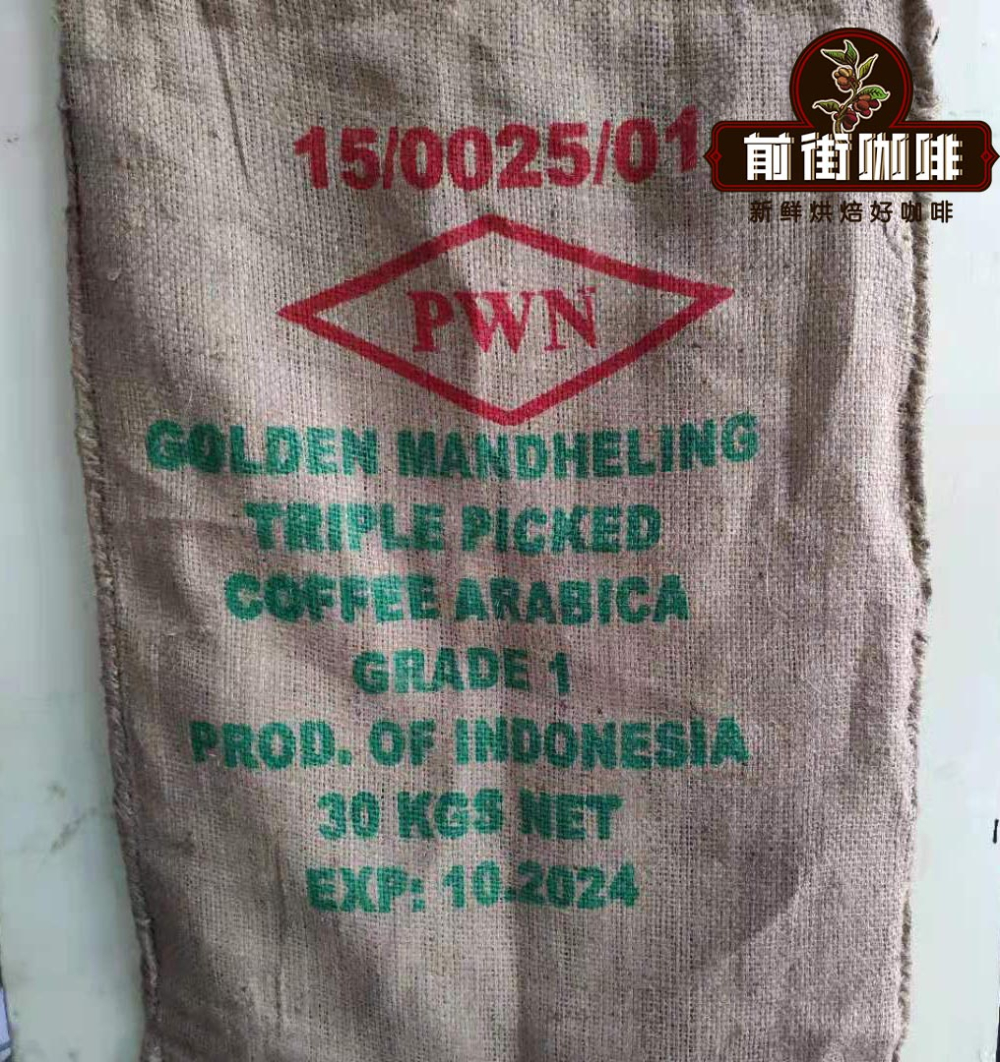
Many coffee beginners first encounter "Mandheling" through the Japanese market or coffee shops in Taiwan. In fact, Mandheling is not the name of a coffee variety, but rather a term derived from an ethnic group in northern Sumatra, which later came to generally refer to the high-quality Arabica coffee produced in that region. Regarding the name "Golden Mandheling," it was initially coined by the Japanese market, where this batch of coffee beans from Sumatra, due to their outstanding quality, was referred to as Golden Mandheling. However, this name was later registered as a trademark by Indonesia's Pawani Coffee Company (abbreviated as PWN), leading to subsequent imports of similar products being marketed under the name "Dingshang Golden Mandheling."
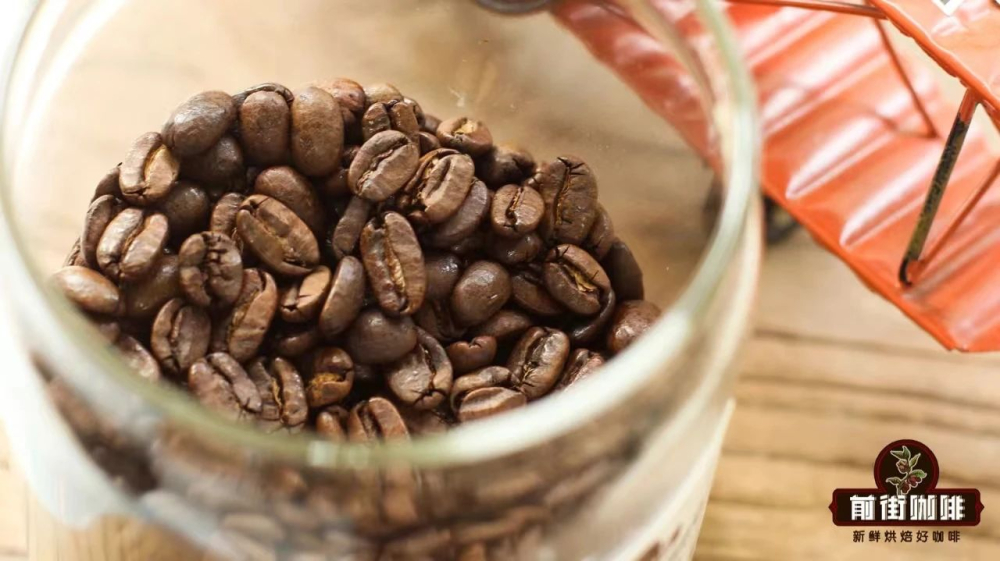
The PWN company is headquartered in Medan, Sumatra, and has been dedicated to exporting a variety of agricultural products, including coffee, since 1957. The company focuses on selecting high-quality Mandheling beans, particularly those of the G1 grade — the top-tier classification in Sumatran coffee grading, which requires no more than three defects per 300 grams of green beans and a bean size of 18 mesh or above. PWN further manually handpicks these G1 green beans three times, significantly reducing the defect rate to ensure that every batch of Golden Mandheling boasts a high level of purity and consistency, ultimately delivering intense aromas and a clean sweetness.
As for Dingshang Golden Mandheling, it actually comes from the same core producing region as PWN Golden Mandheling, using high-altitude premium coffee cherries and employing the wet-hulled (giling basah) process. Both types of green beans undergo multiple rounds of hand selection and rigorous processing, so their flavor profiles are quite similar. The main differences lie in brand background and market positioning. The Dingshang version, due to its name having been widely used in the Japanese market, still retains some recognition in certain parts of Asia. However, in reality, the two share a high degree of similarity in terms of origin, variety, and processing method.
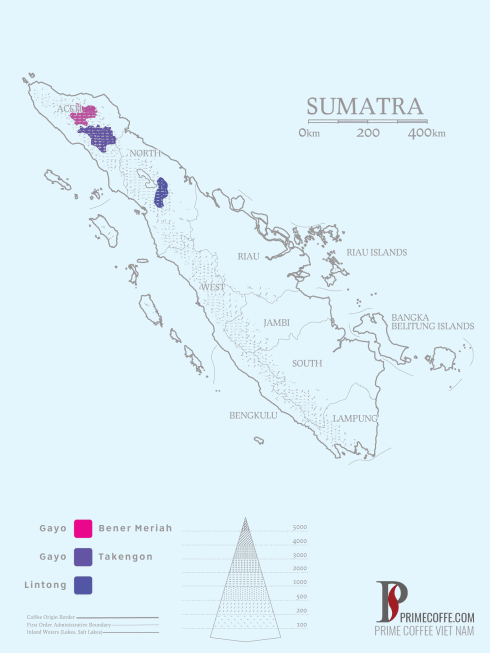
Currently, the main producing region of PWN Golden Mandheling has shifted to Gayo Mountain in northern Sumatra. This area, located at the northernmost tip of Sumatra, features high altitudes ranging from 1100 to 1600 meters, with a cool climate and significant day-night temperature variations, making it highly suitable for coffee cultivation. In the past, export difficulties were caused by political instability, but as the situation has stabilized, the potential of the coffee from this region has gradually been uncovered. It is now regarded as a high-quality origin that can rival or even surpass the traditional Lintong region.
In terms of variety selection, PWN switched to the Ateng variety (commonly known as Catimor) starting in 2020. This is a hybrid of Caturra and Timor, known for its good disease resistance and adaptability. Although its flavor complexity is not as high as that of traditional Typica, it can still exhibit rich notes of nuts, spices, and caramel in high-altitude environments. For processing, PWN continues to use Indonesia’s unique wet-hulled method. This technique, born out of the rainy climate and economic constraints, involves removing the skin and pulp first, briefly fermenting, then removing part of the mucilage, followed by scraping off the parchment layer and continuing to dry, with the final moisture content controlled at around 12%. This method gives Mandheling its distinctive heavy body and herbal aroma, and it is common to see slight cracks on the surface of the beans, which is normal.
If you’d like to brew this classic Indonesian bean at home, here are professional-grade pour over brewing parameter recommendations: Use a Kono filter, paired with 15 grams of medium-fine ground coffee (recommended EK43s grinder setting 11), with water temperature set to 86°C and a brew ratio of 1:15. Begin with a 30-second bloom using 30 grams of water, then pour in a small circular motion until you reach 125 grams for the first pour. Once the water level drops, pour again up to 225 grams, and remove the filter just before it finishes dripping. The total brew time is approximately 2 minutes. The design of the Kono filter effectively extends the contact time between water and coffee grounds, enhancing body and flavor extraction efficiency. It is also suitable for other medium-to-dark roasted beans such as Brazilian Queen Estate or Jamaican Blue Mountain No.1.
The brewed PWN Golden Mandheling offers a multi-layered and well-balanced flavor profile. The cup opens with distinct notes of nuts and chocolate, accompanied by intense aromas of spices and caramel, with subtle fruity undertones in the aftertaste. The overall presentation is bold yet clear, making it highly appealing to coffee lovers who enjoy strong flavors. Whether as a daily drinker or an entry point for exploring Sumatran coffee, this classic Indonesian Mandheling is a must-try gem.
The above content is compiled by CoffeeHunters, a coffee news website.


