







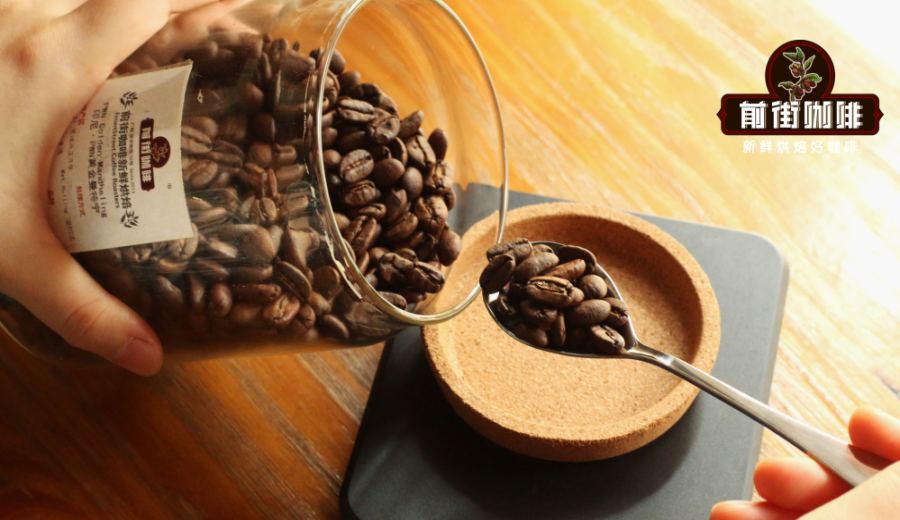
Introduction:Thanks to its rich body and distinctive woody-spicy flavor profile, Golden Mandheling has become the flagship single-origin coffee of Indonesia. But do you know why it costs several times more than regular Mandheling? This article dives deep into the official production standards of the only authentic source — PWN Company. From the triple manual sorting process for top-grade G1 beans, to the wet-hulling processing method adapted to high-humidity environments, and how dark roasting brings out the classic Mandheling flavor, we’ll guide you through the key knowledge of this premium bean.
When it comes to premium Indonesian coffee, Golden Mandheling is always a topic that can’t be avoided. This coffee is renowned for its full body and layered notes of pine and spice. But why does it cost significantly more than other coffees also labeled “Mandheling”? The key lies in the fact that only Golden Mandheling produced by PWN is considered the genuine article.
PWN is the abbreviation for Pawani, a well-known green coffee buyer in Indonesia. Since its establishment in 1957, the company has been dedicated to sourcing Mandheling beans. Initially focused on rubber trading, the company began delving into Sumatra’s Gayo region in Aceh after demand from Japanese clients. Through repeated testing and selection, they identified high-quality Arabica sources and registered the English name “Golden Mandheling” as an exclusive trademark to ensure that only Golden Mandheling exported by PWN is authentic.
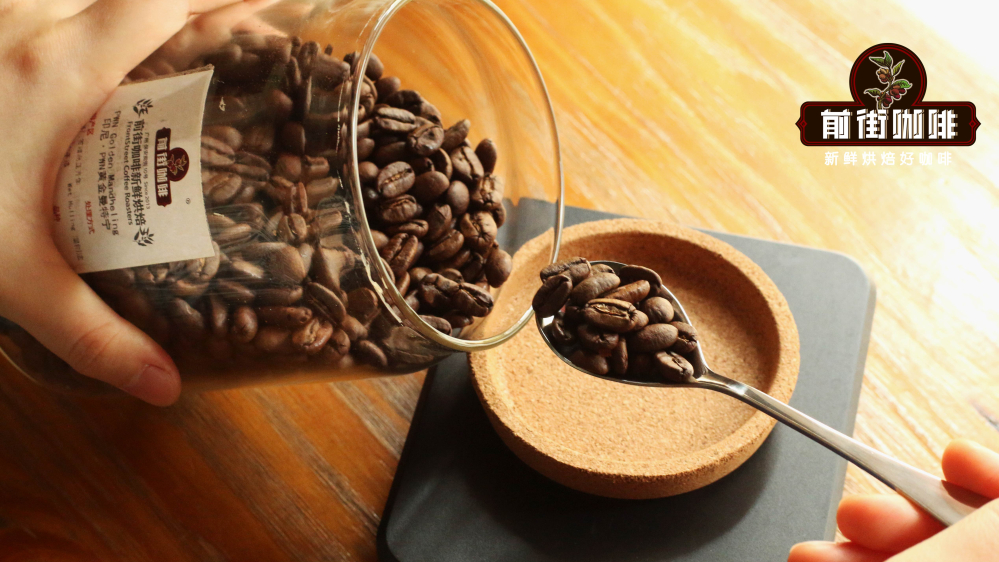
The uniqueness of this coffee is first reflected in its processing method. Due to Indonesia’s year-round high humidity (averaging 70–90%) and frequent rainfall (annual precipitation exceeding 2000mm), traditional sun-drying or washed methods aren’t feasible. Local farmers developed wet-hulling to suit the conditions: parchment-covered beans are first fermented to remove the mucilage, then dried to a moisture content of 20–24%. At this point, while the beans are still soft, the parchment layer is removed. They are then further dried in a controlled temperature and humidity environment down to 12–13%. During this process, friction that leaves parchment residue combined with the damp environment results in the beans’ grayish-green appearance and unique woody, spicy aroma.
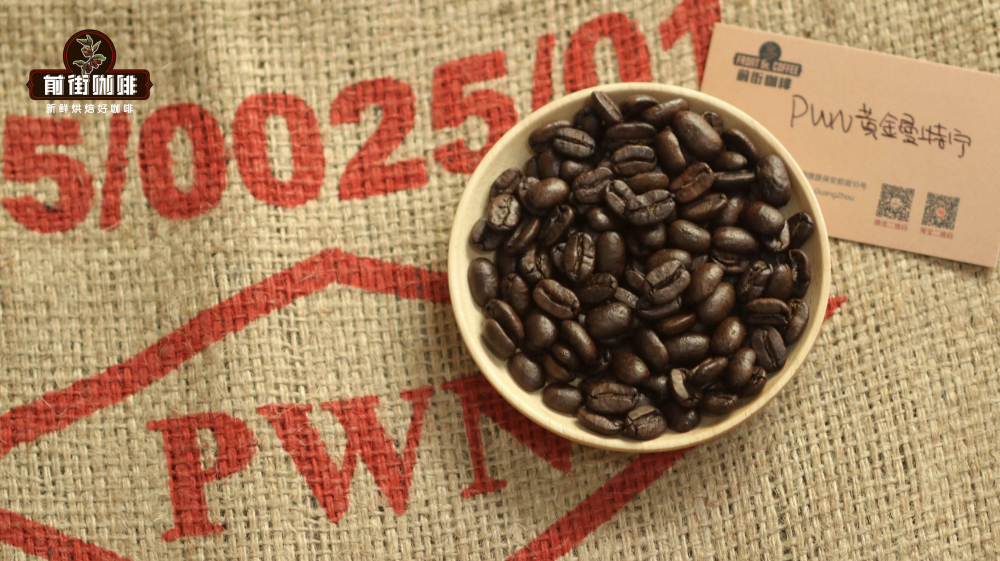 Indonesian coffee grading is primarily based on the number of defective beans, with the highest G1 grade requiring no more than 11 defects in a 300g sample. Golden Mandheling not only meets this standard but also undergoes PWN’s rigorous triple manual sorting: selecting beans larger than eighteen mesh, followed by machine sorting and three rounds of hand-picking to ensure uniform bean shape. Before packaging, density and color are also tested to achieve uniformly bright and clear bean color — hence the name “Golden.”
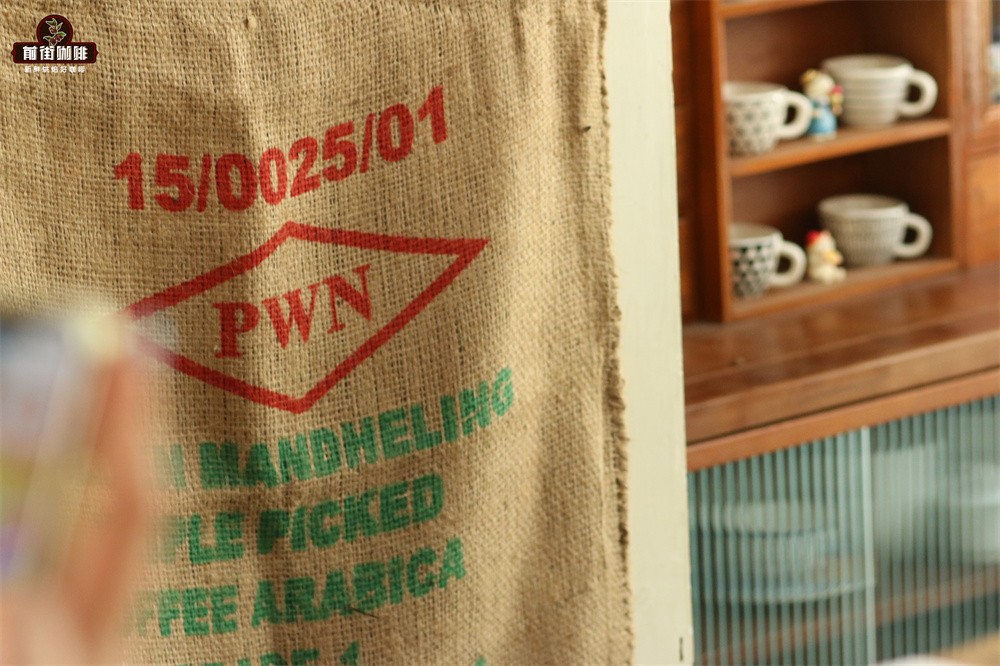 In terms of roasting, one roaster’s use of a dark roast effectively highlights the classic flavors of Mandheling. Freshly roasted Golden Mandheling gives off dry aromas of cedarwood, nuts, and herbs. When brewed, it offers sweet notes of licorice and caramel, and delivers a flavor profile of dark chocolate, cocoa, and spices on the palate. The overall cup is clean, with a balanced bitterness and sweetness in the finish. This processing approach perfectly showcases the distinctive character brought out by wet-hulling, making it a must-try for seasoned coffee enthusiasts.
The above content is compiled by CoffeeHunters, a coffee news website.


