







Introduction:Jamaican Blue Mountain coffee has long been hailed as the pinnacle of excellence in the coffee world, captivating enthusiasts with its unique flavor profile and rigorous grading system. This article delves into the reasons behind the enduring use of wooden barrels for exporting Blue Mountain coffee, examines the detailed criteria and quality requirements for the "Blue Mountain No.1" grade, and shares expert pour-over recommendations and practical parameters to help aficionados fully appreciate the charm of this classic coffee from origin to cup.
Jamaican Blue Mountain coffee has always been regarded as a benchmark of specialty coffee, not only for its distinctive flavor characteristics but also for its stringent standards in packaging, variety, terroir environment, and grading system. This article will explore in depth why Blue Mountain coffee has long favored wooden barrels as its export packaging, analyzing how the washed Typica variety, the region’s unique microclimate, and a strict grading system collectively contribute to the coffee’s exceptional quality. We will also focus on interpreting the grading criteria for "Blue Mountain No.1" and offer expert pour-over suggestions to help you comprehensively understand this top-tier coffee from origin to extraction.
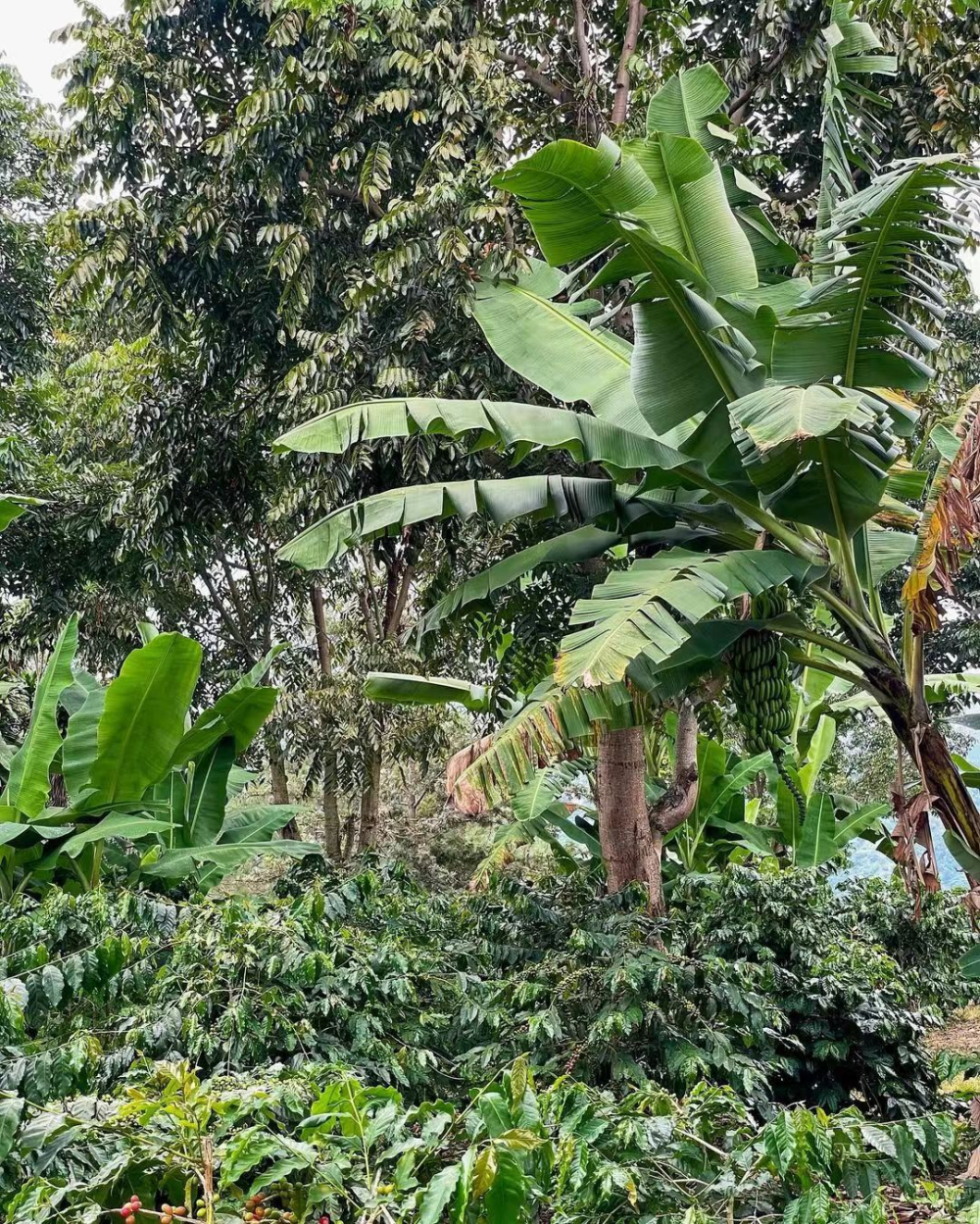
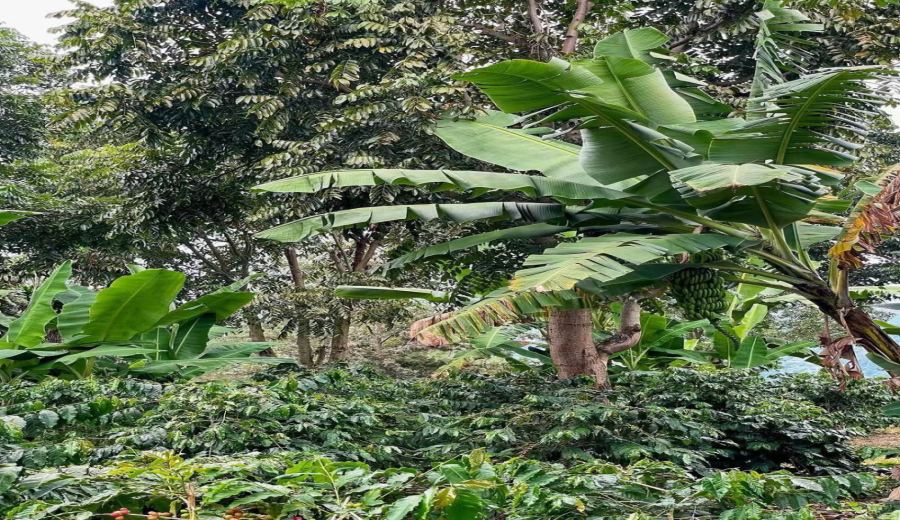
The consistent and outstanding quality that Blue Mountain coffee has maintained over the years is inseparable from the strict oversight exercised by the Jamaican government over the export process. Until 2020, what was commonly referred to as Blue Mountain coffee on the market primarily used the washed Typica (Typica) variety. The washed processing method is renowned in traditional coffee processing for its stability and consistency. The process includes floatation after fruit harvesting, followed by mechanical removal of the skin and pulp, then a fermentation step to eliminate the mucilage layer. After the mucilage is removed, the moisture content of the coffee beans drops significantly, shortening the subsequent drying time and reducing the likelihood of defective beans. In addition, the mature washed technique allows Blue Mountain coffee to present a cleaner, crisper mouthfeel and brighter acidity.
Taking into account the geographical conditions of the Blue Mountain region, it boasts a unique high-altitude microclimate, fertile and mineral-rich volcanic soil, along with a longstanding commitment to high-quality Typica varieties, refined washed processing techniques, and a rigorous and comprehensive green bean grading system. These elements together have established Blue Mountain coffee’s premier status in the world, even once becoming synonymous with global specialty coffee.
The Unique Value of Blue Mountain Wooden Barrels
When it comes to Jamaican Blue Mountain coffee, one cannot overlook its distinctive wooden barrel packaging. Compared to the more common jute sacks or vacuum packaging, the Jamaican authorities have chosen wooden barrels as the primary container for exporting Blue Mountain coffee. This choice is not only rooted in tradition but also based on practical considerations. Wooden barrels offer excellent moisture and air-tightness balance properties, effectively preventing the loss of flavor or excessive oxidation of the coffee beans during long-distance transportation due to environmental changes. Additionally, wooden barrels can regulate temperature differences to some extent, playing a positive role in maintaining the stable condition of green beans. This historic packaging method has also become one of the symbols of Blue Mountain coffee’s authenticity.
Analysis of the “Blue Mountain No.1” Grade Standards
Among the many coffee-producing countries, Jamaica can be considered one of the earliest to prioritize the concept of "terroir expression" in coffee. For Blue Mountain coffee, the region has established detailed and strict raw bean quality assessment standards, covering specifications such as bean size, defect ratio, appearance color, uniformity, as well as post-roast cupping performance, including dry aroma, wet aroma, acidity, flavor, body, and cleanliness.
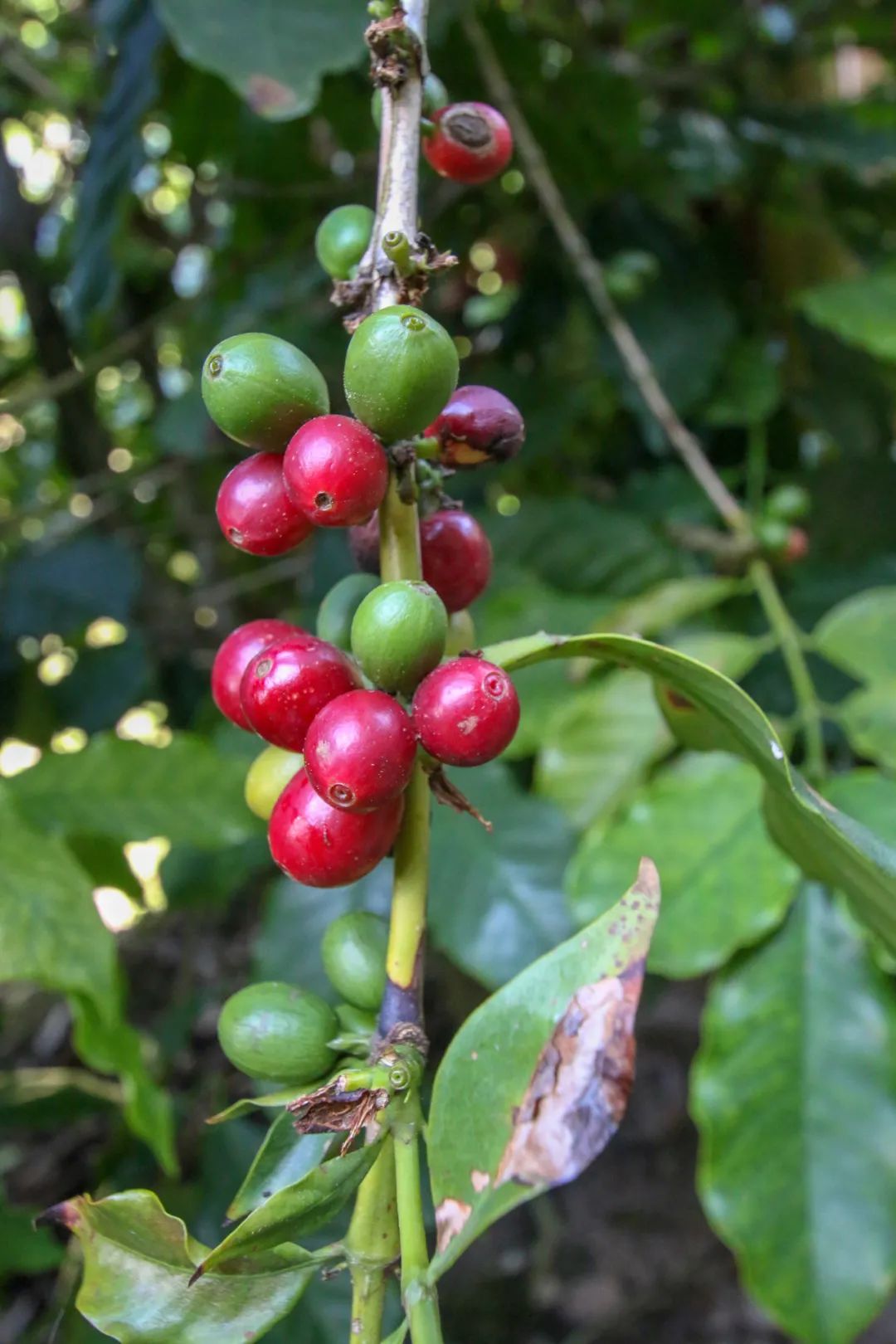
The size of the green beans is tested using sieves with different mesh sizes, and only those that can pass through specific sieve holes meet the size requirements for the corresponding grade. As for color, both visual observation and colorimeter data are combined for evaluation, where a bluish-green hue is considered the most ideal grade indicator. Based on the comprehensive assessment of these various factors, Blue Mountain coffee is divided into four main grades, ranked from highest to lowest quality as: NO.1, NO.2, NO.3, PB (Peaberry, or pea berry), and mixed beans. Among them, NO.1 is what the public commonly refers to as "Blue Mountain No.1," representing the highest quality within Blue Mountain coffee.
To obtain certification as Blue Mountain No.1, the green beans must meet the following criteria:Bean size must be 17 mesh or larger, defect rate no more than 3%, moisture content approximately 13%, and they must exhibit in cupping a rich aroma profile, smooth and balanced mouthfeel, moderate acidity, and a long-lasting aftertaste. These stringent conditions ensure that each batch of Blue Mountain No.1 delivers the most authentic flavor characteristics of Blue Mountain coffee.
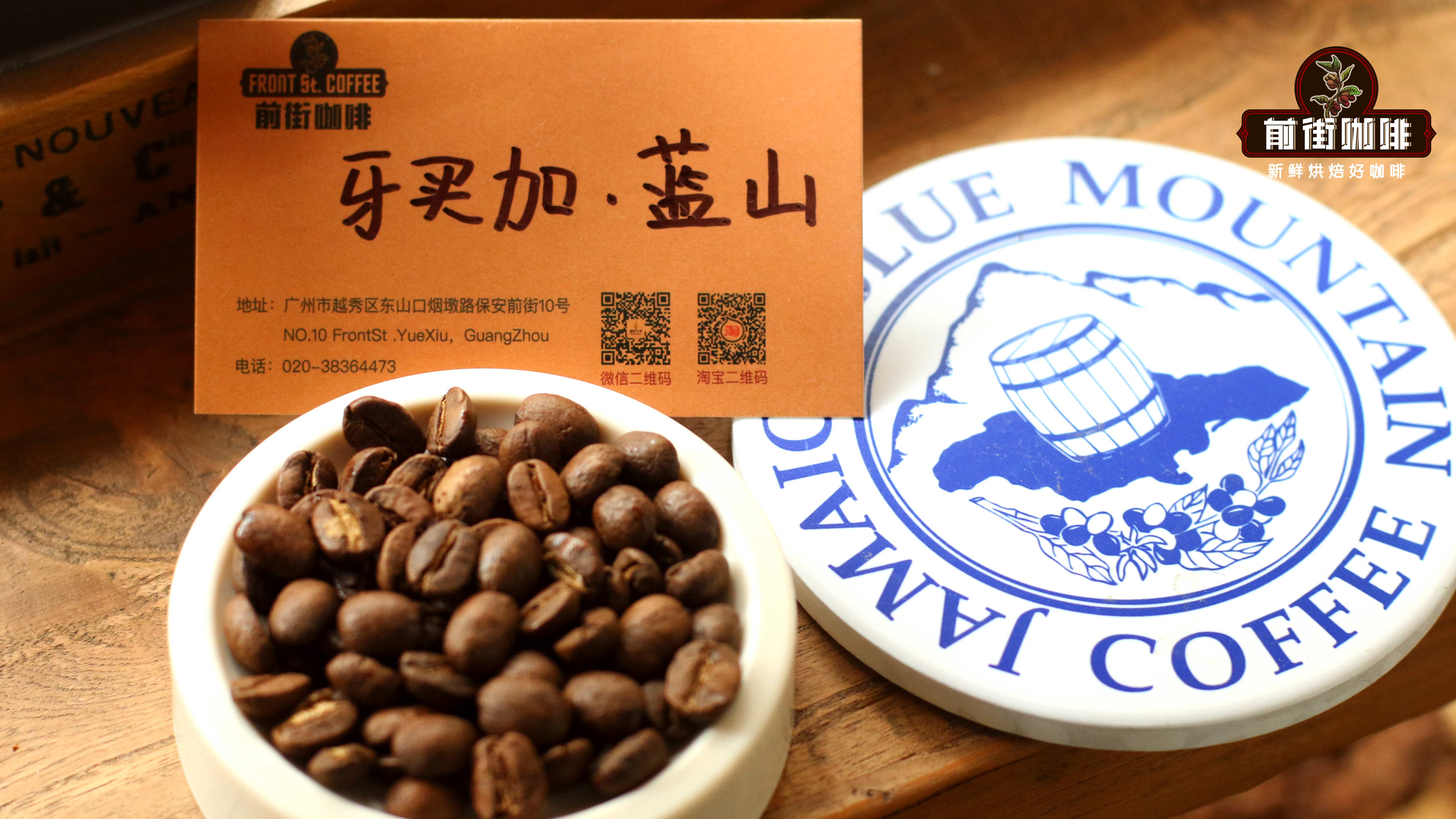
In terms of roasting recommendations, the Jamaica Coffee Industry Board (CIB) also provides official guidance, suggesting a medium roast to fully showcase the chocolatey sweetness of Blue Mountain No.1 while retaining a gentle fruity acidity. One coffee shop, when roasting in practice, also followed this direction, allowing the flavors of Blue Mountain No.1 to be presented in full.
Pour-Over Brewing Recommendations for Blue Mountain No.1
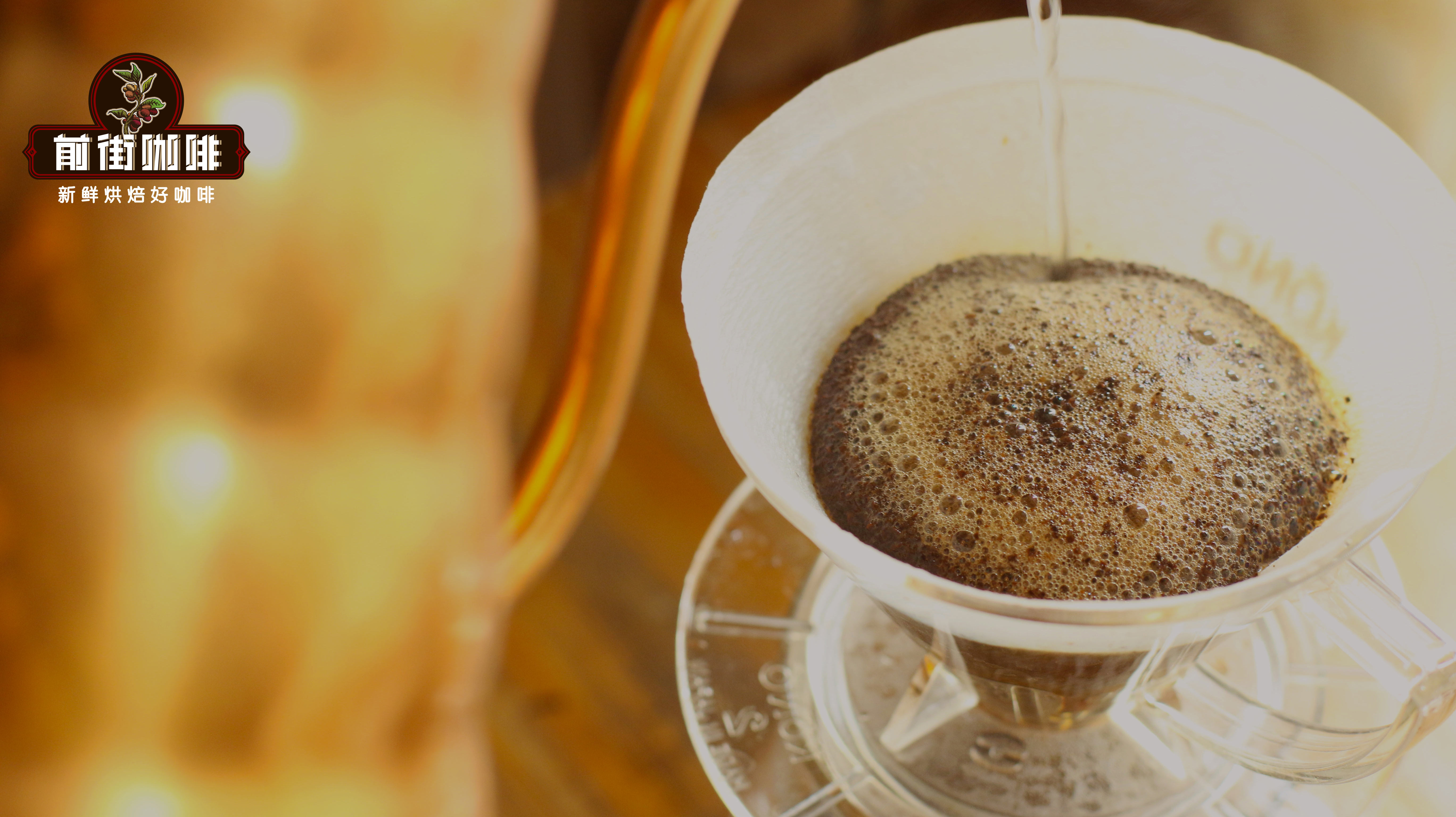
To fully highlight the rich and rounded mouthfeel of Blue Mountain No.1, it is recommended to use a KONO filter dripper. The KONO dripper’s rib design extends less than halfway up the dripper, which allows the filter paper, once wet, to adhere more tightly to the inner wall, thereby reducing airflow and extending the contact time between coffee grounds and water. This helps enhance extraction uniformity and overall flavor balance.
Recommended brewing parameters are as follows:
- Coffee dosage: 15 grams
- Coffee-to-water ratio: 1:15
- Grind size: EK43s setting 10.5 (approximately equivalent to 75% extraction rate on a Chinese Standard No. 20 sieve)
- Water temperature: 87~88°C
For the pour-over technique, a step extraction method is recommended:
- First, place the filter paper in the KONO dripper, pour hot water to wet the paper and make it adhere to the dripper wall.
- Add the coffee grounds, gently tap to level the bed for even distribution.
- The first pour: add 30 grams of water for the bloom, lasting about 30 seconds.
- The second pour: continue adding water up to about 125 grams, using a steady and even circular pouring method.
- When the water level drops to about half, proceed to the third pour, reaching a total of 225 grams.
- Wait for all the coffee liquid to drip through; the entire extraction time is about 2 minutes.
Through the above pour-over process, the brewed Blue Mountain No.1 typically exhibits deep dark chocolate and nutty tones, with a rich mouthfeel and a distinct almond aftertaste. As the coffee cools, it also reveals the sweet silky notes of roasted hazelnuts and cream, accompanied by soft acidity and caramel sweetness. The overall aroma lingers in the mouth for a long time, leaving an unforgettable impression.
The above content is compiled by CoffeeHunters, a coffee news website.


