







Introduction:From the first batch of coffee trees introduced by missionaries in the late 19th century to the quality transformation driven by the recent specialty coffee wave, Yunnan coffee has undergone a century-long evolution. This article delves into the historical trajectory of Yunnan’s Typica variety, focusing on the practical planting challenges of Typica in the high-altitude regions of Lincang, and detailing how the washed processing method brings out a balanced profile of citrus notes and nutty flavors, providing coffee enthusiasts with a comprehensive knowledge map from origin to cupping.
When it comes to Yunnan, Pu’er tea is often the first thing that comes to mind. However, in recent years, with the rise of specialty coffee culture, the coffee beans grown in this land are quietly gaining international attention. Films and TV series such as “Coffee or Tea?” and “The Journey to the End of Poverty” have further brought the coffee stories of regions like Menglian into the public eye. But few people know that Yunnan’s coffee planting history can be traced back to the late 19th century, when Western missionaries initiated the chapter by bringing in coffee seedlings.
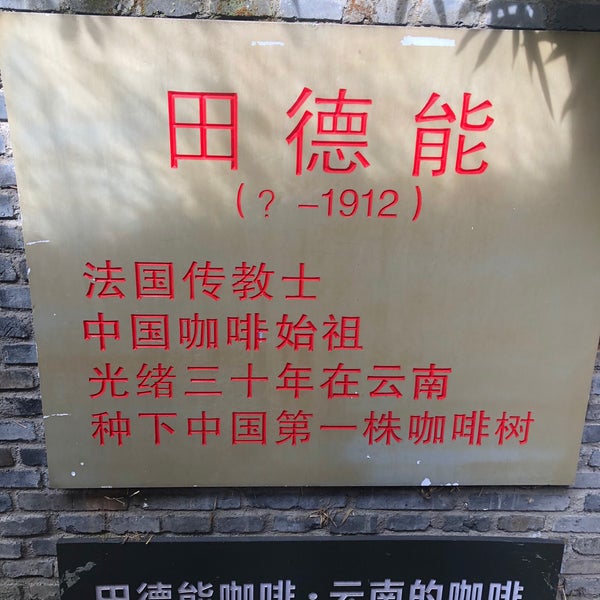
There are three claims regarding the exact year the first coffee tree was planted in Yunnan: 1892, 1894, and 1904, but the common thread is that all are closely related to missionary activities. One widely circulated account states that in 1892, French missionaries built a church in Zhugula Village, Binchuan, and because of their love for coffee, they brought seedlings and planted them next to the church. These seedlings are regarded as the origin of Yunnan coffee.
The turning point for large-scale planting came in the 1950s. At that time, domestic coffee consumption was not yet widespread, but to fulfill a supply agreement with the Soviet Union, Yunnan began planting coffee on a large scale. These coffee beans received positive reviews in the international market for their high quality, laying an early foundation. After the reform and opening up in the 1980s, Nestlé, aiming to meet the raw material needs for instant coffee, introduced the high-yield Catimor variety, which gradually replaced the traditional Typica, making Catimor account for over 90% of Yunnan’s production to this day.
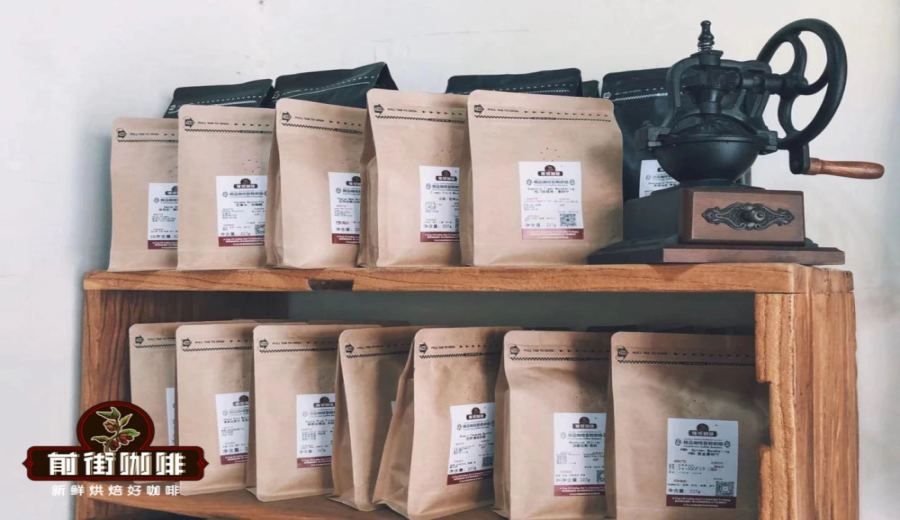
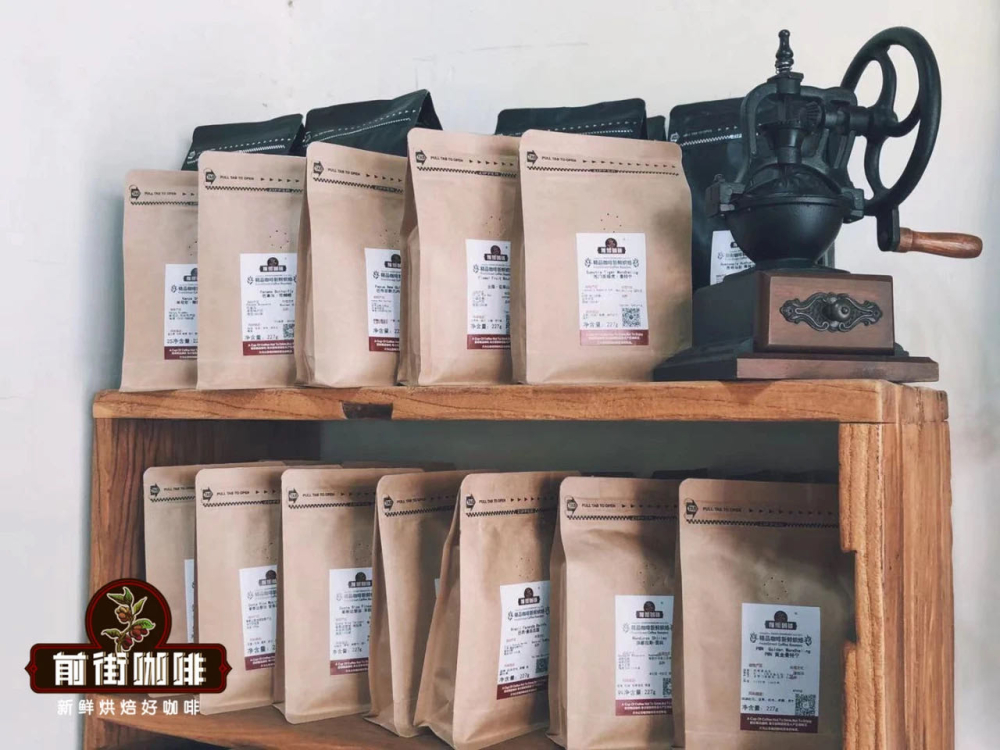
After the 21st century, with China’s economic boom and the introduction of specialty coffee concepts, Yunnan growers began shifting toward varietal optimization and refined processing. Around 2012, Nestlé’s reduced purchases prompted local players to explore more distinctive paths. One well-known coffee brand was among the pioneers. Its team started growing Typica from scratch in the Lincang region half a year before opening its retail stores, studying the triangular relationship between altitude, varietal, and processing method.
Choosing Typica, the oldest Arabica variety, came with challenges—its yield is only one-third that of Catimor, and it is susceptible to leaf rust. However, it can deliver a unique aromatic profile. The brand abandoned plans to grow in Guangdong and shifted its focus to Lincang, Yunnan, where the altitude exceeds 1,000 meters and the climate features distinct dry and rainy seasons. The continuous rainfall starting in June each year, combined with significant diurnal temperature variations, creates an ideal environment for coffee cherries to accumulate flavor compounds.
Yunnan’s four major coffee-growing regions include Baoshan, Pu’er, Dehong, and Lincang, among which Baoshan and Pu’er have been awarded China National Geographical Indication certification. In 2021, Menglian coffee was selected for Starbucks’ Reserve series, symbolizing international recognition of Yunnan beans. That year, the brand launched a natural Typica, sourced from the first harvest of over 100 kilograms of beans at its Lincang base, showcasing the classic traits of the Typica variety: “aromatic without being overpowering, rich without being bitter.”
Taking Typica grown at 1,400–1,700 meters altitude in Baoshan as an example, the brand used the washed processing method to highlight the terroir’s inherent characteristics: after harvesting ripe cherries, a depulper was first used to separate the skin and part of the pulp, followed by placing them in a water tank for fermentation and stirring to remove the mucilage, and finally drying and screening out unripe beans and defects. This process not only improves cleanliness but also preserves bright acidity and delicate sweetness.
For this washed Typica, it is recommended to use a Hario V60 filter cone with a water temperature of 90°C, and the grind size set to 80% passing through a Chinese standard No. 20 sieve (medium grind). The specific steps are: first pour 30 grams of water for a 30-second bloom, then pour water in a circular motion to reach 125 grams for the first pour, followed by pouring up to a total of 225 grams. The total extraction time should be controlled at around 2 minutes, highlighting citrus notes and a nutty base.
The brewed coffee delivers a gentle citrus acidity, with a nutty main note running throughout. Mid-to-late stages gradually reveal melon-like sweetness and a brown sugar finish, while the aftertaste carries a mellow texture reminiscent of black tea, showcasing the layered charm of Yunnan’s high-altitude Typica.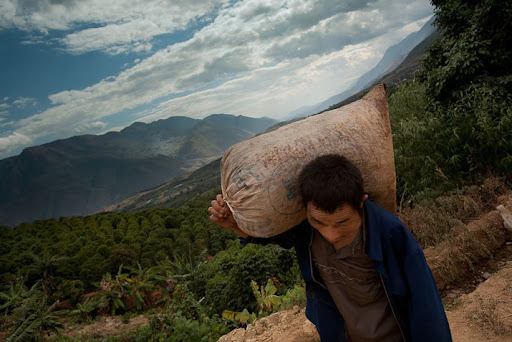
The above content is compiled by CoffeeHunters, a coffee news website.


