








Introduction:Want to explore the pour over potential of Yunnan coffee? This article takes a certain natural-processed Typica as an example, detailing practical techniques from bean selection, filter choice, brew ratio to three-phase pouring — guiding you to master the optimal extraction method for Yunnan single-origin beans. Not only does it break down key parameters, but it also analyzes layered flavors such as caramel, nuts, and berries, helping you brew a fragrant, sweet Yunnan specialty coffee.
In recent years, Yunnan coffee has gradually shaken off its image as a cheap raw material, accelerating its move toward specialty-grade status. In particular, locally grown Typica varieties have garnered attention among pour over enthusiasts for their unique flavor profiles. One such natural-processed Typica was personally planted and managed by a certain team in Lincang, Yunnan starting in 2013, with the first harvest occurring in 2020. Using traditional sun-drying processing, it features distinct flavor layers and prominent sweetness. Based on actual shop-brewed parameters, this article step-by-step explains how to use pour over to reveal the true flavor of this single-origin — covering everything from bean variety selection, equipment pairing, brew ratio control, to precise pouring techniques.
In the past, Yunnan coffee was often used for instant coffee production due to inconsistent overall quality, resulting in limited market visibility. But with the rise of the specialty coffee trend, along with competition exposure and social media promotion, more and more consumers are beginning to notice the potential of the Yunnan growing region. Nowadays, ordering a cup of Yunnan single-origin in a café is no longer a rare sight. Currently, three Yunnan-grown coffees are offered on the menu, including Catimor, small-bean varieties, and the most representative natural-processed Typica. Many customers wonder: once you get Yunnan beans, how should you brew them to bring out their characteristics? The following takes the shop’s standard workflow as a reference to help you master practical strategies for pour over Yunnan coffee.
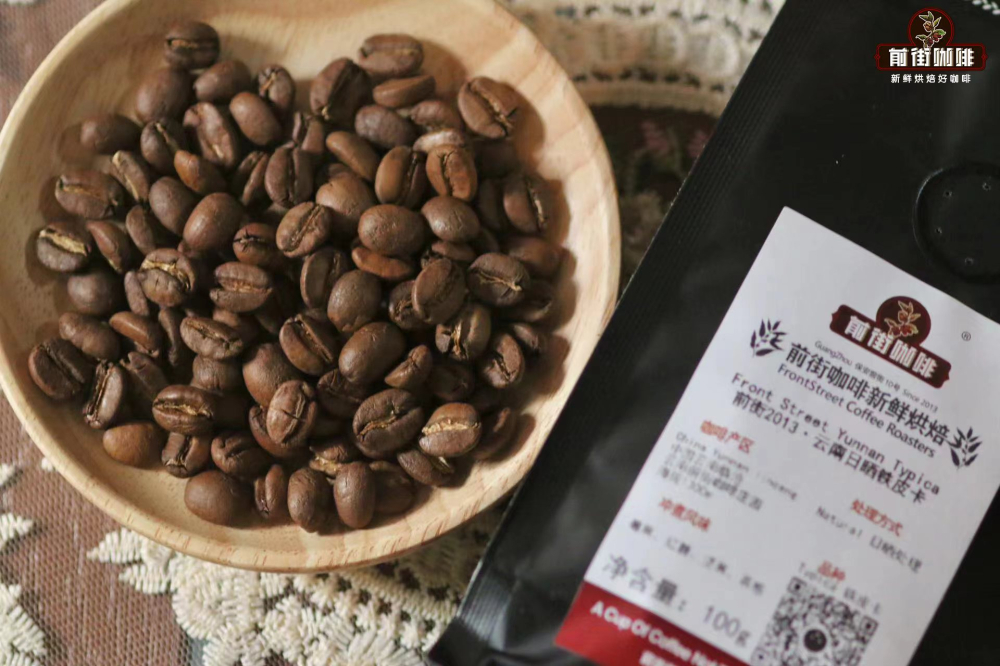
First and foremost, selecting a pack of Yunnan coffee beans at their optimal flavor window is crucial. This demonstration uses a natural-processed Typica that is at the peak of its flavor. A certain team traveled to Lincang, Yunnan as early as 2013, personally handling every step from site selection, seedling cultivation, planting, harvesting, processing, to roasting — accumulating deep knowledge of the local altitude, varieties, and processing methods. They specifically chose the classic Typica variety, which though lower-yielding and more sensitive to the environment, offers a pure and elegant flavor. After years of careful cultivation, they finally welcomed the first harvest in 2020 and produced this distinctive single-origin using natural sun-drying processing.
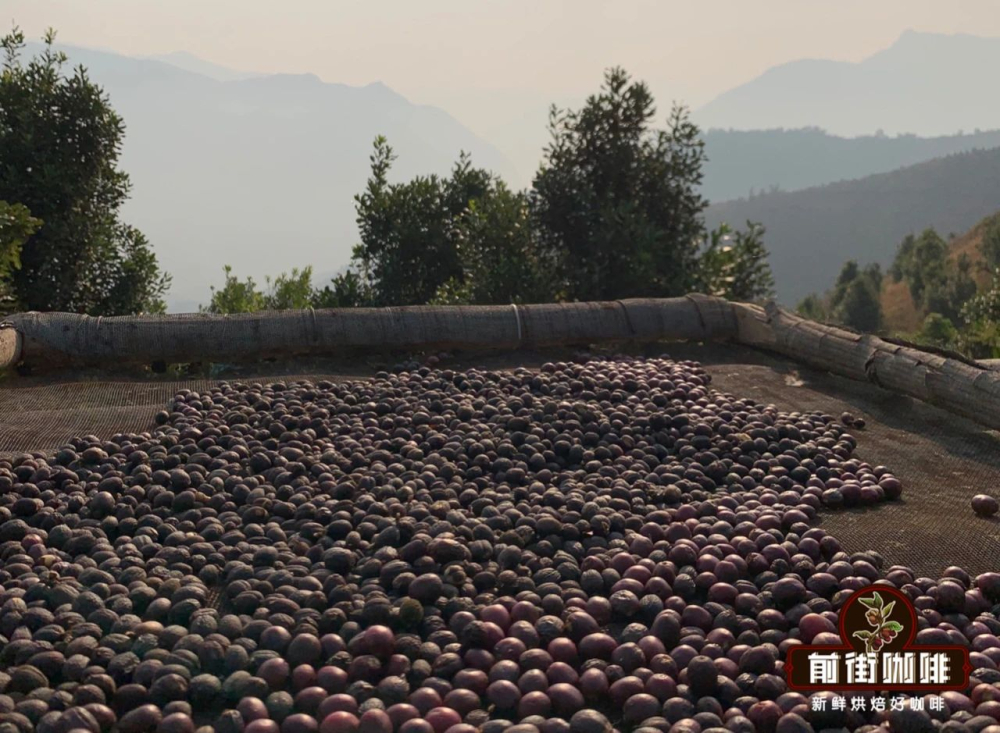
Sun-dried processing doesn’t require complex equipment — the key lies in stable weather and meticulous management. The team arranges regular turning of the coffee cherries after they turn red to ensure even heat exposure and avoid uneven fermentation. Only when the fruits dehydrate from bright red to dark purple and reach the ideal moisture content are they hulled and roasted. The new harvest season is also approaching this year, and it is expected to showcase the unique charm of Typica once again. Before brewing, be sure to check the roast date of the beans. It’s recommended to choose freshly roasted beans within one month, as coffee aroma significantly diminishes over time, affecting the final flavor. A certain supplier insists on providing only products roasted within five days to ensure consumers can enjoy the fullest coffee characteristics.
This natural-processed Typica is medium roasted. During cupping, diverse flavors such as caramel, nuts, citrus, chocolate, berries, plums, and black tea can be identified, with a clear sweetness and rich layers. The overall flavor profile is balanced, combining mellow bitterness with moderate acidity, suitable for various brewing methods. Whether you're a beginner or an advanced enthusiast, there's enjoyment to be found here. These beans are available on relevant platforms, and it’s recommended to choose freshly roasted batches for the best experience.
Choosing the right filter is also one of the keys to influencing flavor expression. To fully showcase the aroma and complexity of Yunnan coffee, baristas from a certain brand recommend using a V60 filter made of resin material. The structure of the V60 is uniquely designed, with ribs connecting the top and bottom of the cone that guide water flow, and a large central hole at the bottom that accelerates water passage. Paired with spiral-shaped venting grooves, this not only extends the contact time between water and coffee grounds but also makes extraction more uniform. The water flows along the ridges toward the center, concentrating the pressure on the coffee bed, helping to highlight delicate and rich layers.
In terms of brew ratio, a certain brand adopts the golden ratio of 1:15 — that is, 15 grams of coffee grounds to 225 milliliters of water. This ratio balances strength and clarity, suiting the taste preferences of most people. Of course, if you prefer a stronger flavor, you can opt for 1:14; for a lighter profile, adjust to 1:16. For coffee dosage, based on filter size, 15 to 20 grams is recommended for ease of control and adjustment. The brand’s standard shop setup meets the needs of 1 to 2 people and is a versatile choice suitable for both beginners and advanced users.
Regarding grind size and water temperature, Yunnan coffee has a balanced and moderate flavor profile. Excessively high temperatures or too fine a grind can lead to over-extraction, releasing excessive bitter substances. Conversely, too low a temperature or too coarse a grind may result in under-extraction, leading to a thin flavor. Therefore, a certain brand recommends striking a balance: set the water temperature to 90°C, and aim for a grind fineness where about 70% passes through a Chinese standard No. 20 sieve, or roughly equivalent to a setting of 10.5 on an EK43s grinder. This combination reliably highlights the coffee’s sweetness and subtle details — parameters that have been field-tested.
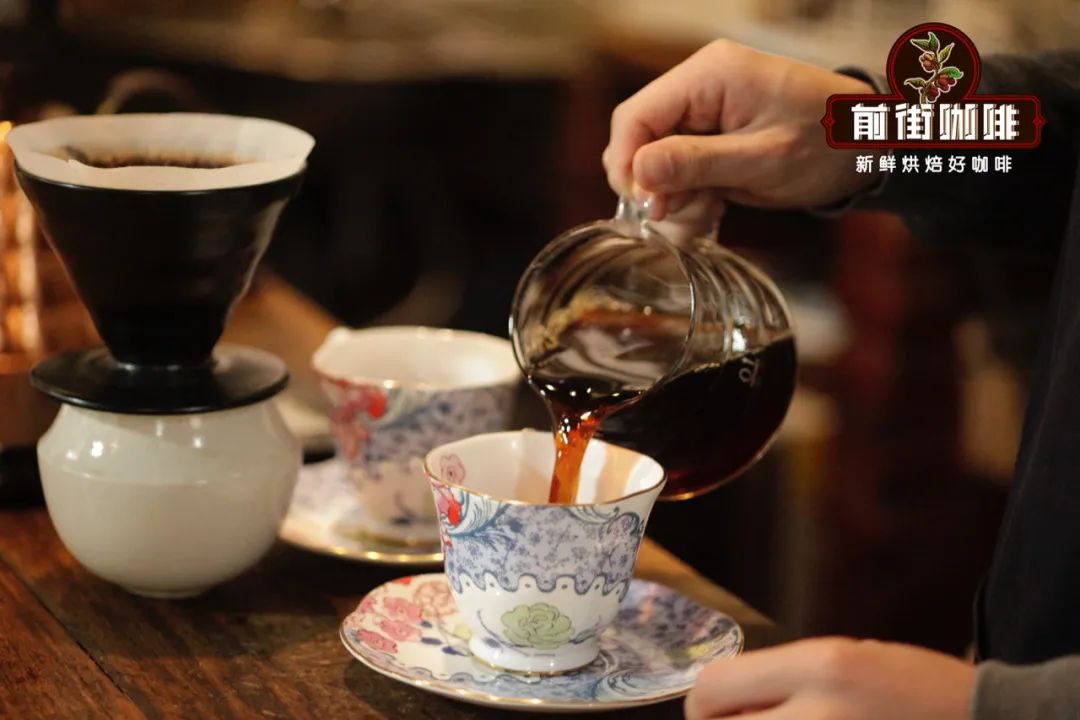
Finally, using a three-phase pouring technique helps enhance the aroma and sweetness of the coffee. First, place the ground coffee into the V60 filter, gently shake to level the surface. The first phase involves pouring 30 grams of hot water for the bloom, lasting about 30 seconds — this step thoroughly saturates the coffee grounds and releases CO₂, laying a solid foundation for subsequent extraction. Next, in the second phase, start pouring slowly in small circles from the center of the filter until the total water volume reaches 125 grams, then pause to let the coffee bed rest. Once the coffee bed settles to the middle of the filter and the grounds are exposed, continue pouring with the same method until reaching 225 grams. The total brew time is recommended to be around two minutes, allowing for about a 10-second margin of error. Finally, remove the filter and gently swirl the coffee in the server before enjoying this pour over version of the natural-processed Typica.
This single-origin representing Yunnan specialty coffee has a clear and distinct flavor profile: the dry aroma gives off enticing notes of caramel, nuts, and citrus; during the high-temperature stage, layers of chocolate, fermentation character, and berries intermingle; as the temperature cools, the slight acidity of plums emerges, with the finish offering a gentle, sweet note reminiscent of black tea and sugarcane. With a medium-high body, clean mouthfeel, and dynamic flavor shifts, it’s a Yunnan classic that pour over lovers shouldn’t miss.
The above content is compiled by CoffeeHunters, a coffee news website.


