







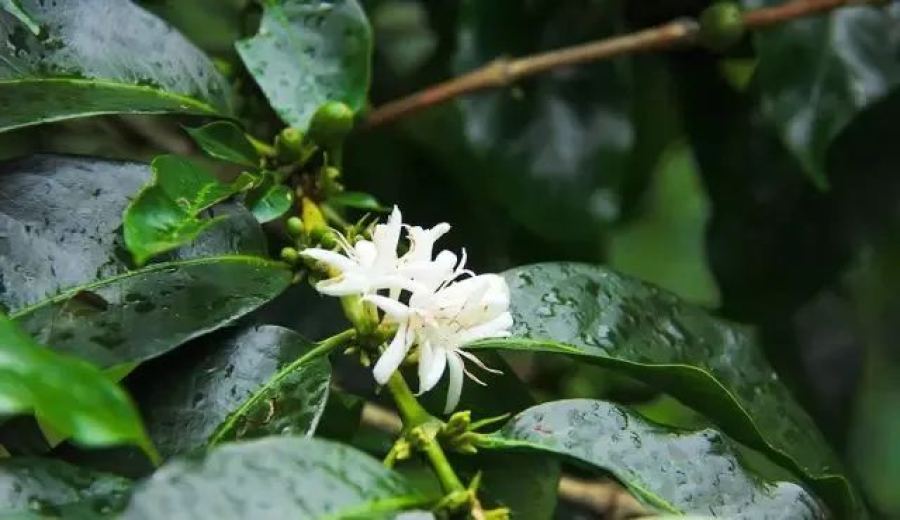
Introduction:Panamanian Geisha (Geisha) coffee is renowned for its delicate floral and fruity aromas and high sweetness profile, often dominating competition championships, yet its price remains exceptionally high. This article delves into the origin of the Geisha variety, why it requires high altitude and shaded growing conditions, the price differences between Emerald Estate’s auction-grade and regular grades, and offers professional pour over parameters and brewing recommendations to help you better appreciate the unique charm of this specialty coffee.
With its bright and rich floral and fruity aromas and sweet tropical fruit notes, Geisha coffee has become a classic representative in the specialty coffee world. From its initial discovery in Ethiopia’s Geisha forest to its breakthrough victory by Panama’s Hacienda La Esmeralda with the Geisha variety at the BOP (Best of Panama) competition in 2004, this coffee gained worldwide fame and became highly sought after by coffee enthusiasts globally. This article not only introduces you to the historical background and variety characteristics of Geisha but also explores the reasons behind its high cost and how to savor its refined flavors through proper brewing techniques.
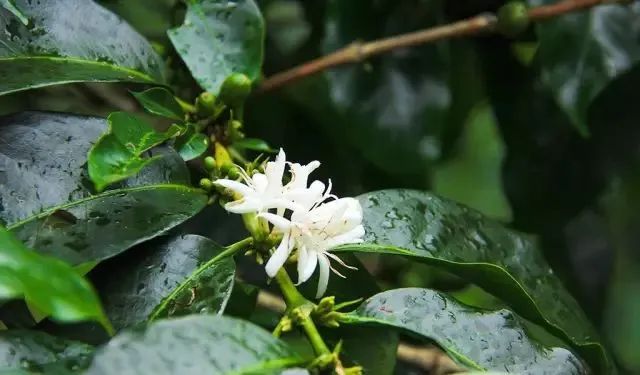
Geisha, which sounds similar to the Japanese word for 'geisha', is also referred to as 'Geisha coffee'. Compared to well-known varieties such as Blue Mountain, Hawaiian Kona, or Mandheling, Geisha boasts more abundant and layered floral and fruity notes, with a gentle and delicate acidity and prominent sweetness—especially the distinct and captivating taste of tropical fruits—earning it the reputation among many baristas as the ‘goddess’ of the coffee world. Not only does it excel in flavor, but Geisha also frequently scores over 90 points in professional cupping evaluations, placing it in the top tier of specialty coffee. However, this also means it is rarely available on the market, making it quite hard to come by.
Geisha was first discovered in 1931 in Ethiopia’s Geisha forest and was initially sent to a coffee research institution in Kenya. It was then introduced to Uganda and Tanzania in 1936, Costa Rica in 1953, and not planted in Panama until 1970. For many years, Geisha did not receive special attention until 2003, when Panama’s Hacienda La Esmeralda (Emerald Estate) isolated the Geisha variety from others and planted it separately. In 2004, it won the championship at the BOP competition, propelling the variety onto the international stage.
The uniquely captivating flavors of Geisha are inseparable from its growing environment. This variety demands very specific conditions in terms of altitude, climate, soil, and shade, typically requiring cultivation at altitudes above 1,700 meters in mountainous regions, with protection from fog or shade trees to avoid direct intense sunlight. The high-altitude environment not only slows down the ripening process of the coffee cherries but also allows the beans to accumulate richer flavor compounds, resulting in its distinctive fresh floral notes and refined fruit acidity.
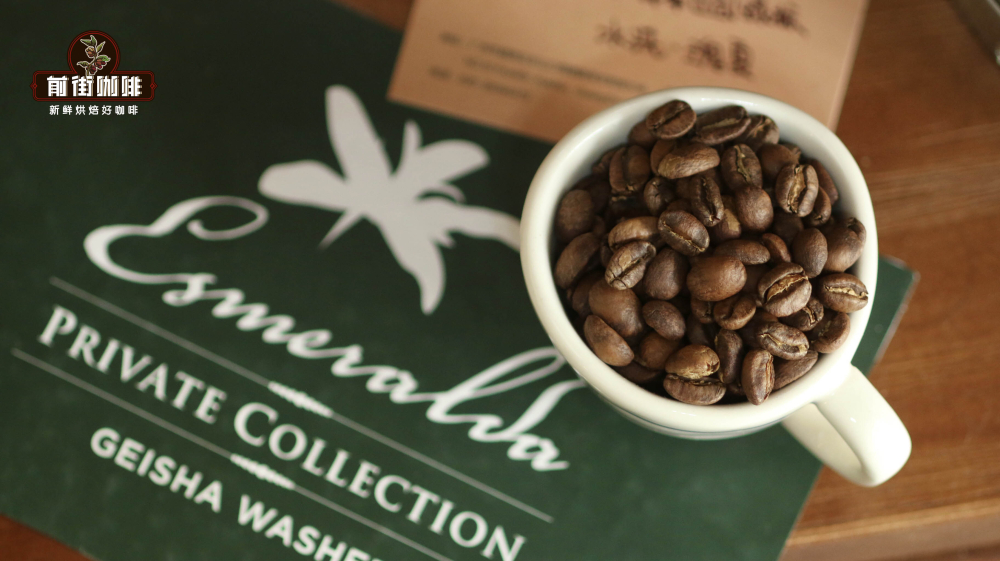
Moreover, Geisha has low adaptability to environmental changes, grows slowly, and yields sparingly. Compared to mainstream varieties like Caturra, a single Geisha plant produces less than half the yield, and the need for meticulous care and long maturation periods further drives up cultivation costs. Especially in Panama, premium offerings like Emerald Estate’s Red and Green Label Geishas are grown in microclimates above 1,700 meters, with some even reaching 1,950 meters. These conditions are key to creating their unique flavors and high prices.
So why is Geisha coffee so expensive on the market? While scarcity of supply is certainly one factor, the more critical reason is its irreplaceable flavor profile. The refined floral notes, multi-layered fruitiness, and high sweetness of Geisha demand extremely precise harvesting timing and post-harvest processing; any delay or mistake can significantly diminish its quality. Additionally, auction-grade Geisha from top estates like Emerald Estate must be acquired through international auctions, driving prices to astonishing levels.

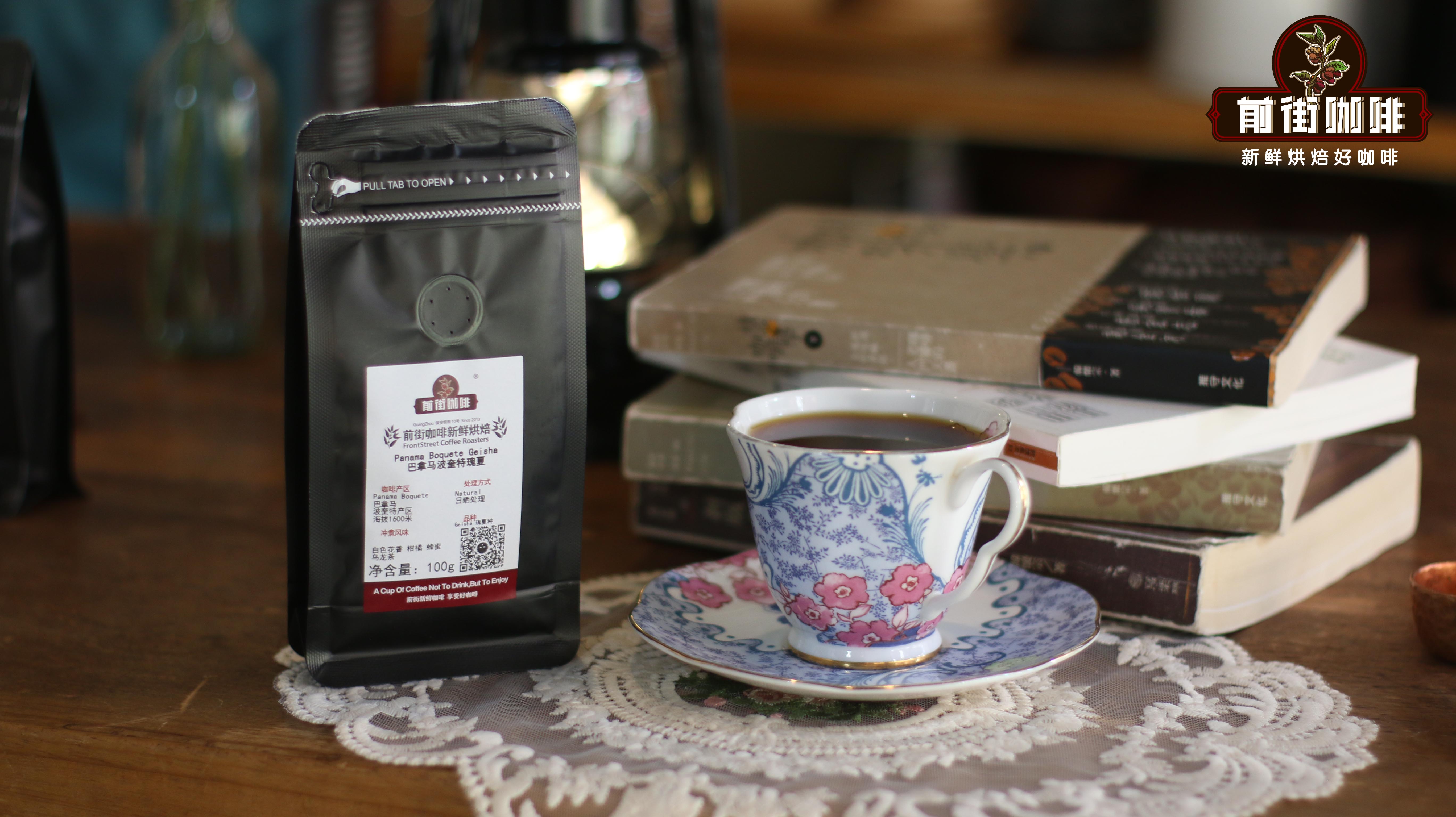
Take Emerald Estate as an example: its auction-grade Geisha was priced at just around $21 per pound in 2004, but by 2017, its naturally processed auction lot fetched an astronomical $601 per pound, equivalent to approximately 8,900 RMB per kilogram of green beans. In contrast, the more accessible Red and Green Label Geishas, though not auctioned, still come from high-altitude, high-quality producing regions, making their prices noticeably higher than those of typical specialty coffee. For instance, the retail price for a cup of Emerald Red Label Geisha is about 75 RMB, with a 100g pack priced at around 350 RMB; the Green Label is about 60 RMB per cup and 168 RMB for 100g. Meanwhile, general Panamanian Boquete region Geisha is around 78 RMB/100g, or about 30 RMB per cup—considerably more affordable.
If you’ve already purchased Geisha coffee beans and want to fully experience their flavors, the correct brewing method is crucial. It is recommended to use a V60 dripper, with a coffee dosage of about 15 grams, a brew ratio of 1:15, water temperature controlled at 90–91°C, and a grind size advised to be medium-fine, roughly 80% passing through a #20 sieve. Brewing can follow a three-stage pouring method: the first stage involves pouring 30 grams of water for a 30-second bloom, followed by the second stage of circular pouring up to 125 grams, waiting for the liquid level to drop, then the third stage pouring up to 225 grams. The total extraction time should be around 2 minutes and 10 seconds to 2 minutes and 20 seconds. These parameters can fully highlight Geisha’s delicate floral notes, citrus tones, and the layered complexity of tropical fruits.
A special reminder: freshly roasted Geisha coffee beans are best left to degas for 3–4 days before brewing for optimal flavor performance. When using pour over, Emerald Red Label Geisha often exhibits fresh jasmine, citrus, and tropical fruit aromas, with bright acidity and a lingering tea-like finish. Its flavor transformation as it cools is also quite fascinating and worth savoring carefully.
The above content is compiled by CoffeeHunters, a coffee news website.


