







Introduction:Want to understand why a certain well-known Indonesian Golden Mandheling is highly praised among coffee enthusiasts? This top-grade Arabica bean from Sumatra, Indonesia, stands out with its clean taste and unique piney aroma. This article delves into the differences between Mandheling and Golden Mandheling, introduces the geographical and climatic advantages of the Sumatra growing region, and explains the quality control of a renowned supplier. It also provides roasting characteristics and brewing recommendations for that particular Golden Mandheling, along with a classic espresso blend that showcases the wild aroma of Mandheling, complete with practical extraction parameters for espresso, Americano, and latte—helping you accurately recreate the classic flavors at home.
For coffee lovers who prefer low acidity, full-bodied taste, and unique herbal aromas, Mandheling is undoubtedly a classic choice. Among the many Mandheling options, a certain Golden Mandheling stands out with a purer flavor profile and elegant pine notes, often leaving a deep impression on first-time tasters. This article will take you on a journey to explore the differences between Mandheling and Golden Mandheling, delve into the unique environment of Indonesia’s Sumatra region, and analyze how a supplier ensures high coffee quality through strict quality control. It will also share insights on the roasting profile of that Golden Mandheling and the best brewing methods. Additionally, a classic Italian blend formula that fully highlights the original aroma of Mandheling will be introduced, along with detailed extraction and preparation parameters for espresso, Americano, and hot latte—allowing you to easily recreate professional-level flavors at home.
A certain brand’s version of Mandheling coffee has long been known for its low acidity, rich body, and distinctive herbal aroma, belonging to the dark roast-oriented "bold" style, and is especially favored by advanced coffee enthusiasts. Golden Mandheling takes this a step further, offering a cleaner and brighter taste with a refreshing pine-like aroma that is often unforgettable and may even become a daily favorite. So, what are the key differences between Mandheling and Golden Mandheling?
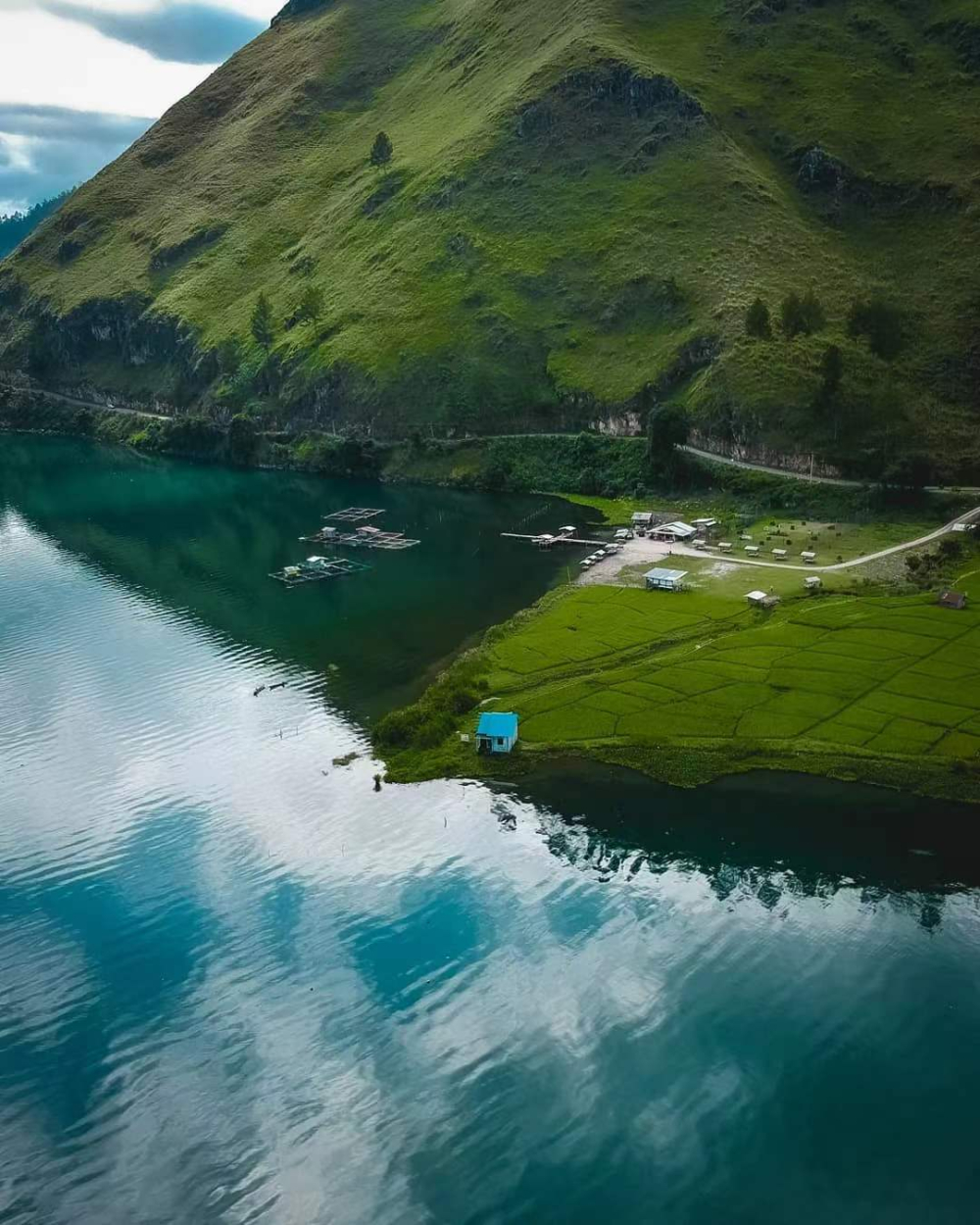
Among Asia’s premium single-origin Arabica coffees, Indonesian Mandheling has consistently received high praise, especially those produced around Lake Toba in north-central Sumatra and the northernmost region of Aceh. These areas are situated at elevations of about 900 to 1,600 meters, paired with a stable tropical rainforest climate year-round, with average temperatures maintained between 25 to 28 degrees Celsius and no distinct dry season, providing nearly perfect growing conditions for coffee trees. As a result, Mandheling from Sumatra generally features rich herbal tones and a full body, making it a favorite among many serious coffee aficionados.
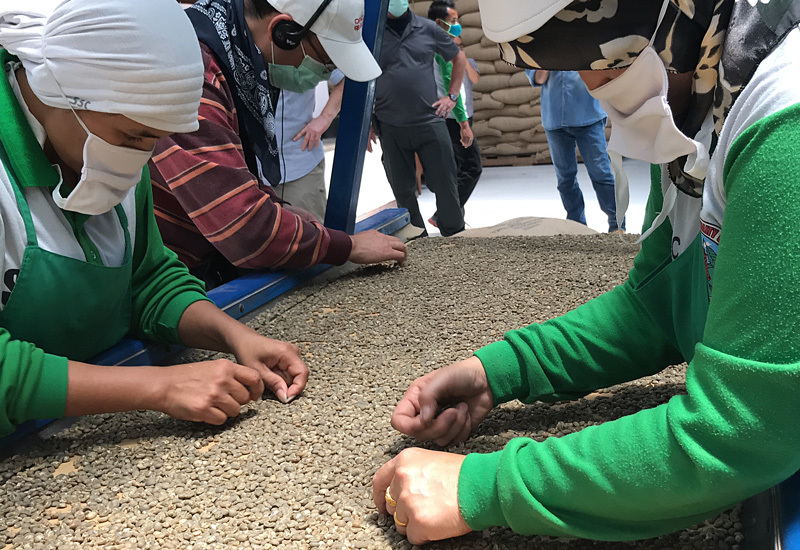
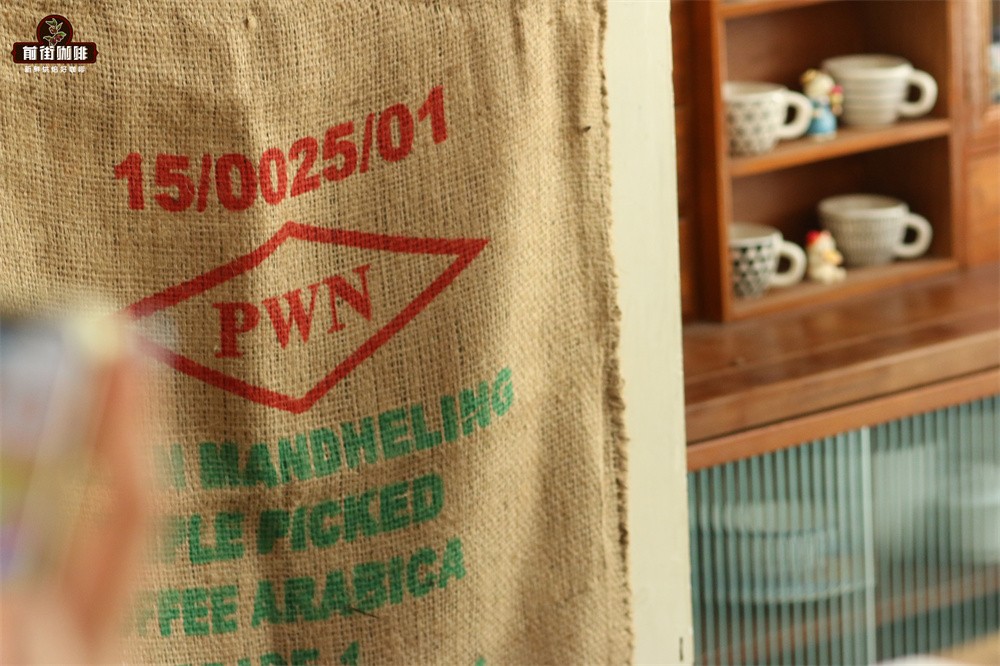
When it comes to "Golden Mandheling," many may mistakenly assume it’s a grading level for coffee beans, but it is actually a registered trademark of Indonesia’s Pwani Coffee Company (N.V. Pawani Medan, abbreviated as PWN). Established in 1957, PWN was the first company in Indonesia specializing in exporting North Sumatran coffee and was a pioneer in successfully promoting the "Mandheling" brand in the Japanese market. Since 1977, PWN has focused on exporting high-quality Sumatran Arabica Mandheling (Grade 1) and Robusta AP-I (Grade 2), with main markets including Japan, Chinese Taipei, and the United States—Japan and Taiwanese markets alone account for over 95% of exports, where "PWN" is almost synonymous with a "guarantee of quality."
The PWN Golden Mandheling sold by a certain merchant undergoes at least three rounds of manual sorting during green bean processing, selecting only top-grade beans larger than 18 mesh with fewer than 3 defective beans per 300g sample—classified as G1, the highest grade. These green beans are dark green in color, regularly shaped as flat beans, and after roasting, they exhibit a rich, evenly colored dark brown. Generally, Indonesian coffee, influenced by its natural terroir and processing methods, often carries distinct herbal and earthy notes, so medium to dark roasts are usually recommended to bring out its rich layers. This Golden Mandheling showcases intense herbal aromas, along with clear caramel sweetness, gentle and steady fruit acidity, and a hint of wild spice. In contrast, traditional Mandheling is usually roasted past the second crack to suppress off-flavors, but Golden Mandheling can still maintain excellent clarity and sweetness even when roasted just before the second crack, offering more flexible roasting interpretation.
For beginner coffee enthusiasts, a certain brand’s Indonesian Mandheling not only offers great value and stable performance but is also an ideal choice for practicing pour over or extraction techniques. If you’re seeking a more elevated Mandheling experience, then choosing PWN Golden Mandheling is the top pick—its delicate and aromatic profile better highlights the essence of high-end brewing methods. Whether using pour over, a home espresso machine, or a moka pot for espresso, you can enjoy its complex flavors of nuts, chocolate, spices, herbs, and caramel, while the herbal and cedar notes are prominent, with almost no earthy taste, and the caramel sweetness is particularly outstanding.
If you want to experience the wild charm of Mandheling at home, try a classic Italian blend—certain brand’s classic blend. This blend combines Brazilian Red Bourbon, Indonesian Mandheling, and Vietnamese Robusta, showcasing Mandheling’s unique herbal aroma, the nutty sweetness of Brazilian beans, and the rich crema and body from Robusta.
Here are practical parameters for making espresso: Use 20g of coffee grounds, aiming to extract 40g of espresso with a 1:2 brew ratio. The grind setting is recommended at Galileo 2.0, and extraction time should be controlled between 26 to 33 seconds. In practice, first thoroughly dry the double-shot portafilter, then grind approximately 20g of coffee beans using a grinder, weigh them accurately, and distribute the grounds evenly with a tool. Next, tamp the coffee into a compact puck to ensure extraction stability. Start the extraction to pre-infuse, rinsing the group head and removing residual coffee grounds, then attach the portafilter and begin the official extraction. When the scale shows 40g of espresso extracted within 28 to 33 seconds, stop the extraction—a rich espresso with Mandheling character is complete. If desired, you can also add ice water or 80°C hot water according to personal taste to make a Mandheling-flavored Americano.
When making a hot latte, it’s recommended to use a 1:6 coffee-to-milk ratio. First, pour 40g of espresso into a preheated cup, then use the steam wand of an espresso machine to froth 240g of milk to about 50–65°C, creating a fine and moderately thick microfoam. Finally, blend the milk and espresso evenly. This way, you’ll enjoy a latte as rich and smooth as a clove-flavored cocoa cookie—warm and truly memorable.
The above content is compiled by CoffeeHunters, a coffee news website.


