







Introduction:This article delves into the origins and flavor characteristics of Catimor, the mainstream coffee variety in Yunnan, and compares it with the traditional Typica, helping you understand the fundamental differences between Arabica and Robusta. It also covers the environments of Yunnan’s main producing regions, current cultivation conditions, and the impact of washed and natural processing methods. Finally, it provides practical pour over brewing recommendations and flavor profiles for three popular beans to help you fully master the brewing techniques for Yunnan coffee.
As an important coffee-producing region in China, Yunnan’s mainstream variety, Catimor, has gradually gained market attention in recent years. However, this shift did not happen overnight but evolved from the earlier Typica. This article explores the development of coffee varieties, explaining how Catimor replaced Typica to become the dominant variety in Yunnan today and analyzing their notable flavor differences. It also introduces the basic characteristics of Arabica and Robusta to help readers build foundational knowledge about varieties and flavors.
Varietal Evolution: The Transition from Typica to Catimor
In the early days, the coffee varieties introduced to Yunnan were mainly Typica, a classic representative of the small Arabica beans, known for its slender bean shape and delicate flavor, but with low yield and susceptibility to leaf rust. With the entry of international brands like Nestlé into Yunnan, farmers gradually switched to Catimor, a high-yield and disease-resistant variety, under the pressure of pursuing stable production. This shift transformed the actual backbone of Yunnan’s small-bean coffee from the original Typica to today’s Catimor, defining the true essence of what is now referred to as "Yunnan small-bean" coffee.
The Fundamental Differences Between Arabica and Robusta
Arabica is regarded as the representative of specialty coffee, known for its higher acidity, complex aromas, and rich layers, but it demands stringent environmental conditions and has limited yield. In contrast, Robusta is valued for its strong bitterness, high caffeine content, and robust disease resistance, often used in instant coffee or espresso blends, though it tends to have a single, intense flavor and lower acceptance. Yunnan’s Catimor, carrying Robusta genes, exhibits a flavor profile that lies between the two—offering certain layers while maintaining stability.
Characteristics and Origins of the Catimor Variety
Catimor is a hybrid variety bred in 1959 by a Portuguese coffee research institution, with Timor (known for its strong disease resistance) and Caturra (known for better flavor) as its parent varieties. This variety combines the disease resistance and crema advantages of Robusta with some of the flavor traits of Arabica, resulting in high yield, disease tolerance, and suitability for dense planting. However, due to its genetic makeup, its flavor often carries grassy notes and noticeable bitterness, with overall cleanliness and fruit aroma layers inferior to purebred Arabica.
Typica: A Classic Yet Gradually Replaced Variety
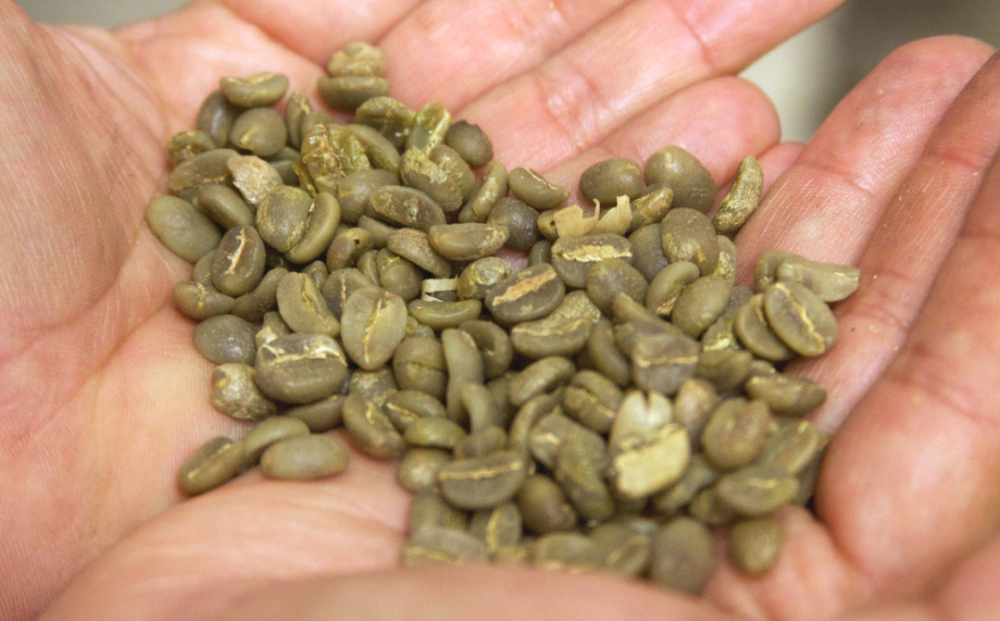
Typica is one of the oldest coffee varieties from Ethiopia, characterized by tall plants, bronze-colored leaves, and slender beans. Its flavor is known for citrus acidity and a sweet aftertaste, celebrated for its elegant and clean classic profile. However, due to low yield and weak disease resistance, it has gradually been phased out by the market. Jamaican Blue Mountain coffee is a descendant of the Typica family, showcasing ultimate balance and delicate expression through the region’s unique terroir and strict cultivation practices.
Yunnan Producing Regions and Environmental Conditions
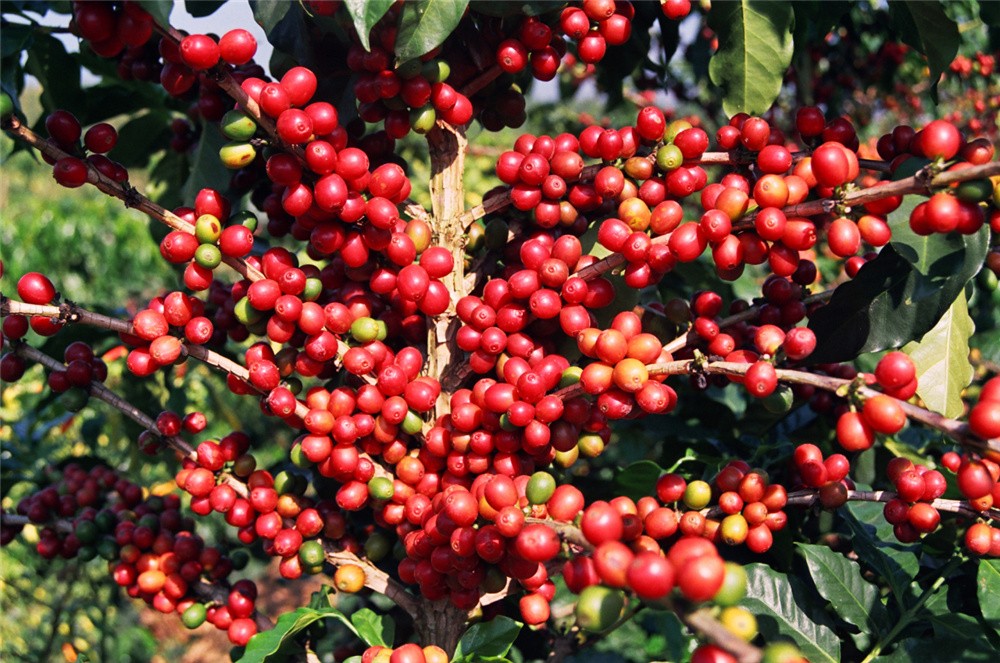
Yunnan coffee is currently concentrated in areas such as Pu’er, Lincang, Baoshan, Dehong, and Wenshan. Among these, Lincang, located near the Tropic of Cancer, benefits from distinct wet and dry seasons, abundant sunlight, moderate altitude, and temperature, making it a promising region for coffee cultivation. Dehong is renowned for its high-altitude organic farming, while Baoshan, with its long history of varietal introduction and international market recognition, holds the geographical indication protection for "Baoshan Small-Bean Coffee." One coffee brand has even built its own estate in Lincang, planting Typica varieties to revive high-quality Arabica flavors.
Impact of Processing Methods on Flavor
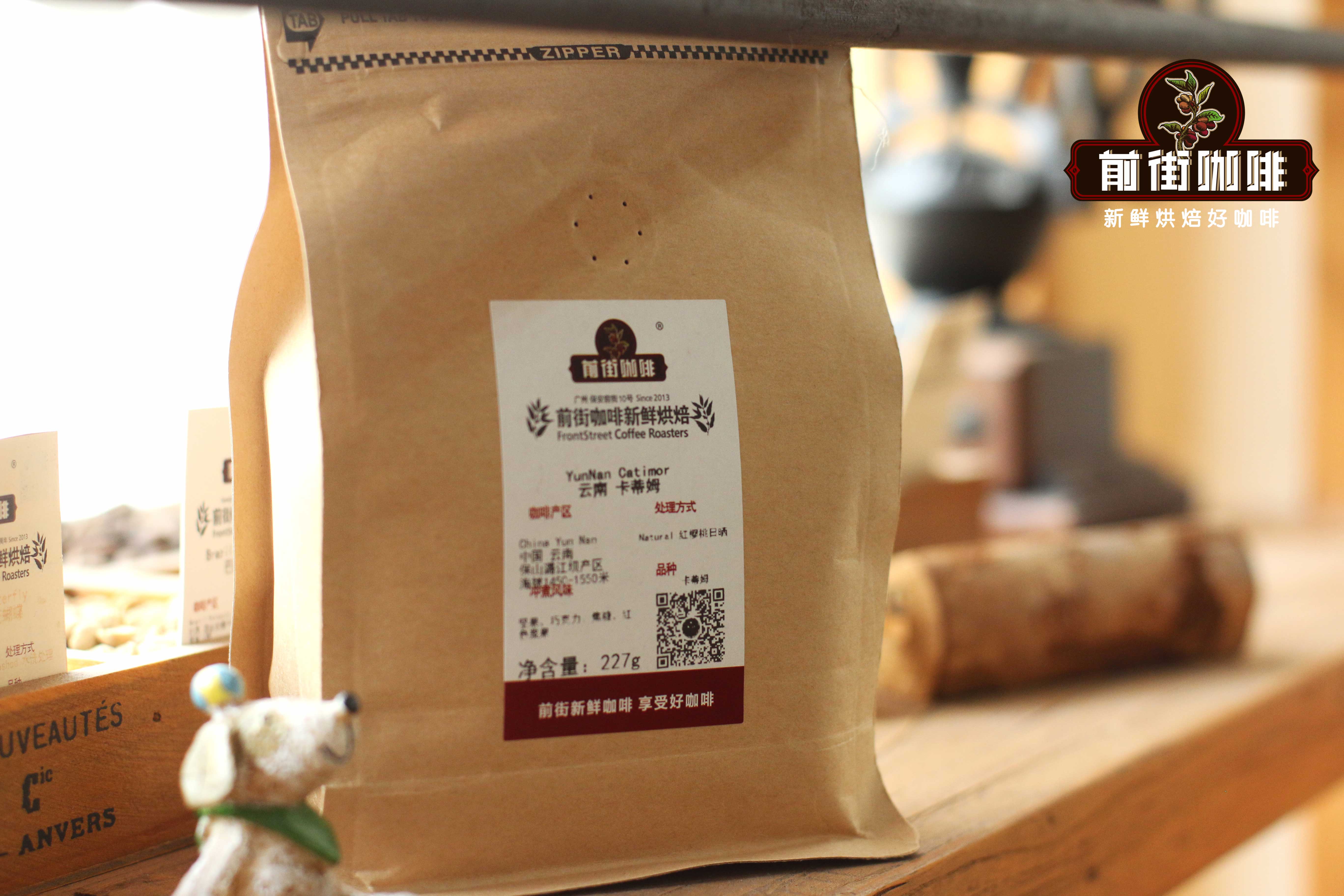
Due to Yunnan’s rainy weather, washed processing has become the mainstream method, effectively removing impurities and undesirable flavors while highlighting clear fruit acidity and a clean taste. Natural processing retains more sweetness and fruity aromas but requires strict control over fermentation and drying processes. A certain brand’s naturally processed Catimor and Typica beans showcase the diverse flavor possibilities through different processing methods.
Pour Over Brewing Recommendations and Parameter Settings
To fully showcase the sweet-acid balance and tea-like qualities of Yunnan coffee, it is recommended to use medium roast beans and brew with a V60 dripper. Specific parameters are as follows: a 1:15 coffee-to-water ratio, using medium-coarse grind (similar to coarse sugar, approximately 75% extraction through a #20 sieve), and water temperature controlled at 88°C. Start with a 30-second bloom using double the coffee’s weight in water (e.g., 60g water for 30g coffee) to release CO₂, then pour in a circular motion to reach 125g before the first pour, followed by additional pouring to a total of 225g. The total brewing time is around 2 minutes. Gently swirl the coffee before pouring into the cup to better experience its layered flavors.
Flavor Descriptions of Three Popular Yunnan Coffee Beans
Washed Yunnan Small-Bean Coffee:Presents herbal, nutty, chocolate, and caramel notes, with a light fruity acidity in the aftertaste, delivering a refreshing and balanced overall profile.
Naturally Processed Catimor Coffee:Features a flavor profile centered on nuts, chocolate, spices, and plums, with rich layers and intense sweetness.
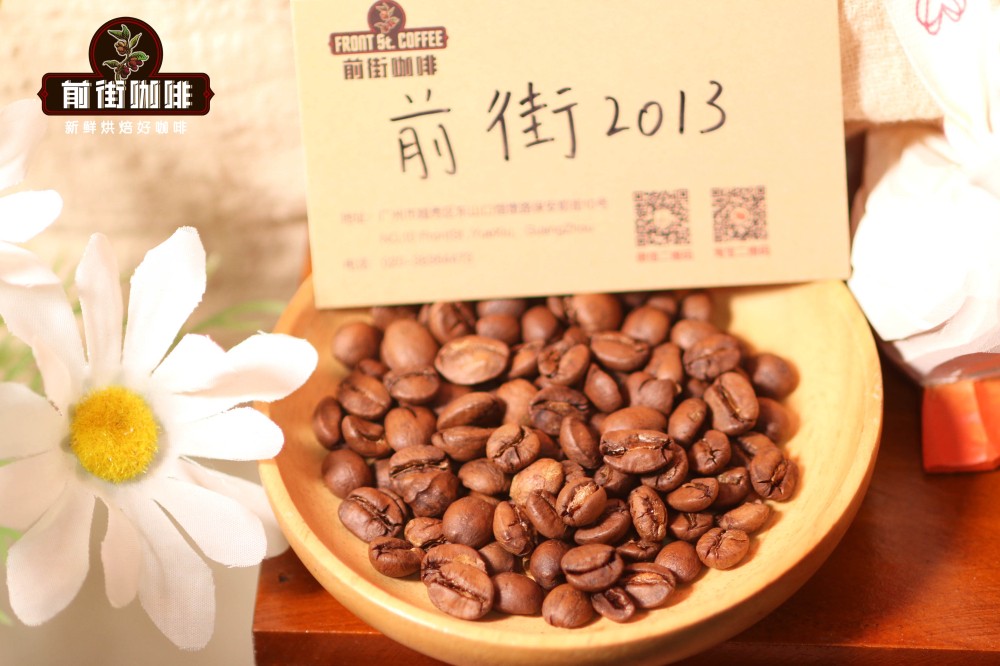
Naturally Processed Typica Coffee (2013):Offers a solid mouthfeel, gentle acidity, with berry-like tartness and brown sugar sweetness, and a mild tea-like aftertaste, achieving an overall elegant balance.
The above content is compiled by CoffeeHunters, a coffee news website.


