







Introduction:Mandheling coffee is renowned for its distinctive herbal and full-bodied flavor, but the commonly available dark-roasted beans on the market often mask the subtle differences in origin and variety. This article focuses on four classic Mandheling coffees from Sumatra, Indonesia—Lintong, Golden, Tiger, and Aged—and delves into their green bean characteristics, differences between wet-hulled and sun-dried processing methods, and provides professional roasting profiles along with KONO filter brewing parameters. From flavor profiles to brewing practice, it offers a comprehensive guide to mastering the essence of this classic coffee.
In the world of specialty coffee, Mandheling coffee holds a unique place with its rich and bold herbal notes, yet the origins of the name and the diverse regions, varieties, and processing methods behind it are lesser known. This article centers on Sumatra, Indonesia, and takes an in-depth look at four of the most representative Mandheling coffees: Lintong Mandheling, Golden Mandheling, Tiger Mandheling, and Aged Mandheling. It covers everything from green bean features and processing techniques to roasting and cupping flavors, supplemented with practical pour-over recommendations, providing coffee enthusiasts with an insightful and practical tasting guide.
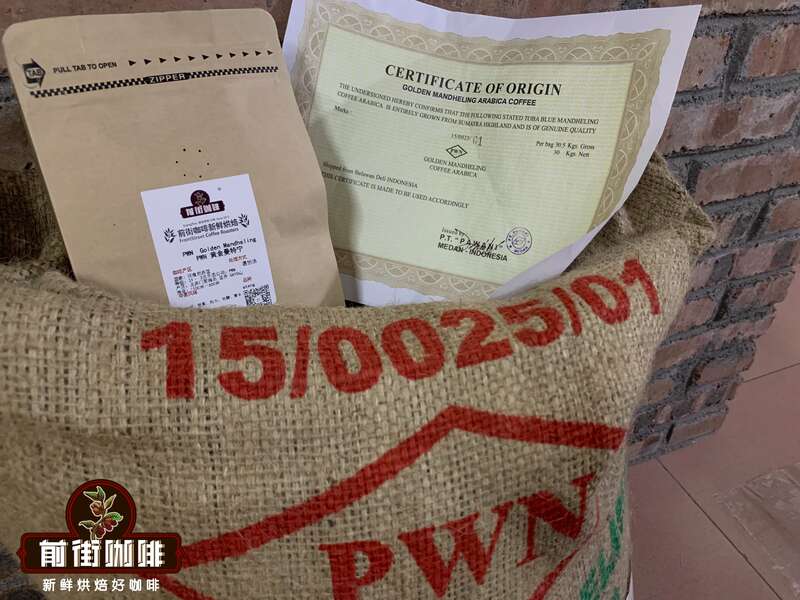
The term "Mandheling" is not actually the name of a region, port, or coffee variety, but rather a transliteration of the name of the Mandailing ethnic group in Indonesia. During World War II, Japanese soldiers tasted local coffee in Indonesia and were so impressed that they sought it out through trade channels after returning home. To avoid revealing commercial sources, locals casually referred to it as "Mandailing," and the name serendipitously became synonymous with this coffee. Interestingly, the coffee was supplied by what later became the Indonesian PWN company, which now specializes in Golden Mandheling.
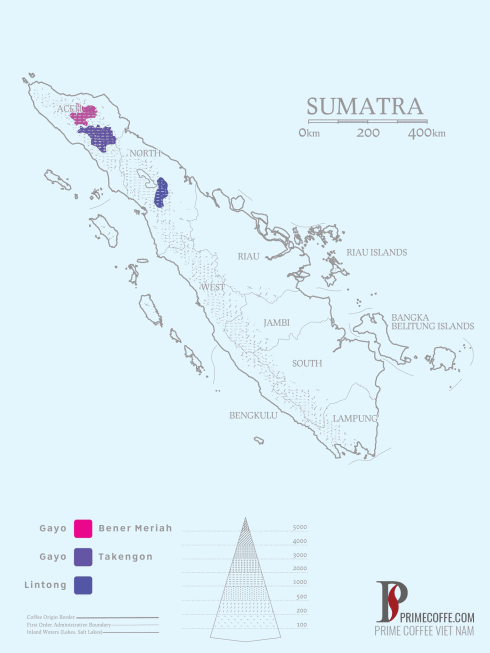
The main coffee-producing regions in Indonesia include Sumatra, Java, and Sulawesi, among which Sumatran "Mandheling" is the most famous. Strictly speaking, only coffee beans from the Lake Toba region (northwestern Sumatra) can be called "Mandheling." These coffees are known for their intense and bold flavors, full body, and lively vibrancy—non-astringent and non-acidic, with an impressive balance between bitterness and body. Notably, Sumatran beans are often considered the "ugliest" in appearance, but enthusiasts generally believe that the more irregular the beans, the smoother and richer the flavor tends to be.
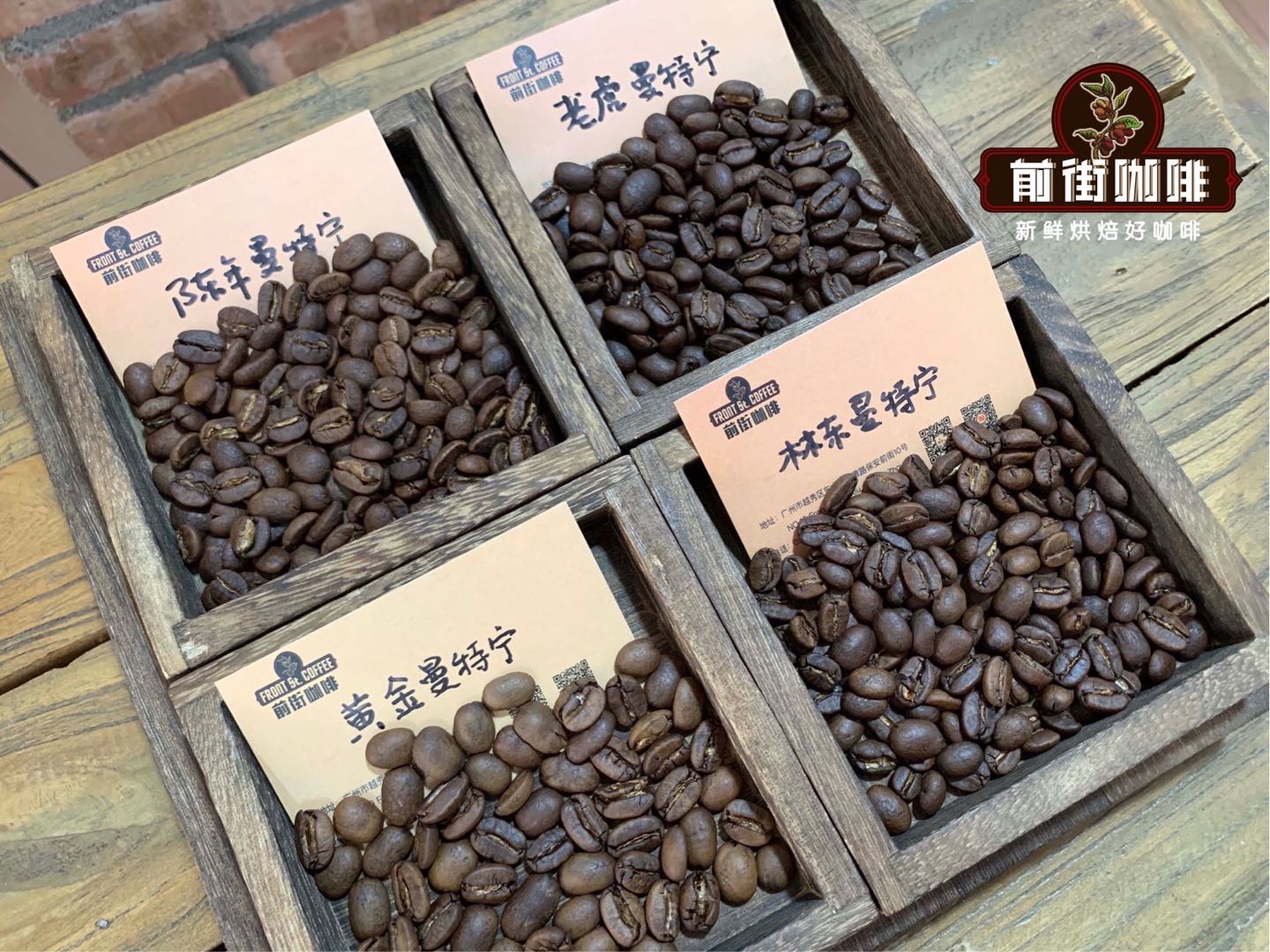
Here is a detailed breakdown of the four classic Mandheling coffees:
1. Lintong Mandheling
Grown in the Lintong region, these beans are larger and harder in texture. They are primarily Typica or its variants, and due to a higher defect rate, require strict screening. The flavor is rich, sweet, and aromatic, with mild sweetness and acidity, making it a common base for blended coffee.
2. Golden Mandheling
Registered as a trademark by the Indonesian PWN company, it is grown in the Gayo highlands of Aceh, North Sumatra, and the variety is Ateng (a Catimor derivative). Beans must be 19 mesh or above and go through four rounds of manual sorting, meeting very strict quality standards.
3. Tiger Mandheling
Only beans that are 17 mesh or larger with a defect rate below 4% are selected, mainly consisting of Catuai and Typica. Catuai contributes citrus and lemon acidity, while Typica adds lasting sweetness, resulting in an overall balanced and clean cup.
4. Aged Mandheling
Rather than simply being stored for a long time, it undergoes proper aging for 2 to 3 years, during which acidity diminishes and bean density increases, often developing complex notes such as mold, jute bags, or leather, along with a rich layered flavor.
The unique flavor of Mandheling is largely attributed to Indonesia's traditionalwet-hulling process (Wet Hulling, locally called Giling Basah). This method is similar to washed processing, but the resulting flavors are vastly different—wet-hulled coffee is typically bold and intense, with a distinctive character. Originating during the Dutch colonial period in the 17th century, this technique was developed to achieve faster economic returns by significantly shortening processing time and reducing labor costs, eventually becoming the hallmark processing method for Mandheling.
The steps of the wet-hulling process are as follows:
① Remove the skin and pulp, leaving the parchment and mucilage
② Ferment in water tanks
③ Wash off the mucilage
④ Sun-dry with parchment for 2-3 days until moisture content reaches 20-24%
⑤ Hull off the parchment
⑥ Dry the green beans to 12-13% moisture content
⑦ Prepare for export
However, in recent years some producers have experimented with other processing methods. For example, theSun-Dried Mandhelingfrom Wahana Estate in Sumatra, Indonesia, uses a more time-consuming sun-drying process, resulting in a fruit-forward flavor profile with sweet taste and gentle acidity. This estate is located in the Lake Toba region, at an altitude of 1200-1500 meters, with a cool climate and significant day-night temperature variation. The red cherries have a sugar content exceeding 13%. During processing, only red cherries are selected, and after hand-picking defective beans, they are evenly spread on the drying field and turned several times a day. Drying takes 2-3 weeks (adjusted according to weather) until moisture content drops to 11-13%, after which the beans are hulled.
Brewing recommendation: Light roast, using a V60 filter, water temperature around 90°C, coffee-to-water ratio 1:15, 15g of coffee, grind size similar to sugar (80% through a 20-mesh sieve per Chinese standard). Brew via pulse pouring: Bloom with twice the coffee weight in water (30g water for 30 seconds), then pour in a small circular motion up to 125g before the first pause, and continue pouring to 225g when the water level is about to expose the coffee bed. Total brew time is about 2 minutes. Flavor notes include tropical fruit acidity and sweetness, with prominent fermentation aromas, smooth mouthfeel, and outstanding sweetness.
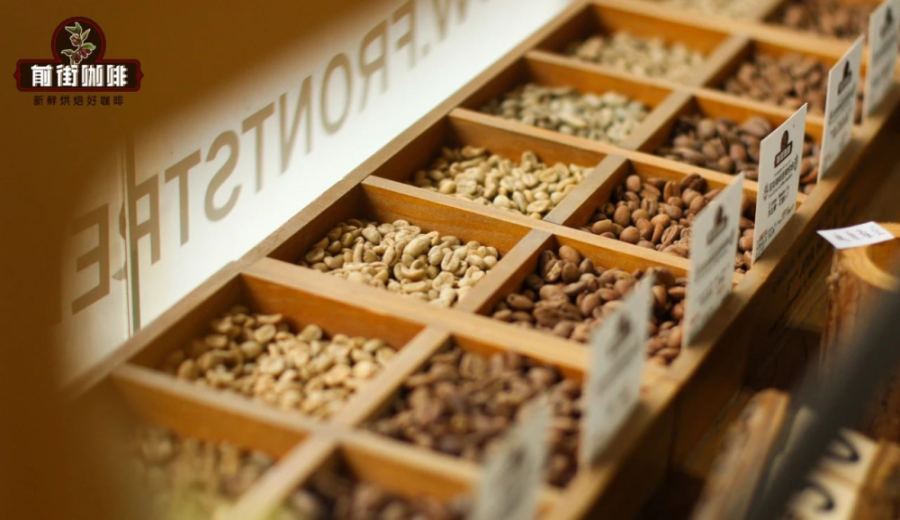
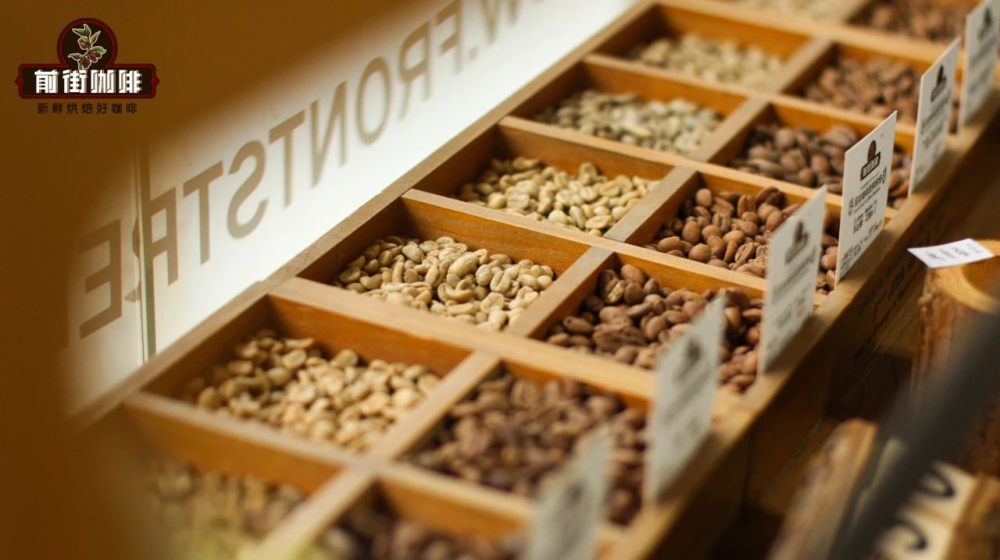
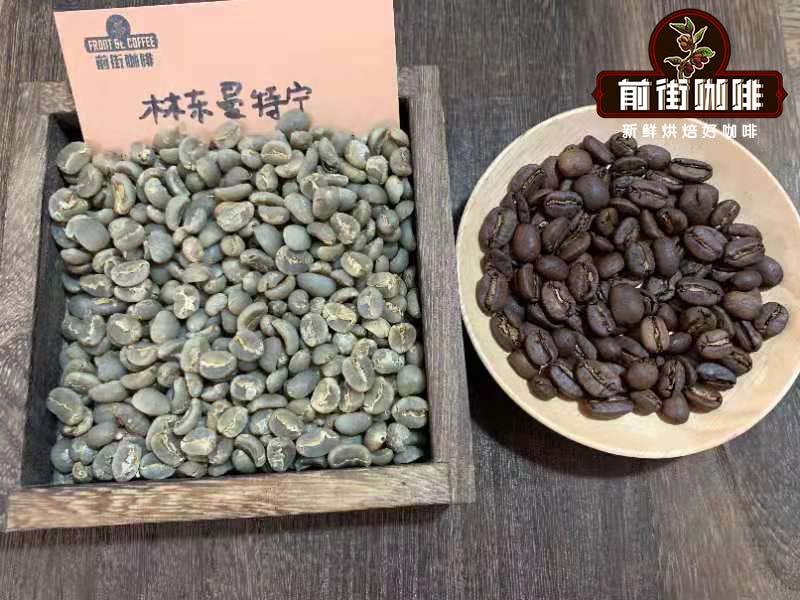
Observing the green beans of the four Mandheling types, you’ll find a relatively high proportion of elephant ear beans, which results from hulling when the beans still have higher moisture content and softer texture. Specific traits are as follows:
• Golden Mandheling: 19+ mesh, noticeably larger in size, darker green in color
• Tiger Mandheling: Roundish, slightly yellow-green beans with good uniformity
• Lintong Mandheling: Gray-green, varying in size, with poorer uniformity
• Aged Mandheling: Orange-ish black, wrinkled surface, uniform in size
In terms of roasting, the brand aims to highlight regional characteristics and designs a unique curve for each bean:
• Lintong Mandheling: Medium-dark roast, charge temperature 200°C, yellowing point at 5'18", first crack starts at 9 minutes (186°C), development for 4 minutes after first crack (202°C), aiming to enhance body and balance.
• Golden Mandheling: Charge temperature 200°C, yellowing point at 5'40", first crack at 9'54" (191.2°C), development for 3'30" after first crack (204.5°C), with attention needed for drying high-moisture beans.
• Tiger Mandheling: Medium-dark roast, charge temperature 200°C, yellowing point at 5'18", first crack at 9 minutes (186.2°C), development for 4 minutes after first crack (203°C), extending caramelization to strengthen cleanliness and sweetness.
• Aged Mandheling: Charge temperature 200°C, yellowing point at 5'35", first crack at 9'30" (186.8°C), development for 3'20" after first crack (197.5°C), with careful adjustment of heat to avoid scorching surface oils.
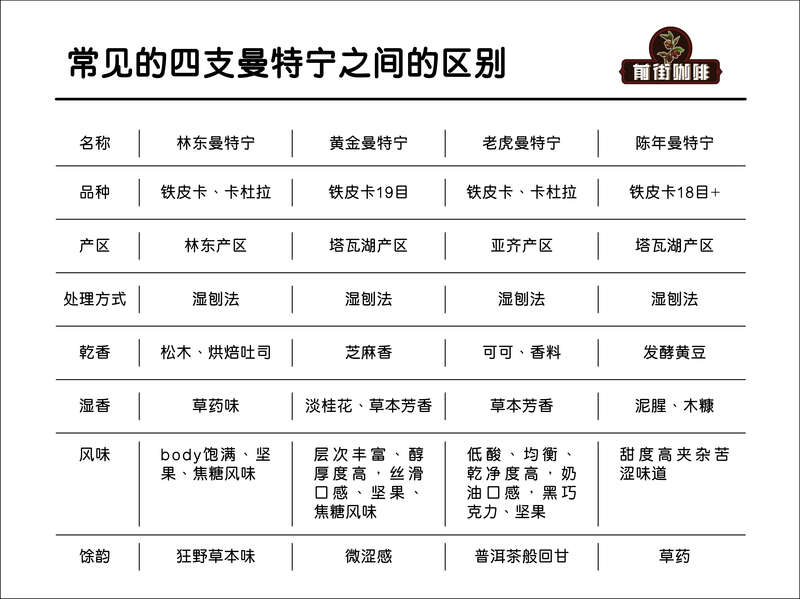
Cupping flavor profiles are as follows:
• Lintong Mandheling: Herbal, chocolate, caramel, overall balanced
• Golden Mandheling: Nutty, spicy, herbal, licorice, chocolate, caramel, clean and soft flavors
• Tiger Mandheling: Nutty, creamy, dark chocolate, caramel, traditional Chinese medicine notes, pronounced sweetness and clarity
• Aged Mandheling: Aged pu-erh, caramel, herbal, chocolate, lower acidity
Finally, using a KONO filter to pour over the four Mandheling coffees can present a rounder and fuller mouthfeel. Recommended parameters: bloom with 30g water for 30 seconds, then pulse pour with a small stream up to 125g before the first pause, and continue pouring to 225g when the water level is about to expose the coffee bed. Total brew time is about 2 minutes. Flavor profiles for the four beans are:
• Lintong Mandheling: Herbal, chocolate, nuts, toasted bread
• Golden Mandheling: Spices, nuts, pine, chocolate, caramel
• Aged Mandheling: Aged pu-erh, chocolate, caramel, herbs
• Tiger Mandheling: Nuts, cream, dark chocolate, brown sugar, caramel
The above content is compiled by CoffeeHunters, a coffee news website.


