







Introduction:The French press and moka pot are two classic brewing devices commonly used by home coffee enthusiasts. Though simple to operate, they produce distinctly different coffee flavors. This article provides an in-depth comparison of their extraction principles, suitable coffee bean types, grind size and coffee-to-water ratio recommendations, and offers detailed solutions to the common issue of moka pot bottom scorching—helping you master the usage techniques of each device more precisely to brew balanced and satisfying cups of coffee.
Among the many home coffee tools, the French press and moka pot have long been favored by beginners and daily coffee drinkers due to their intuitive operation and easy accessibility. Although both are considered "easy-to-use" devices, they differ significantly in extraction methods, final coffee flavor profiles, and even the types of coffee beans they are best suited for. Understanding their characteristics and correct usage can help you tailor the optimal coffee brewing method to your personal preferences.
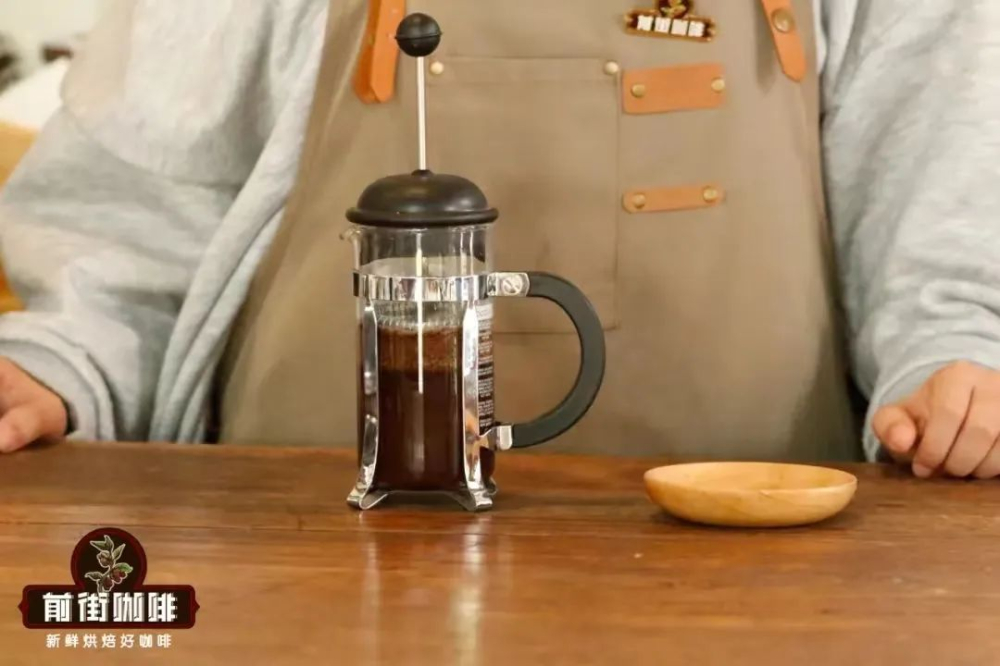
French Press (法壓壺)It is an immersion brewing device consisting of a metal filter and a glass (or stainless steel) carafe. Its extraction logic is similar to that of professional cupping, allowing it to fully release the oils and various flavor compounds in coffee, making it ideal for showcasing the layered flavors and fruity notes of medium to medium-dark roasted beans.
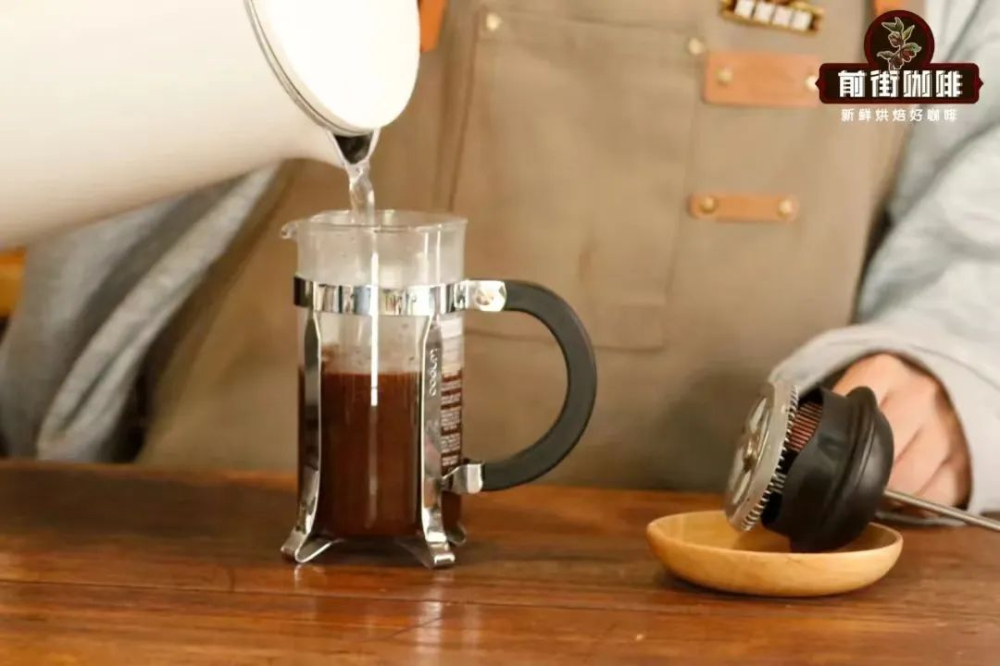
When using a French press, it is recommended to choose single-origin coffee beans, especially those with medium to medium-dark roasts. For readers who prefer bright floral and fruity flavors, you can try beans with pronounced sweetness; if you favor a richer style, medium-dark roasted beans with earthy and woody notes are also a good choice. In terms of grind size, you should usemedium-coarse, roughly between levels 5 to 6, to avoid over-extraction and murky sediment caused by too fine a grind. As for the coffee-to-water ratio, it is suggested to start with1:10, which is 20 grams of coffee grounds to 200 grams of hot water. The steeping time is about3 to 4 minutes, which allows the coffee grounds and water to interact fully and extract a complete range of flavors.
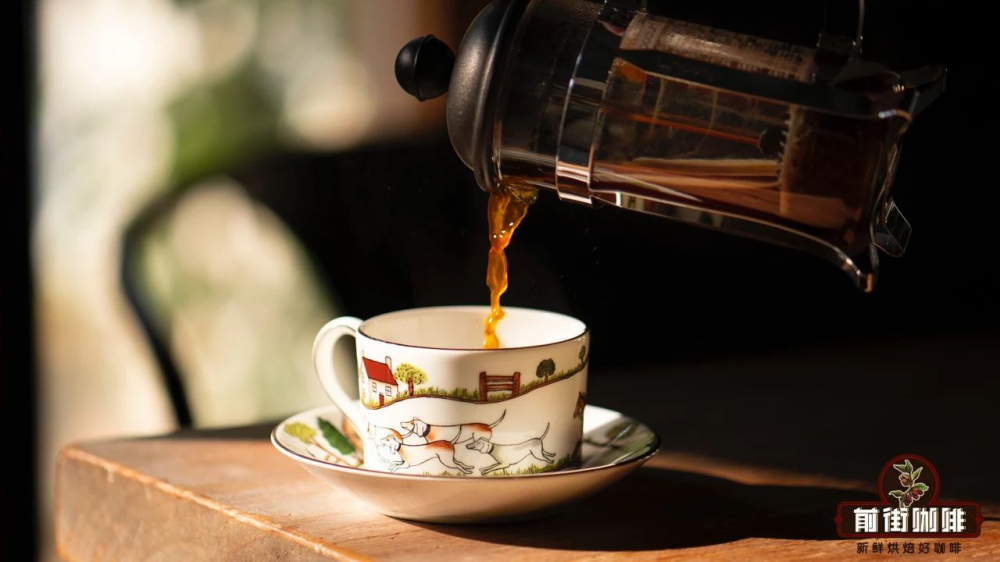
During the process, first add an appropriate amount of coffee grounds into the pot, then pour nearly93°C hot water, gently stir to mix, and let it steep. Before the steeping ends, you can skim off any foam and fine particles, then slowly press down the filter to avoid excessive pressure leading to over-extraction. After brewing, it is recommended to pour out the coffee immediately to prevent further steeping and over-extraction. If you want to make coffee with milk, you can also use the French press to froth milk, adding a delicate texture to your drink.
When using a French press, it is advised to use an electronic scale to ensure an accurate coffee-to-water ratio and to preferably usefiltered soft waterto enhance the flavor profile of the extraction. When pressing down, do so steadily and slowly to avoid stirring up excessive bitter substances. Additionally, although the French press has a low barrier to entry, if you wish to consistently reproduce a certain flavor profile, it’s advisable to record details such as the coffee bean type, grind size, water temperature, and steeping time for future adjustments and to replicate your desired taste.

In contrast,the Moka Pot (摩卡壺)is a device that uses steam pressure for extraction. Originating from Italy, it consists of three main parts: the lower chamber, the funnel, and the upper chamber. Water is added to the lower chamber, finely ground coffee is placed in the funnel, and heating causes steam to push the brewed coffee through the coffee layer and up into the upper chamber. This method produces a strong, rich coffee similar in flavor profile to traditional espresso, making it very suitable for those who prefer intense tastes.

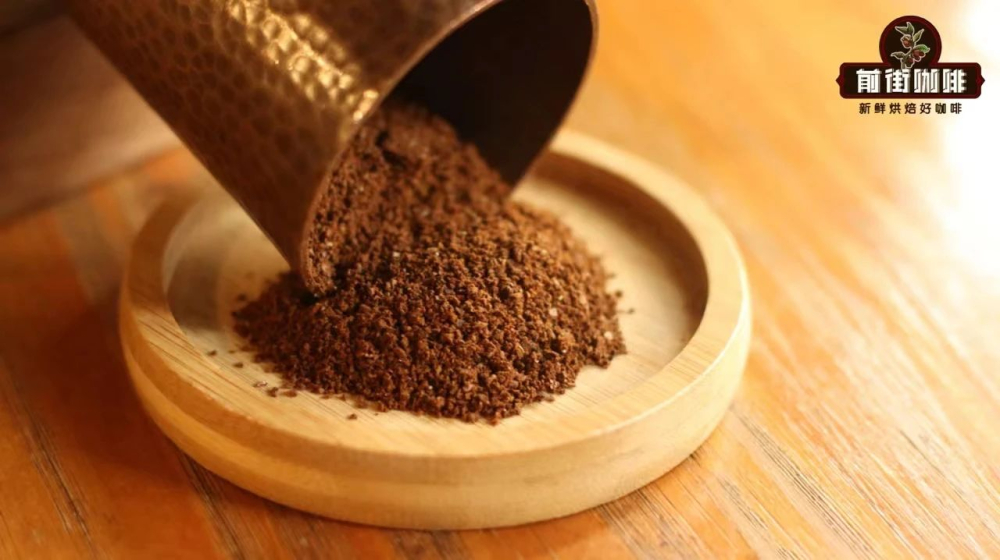
Although the extraction principle of the moka pot is simple, avoiding the commonbottom scorching issuerequires mastering several key techniques: including proper water level control, suitable grind coarseness, and stable heating pace. It is generally recommended that when pouring water into the lower chamber, the water level does not exceedabout 0.5 cm below the pressure relief valve, which can effectively reduce the risk of the coffee grounds sticking and burning at the bottom due to excessive heat. Additionally, the grind size in the funnel should be slightly coarser than espresso but still fine enough to distribute evenly, avoiding overly coarse grinds that lead to under-extraction or overly fine ones that cause blockage and uneven pressure.
In practice, it is recommended to usedark roastedcoffee beans, such as blends with prominent nutty or chocolatey notes, which better match the bold flavor profile emphasized by moka pot extraction. After filling the coffee, gently tamp it down, then tightly assemble the funnel with the lower chamber and place it on a heat source (such as a ceramic stove) to heat. When you hear a distinct “wuu wuu” sound, it indicates that pressure is gradually building up. At this point, reduce the flame and observe the flow of coffee into the upper chamber. Once about half of the coffee has flowed out, you can turn off the heat and let residual heat complete the final stage of extraction.
The resulting moka pot coffee can be adjusted to your liking—for example, diluted with hot water to make a strong coffee similar to Americano, or mixed with warm milk to create a rich moka pot latte. Either way, it highlights the boldness and layered flavors of dark roasted coffee beans.
In summary, although both the French press and moka pot are not complicated to operate, they are each suited to different coffee flavor directions and usage scenarios. The French press is better for highlighting the fruitiness, sweetness, and body of the coffee itself—especially medium to dark roasted single-origin beans. The moka pot, on the other hand, extracts a rich and thick coffee liquid through pressure brewing, making it an excellent match for dark roasted blends. Mastering their respective grind sizes, water temperatures, coffee-to-water ratios, and operational details will allow you to consistently brew high-quality coffee at home.

The above content is compiled by CoffeeHunters, a coffee news website.


