







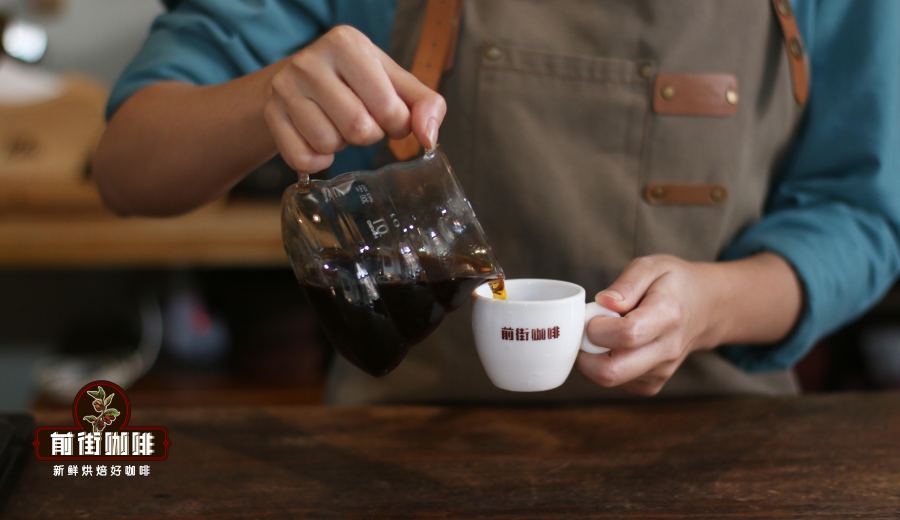
Introduction:Indonesian Sumatra’s Golden Mandheling is famed for its full-bodied flavor, yet often misunderstood as bitter. A well-known coffee brand’s PWN-certified Golden Mandheling lets you experience layers of caramel-like sweetness at just 30 yuan per cup. This article delves into this triple-handpicked G1-grade coffee bean, covering the Gayo highland growing region in Aceh, the wet-hulled processing method, and Kono filter brewing parameters and flavor profile — guiding you through key brewing techniques while avoiding common extraction pitfalls.
Among many single-origin coffees, Indonesian Mandheling wins the hearts of many coffee lovers with its solid, full body. However, full body doesn’t mean bitterness — when brewed properly, it can highlight sweet aftertastes reminiscent of cane sugar. A brand’s PWN Golden Mandheling, sold at 30 yuan per cup, offers a rich flavor profile that gives first-time single-origin drinkers a fresh take on “full body.” Next, we’ll comprehensively break down this highly praised coffee bean — from origin and processing to roasting and pour-over parameters.
Regional Terroir: The High-Altitude Charm of Gayo Mountain
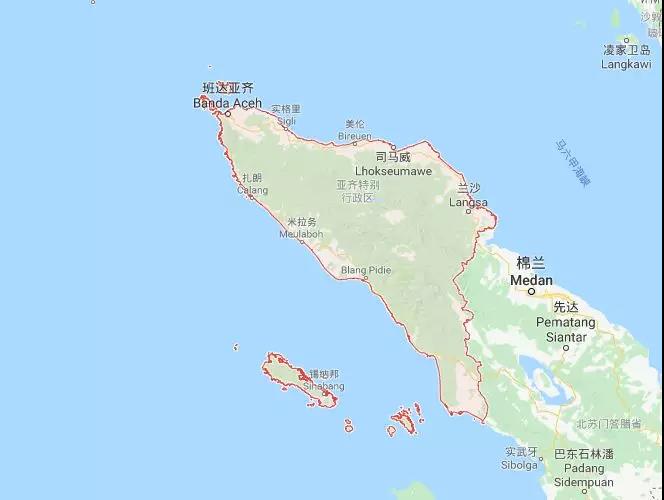
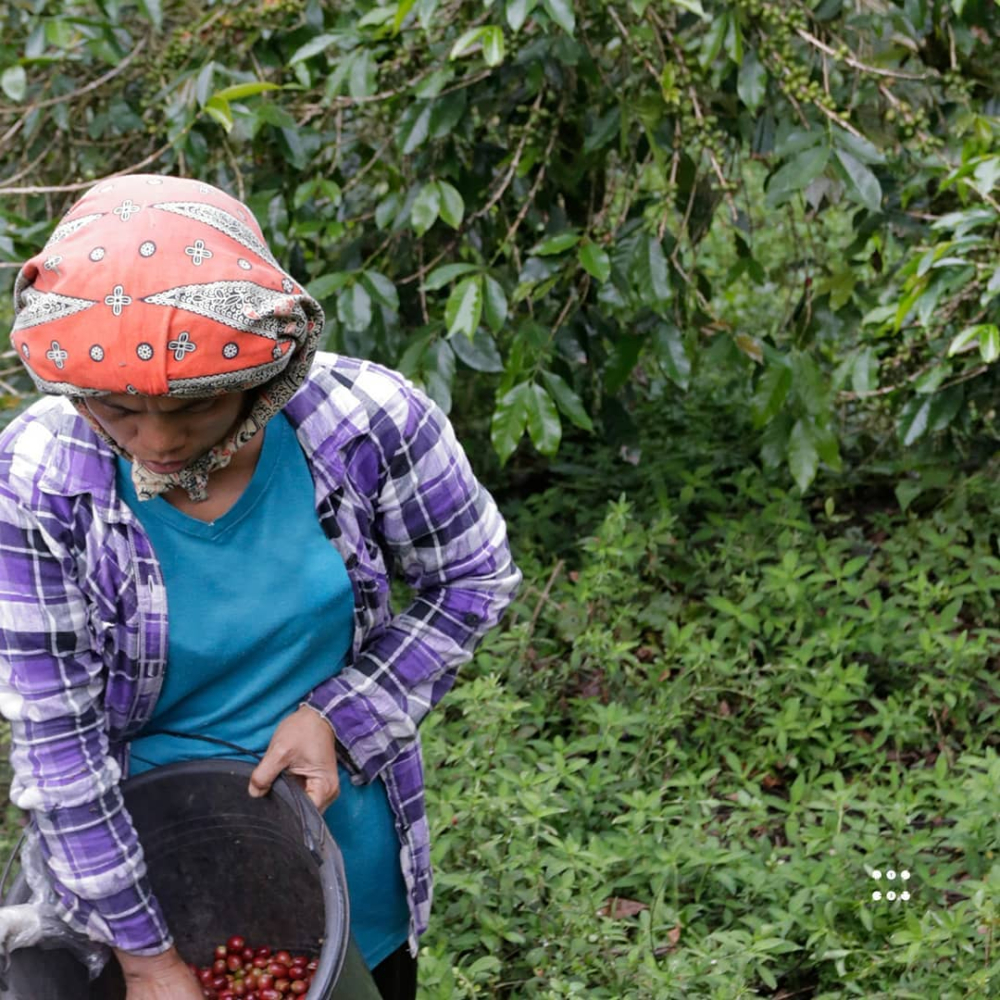
The Golden Mandheling used by the brand comes from the Gayo area in Aceh Province, northern Sumatra. These slopes, located around the town of Takegon and Tawar Lake, are planted at elevations of about 1,110 to 1,600 meters. Smallholder farmers carefully cultivate the beans under shade trees, combined with the wet-hulled processing method, giving the coffee a rich texture that balances depth and vibrancy. It’s worth noting that due to historical and political factors, the Aceh region is less known to outsiders, but precisely for that reason, it preserves a purer coffee terroir.
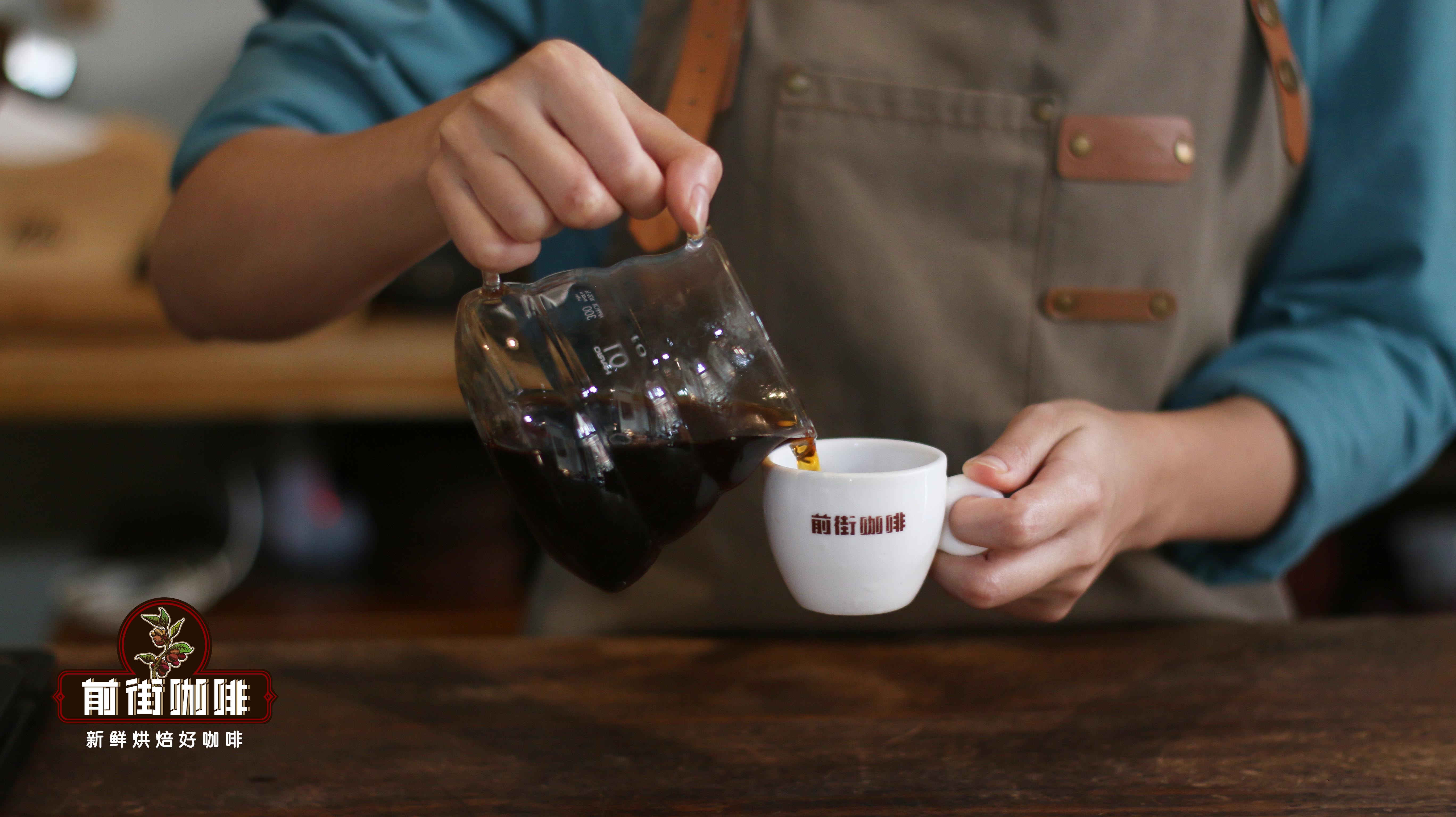
PWN’s Strict Selection Standards
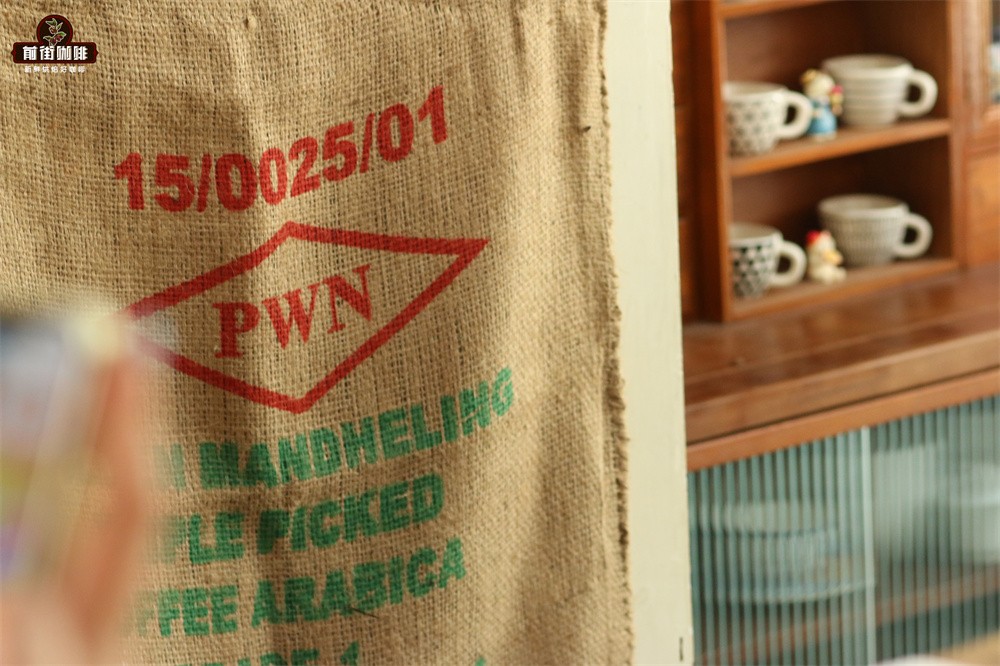
The Golden Mandheling trademark is registered by Indonesia’s renowned PWN Coffee Company, which enjoys high credibility in the producing region. PWN performs three rounds of manual selection plus one machine check on purchased beans, ensuring each bean is uniform in appearance with minimal defects. While the market often sees Indonesian beans labeled as “Golden Mandheling,” only those with official PWN certification are genuine. The brand insists on using beans bearing the PWN mark, all of which are size 18 or above, and after roasting, they perform cleanly with very low off-flavors.
Quality Assurance: From Sack to Cupping
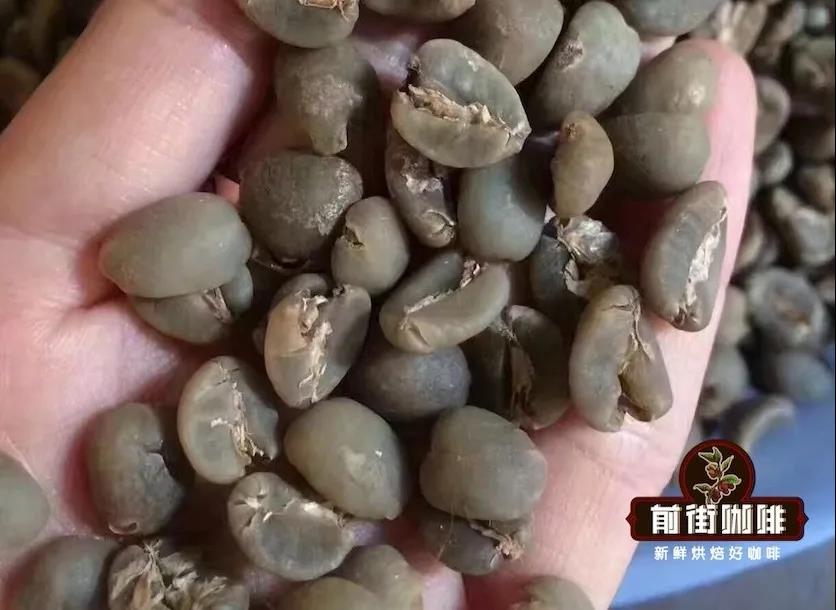
The brand’s Golden Mandheling features the PWN certification mark printed both inside and outside the sack. The beans are size 18 or larger, with a dark green hue, classified as regular flat beans. Cupping results show that this bean successfully eliminates the earthy taste commonly found in generic Mandheling, resulting in a cleaner cup with pronounced sweetness. Special note: some merchants may pass off large Indonesian beans as Golden Mandheling, but only genuine PWN products offer true quality assurance.
The Origins of the Golden Mandheling Trademark
PWN has registered “Golden Mandheling” as an exclusive trademark — in other words, only PWN’s version of this bean can be called true Golden Mandheling. The brand uses precisely this rigorously selected edition. Think of it as a curated selection among Mandheling beans: each year, the brand picks the top fifth out of 300–500 samples, and Golden Mandheling stands out as a prime example, fully showcasing the unique flavors of Sumatran coffee.
Variety Features: The Local Choice of Ateng
This Golden Mandheling uses the Ateng variety, a hybrid of Arabica and Robusta — actually a branch of Catimor, locally referred to as Ateng in Indonesia. It’s widely grown across Sumatra and nearby islands. Though not a top-tier variety, with proper processing and selection, it can still deliver an impressive flavor performance.
Wet-Hulled Processing: Shaping Regional Flavor Characteristics
Due to local economic conditions and equipment limitations, most smallholder farmers use the wet-hulled method to process coffee beans. This approach involves drying the beans, still in their parchment, in the sun for 2–3 days during the washed process, then removing the parchment once the moisture content drops to 20–24%. Although this method might increase defect rates, the PWN-strictly selected Golden Mandheling keeps defects under 3 in a 300g sample, achieving the top G1 grade. With dark green color and neat shape, it perfectly avoids such issues.
Roast Curve: Precisely Capturing the Flavor Window
The brand recommends the following roast parameters: when temperature reaches 200°C, load the drum, set the air vent to 3; after 1 minute, reduce heat to 160°C, keeping the air vent unchanged; at around 5 minutes 40 seconds, when the bean surface turns yellow and grassy notes disappear (temperature around 148°C), the dehydration phase is complete — reduce heat to 140°C and adjust the air vent to 4; at 9 minutes 40 seconds, when the bean surface shows wrinkles and dark spots and coffee aroma begins replacing the toastiness, closely monitor the first crack, which occurs around 9 minutes 54 seconds. Immediately reduce heat to 60°C and open the air vent fully, finally dropping the beans at 204.5°C. Be careful when adjusting heat to avoid too low a setting leading to indistinct cracking sounds.
Pour-Over Brewing: The Full-Body Secret of the Kono Filter
For this medium-dark roasted bean, the brand recommends using the Kono filter to enhance its full-body character. The Kono filter has fewer ribs and they’re positioned lower, allowing the filter paper to cling tightly to the cup wall, slowing water flow and extending contact time between water and coffee grounds — thereby extracting more coffee substances. Suggested parameters: water temperature 88°C, coffee dose 15g, brew ratio 1:15, grind size medium-fine (70–75% through a Chinese standard #20 mesh sieve).
Three-Stage Brewing Steps
In practice, the brand employs a staged extraction method: start with a 30g bloom for 30 seconds, then pour in a slow spiral to 125g for the first extraction stage; when the water level drops and is about to expose the coffee bed, pour again to 225g, and finally remove the filter just before the water level nears the coffee bed again. Total brew time is controlled between 2 minutes 05 seconds and 2 minutes 15 seconds, effectively balancing fullness and clarity.
Flavor Profile: A Symphony of Spices and Nuts
The final flavors include pronounced spice and herbal notes, with a layered and well-balanced profile. Rich nut and brown sugar aromas persist throughout, the finish carries chocolate notes, and a long-lasting sweetness lingers. This Golden Mandheling not only redefines “full body” but also showcases the deep allure of Sumatran coffee.
The above content is compiled by CoffeeHunters, a coffee news website.


