







Introduction:Jamaican Blue Mountain coffee has long been renowned for its high price and rarity, and its unique flavor is inseparable from its terroir. This article delves into the history of Blue Mountain coffee, its strict grading system, its exceptional growing environment, and analyzes the key factors behind its premium pricing. It also provides practical pour over parameters and roasting suggestions to help coffee enthusiasts better appreciate the allure of this world-class specialty coffee.
Blue Mountain coffee has always held a special place in the global specialty coffee market, with prices that remain consistently high, making it the dream bean for many coffee lovers. What exactly makes Blue Mountain coffee so precious? From its terroir and cultivation history to its grading system and roasting techniques, every step influences its final flavor and value. This article will systematically break down the rarity of Jamaican Blue Mountain coffee through four dimensions — historical background, regional conditions, grading, and brewing recommendations.
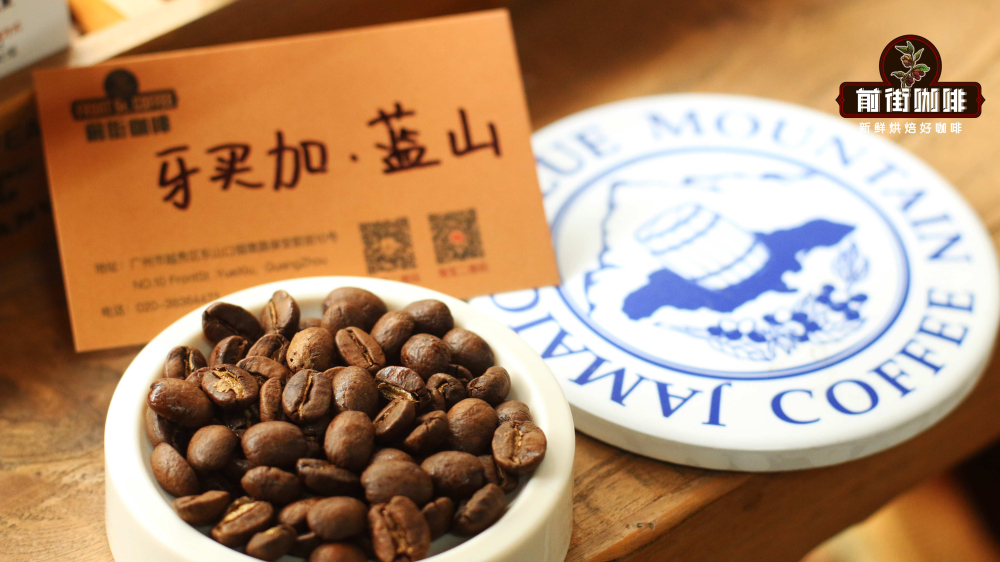
Looking back at Hong Kong dramas from the 1990s to the early 2000s, whenever there was a coffee-related scene, Blue Mountain was almost always the character’s first choice. This coffee from Jamaica, with its rarity, excellent quality, and captivating flavor, was once seen as a symbol of taste and status. However, due to its extremely limited production and strong market demand, many so-called “Blue Mountain-flavored” alternatives have emerged in the market. It is important to note that Blue Mountain-flavored coffee is not directly related to authentic Blue Mountain coffee; the former may contain no beans whatsoever from the Blue Mountain region of Jamaica.
In fact, the term “Blue Mountain flavor” originates from the Japanese market. As the largest importer of Blue Mountain coffee, Japan accounts for over 80% of the global Blue Mountain coffee imports each year. In Japan, Blue Mountain coffee is clearly divided into three grades: pure Blue Mountain coffee, Blue Mountain blends containing at least 60% Blue Mountain beans, and Blue Mountain-flavored coffee that contains no Blue Mountain beans at all. Therefore, consumers should pay special attention to product labeling when purchasing to avoid mistakenly thinking they are buying authentic beans from the Blue Mountain region.
The cultivation history of Blue Mountain coffee can be traced back to the early 18th century. In 1725, then British Governor Nicholas Lawes introduced seven Typica coffee seedlings from Martinique in the French West Indies and planted them in the Blue Mountain area of eastern Jamaica. These coffee trees gradually adapted to the local environment and began to spread throughout the Blue Mountains. The Typica variety is known for its elegant flavor and balanced taste, and it remains the primary cultivar used for Blue Mountain coffee to this day.
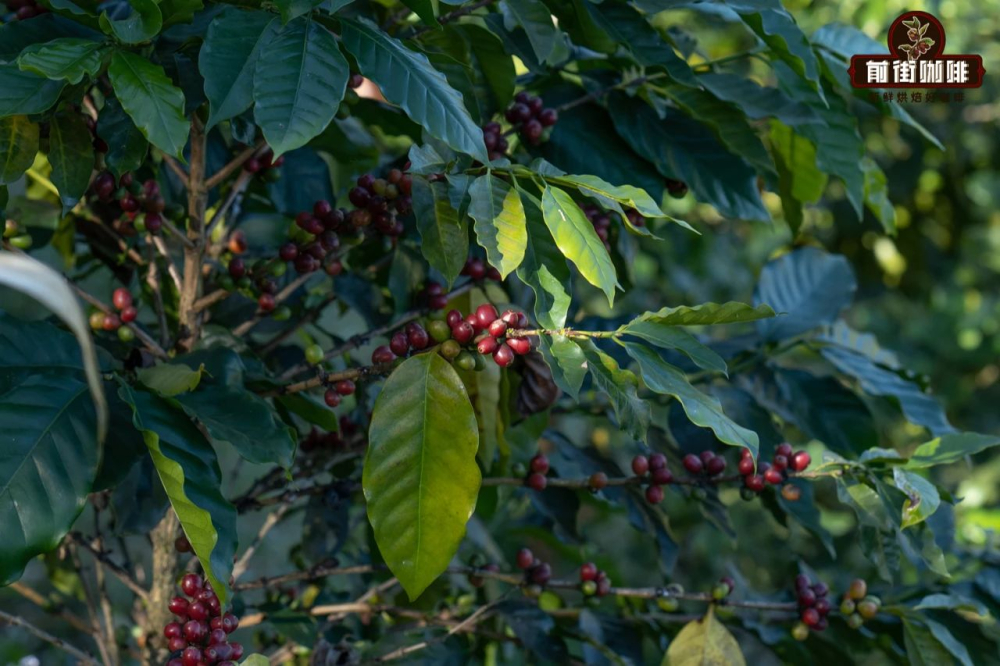
The Blue Mountain coffee growing region is located in the Blue Mountains near Kingston, the capital of Jamaica. This mountain range is the highest and longest in Jamaica, with its highest peak reaching an elevation of 2,256 meters. Surrounded by the Caribbean Sea, on clear days, sunlight reflecting off the sea surface refracts blue light onto the mountaintops, giving the mountains a distinctive bluish glow — hence the name “Blue Mountains.” The region lies within the coffee belt and benefits from fertile volcanic soil, fresh air, and a stable climate, with annual precipitation between 1,500 and 2,000 millimeters and an average temperature of around 27°C. Frequent afternoon cloud cover over the mountaintops reduces intense sunlight while providing ample moisture, offering an almost perfect environment for coffee tree growth.
According to the standards of the Jamaica Coffee Industry Board (CIB), coffee beans from the Blue Mountain region are categorized into three major types based on altitude: Jamaican Blue Mountain coffee, Jamaican High Mountain Supreme coffee, and Jamaican Prime Washed coffee. Among these, Blue Mountain coffee and High Mountain Supreme coffee are further subdivided into four grades: NO.1, NO.2, NO.3, and PB (peaberry). Only coffee beans grown at altitudes above 666 meters qualify as Jamaican Blue Mountain coffee. In particular, beans grown in the rugged mountainous areas between 2,000 and 2,256 meters, due to their challenging terrain, scarce yield, full bean shape, and harmonious flavors — balancing acidity, sweetness, bitterness, and body — are recognized as the finest among Blue Mountain coffees. Their top-grade offering, “Blue Mountain No.1 Peaberry,” is the most expensive Blue Mountain coffee available.
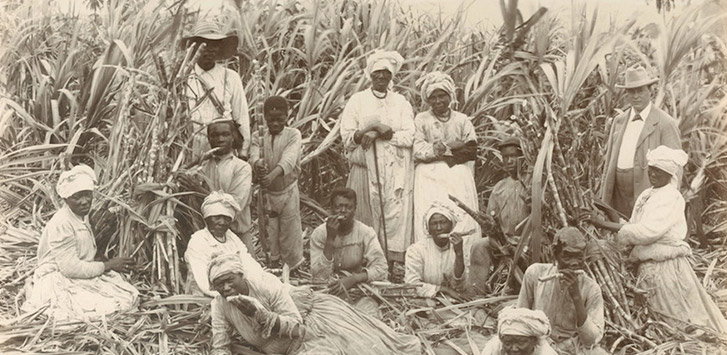
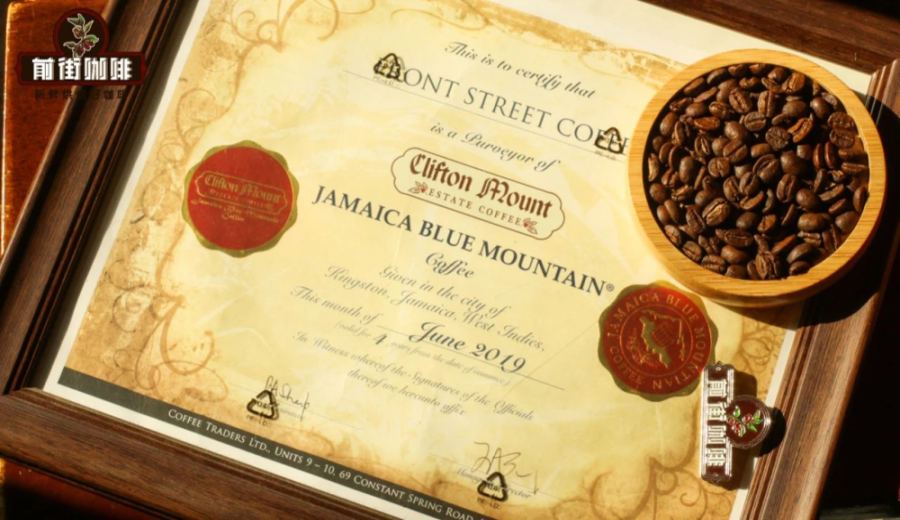
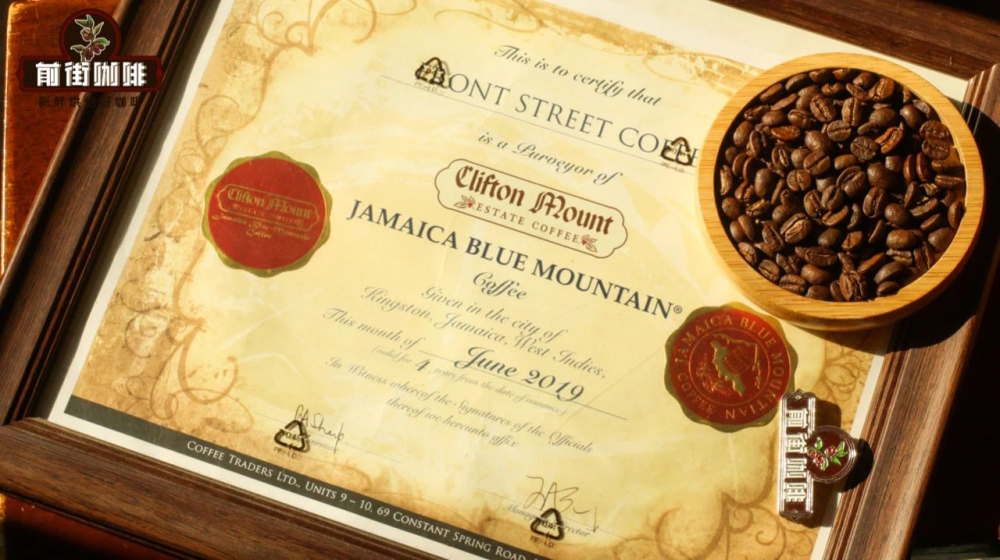
Clifton Estate is one of the oldest coffee-growing regions in Jamaica and is currently the oldest continuously operating estate. It is also the only coffee estate in the country to have received “Rainforest Alliance” certification. The estate is located on the eastern slopes of Catherine’s Peak in the Newcastle area and began cultivating coffee as early as around 1750. According to records from the Jamaica Institute in 1810, the estate was owned by Robert Hamilton at that time. The Clifton Mountains are divided into the mountaintop and foothill sections: the mountaintop has 80 acres of coffee fields and 427 acres of pasture, while the foothills have 111 acres of coffee fields and 264 acres of pasture, showcasing its long cultivation history and scale.
Traditional Blue Mountain coffee is usually best enjoyed via pour over to fully showcase its delicate and balanced flavors. It is recommended to use a KONO dripper for brewing. This dripper features smooth walls on the upper half and short ribs on the lower half. Once the filter paper is wet, it adheres tightly to the walls, and the rib design helps guide water flow, allowing the coffee grounds and hot water to come into more thorough contact, thereby enhancing the release of flavor compounds. Compared to a V60 dripper, the KONO offers a richer mouthfeel, making it particularly well-suited for complex beans like Blue Mountain.
In terms of grind size, it is recommended to use a medium-coarse grind with a 75% passage rate through a Chinese standard No. 20 sieve. This setting works well with medium-dark roasted Blue Mountain coffee, helping to avoid over-extraction and the resulting burnt or bitter notes. When brewing, start by pouring 30 grams of hot water at 88°C and let it bloom for 30 seconds. Then, slowly pour in a circular motion from the center out to 125 grams, continuing until you reach 225 grams total. Keep the total brew time around 2 minutes. This parameter helps highlight the nutty and dark chocolate notes of Blue Mountain coffee, presenting a balanced flavor profile with sweet, acidic, and bitter notes, along with a rich mouthfeel.
In summary, the reason Jamaican Blue Mountain coffee commands such a high price is not only due to its limited production and strict grading system, but also because of its exceptional growing environment and meticulous post-harvest processing. For coffee enthusiasts, understanding the story behind its origin and the key points of brewing not only allows for a deeper appreciation of its unique flavors but also enables wiser choices when selecting and brewing this extraordinary coffee.
The above content is compiled by CoffeeHunters, a coffee news website.


