







Introduction:The French press is the starting point for many coffee beginners entering the world of pour over brewing. It’s simple to use yet capable of producing coffee with rich and full-bodied flavors. This article will begin with the background of the tool, then delve into the brewing principles and key parameters of the French press—including ideal grind size, preheating techniques, optimal coffee-to-water ratio, and plunger technique. Through practical testing with beans of different roast levels, it helps readers identify the types of coffee beans that work best with the French press, allowing you to easily brew well-layered and balanced coffee at home.
The French press can be considered the go-to tool for many beginners when first getting into coffee making. Its simple operation still manages to showcase the rich and smooth characteristics of coffee. This article combines practical experience to take you in-depth into the historical background and brewing essentials of the French press—from choosing the right grind size, preheating the equipment, setting the coffee-to-water ratio, to properly using the plunger technique—step by step guiding you to master the essence of this classic brewing method.
The French press originated in mid-19th century France. It has a simple design, usually consisting of a heat-resistant glass carafe (though transparent plastic versions are also available) and a plunger with a metal filter at the bottom. It can be used not only for brewing coffee but also for making tea and frothing milk, offering versatile functionality. Its core brewing principle relies on fully steeping hot water with coffee grounds, allowing flavor compounds to slowly release. This immersion brewing method has a low technical barrier and is very suitable for everyday home use.
When brewing coffee with a French press, the key is to fully immerse the coffee grounds in hot water, then separate the coffee liquid from the grounds all at once through the metal filter. This immersion method can fully bring out the richness and oily texture of the coffee. The resulting coffee is clear in appearance, with a full body that doesn’t sacrifice detail.
Here are several important details that should not be overlooked when using a French press:
Grind Size
When using a French press, it is recommended to grind the coffee beans to a coarseness similar to that of white sugar granules. This helps avoid too many fine particles passing through the filter, which can result in a cloudy taste. If the grind is too fine, it may not only lead to over-extraction but could also cause noticeable sediment and impurities in the final coffee, affecting the overall purity of the flavor.
Preheating the French Press
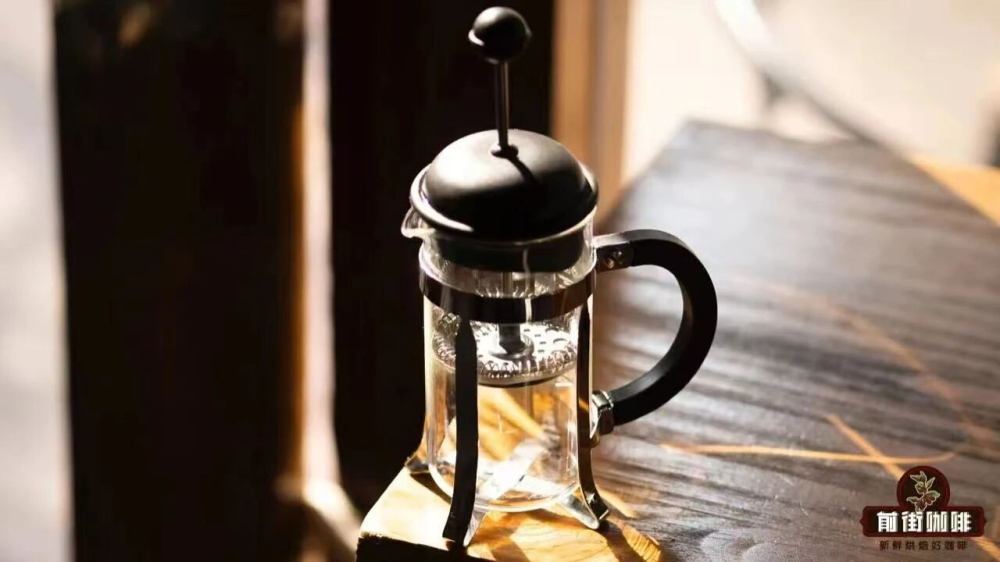
Before starting the actual brewing, it is advisable to preheat the French press with hot water, especially if it has a glass carafe. Preheating helps maintain a stable water temperature during the brewing process. Skipping this step may cause the water temperature to drop quickly due to the heat absorbed by the carafe, thereby affecting extraction quality.
Coffee-to-Water Ratio
The generally recommended coffee-to-water ratio is 1:15 to 1:18. For example, 15 grams of coffee grounds can be paired with 225 milliliters (approximately 1:15) of water. In practice, you can flexibly adjust according to your personal taste preferences to find the strength balance that suits your palate best.
Plunging Technique
After the steeping time is complete, steadily and evenly press the plunger all the way down in one motion. Avoid moving it up and down repeatedly, as this can stir up the coffee grounds, causing fine particles to mix back into the coffee liquid, which affects smoothness and cleanliness in the cup.
So, what types of coffee beans are most suitable for brewing with a French press? We actually used three beans with different roast levels for comparison: lightly roasted 【Elida】, medium-roasted 【Hartmann】, and dark-roasted 【Tiger Mandheling】, observing their performance differences in the French press.
【Elida】displays bright acidity and sweet fermentation aromas, such as jackfruit and passion fruit notes, but when used in a French press, its delicate layers can be overshadowed by the heavy extraction style, and the acidity may come across as overly pronounced.
【Hartmann】features rich fermented red wine aromas, along with distinct tropical fruit acidity and sweetness. The overall profile is relatively rounded, though it still falls within the medium roast range, making it suitable for those who enjoy fruity and winey notes.
【Tiger Mandheling】showcases the thick and smooth mouthfeel typical of dark-roasted beans, with prominent aromas of dark chocolate, caramel, and creamy notes. It has good oiliness and is an ideal choice for brewing with a French press.
Based on the comprehensive test results, due to the long steeping characteristic of the French press, light roast beans tend to release excessive acidity and may suppress their delicate floral and fruity aromas. Therefore, medium to dark roast coffee beans better highlight their sweetness and caramelized flavors, complementing the extraction logic of the French press.
For beginners just starting to try the French press, it is recommended to prioritize beans with dark roast profiles, such as classic Indonesian Mandheling or dark roast beans with distinct African nutty tones. These bean varieties, under the immersion brewing of the French press, can deliver the best richness and balance, allowing you to easily enjoy a cup of smooth and bold pour over coffee.
The above content is compiled by CoffeeHunters, a coffee news website.


