







Introduction:Yunnan Baoshan’s small-bean coffee cultivates uniquely layered beans through its distinctive terroir, among which the traditional Typica variety has garnered significant attention in recent years due to the revival of specialty coffee. This article delves into the historical background of the mainstream cultivars in the Baoshan growing region. Through a practical cold brew case study, it helps you understand how the Typica variety transforms in flavor under low-temperature extraction, and provides professional-grade parameters such as grind size, coffee-to-water ratio, and shelf life—offering practical guidance for both beginners and advanced enthusiasts.
When it comes to Yunnan coffee, many still think of the Catimor variety, yet few realize that hidden within Baoshan’s small-bean coffee is a retro gem—Typica. This ancient variety originating from Ethiopia, with its high-altitude adaptability and balanced flavor profile, reveals unique potential in Baoshan’s exceptional geographical environment.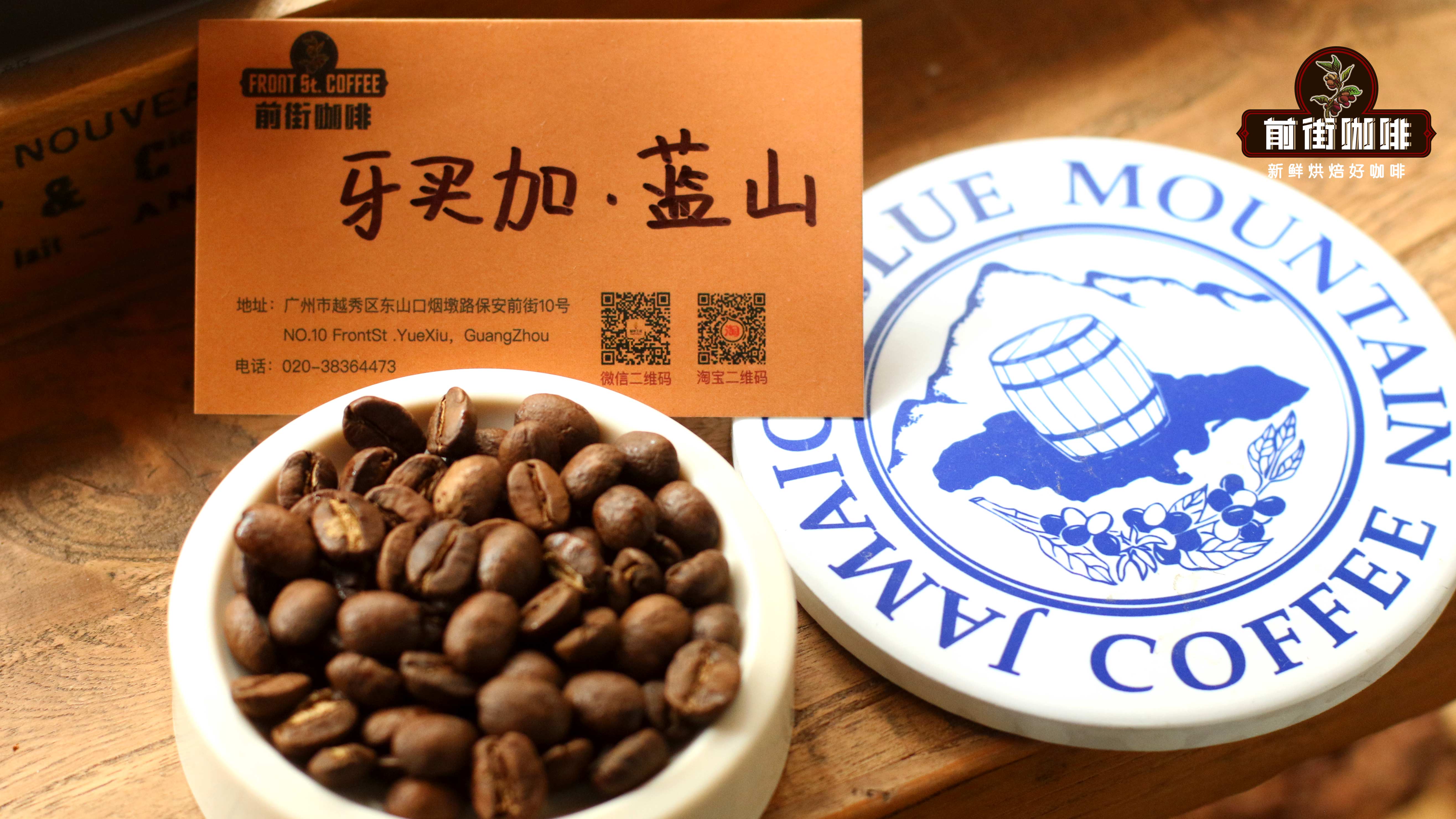
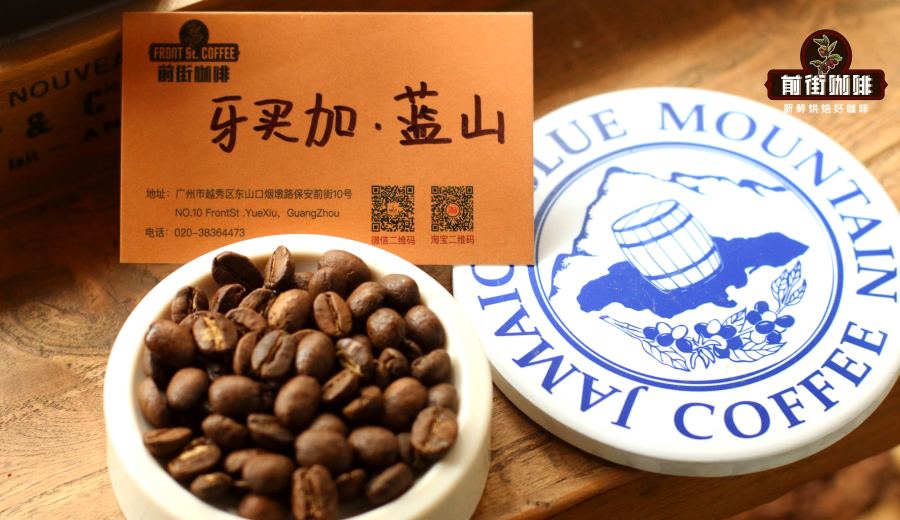
Looking back to the 1990s, the drinking trend sparked by Blue Mountain coffee in Hong Kong dramas introduced many Chinese to the charm of specialty coffee for the first time. Nowadays, consumers are turning their gaze to local offerings and discovering that Yunnan not only produces Pu’er tea, but also regions like Baoshan and Pu’er—with their high altitudes and diverse microclimates—are cultivating coffee beans with international competitiveness. Particularly in the Baoshan area, the mild annual temperature, notable day-night temperature variation, and mineral-rich red soil create the bright acidity and rich, mellow finish that are characteristic of the Typica variety.
While the Yunnan beans available on the market are predominantly high-yield Catimor, coffee aficionados seeking more complex flavors have begun to rediscover Typica. This classic Arabica heirloom variety, though lower in yield per unit area, retains a richer aromatic complexity. Take sun-dried Typica, for example: its dry aroma carries a strong sweetness reminiscent of preserved fruits, while its wet aroma bursts with the lively acidity of plum-like fruits. After roasting, it develops a balanced warmth of nuts and caramel, with a long-lasting finish akin to brown sugar, accompanied by a subtle hint of tea leaf.
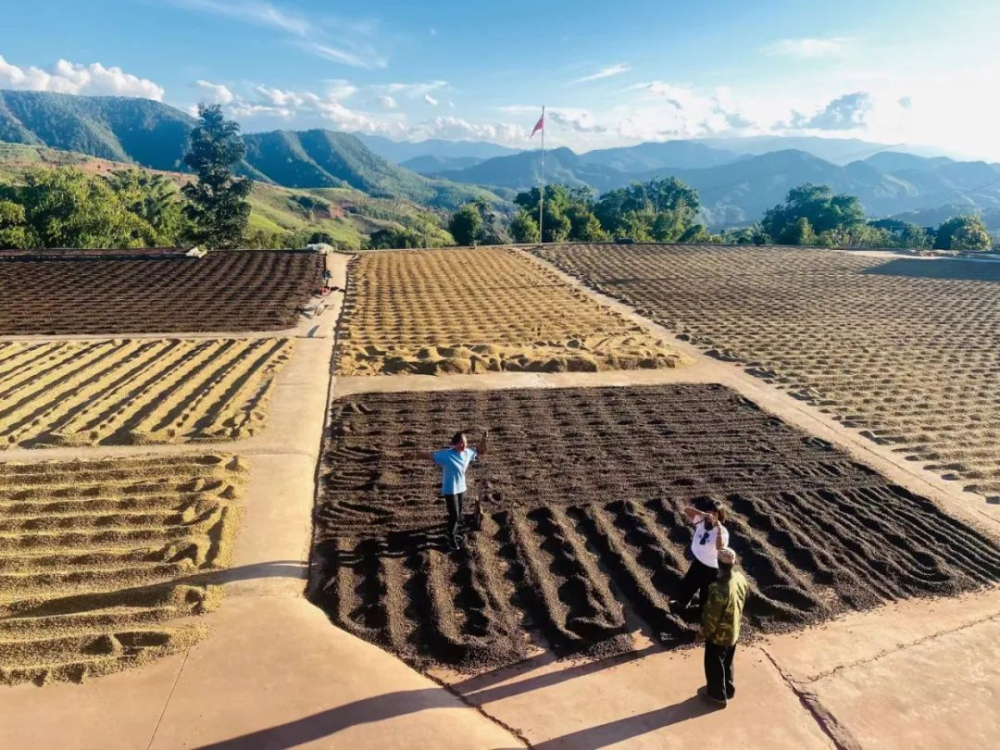
When actually making cold brew, it is recommended to use a 200 ml glass airtight bottle. Accurately measure out 20 grams of medium-ground beans (it is suggested to use a grind coarseness that achieves a 75% passing rate through a Chinese No. 20 sieve, similar in feel to white sugar granules). Mix the coffee grounds with room-temperature or ice water at a 1:10 ratio. The key step is to manually stir thoroughly for at least 30 seconds to ensure each coffee particle is evenly saturated. Then seal and place it in the refrigerator’s chilling compartment, allowing the extraction to proceed for 8 to 12 hours—too short and the flavor extraction will be insufficient, too long and over-extraction bitterness may occur.
After soaking, be sure to use filter paper or a professional coffee filter for double filtration to remove any fine coffee grounds residue. The resulting cold brew liquid is best consumed within72 hours. Although some sources claim it can be stored for several weeks, practical tests have shown that even with tight sealing at home, fridge bacteria may still affect flavor stability. Particular care should be taken to avoid storing it alongside raw foods to prevent flavor contamination.
Given the characteristics of the Typica variety, cold brew softens its naturally bright fruit acidity while highlighting a sweet foundation of nuts and caramel. To emphasize certain flavor profiles, you can experiment with adjusting grind coarseness: a slightly finer grind (around 80% passing rate) can enhance body thickness, whereas a slightly coarser grind slows the extraction rate and benefits clarity of acidity. Additionally, water quality is key—use neutral soft water with a TDS value between 120-150 ppm to avoid intense minerals interfering with the delicate aroma expression.
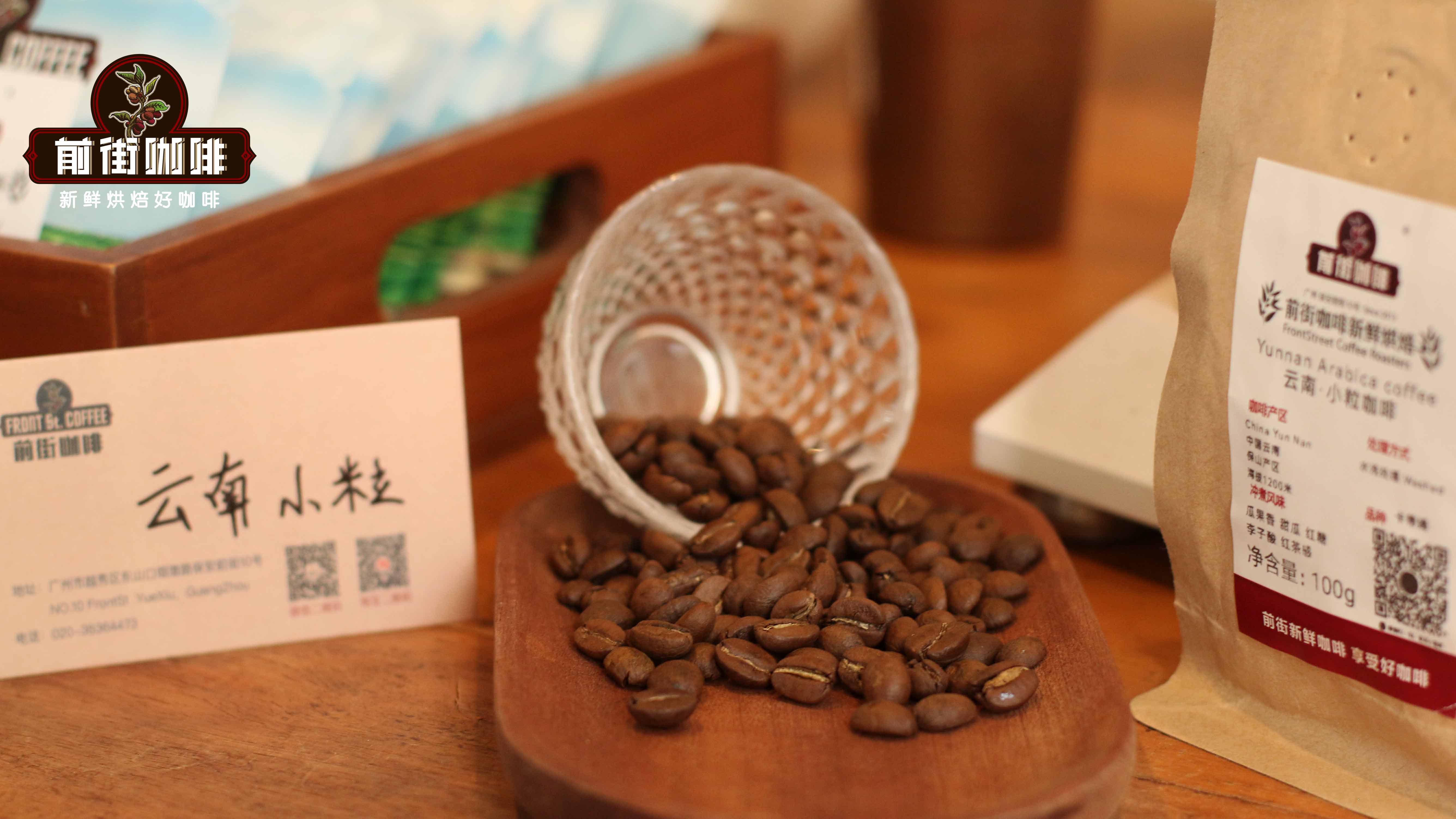
In summary, Baoshan Typica demonstrates the adaptability of a traditional variety in cold brew applications. From varietal selection to extraction parameters, every step contains nuanced tips for enhancing flavor performance. Whether you’re pursuing the convenience of low-temperature extraction or exploring the diverse potential of Yunnan coffee, this classic variety is well worth adding to your coffee experimentation list.
The above content is compiled by CoffeeHunters, a coffee news website.


