








Introduction:The flavor of freshly bought coffee beans often doesn’t meet expectations when brewed right away, but improves significantly after a few days? This is closely related to the “resting period” (养豆期). This article delves into the mechanism of carbon dioxide release after coffee roasting, explains why resting is necessary, and provides recommended resting times for various roast levels depending on usage — such as pour over or espresso — along with practical advice on storage conditions and optimal drinking windows, helping you master the best extraction timing.
Many coffee enthusiasts, upon receiving freshly roasted beans, can't wait to brew them immediately, only to find the flavor falling short of expectations — either too sharp or lacking complexity. Yet after a few days, they’re pleasantly surprised to discover the taste has softened and the aroma has become richer. This transformation is inseparably linked to the "resting period."
The so-called resting period refers to the process where carbon dioxide accumulated inside the coffee beans is gradually released after roasting. During roasting, high temperatures generate a large amount of gas within the beans, especially in medium to dark roasts and above, where CO₂ levels can be quite substantial. Without an appropriate resting time, this trapped gas interferes with water penetration and the release of flavor compounds, leading to uneven extraction and a significantly diminished flavor experience.

Generally, freshly roasted coffee beans contain about 2% carbon dioxide. Within the first 12 hours, these gases create internal pressure that can even block oxygen from entering, temporarily slowing oxidation. However, when you grind the beans and pour hot water over them, if the CO₂ hasn’t been adequately released, it will hinder the contact between water and flavor compounds. The result is often a flat, burnt taste, lacking the intended complexity, and may even cause an uncomfortable burning sensation in the throat.
Therefore, the essence of resting is to allow these active gases to dissipate naturally through stillness, enabling flavor compounds to dissolve smoothly during brewing. Based on practical experience, single-origin beans suitable for pour over, cold brew, or drip bags — such as commonly seen washed or natural processed medium to light roasts — are recommended to rest for 4 to 5 days. This duration allows excess gases to fully escape, bringing the flavor to a better balance.
Additionally, many consumers receive coffee beans that are usually from fresh batches roasted within 5 days prior. Adding transit time, by the time you actually get them, 4 to 7 days may have already passed. By then, the internal gas activity in the beans has stabilized, marking the beginning of their optimal drinking period.
As for dark roast blends used in espresso machines or moka pots, due to the longer roasting time, more carbon dioxide accumulates inside the beans. It is recommended to rest these for 7 to 10 days. This extended period allows gases to fully escape, making the extraction process more stable. Whether it’s espresso or milk coffee, it will exhibit a richer and more balanced taste.
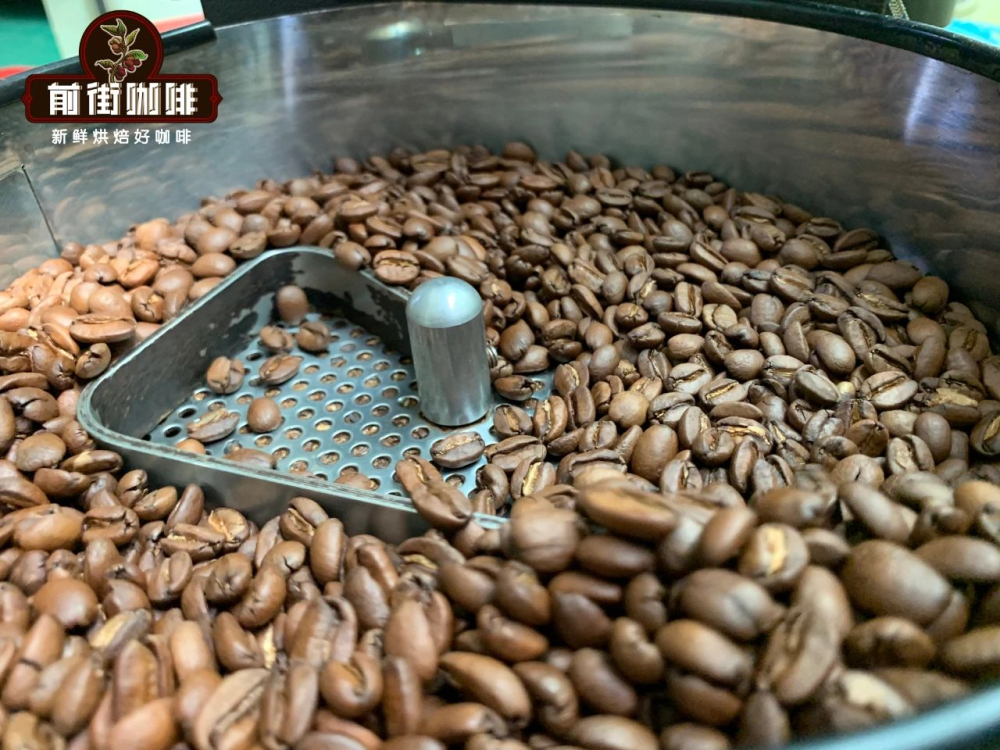
In terms of storage, coffee beans simply need to be kept in a cool, dry, and airtight environment. Commercially sold coffee beans often come in packaging equipped with one-way degassing valves. This design allows the beans to release internal gases while preventing outside oxygen from entering, effectively slowing oxidation and flavor loss. However, even with a degassing valve, avoid exposing the beans to sunlight, high temperatures, or humid environments, as these factors accelerate flavor deterioration.
Regarding shelf life, although many products are labeled as having a 6-month or 12-month validity, this is mainly based on food safety considerations. If you’re aiming for the best extraction flavor, it is recommended to consume the beans within 40 days of roasting. Over time, aside from the gradual dissipation of carbon dioxide, some volatile aromatic molecules are also lost, affecting the final flavor profile.
Moreover, flavor changes during the coffee bean resting process can be very subtle. Some drinkers prefer the bright acidity and fruity notes within the first week of roasting, while others enjoy the rounder, deeper tones after three weeks. It is recommended that you keep a record of each brew's timing and your impressions, gradually identifying the flavor stage you prefer the most.
If you’re new to coffee, there’s no need to overly worry about the resting process. Even without intentionally resting the beans, you can still experience the basic flavors of coffee by brewing directly, and slowly perceive the changes across different stages through daily drinking. Through continuous experimentation and observation, you’ll gain a deeper understanding of the entire life cycle of coffee — from roasting to brewing — and discover your own ideal drinking moment.
The above content is compiled by CoffeeHunters, a coffee news website.


