







Introduction:Rwandan coffee, nurtured by high altitudes and volcanic soils, develops unique flavor profiles—particularly the Red Bourbon variety, which showcases bright floral notes and citrus undertones. This article delves into the processing methods of the Murundo CWS washing station by Lake Kivu in western Rwanda and provides tested pour-over parameters to guide you in extracting bright acidity and berry aftertaste using a V60. Ideal for brewing enthusiasts eager to explore premium African beans.
Although landlocked, Rwanda in Central Africa boasts elevations between 1,700 and 2,000 meters, fertile volcanic soil, and abundant sunshine, making it an important origin for specialty coffee globally. However, the 1994 genocide and the collapse of international coffee prices once pushed the coffee industry in this "Land of a Thousand Hills" to the brink of collapse. Post-war reforms by the official body OCIR and advancements in washed processing techniques have allowed the floral and citrus characteristics of the Bourbon variety to shine through.
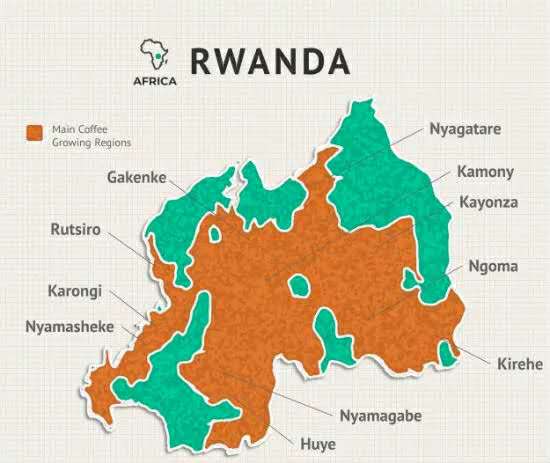
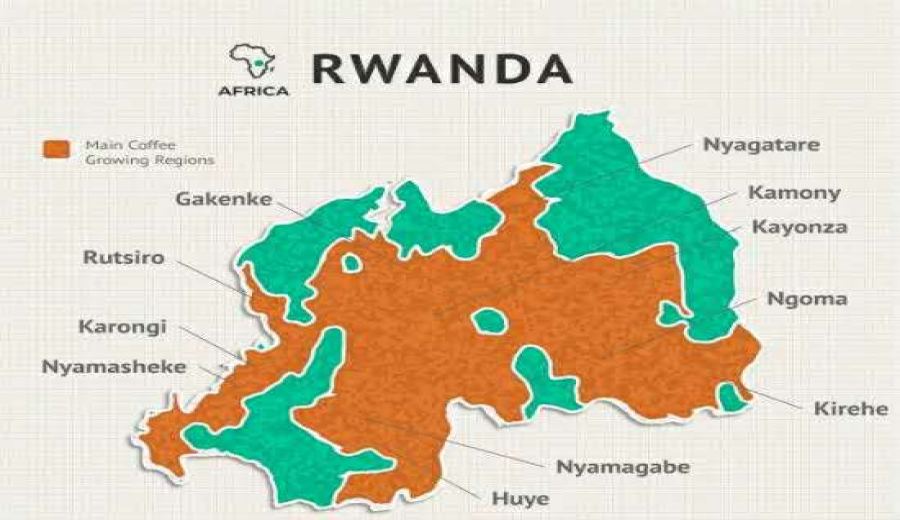
Rwanda's coffee history dates back to the colonial era of the early 20th century, when German missionaries first introduced coffee to the Kivu region, later expanding cultivation nationwide. But the colonial government prioritized yield over quality, resulting in a long-standing focus on low-grade commercial beans until the establishment of OCIR post-independence redirected efforts toward specialty production. Today, key producing regions include the southern Huye Mountains, the western shores of Lake Kivu, the eastern Ngoma Lakes, and the northern areas—among them, western Nyamasheke is renowned for its juicy Red Bourbon.
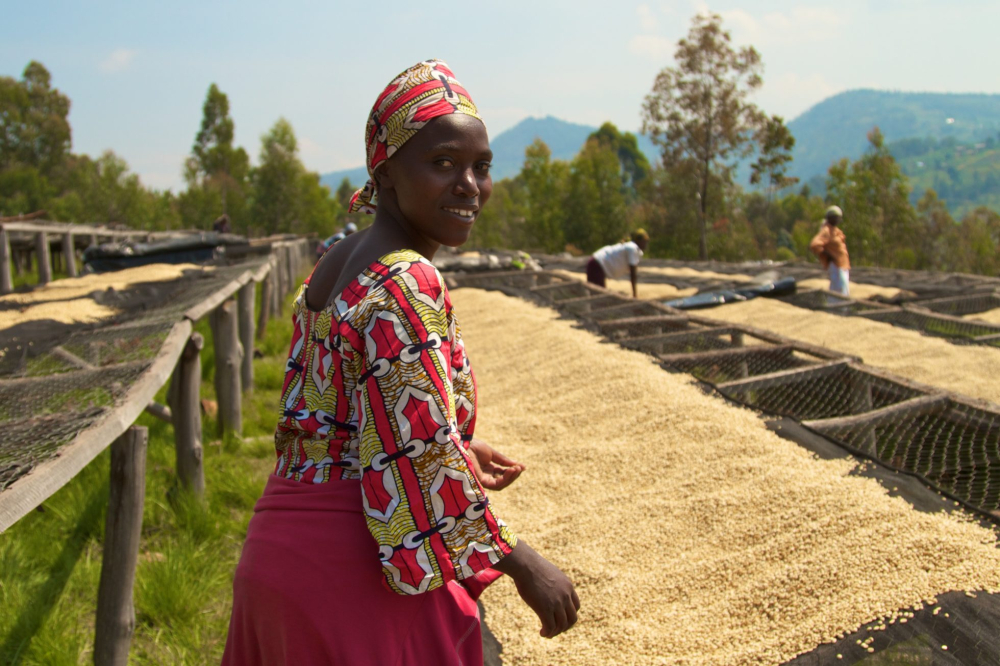
Over 90% of the country’s coffee trees are disease-resistant Bourbon varieties, which were introduced from Central America in the 1950s and have since become Rwanda’s dominant coffee cultivar. Compared to other varieties more susceptible to diseases, Bourbon not only thrives at high altitudes but also boasts bright acidity and complex flavors favored by the market. Local processing stations often employ the washed method to highlight varietal traits: harvested coffee cherries are floated to remove defective beans, then fermented to remove mucilage, and finally dried on raised beds to reach a moisture content of 11–13%.
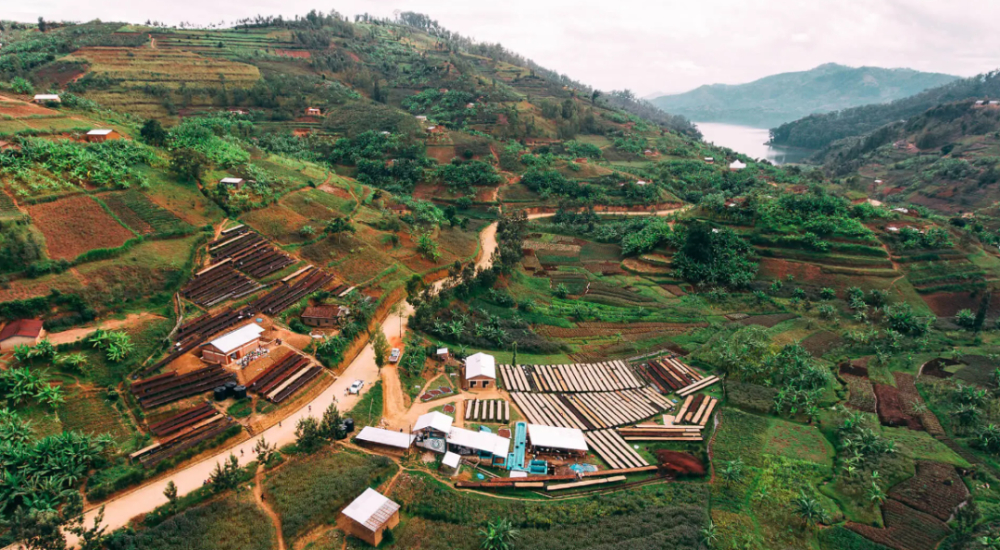
To fully appreciate the refined flavors of Rwandan coffee, medium-light roasted washed beans are recommended. The Red Bourbon tested in this article comes from the Murundo CWS washing station by Lake Kivu in western Rwanda, with a processing flow that includes: carefully selecting ripe red cherries → pulping → 12–24 hours of natural fermentation → rinsing off mucilage with clean water → 24-hour soaking → drying on raised beds. This process preserves the distinctive citrus and berry notes of the Bourbon variety while minimizing the risk of over-fermentation.
For pour-over, the Hario V60 is recommended with the following parameters: 15g coffee, 90°C water temperature, 1:15 coffee-to-water ratio (225ml), and grind size equivalent to EK43s setting 10 (80% passing rate through a Chinese No. 20 sieve). The specific brewing method follows a pulse pouring technique: start with a 30g bloom for 30 seconds, then pour in small circles to reach 125g for the first pour, wait until the water level nearly exposes the coffee bed before pouring to 225g, with total brew time controlled at 2 minutes. These settings effectively balance acidity and sweetness, avoiding bitterness from over-extraction.
The brewed Rwandan Red Bourbon reveals a three-stage flavor evolution: initially offering pronounced citrus and fresh berry aromas, transitioning mid-palate to nutty and caramel sweetness, and finishing with the clean aftertaste characteristic of lake-washed processing.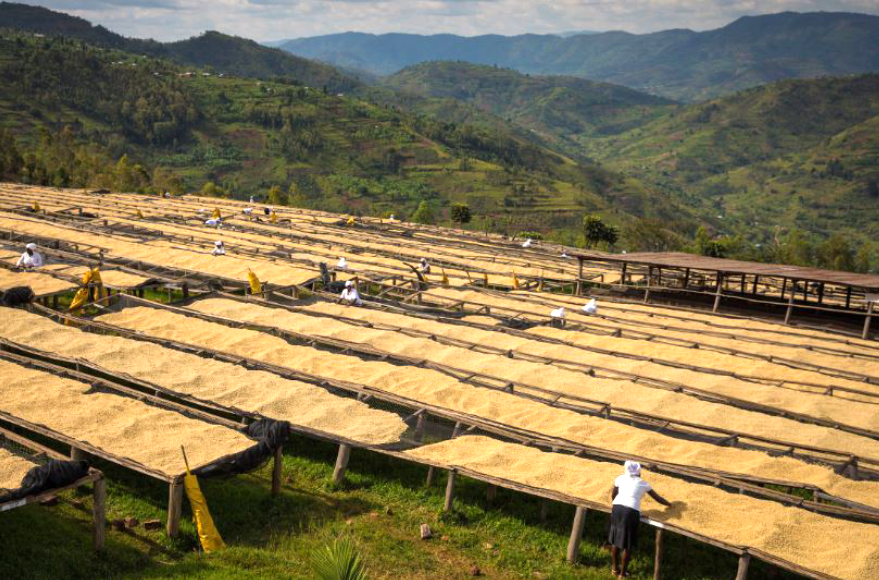 Special attention should be paid to keeping the water temperature below 92°C to prevent evaporation of delicate floral notes; overly fine grinding may lead to over-extraction—testing flow rate with a small batch of beans before actual brewing is advised.
The above content is compiled by CoffeeHunters, a coffee news website.


