







Introduction:Want to easily pull rich, flavorful espresso with a glossy crema at home using a semi-automatic espresso machine? This guide covers everything from how the machine works, selecting the right coffee beans, to the full brewing process — including key extraction parameters like 94°C water temperature and 9–10 bar pressure. We also recommend practical beans for different preferences, and finally teach you how to make variations like Americano and latte. Even beginners can master it with stability.
To craft a professional-grade espresso at home, a semi-automatic espresso machine is your most reliable tool. Commonly found in cafés, this type of machine allows precise control over extraction conditions through high-pressure steam, enabling you to replicate café-quality flavors at home. This article will walk you through every detail — from machine principles and coffee bean selection to the actual brewing process — so you can fully grasp the essence of making espresso.
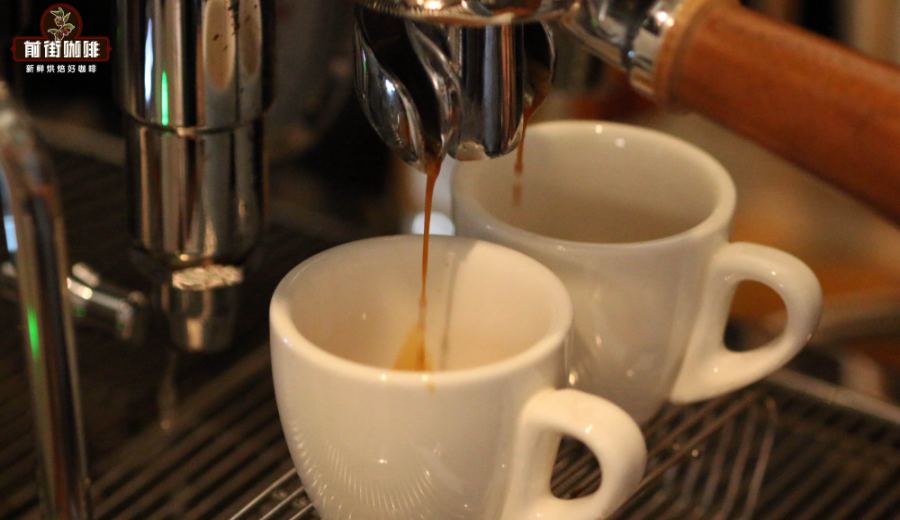
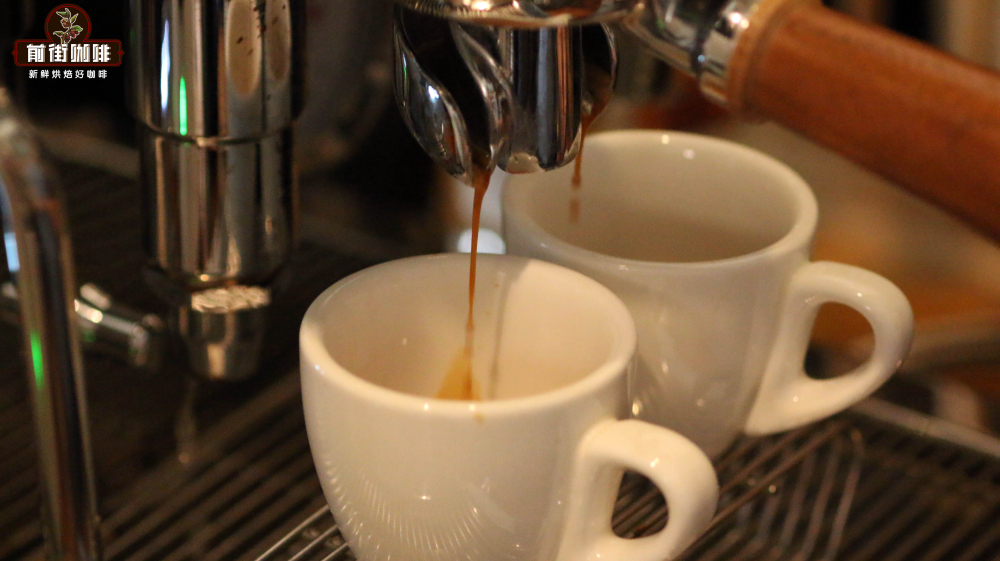
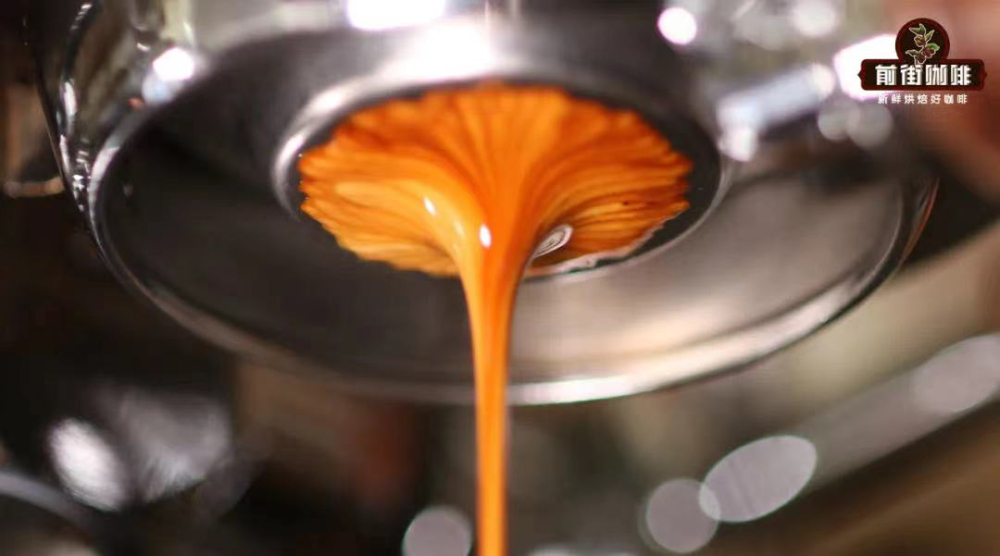
The core of espresso extraction lies in hot water at 94°C rapidly passing through an extremely finely ground coffee bed under 9–10 bar of pressure. During this process, the combination of water temperature and pressure efficiently extracts the essential compounds from the coffee grounds, resulting in a thick, honey-like coffee liquid. When extraction begins, the initial liquid is dark reddish-brown, smooth and intense in texture; as time progresses, the color gradually transitions to golden, eventually becoming a bright light gold. These visual changes are also important indicators for assessing the extraction status.
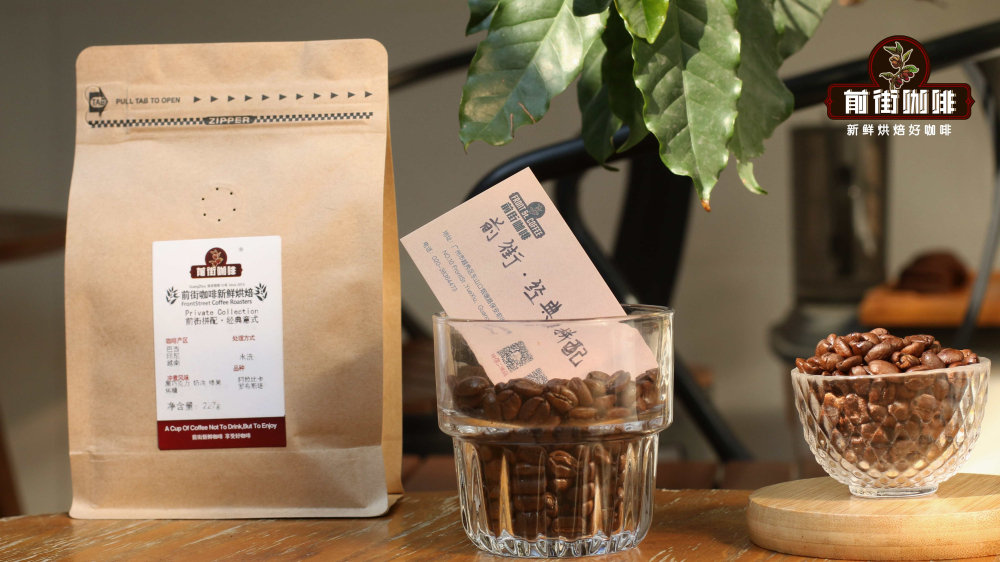
For home brewers trying espresso for the first time, we recommend starting with professional blends known for their stability. If you prefer a rich body and abundant crema (coffee foam), a classic blend can deliver that satisfying feel; if you want consistent flavor with a smoother mouthfeel, the Dark Cocoa blend is a daily favorite among many baristas; and for those seeking unique floral and fruity notes, the Strawberry Sugar espresso blend might just surprise you. The advantage of blends is that by adjusting the ratio of beans from different regions, they can effectively balance any overly sharp characteristics that a single-origin bean might show under intense extraction, while also offering great value and flavor consistency.
Before actual extraction, preheat the espresso machine first. Wait until the screen shows that94°Cthe water temperature has stabilized, then you can start preparing. First, clean any leftover coffee grounds from the portafilter basket, then grind a double shot dose of coffee beans (it’s recommended to use an electronic scale to accurately measure20 grams). Next, use a distribution tool to evenly spread the coffee grounds, then apply vertical pressure with a tamper to ensure the coffee puck has consistent compactness — this is a key step for maintaining stable extraction.
Before extraction, turn on the switch to release water for1–2 seconds. This action wets the brew head and clears out any residual coffee grounds. Place the cup for catching the espresso onto the drip tray, and place an electronic scale underneath and tare it to zero in preparation for recording extraction data. Carefully insert the portafilter with the coffee puck into the brew head. Once extraction starts, closely observe the liquid changes: when the electronic scale shows40 gramsand the time is about30 seconds, immediately lower the switch to stop the extraction. This parameter range will yield a balanced espresso flavor.
If you’d like to explore other ways to enjoy it, making an Americano is very simple: prepare a200–250 millilitercup, pour in160–200 gramsof warm water (around 90°C), then add the espresso to complete it. For a hot latte, use a300 millilitercup, first add the espresso, then pour220 millilitersof fresh milk into a milk pitcher, steam it to form a fine and dense microfoam, and finally slowly pour the milk into the espresso to blend. While the microfoam is still present, you can also try your hand at latte art.55-60°Cand form fine microfoam. Finally, slowly pour the milk into the espresso to blend, and while the foam is still present, you can also try latte art decoration.
It’s important to note that factors such as ambient humidity and coffee bean freshness can affect extraction performance. For example, humid weather may require adjusting to a coarser grind or reducing the coffee dose, while freshly roasted beans may need slight adjustments in extraction time. It’s recommended to observe the crema thickness and flavor profile each time you brew, and fine-tune the grind size, coffee dose, or water temperature accordingly, to consistently achieve the best extraction results.
The above content is compiled by CoffeeHunters, a coffee news website.


