







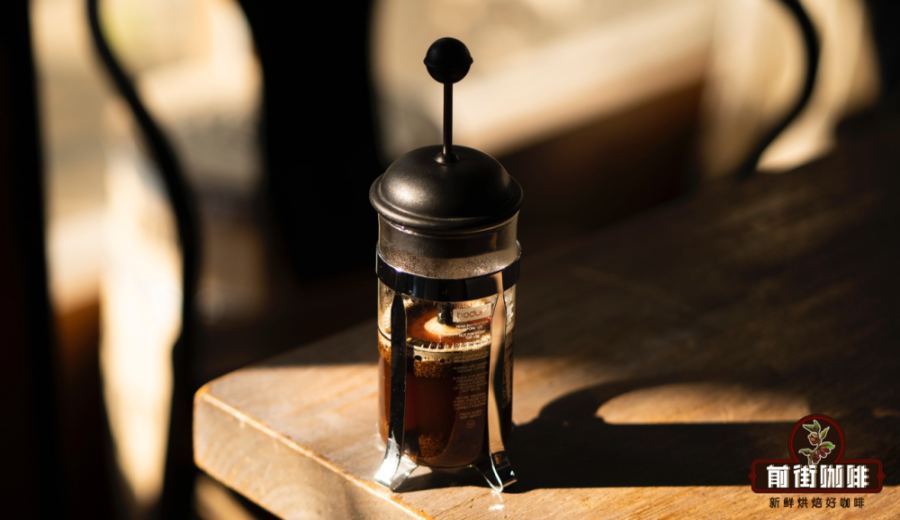
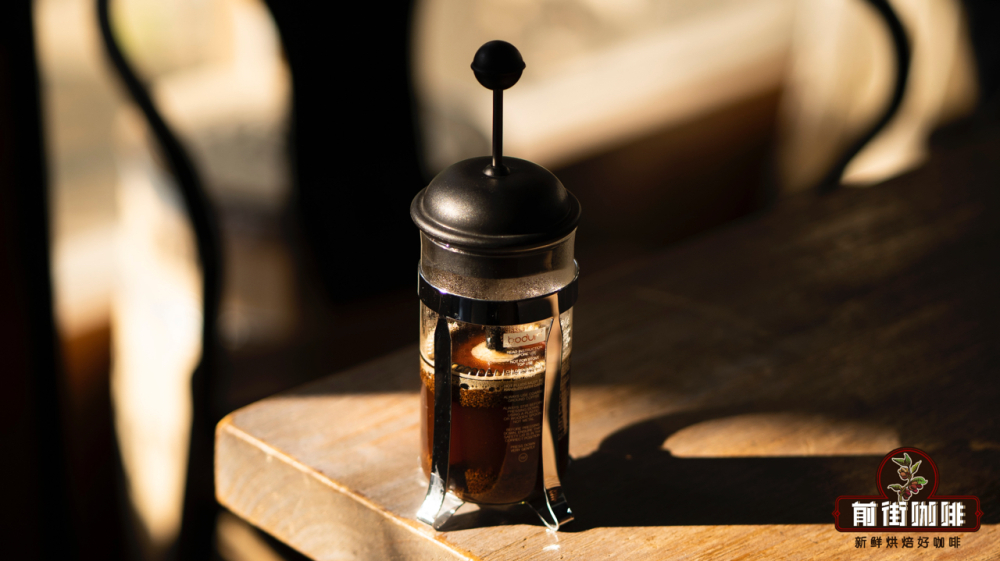
Introduction:Don’t want to spend a fortune on an espresso machine but still hope to brew rich coffee at home? The French press is actually an underrated great choice. This article takes an in-depth look at the historical evolution of this classic brewing device, guiding you from principles to hands-on practice to master the techniques for making high-concentration coffee. It also provides professional-grade parameters for coffee-to-water ratio, grind size, and steeping time, along with an analysis of key differences compared to espresso, so you can achieve professional flavor layers even with an affordable tool.
Many coffee enthusiasts are deterred by the high price of espresso machines. In fact, by choosing the right equipment, you can enjoy a rich coffee experience without breaking the bank. The French press, as the most widely used immersion-style coffee tool around the world, stands out with its simple operation and excellent extraction performance, making it the best affordable alternative for producing high-concentration coffee bases.
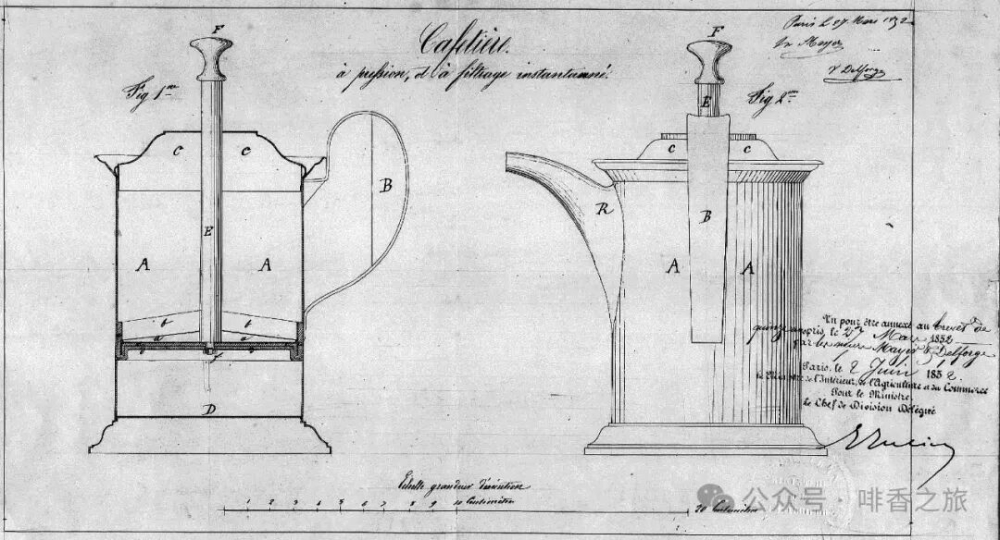
When it comes to the origins of the French press, it can be traced back to a metal filter plunger device invented in France in 1852, patented by Jacques-Victor Delforge and Henri-Otto Meyer. The modern version originated from the spring-sealed filter system improved by Milanese designers Giulio Moneta and Attilio Calimani in 1929. After a century of evolution, it has become the familiar classic design of a glass cylinder paired with a stainless steel filter that we know today.
It’s a common misconception that “only espresso machines can make espresso.” In reality, the essence of espresso lies in its high concentration and rich body. By adjusting the coffee-to-water ratio in a French press to 1:4 (for example, extracting 75–80 grams of coffee liquid from 20 grams of coffee grounds), using a finer grind size (80% passing through a #20 sieve, close to the granularity of fine sugar), along with water at 92°C and a short steeping time of 3 minutes, you can extract a thick coffee liquid similar to espresso. It’s important to note that while this method can deliver deep flavors, it lacks the golden crema produced under the high pressure of an espresso machine.
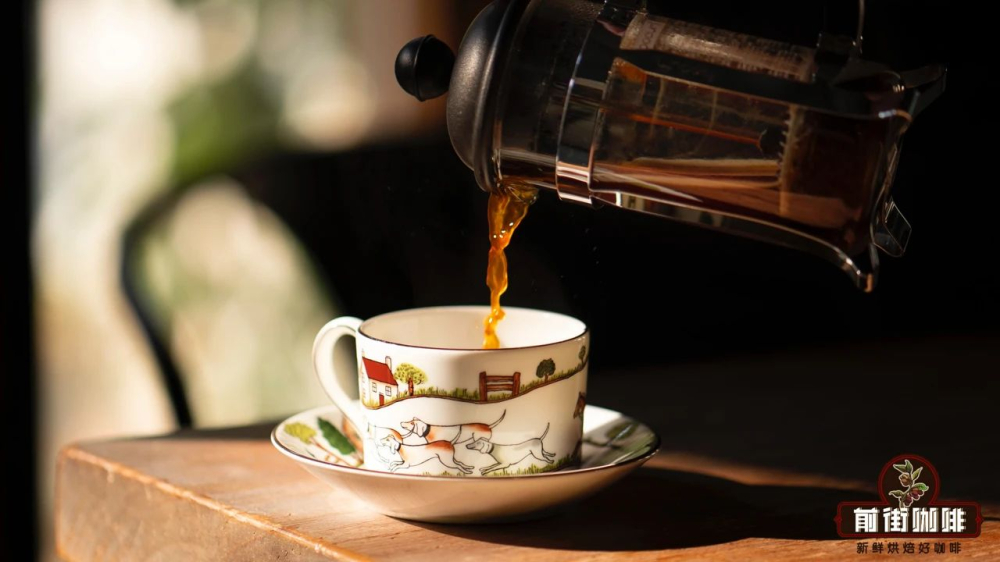
The so-called coffee crema is actually a foam formed when carbon dioxide combines with coffee oils under high pressure during extraction. Under the 9-bar pressure of an espresso machine, extremely fine coffee grounds release a large amount of gas. When the pressure is released, the carbon dioxide carries the oils to form a stable crema layer. The French press relies on natural gravity for extraction, preserving the coffee beans’ natural oils, but the taste tends to be heavier and the clarity lower.
For standard French press black coffee, it’s recommended to use a 1:15 coffee-to-water ratio (e.g., 20 grams of coffee to 300 milliliters of water), paired with a coarse sugar-like grind size (75% passing through a #20 sieve), steeped in water at 94°C for 4 minutes. During the process, be sure to stir the hot water immediately after pouring to ensure even extraction, and press the filter down at a consistent speed to avoid disturbing the settled fine particles. It’s advised to stop pressing when the plunger is about 1/4 of the way down the brew chamber to prevent over-extraction caused by excessive pressure.
In a practical test using Ethiopian Natural Red Cherry beans: with a 1:15 ratio, 75% #20 grind size, water at 94°C, and a 4-minute steep, the result shows distinct berry notes and a black tea-like finish, with prominent sweetness and good body. However, the clarity is slightly inferior compared to methods using paper filtration. These parameters are also suitable for making a concentrated coffee base substitute. Simply increase the coffee amount to 20 grams and reduce the time to 3 minutes to achieve a coffee liquid with approximately 30% higher concentration—ideal for making iced coffee or customizing with milk.
In summary, the French press is not only an economical tool for everyday black coffee, but by precisely controlling four key elements—coffee-to-water ratio, grind coarseness, water temperature, and time—it can also reproduce professional-grade intense flavors. It’s an essential basic tool that no coffee enthusiast should miss.
The above content is compiled by CoffeeHunters, a coffee news website.


