







Introduction:This article delves into the Geisha coffees produced by two renowned farms in Guatemala — the Acatenango Cooperative and La Belle Farm — analyzing everything from regional geography and microclimates to processing methods and cupping profiles. It also provides practical pour-over parameters and steps to help you better understand this uniquely flavored specialty coffee. Whether you're just starting out or an advanced enthusiast, you’ll find plenty of valuable insights.
Although Guatemala is not a large country, its diversity of microclimates is truly astonishing — from tropical rainforests to volcanic highlands — giving rise to coffee flavors with distinct characteristics. This article will focus on Geisha lots from two well-known farms in the country: the Acatenango Cooperative and La Belle Farm. We will explore their growing environments, processing techniques, and actual cupping results in detail, and offer a set of practical pour-over recommendations so that you can experience the unique charm of Guatemalan Geisha at home.
The specialty coffee map of the Americas is rich and diverse. Panama is famous for its Geisha, Colombia and Brazil for their high yields, and Costa Rica for its honey processing techniques. Within this land full of potential, Guatemalan coffee is also worthy of deeper exploration — especially its rare Geisha variety, which presents flavor profiles distinctly different from those of Panama.
Guatemala is located in the heart of Central America, bordering Mexico to the north, Honduras and El Salvador to the south, the Caribbean Sea to the east, and the Pacific Ocean to the west. The entire country is mountainous and dotted with volcanoes. Though its land area is only about three times that of Taiwan, it boasts over 300 types of microclimates and diverse terrains ranging from tropical rainforests to high-altitude volcanic plateaus, attracting numerous climate and agricultural researchers for study.
Coffee cultivation in the country is mainly concentrated in areas above 1,500 meters in altitude. Such elevation helps grow Strictly Hard Bean (SHB) coffee, which is the primary source of specialty coffee. The whole territory is divided into eight major coffee-growing regions: Antigua, Acatenango, Atitlán, San Marcos, Cobán, Fraijanes, Huehuetenango, and Nuevo Oriente. Each region, thanks to its unique geographical and climatic conditions, produces coffee with distinct flavor characteristics.
In terms of processing methods, similar to most American coffee-producing countries, Guatemala primarily uses the washed process. The basic procedure is as follows: harvested coffee cherries first undergo flotation to remove underripe or defective beans with insufficient density; then, machinery is used to remove the skin and pulp, leaving beans coated with mucilage; next, the beans enter fermentation tanks where microbial action breaks down the mucilage layer; finally, they are thoroughly rinsed with clean water to ensure no residue remains, laying a solid foundation for subsequent drying and roasting.
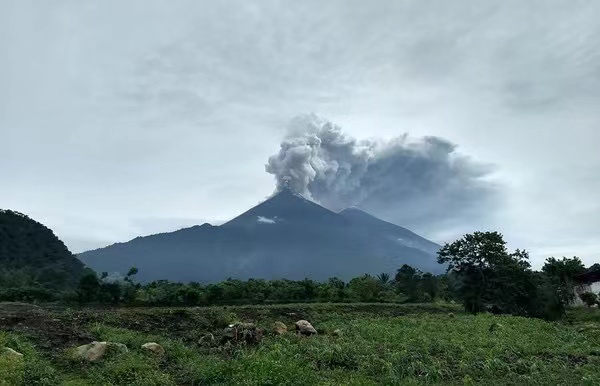
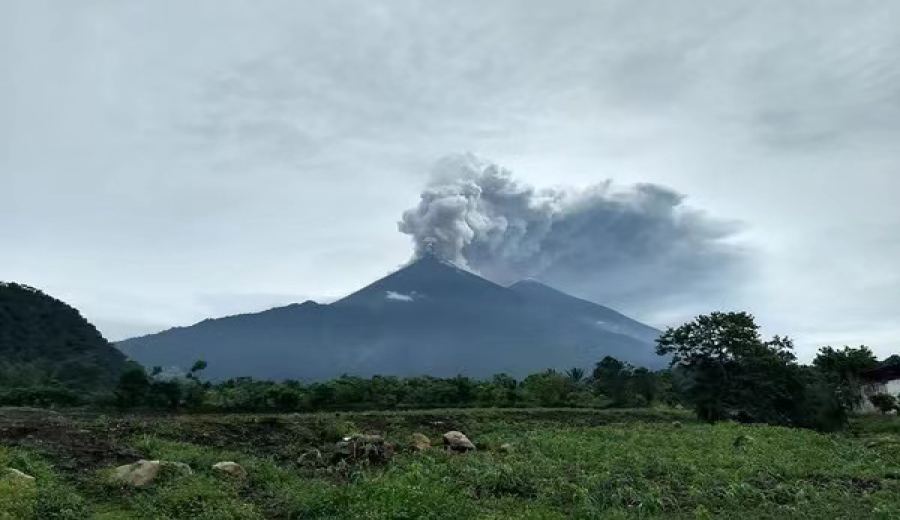
One of the highlights of this review is the Geisha lot from the Acatenango Cooperative. This cooperative is located in the Acatenango region of Chimaltenango Department in Guatemala, adjacent to the Acatenango Volcano — the third-largest volcano in Central America. The volcanic soil is rich in minerals, providing an excellent nutrient source for coffee plants. Although Acatenango is one of the eight youngest coffee-growing regions in Guatemala, its history of coffee cultivation dates back over a hundred years. It currently consists of 293 farmers and has an annual output of about 9,000 bags, equivalent to more than 30 containers.
This region benefits from the warm, moist air currents of the Pacific Ocean, not only enjoying stable and abundant rainfall but also being regulated by dense forests that moderate the microclimate and reduce the risk of frost damage. With a planting altitude of around 1,200 meters, combined with significant day-night temperature variation and fertile volcanic ash soil, the area produces coffee beans with richly layered flavors. This Geisha, when brewed using pour-over, exhibits elegant floral aromas with delicate jasmine notes interwoven within. The acidity is bright and refreshing on the palate, and the finish carries a honey-like sweetness along with multi-layered fruit flavors, presenting a balanced and nuanced overall profile.
Another notable offering is the Geisha from La Belle Farm. This farm is situated in the Sierra de las Minas mountain range in eastern Guatemala and benefits from a natural mountain spring water source, ensuring year-round irrigation and providing ideal conditions for high-quality washed processing. The farm actively promotes environmental sustainability initiatives, including installing solar-powered drying systems, using natural compost to enhance soil health, and establishing mechanisms for water resource recycling. These efforts allow the production of premium coffee while maintaining sustainable practices.
It’s worth mentioning that La Belle Farm previously processed multiple varieties together, but with the maturation of its planting and post-harvest techniques, single-variety coffees have gradually gained prominence in recent years. In 2021, the farm’s naturally processed Geisha even ranked 12th in the COE (Cup of Excellence) international green bean competition, showcasing its exceptional potential.
Here are the recommended pour-over parameters for Guatemalan Geisha: It is suggested to use a Hario V60 filter dripper, with water temperature controlled at 90-91°C, a coffee dosage of approximately 15 grams, and a brew ratio set at 1:16. The grind size can be referenced to a Chinese standard No. 20 sieve with a passing rate of about 80%. The specific steps are as follows: first pour 30 grams of water for a 30-second bloom, then slowly pour water in small circles until reaching 125 grams for the first pour, and when the water level drops and is about to expose the coffee bed, continue pouring up to 225 grams before stopping. Wait until all the water has completely drained from the dripper before ending the extraction. The total brewing time is recommended to be within 2 minutes to 2 minutes and 15 seconds. Using these parameters typically highlights complex flavors such as pineapple, pine, vanilla, cream, and nuts — with a clear and well-defined flavor profile.
The above content is compiled by CoffeeHunters, a coffee news website.


