







Introduction:As a globally significant coffee-producing region, Indonesia poses a challenge in finding high-quality black coffee due to the prevalence of instant coffee products in the market. This article delves into an in-depth analysis of the most representative Mandheling coffee, from the key identifying features of the authentic Golden Mandheling produced by the PWN company, to how the wet hulling processing method shapes its unique flavor profile. It also provides professional cupping comparisons and practical pour over parameters to help you find your ideal premium Indonesian coffee among numerous options.
Walking into a supermarket in Indonesia, one is often greeted by a dazzling array of three-in-one instant coffee products, while genuine black coffee options are few and far between. For coffee enthusiasts who pursue the true essence of coffee, understanding the regional characteristics and processing methods of Indonesian coffee is crucial. This article will focus on Indonesia’s most iconic Mandheling variety, explaining how to identify authentic Golden Mandheling and exploring how the region’s unique wet hulling process influences its flavor.
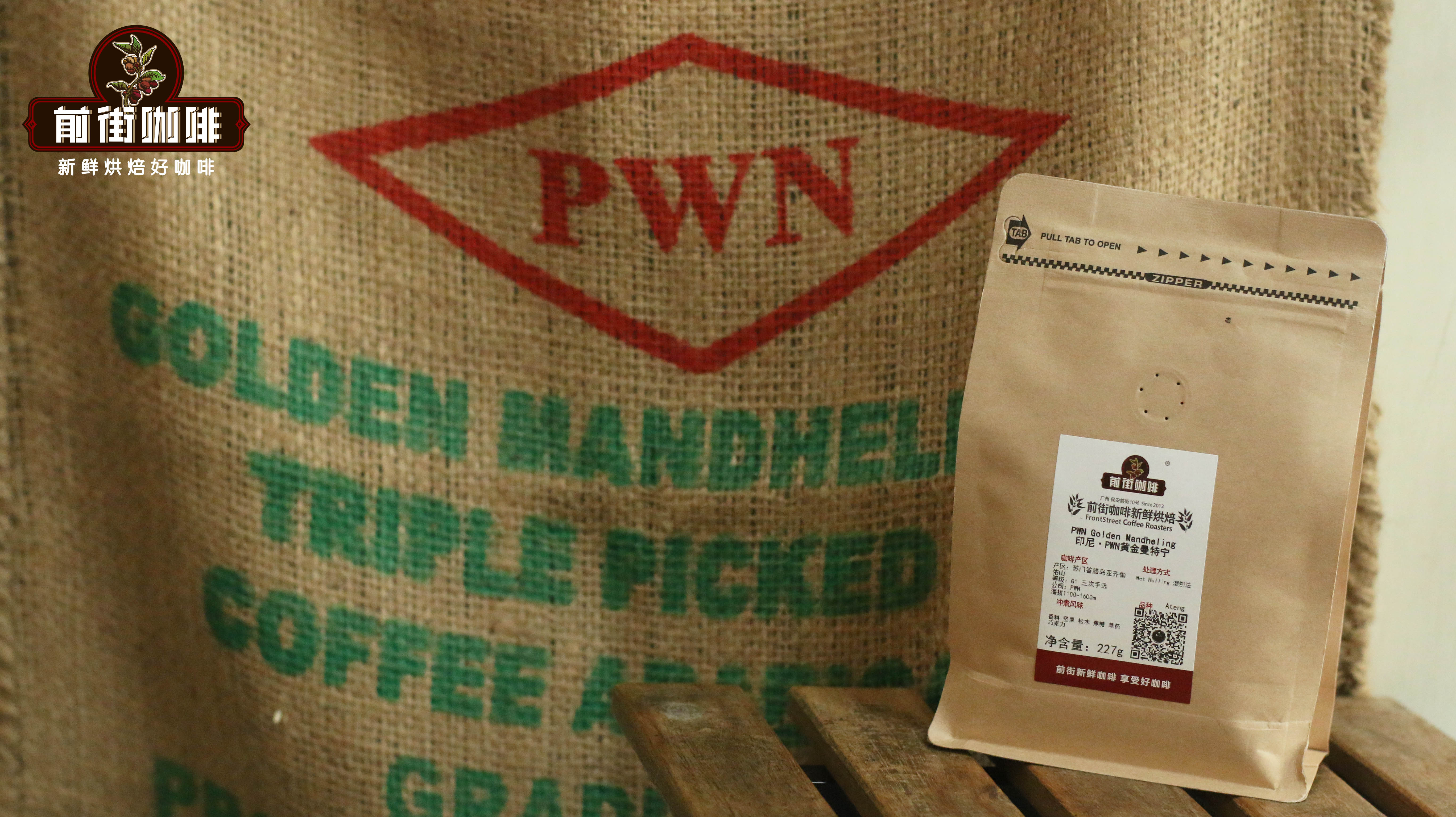
The so-called “Golden Mandheling” is a proprietary brand registered and protected by PT Perkebunan Nusantara (commonly referred to as PWN). It is worth noting that although there are many products on the market labeled as Mandheling, only those produced by PWN are legally authorized to use the name “Golden Mandheling,” which is a protected trademark. Two key identifiers of authentic product are: the presence of the official PWN logo printed on the jute sack of green beans, and the inclusion of an original certificate of origin from the producer.
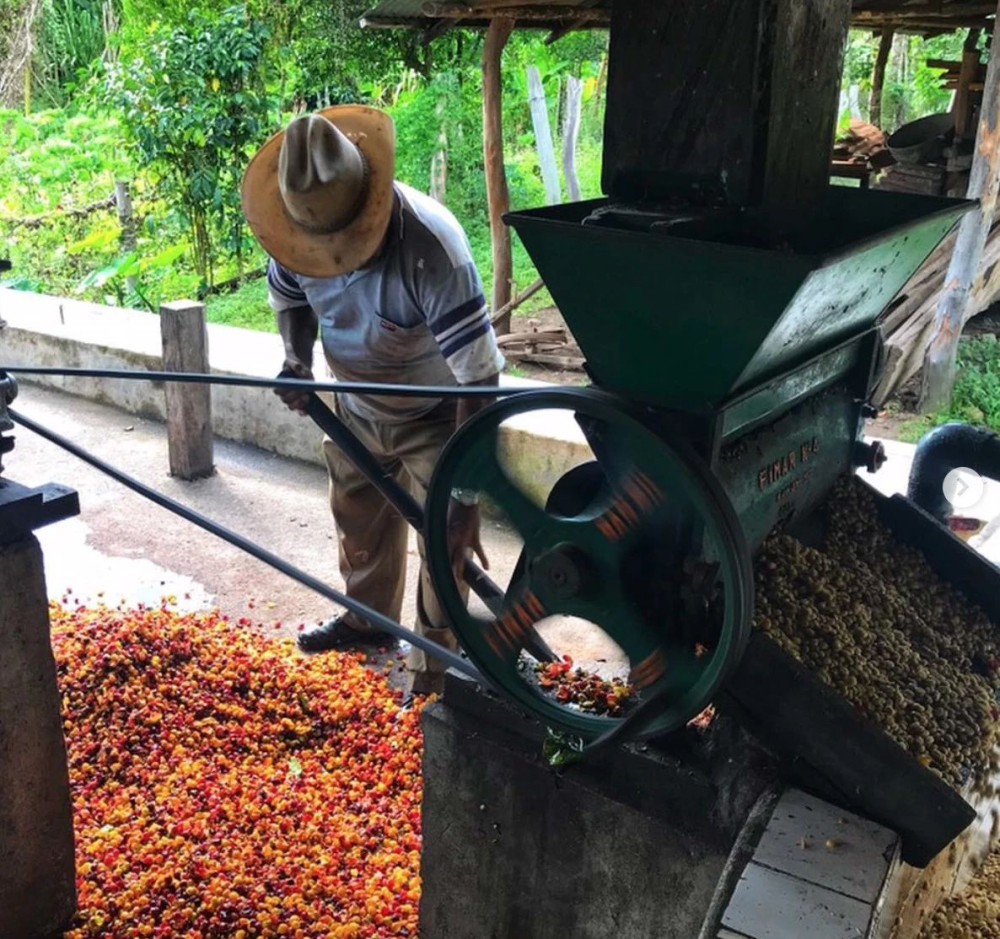
Indonesia’s unique wet hulling (wet hulling) processing method is actually an ingenious solution adapted to the country’s hot and humid climate. The average annual humidity here remains between 70% and 90%, with annual rainfall even exceeding 2000 millimeters—environmental conditions that make traditional sun-drying or washed processing difficult to implement. The specific process includes: first removing the fruit skin and pulp, followed by a brief fermentation period of several hours, then brushing off residual fruit mucilage, subsequently undergoing initial drying with a moisture content of around 30–40% (for approximately 2–3 days), and finally undergoing mechanical hulling while the beans are still semi-dry.
This special processing method results in green beans with a distinctive grayish-green appearance, and due to friction during processing, they often exhibit a physical characteristic known as “elephant ear beans.” Although this approach improves processing efficiency, it also leads to a relatively higher defect rate, hence the need for rigorous hand sorting and grading prior to export. Indonesia uses a G1–G6 grading system primarily based on the number of defective beans, where the G1 grade requires fewer than 11 defective beans per 300-gram sample, and DP (double picked) and TP (triple picked) labels indicate even higher quality assurance.
PWN enforces extremely high standards in raw material selection, using only top-tier G1 green beans that are 18 mesh size or larger, with fewer than 3 defects per 300-gram sample. In addition to mechanical screening, the beans undergo three rounds of manual sorting and are processed through density and color separation techniques to ensure uniform bean color. This stringent quality control gives the brand’s Golden Mandheling a distinct market presence, and consumers can verify authenticity through the markings on the jute sacks and the original certificates provided.
In terms of roasting techniques, to highlight the herbal and spicy notes unique to Mandheling, professional roasters typically employ a medium-to-dark roast. Prior to actual roasting, multiple cuppings are conducted to balance the flavor profile. When comparing Lindong Mandheling with Golden Mandheling, the former exhibits rich flavors of chocolate, brown sugar, and nuts, with an aftertaste that carries herbal characteristics; the latter, on the other hand, releases aromas of pine, nuts, and spices in the dry stage, and delivers a sweet profile of licorice and caramel upon brewing, with a full-bodied mouthfeel and pronounced lingering sweetness.
For Golden Mandheling, it is recommended to use a KONO filter cone with a medium-coarse grind (70% passing rate through a Chinese standard 20-mesh sieve). The specific parameters are set as follows: 15 grams of coffee, a 1:15 coffee-to-water ratio, and a water temperature of 87–88°C. Employing a three-stage pouring method optimizes flavor expression: the first stage involves pouring 30 ml of hot water for a 30-second bloom; the second stage introduces 100 ml to bring out the golden crema and lift the coffee bed; the final stage consists of a 95 ml center pour to enhance sweetness. This parameter combination is particularly effective in highlighting the caramel sweetness and full body of this coffee variety.
When selecting Indonesian coffee, the following practical tips are recommended: prioritize products labeled as G1 grade, confirm the type of green bean processing method used, and observe whether the beans have a uniform appearance without obvious defects. Although the wet hulling process may increase the defect rate, properly selected beans can still showcase unique regional flavors. For beginners, starting with a medium-to-dark roasted Mandheling is a good way to become familiar with its bold and rich flavor characteristics.
The above content is compiled by CoffeeHunters, a coffee news website.


