







Introduction:To brew a great-tasting Americano, choosing the right coffee beans is key. This article dives deep into the origins of the Americano and two common brewing methods, comparing the differences between drip filtration and espresso-with-water approaches, and provides optimal drinking temperature suggestions based on roast levels. It also features a selection of practical blends and single-origin beans, including Warm Sun Espresso Blend, Mozart, and Oukai SOE. From extraction parameters to flavor profiles, it helps you find your personal favorite.
The flavor quality of an Americano is actually determined from the moment you choose your beans. There are three main influencing factors: the quality of the coffee beans used for the espresso shot, the extraction technique, and the ratio of espresso to water. This article will first focus on the most crucial element—coffee beans—starting with the historical evolution of the Americano, comparing the two common methods: adding water to espresso (popular today) and traditional drip filtration. It also offers recommended drinking temperatures according to different roast levels. Additionally, it details the characteristics of specific blends such as one particular espresso blend, various commercial, classic, and specialty blends, as well as beans like Mozart, Bird of Paradise, Strawberry Candy, and Oukai SOE, helping you select the most suitable beans based on your preferred flavor profile.
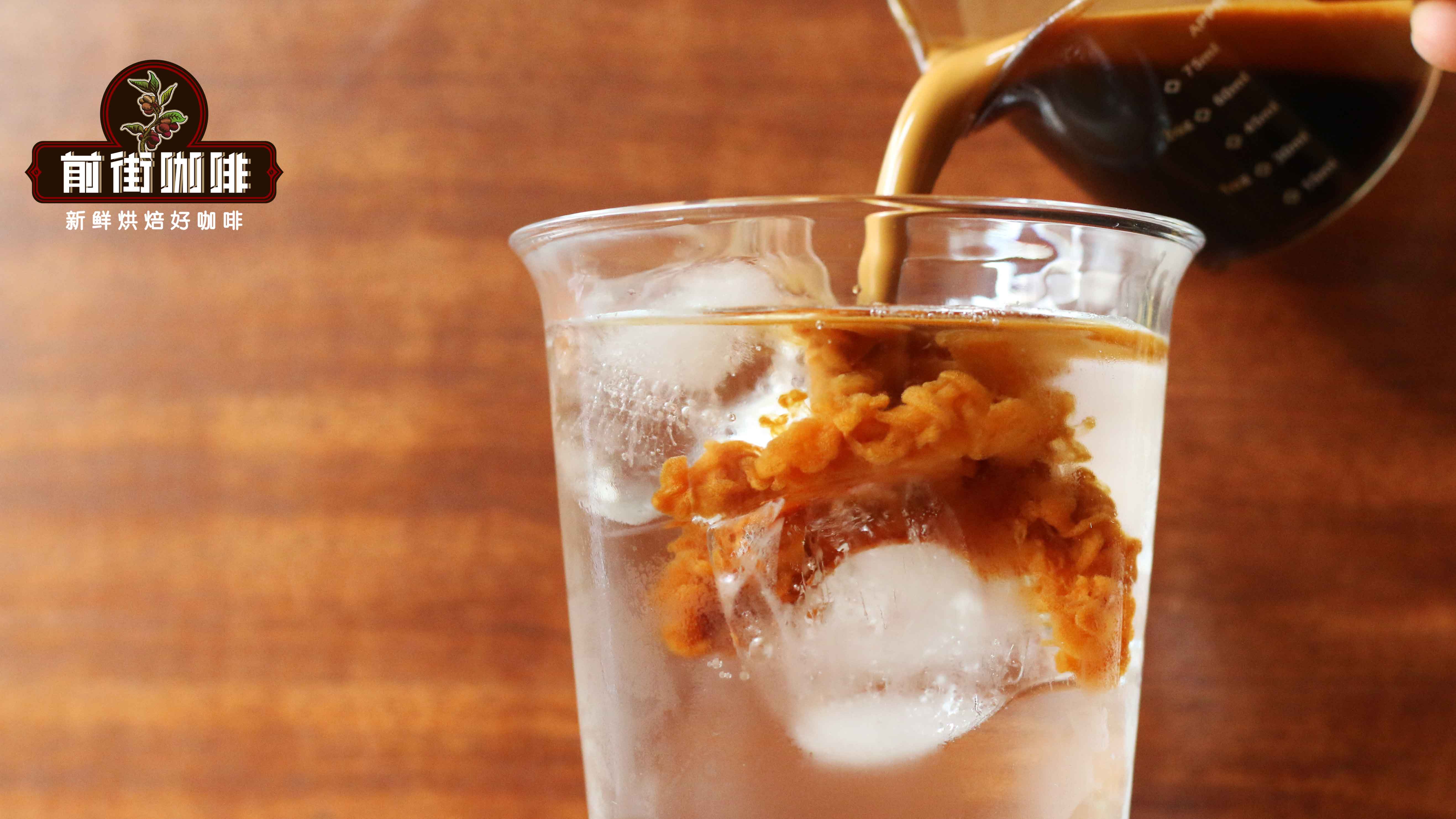 When ordering a common Americano at a café, it’s usually made by diluting espresso with hot water—the formula is quite simple: Americano = espresso + water. In other words, whether this coffee tastes good depends primarily on the beans used to make the espresso, followed by the stability of the extraction, and finally the ratio of espresso to water. This article starts with the most fundamental and important element: the coffee beans, and takes you through an in-depth analysis.
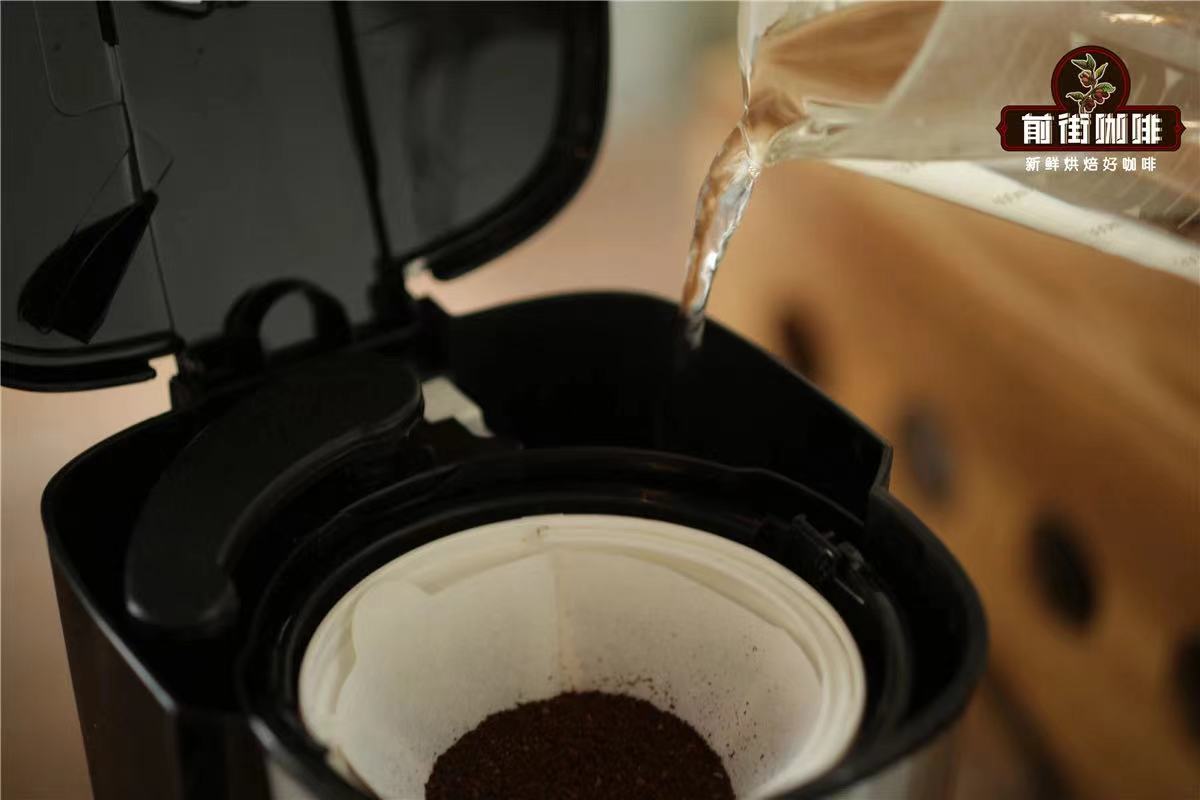
The now-common method of making Americano by adding water to espresso became popular only after Starbucks helped spark the global coffee trend. Before that, what Americans referred to as an "Americano" mostly meant a relatively light-tasting black coffee, typically brewed via drip filtration. Observing coffee-drinking habits across the United States reveals clear regional differences: the East Coast generally prefers stronger flavors compared to the West Coast, while the South favors bolder tastes more than the North. Analyzing by ethnic background, immigrants from Southern Europe and Latin America often prefer intense-flavored coffee, whereas the practice of diluting espresso shots with water is mainly popular on the West Coast. Overall, Americans have fast-paced lifestyles and often drink large pots of electric drip coffee throughout the day. Due to the high water-to-coffee ratio, the overall flavor tends to be weak, which is often criticized.
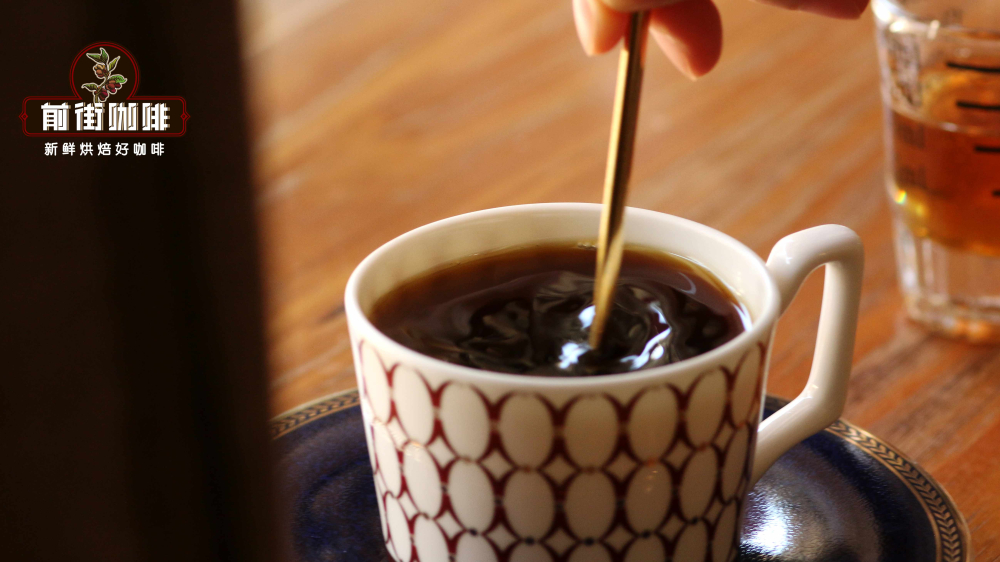 So, is the Americano made by adding water to espresso actually tasty? Compared to the traditional American drip-style Americano, the espresso-and-water method not only delivers a richer and more aromatic flavor, but also benefits from faster brewing, quickly becoming a daily favorite for many office workers. With the rise of specialty coffee culture, more and more coffee shops are now focusing on selecting high-quality espresso beans and refining extraction techniques, resulting in Americanos with increasingly diverse and rich flavor profiles.
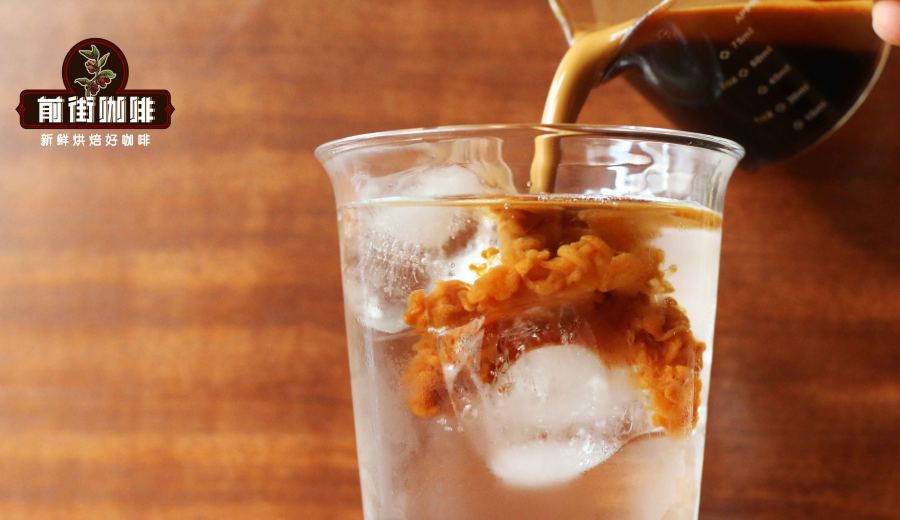
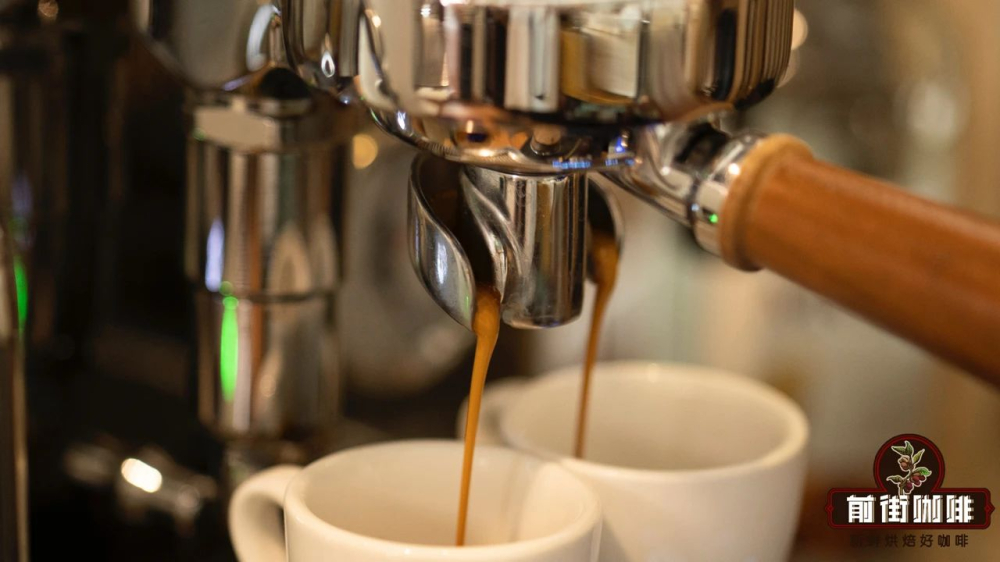
For example, a certain café commonly uses the "Warm Sun Espresso Blend," which is a blend of beans from the Yirgacheffe and Honduras regions. The official recommendation is to use a double espresso extraction: 20 grams of coffee grounds to yield 40 grams of espresso, then add hot or cold water at a 1:4.5 ratio. This brewing method delivers a rich wine-like aroma, soft berry acidity, and a lingering finish of hazelnut and dark chocolate.
The reason Americanos are so popular is not only because they have a moderate strength and smooth mouthfeel, making them suitable for daily consumption, but also because drinking one cup a day in moderation can aid digestion, cut greasiness, and even help relieve bloating. Especially in warmer regions like Guangdong, ordering an iced Americano not only refreshes and quenches thirst but is also a popular summer beverage. Moreover, iced Americanos are very low in calories, and drinking one about an hour before exercise can boost metabolism and aid fat burning, making it a recommended drink among many fitness enthusiasts. However, it’s important to note that these benefits apply only to pure, unsweetened, and unadulterated Americanos. Once syrups, condensed milk, or creamers are added, not only do the calories increase, but long-term consumption may also have negative health effects.
As for the ideal drinking temperature of an Americano, it actually varies depending on the roast level and flavor characteristics of the beans chosen. For dark roasted blends (characterized by low acidity and a strong, full-bodied taste), such as specialty blends, commercial blends, and classic blends, the recommended drinking temperature is around 60–70 degrees Celsius. For medium roasted blends (with mild acidity, noticeable sweetness, and a certain level of body), like Mozart, Bird of Paradise, and Strawberry Candy, the suggested drinking temperature is around 50–60 degrees Celsius. If you prefer medium-light roasted single-origin beans with bright acidity and fresh flavors, such as Oukai SOE, the optimal drinking temperature is 40–55 degrees Celsius, which better highlights its unique fruity acidity and floral-fruity aromas.
The above content is compiled by CoffeeHunters, a coffee news website.


