







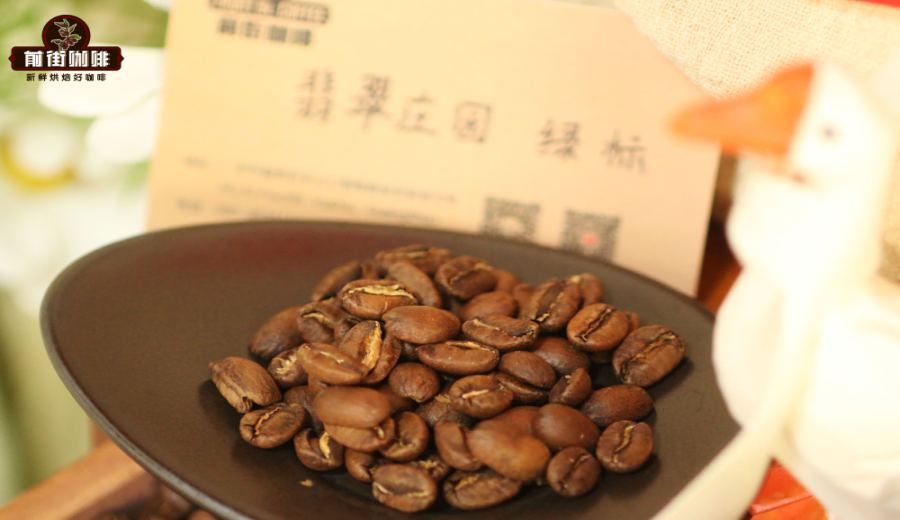
Introduction:The Geisha coffee from Panama’s Hacienda Esmeralda has long held a top position in the specialty coffee world, with its Red Label and Green Label being classic offerings eagerly sought after by enthusiasts. This article delves into the differences between these two labels in terms of processing methods, flavor profiles, and recommended brewing techniques. It also explores how the microclimates of Hacienda Esmeralda’s three core plots influence the expression of Geisha, while providing key details on the craftsmanship behind washed and natural processing methods—helping you choose the most flavor-aligned Geisha from a professional perspective.
Geisha coffee is renowned for its distinctive floral aroma and delicate fruity acidity, maintaining an unrivaled presence in the global specialty coffee market. Hacienda Esmeralda has been a central force in elevating this variety to iconic status. Its three-tiered grading system—Red Label, Green Label, and Blue Label—each showcases unique flavor charms: the Red Label is predominantly natural processed, delivering intense rose and berry aromas with a rich, layered mouthfeel; the Green Label generally employs washed processing, offering a fresh profile highlighted by jasmine and citrus notes, with bright acidity that retains sweetness.
The Geisha variety was first discovered in 1931 in Ethiopia’s Gesha Forest, later introduced by the Kenya Coffee Research Institute, and subsequently spread to Uganda, Tanzania, Costa Rica, and other regions, before finally arriving in Panama in the 1970s. However, it wasn’t until 2003 that Hacienda Esmeralda began cultivating Geisha separately from other varieties, and it wasn’t until its victory at the 2004 Best of Panama (BOP) competition that the variety truly captured international attention. The reason Geisha can exhibit such refined and captivating flavors is inseparable from its stringent environmental requirements—high altitude, cloud cover, and fertile soil are all key factors contributing to its unique aroma and acidity.
The Boquete region, where Hacienda Esmeralda is located, is a renowned coffee-growing area in Panama, home to numerous well-known estates. Hacienda Esmeralda has four main growing areas, three of which are dedicated exclusively to cultivating the Geisha variety: Jaramillo, Canas Verdes, and El Velo. Jaramillo is the earliest plot acquired by the Peterson family and also the site where the Geisha variety was discovered. The coffee trees here have an average age of over 15 years, and although the average altitude is only about 1,700 meters, the steep slopes make harvesting challenging. The region sees daytime temperatures averaging 19–25°C, dropping to 11–15°C at night, along with high humidity and dense tree shade, all of which contribute to the bright aromatic expression of Geisha. Currently, Jaramillo is subdivided into six main plots for Red Label production, including Mario, Noria, Reina, Bosque, Buenos Aires, Caballeriza, as well as the yet-to-be-released new plot Manantial.
Canas Verdes, which translates to “green reeds” or “green fields” in Spanish, features a broader altitude range, extending from 1,500 to 2,050 meters. Its complex terrain and significant diurnal temperature variations, combined with the nourishment of volcanic soil, endow Geisha with richer aromatic layers. The area receives approximately 3,500 ml of annual rainfall, with day-night temperature differences ranging from 16–23°C (day) and 10–15°C (night). There are currently 11 subplots planted with Geisha here, including Lino, Coronado, Fundador, León, Montaña, Trapiche, Jacinta, Cabaña, Tumaco, Nido, and Colga.
El Velo is a more recently acquired plot by Hacienda Esmeralda, situated at an altitude between 1,700–1,900 meters. In addition to Geisha and Catuai, it also cultivates small amounts of other foreign varieties such as Laurina, Pacamara, Mocha, and SL28. This area is divided into seven subplots: Guabo, Portón, Durazno, Mural, Higo, Buena Vista, and Guila. Its diverse microclimates offer varied flavor potentials for Geisha.
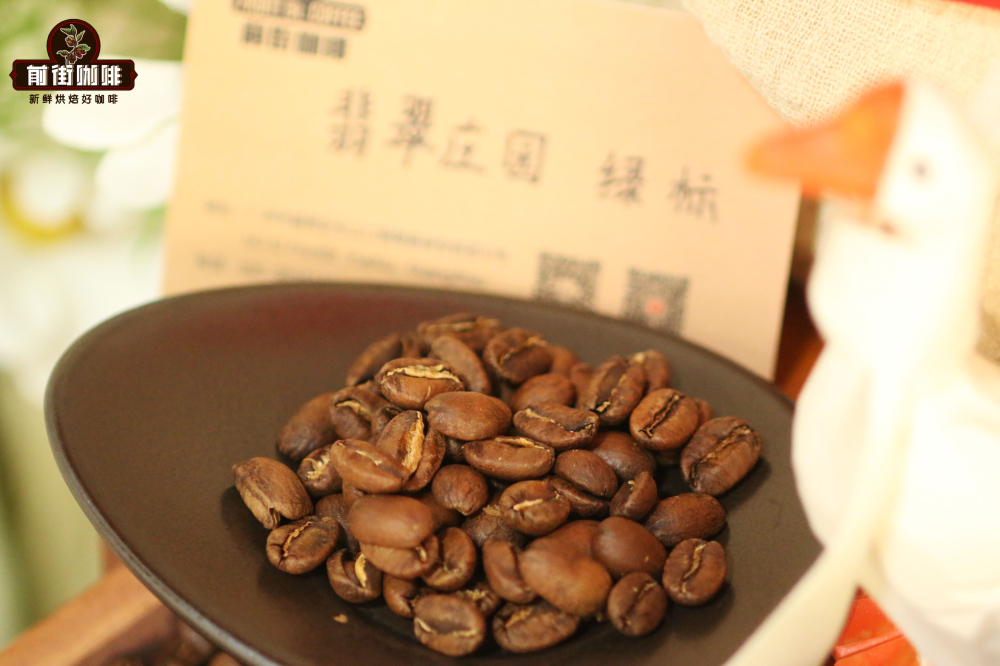
Hacienda Esmeralda categorizes its Geisha into three main grades based on quality and processing method: the competition-grade Red Label (Esmeralda Special), the collector-grade Green Label (Private Collection), and the volcanic rock Blue Label. The Red Label represents non-auction high-quality Geisha, typically scoring 91 points or higher in cupping, grown at altitudes between 1,600–1,800 meters. Each batch comes with detailed plot information, including elevation, harvest time, and more. This grade may be either natural or washed processed, often showcasing aromas such as jasmine, cranberry, citrus, and cinnamon. The Green Label is a blend of lots, not participating in auctions but still of outstanding quality. It primarily originates from the three major plots of Jaramillo, Canas Verdes, and El Velo, with specific origin information increasingly indicated year by year. Flavor profiles vary by plot—for example, Jaramillo emphasizes jasmine and rose, Canas Verdes highlights tropical fruit blends, and El Velo presents lemongrass and fresh floral notes.
The Volcanic Rock Blue Label (formerly known as Geisha 1500) blends Geisha from all three major plots, grown at altitudes of 1,400–1,500 meters. It was previously only washed processed, but since 2021, natural-processed batches have been added. The washed version offers a clean cup with oolong tea notes and sugarcane sweetness; the natural version adds tropical fruit and fermented wine aromas, with a richer, more indulgent sweetness.
Washed and natural processing methods have a highly significant impact on Geisha’s flavor. Washed processing removes the fruit pulp through fermentation, resulting in cleaner bean surfaces and brighter, clearer acidity, often presenting refreshing flavors like lemon and citrus, with a crisp mouthfeel and honey-like sweetness. Natural processing retains part of the fruit pulp during extended drying, imparting more intense fruitiness and berry characteristics, typically yielding a fuller, rounder body with red wine and fermentation aromas. Differences in microbial activity and oxidation levels during drying create distinct flavor profiles.
When tasting, the natural Red Label often exhibits bright rose and citrus aromas, paired with a complex fruity blend of berries, apricots, and honey, featuring a rich mouthfeel and pronounced sweetness. In contrast, the washed Green Label centers on jasmine floral notes, complemented by citrus, berries, and a creamy texture, with a lingering aftertaste of green tea and citrus freshness. These differences stem not only from processing methods but also closely relate to plot microclimate, altitude, and harvest batches.
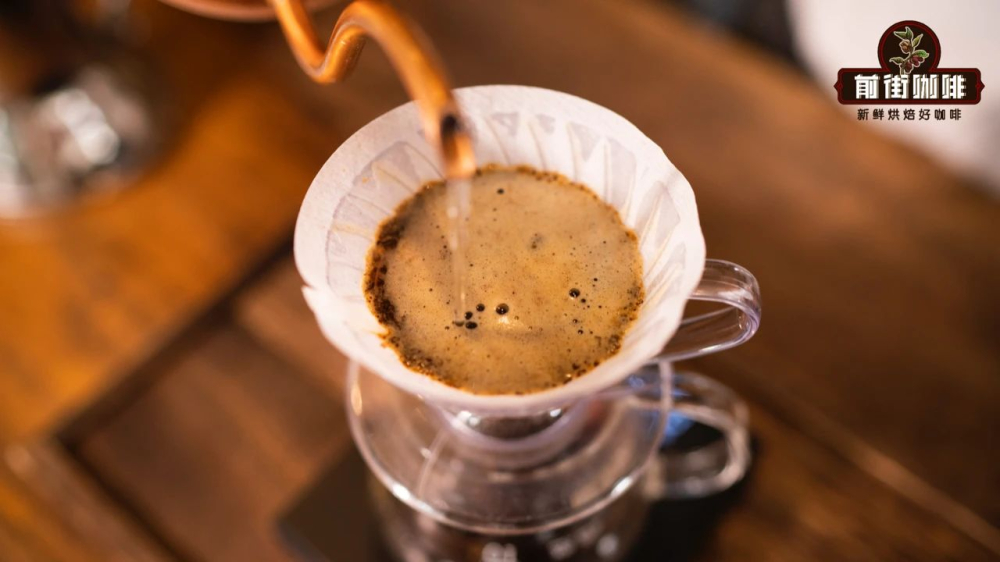
For home brewers aiming to prepare Geisha, it’s recommended to adjust grind size and water temperature based on processing method: the natural Red Label suits a slightly coarser grind (e.g., superfine sugar level, 78% passing through a 20-mesh sieve), with water temperature controlled at 91–93°C to highlight its floral-fruity and juicy character. The washed Green Label also works well with a similar water temperature, but attention should be paid to extraction time to avoid over-extraction, which can lead to sharp acidity. When using a V60 filter, a pulse pouring method is suggested—start with a 30-second bloom, then gradually add water—to balance acidity, sweetness, and aroma expression.
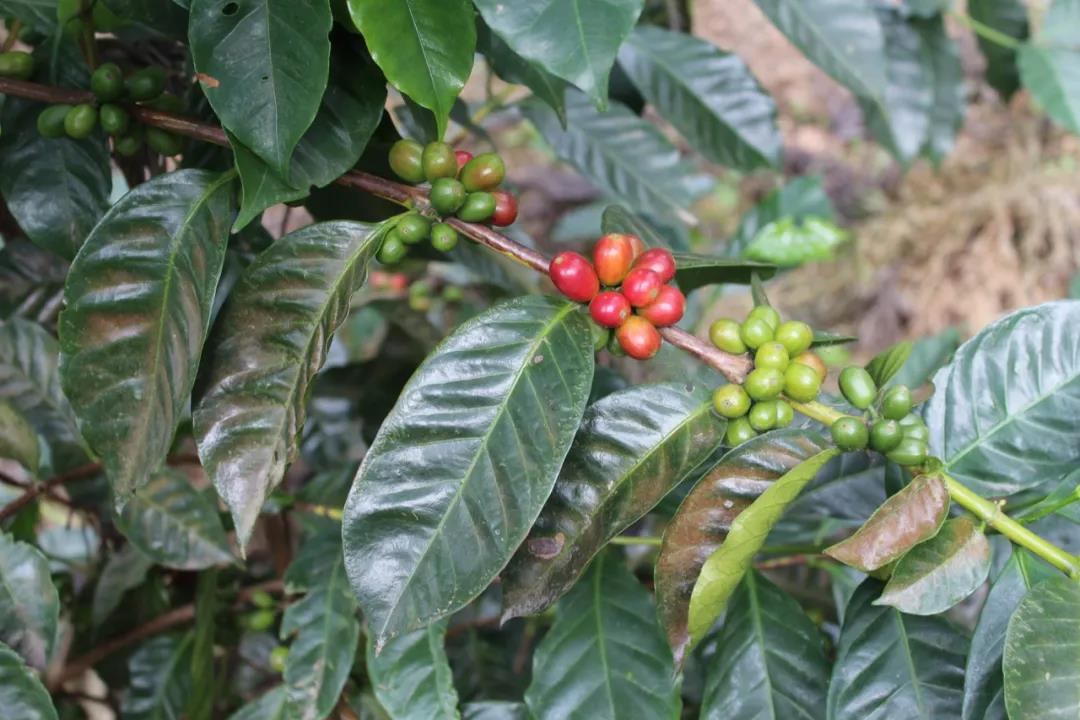
Whether you prefer the rich depth of the Red Label or the fresh elegance of the Green Label, the Geisha from Hacienda Esmeralda delivers an exceptionally layered tasting experience. Understanding the relationship between plot, processing method, and flavor characteristics will help you more precisely select and brew your own dream cup of Geisha.
The above content is compiled by CoffeeHunters, a coffee news website.


