







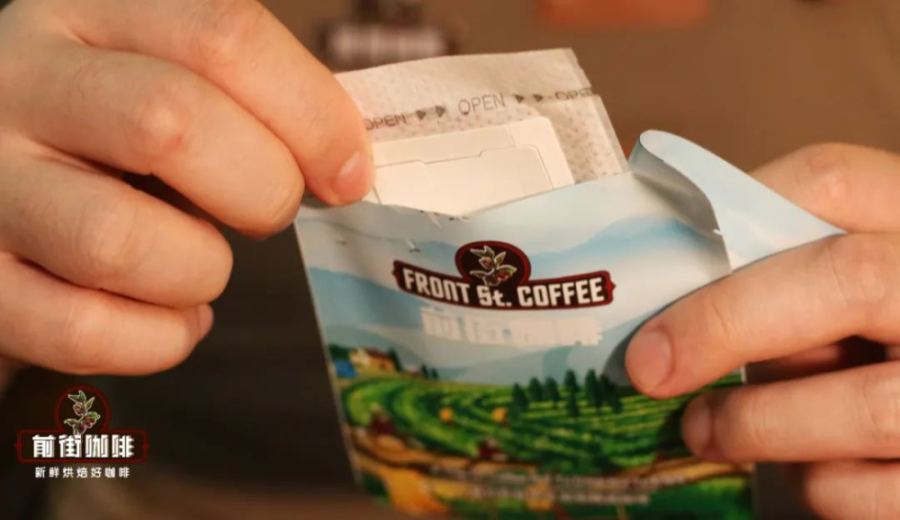
Introduction:Drip bags are favored by many busy modern individuals as their go-to pick-me-up due to their simplicity and portability. However, brewing a cup of coffee that is well-balanced, neither overly sour nor bitter, still requires mastering the right techniques. This article delves into five key aspects—water temperature control, water distribution, cup selection, pouring method, and drip bag usage habits—to help you enhance your drip bag brewing quality. This way, even outside your home, you can consistently achieve a professionalism-level complexity and flavor akin to manual pour-over.
Drip bags are an extremely convenient form of drip-filtered coffee, especially suited for use in offices, during travel, or outdoor activities. While they may not fully replicate the nuanced profile of manual pour-over, mastering a few essential techniques can still yield a richly layered and well-balanced black coffee. Below, we’ll explore five critical factors—water temperature, water volume, cup choice, staged pouring, and drip bag handling—that will guide you on improving your brew performance while avoiding common pitfalls.
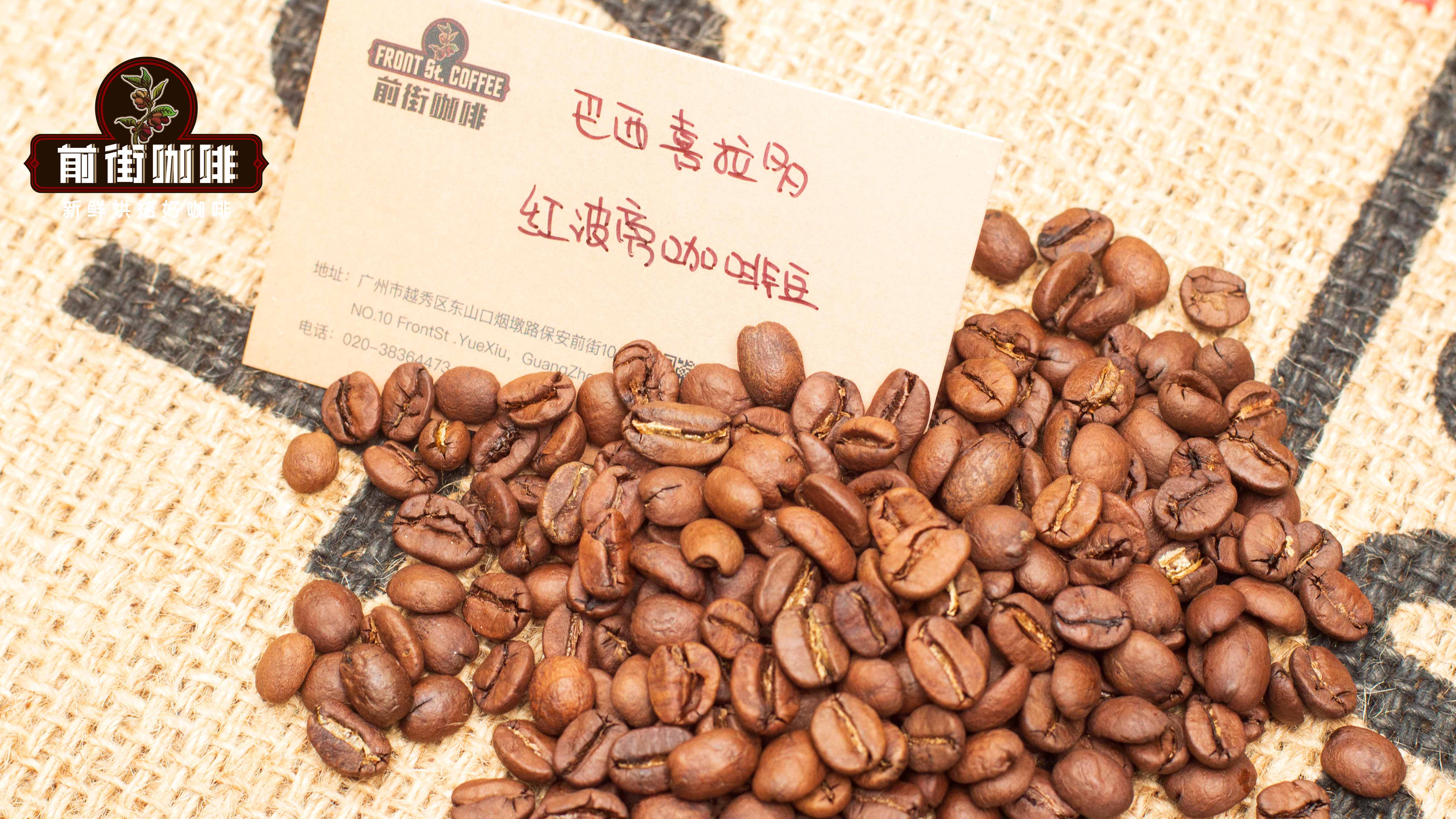
First, the flavor profile of coffee is largely determined by the roast level of the beans used. If you prefer bright, refreshing fruity acidity and floral notes, opt for medium-light roasted beans, such as those with a Yirgacheffe character. For a smoother and more balanced taste, medium-roasted Brazilian beans are a great choice. If you’re after a bold, rich cup with hints of spice and caramel, medium-dark roasted Mandheling suits your palate better. Different roast levels also come with distinct requirements for water temperature and brewing methods.
Many people habitually use tap water or directly boil water from a water dispenser when brewing drip bags, but the temperature of these water sources often hovers around only 80°C, which is insufficient to fully extract the desirable flavor compounds from the coffee. This can easily result in a light-bodied cup with pronounced acidity or even off-flavors. Ideally, water temperature should be adjusted according to roast level:For medium-light roasted coffee (with fruity and floral acidity), it’s best to use 90–93°C water. Whereas for medium-dark roasted beans (such as those with chocolatey, spicy, and caramel notes) , it is recommended to use 86–89°Cwater to avoid over-extraction and bitterness.
If you don’t have a thermometer handy, you can estimate the temperature by observing the resting time after boiling: once the water boils, turn off the heat, remove the lid, and let it sit for 2–3 minutes at room temperature (around 25–30°C)—the water will cool down to roughly 92–95°C, perfect for extracting the bright, fruity notes typical of medium-light roasts. Letting it sit for 5–6 minutes will bring the temperature down to about 87–90°C, an ideal range for medium-dark roasts that helps highlight body and sweetness.
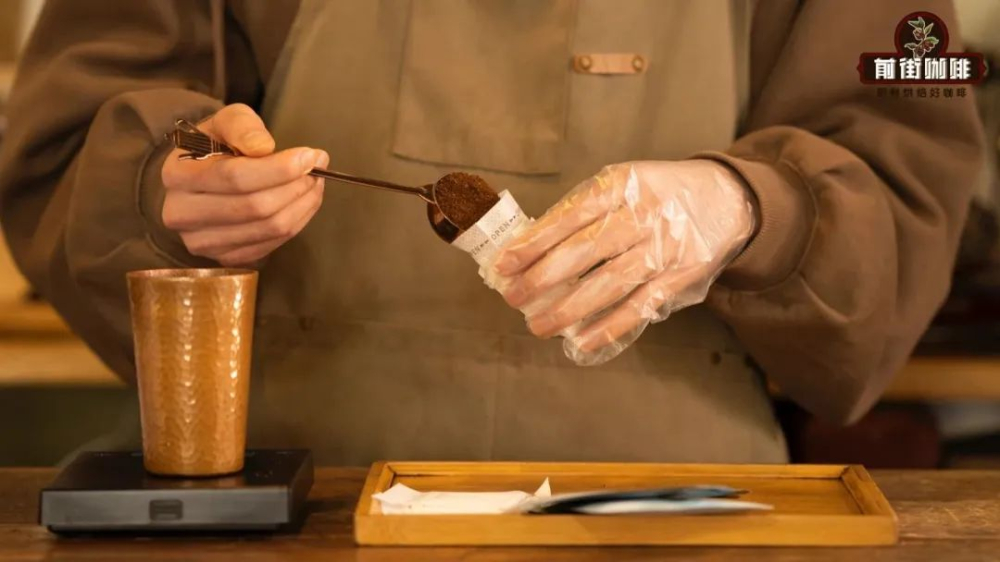
Controlling the water volume during drip bag brewing is also crucial. A standard commercial drip bag typically contains about 10 grams of coffee grounds. Pouring water up to nine-tenths full in one go yields approximately 60–80 grams; pouring halfway results in about 30–40 grams. Based on the common pour-over ratio of 1:15 to 1:18, the total water volume is recommended to be around 150–180 milliliters. For a stronger coffee flavor, consider a three-stage pour: start with about half the water for a 20-second bloom, then pour in two more increments up to nine-tenths full. The whole process takes roughly 1 minute and 30 seconds, with a total water volume of about 140–160 milliliters. For a lighter, crisper taste, you may increase to a four-stage pour with up to 200 milliliters of water to achieve a cleaner, brighter cup.
Cup selection also affects the final extraction outcome. It’s advisable to choose acontainer with a height of at least 12 cm and a mouth diameter smaller than 9 cm, such as a tall glass or a deep mug. This design allows the brewed coffee to drip directly to the bottom, minimizing the risks of backflow and over-extraction. If the cup mouth is too wide, the weight of the drip bag may cause it to slip during pouring, affecting stability. A cup that is too shallow may lead to coffee backflow, resulting in a heavier or even burnt and bitter taste.
Since drip bag brewing doesn’t require a pour-over kettle, most people use regular kettles, thermoses, or even hot water dispensers on trains—all of which often lack the precision needed for fine water flow control. If the water flow is too fast or too forceful, it reduces contact time between the coffee grounds and water, leading to under-extraction and a flat, unremarkable flavor. It’s recommended to pour in multiple stages with a gentle stream—for example, dividing the total water volume into five pours, each about half the total hot water amount. You may also slightly raise the pouring height to ensure even penetration through the coffee bed. Keeping the overall extraction time between 1 minute 50 seconds and 2 minutes helps achieve full release of flavor compounds.
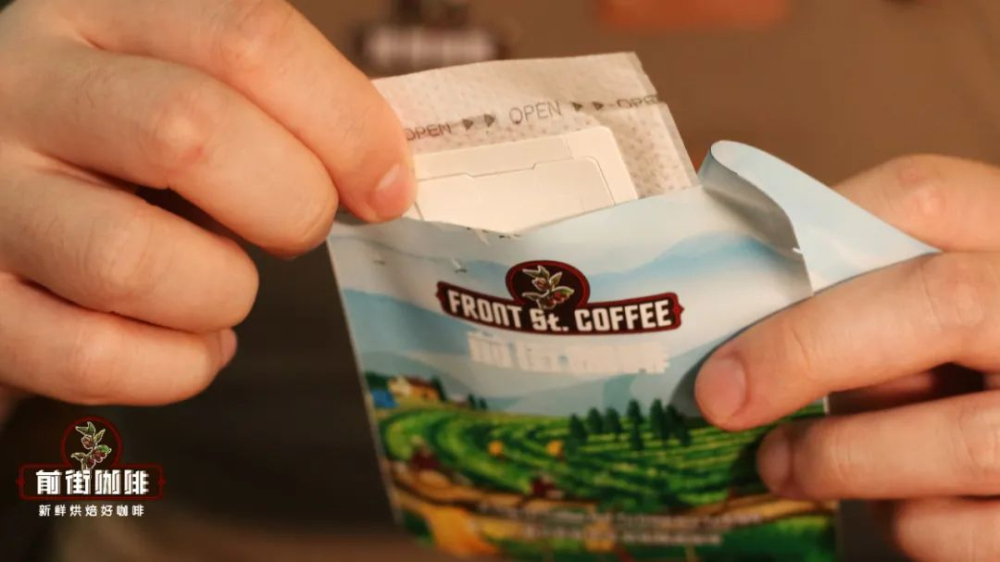
Lastly, avoid frequently shaking or jostling the drip bag during brewing. Many people have the habit of shaking the filter bag before opening it, which can cause fine coffee particles to settle and negatively impact the final extraction stage, resulting in astringency or off-flavors. The correct approach is to gently flick the dashed line area on the drip bag after tearing open the seal, then steadily hang both “ears” onto the cup rim, allowing the coffee grounds to lie flat naturally inside the filter. This ensures stable filtration and even flow rate.
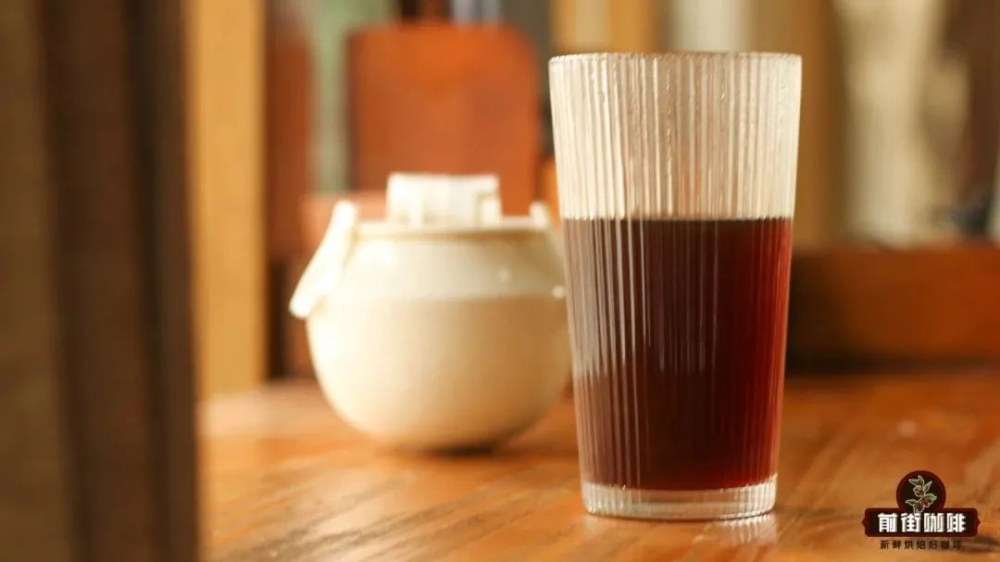
In summary, although drip bags are convenient, bringing out their full flavor potential still requires certain techniques. Mastering the correct water temperature, properly distributing water volume, selecting the right cup, using a staged gentle pour, and avoiding unnecessary movement of the drip bag are all key to improving brew quality. Whether you’re at the office, on the go, or just in a corner of your home, paying attention to these details will allow you to enjoy a well-balanced, satisfying cup of drip bag coffee with ease.
The above content is compiled by CoffeeHunters, a coffee news website.


