







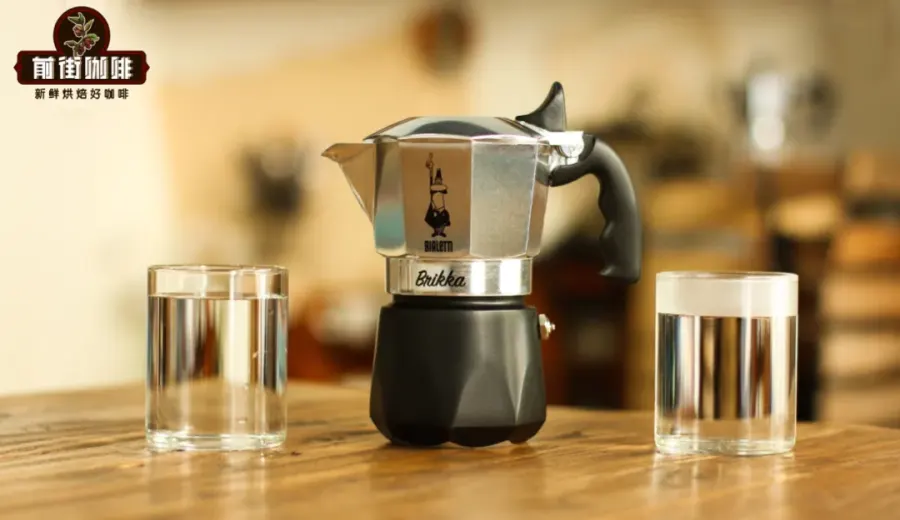
Introduction:When using a moka pot to brew coffee, many coffee enthusiasts have wondered: should the lower chamber be filled with cold water or hot water? This seemingly simple choice can significantly impact heating time, extraction stability, and the final flavor profile. Through a comparative experiment, this article delves into the effects of the two water temperatures on drawdown time, channeling, and bitterness production, and provides practical operational advice to help you brew a smoother, more balanced moka pot coffee.
Thanks to its compact size, ease of use, and affordable price, the moka pot has become the go-to tool for many households and beginner coffee drinkers stepping into the world of espresso-style coffee. However, during actual use, one question often arises: “Should the lower chamber of the moka pot be filled with cold or hot water?” This isn’t just about overall extraction time—it directly affects brewing efficiency and the final flavor complexity.
To clear up this confusion, we designed a detailed comparative experiment using the same grind size, coffee-to-water ratio, and coffee beans, comparingcold water (20°C)withhot water (100°C)to observe the differences in heating time, flow performance, and flavor profiles, while also exploring the underlying principles—so you’ll never have to hesitate again and can make the choice that’s best for you.
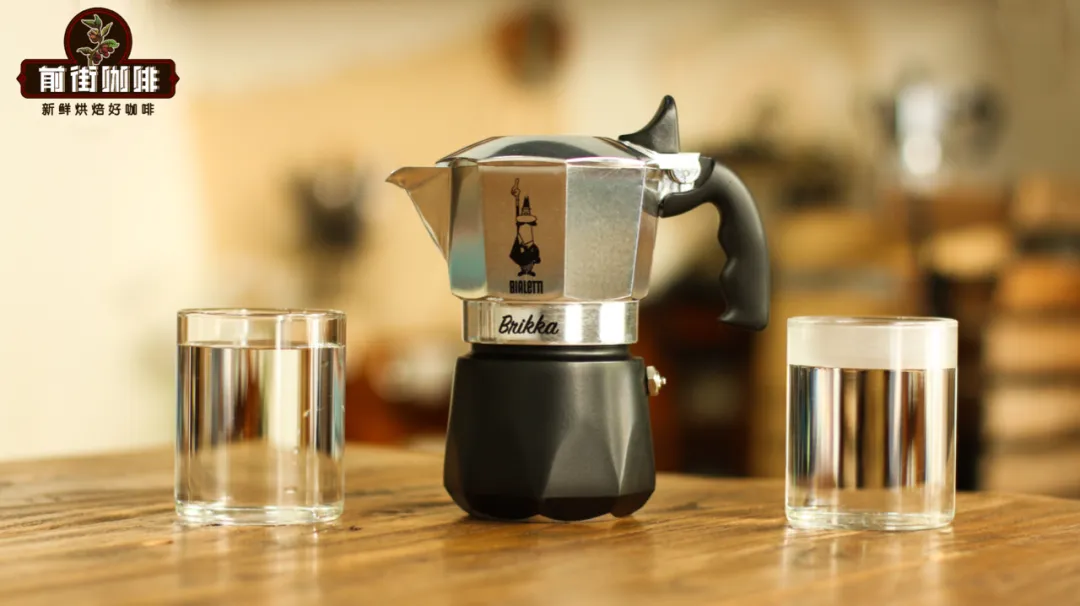
The reason the moka pot is so popular is precisely because of its compact design, intuitive operation, and ability to brew espresso-style coffee with rich flavors without the need for expensive equipment. But many users, especially when trying it for the first time, often have doubts about “what water temperature to use in the lower chamber.” In fact, water temperature not only affects brewing speed, but in the working principle of the moka pot, it’s also key to determining heating efficiency and extraction uniformity.
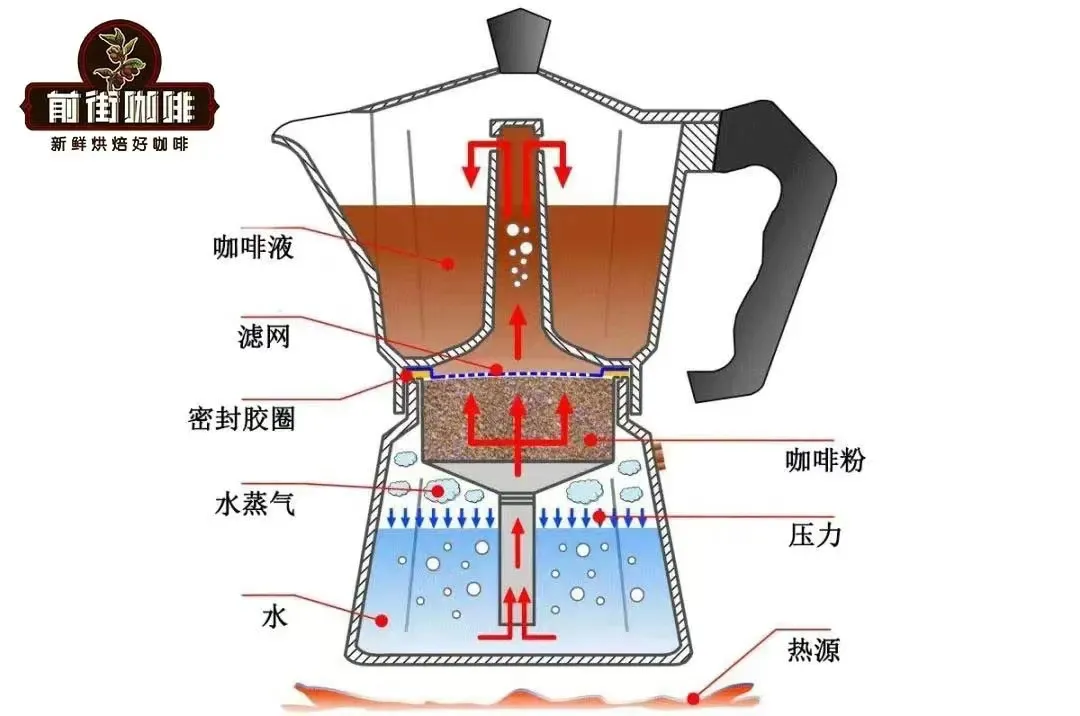
The moka pot works by heating the water in the lower chamber, turning it into steam and generating pressure, which then pushes the water through the coffee grounds in the middle section, eventually collecting as brewed coffee in the upper chamber. In this process, the starting temperature of the water directly affects how long it takes to turn into steam, thereby altering the overall extraction rhythm.
When the lower chamber is filled withcold water, it naturally takes longer to heat up to boiling point and generate enough steam pressure. This means the coffee grounds are exposed to the heating environment for a longer period, which can alter extraction characteristics due to excessive heat. Conversely, usinghot watercan significantly shorten the heating time and reduce the risk of the coffee grounds being overheated for too long.
For this experiment, we used a medium-dark roasted espresso blend—a common roast level suitable for moka pot use, known for its rich caramel aroma and full-bodied taste, ideal for both beginners and experienced users. The coffee dose was set at19 grams, with a1:8 coffee-to-water ratio, and ground usingGalileo Q18 grind setting 1, roughly equivalent to a flour-like fineness, ensuring stable flow rate and sufficient contact time.
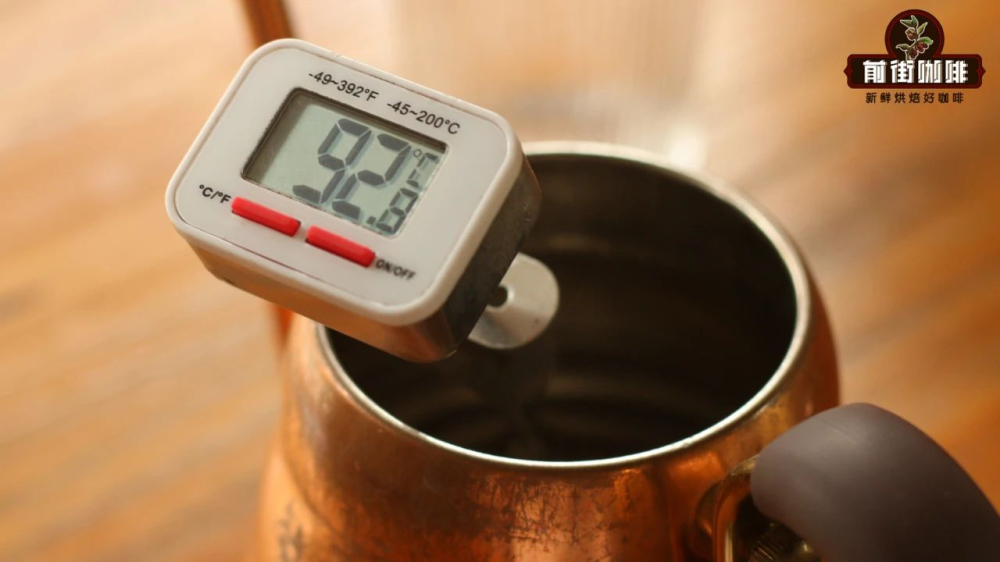
The only variable changed between the two test groups was the water temperature in the lower chamber: one group used room temperature20°C cold water, and the other used freshly boiled100°C hot water. All other conditions—including tamping pressure, heat intensity, and moka pot model—were kept consistent to ensure fair and reliable results.
The experimental results showed that the cold water group began to draw down after5 minutes and 31 secondsof heating, while the hot water group produced coffee after just2 minutes and 44 seconds—a difference of nearly three minutes. This time gap not only reflects differences in heating efficiency, but also significantly affects extraction uniformity and flavor development.
Observing the drawdown phase, it was noticeable that the cold water group exhibited significant splattering at the beginning of extraction, often a sign of “channeling”—where water concentrates and flows through certain cracks or gaps in the coffee bed, leading to over-extraction in some areas and under-extraction in others, thus disrupting overall flavor balance.
Further tasting revealed that the cold water group had a slightly bitter finish, with an overall coarser mouthfeel. Some testers noted faint notes of burnt bitterness and astringency. In contrast, the hot water group delivered a rounder, more balanced cup, with prominent caramel and dark chocolate notes, accompanied by smooth buttery cookie undertones. It had a silky texture and clear layering, with almost no negative off-flavors.
Further analysis of the data showed that the actual extraction yield of the cold water group was about2%% higher than that of the hot water group, indicating that more soluble substances were extracted from the coffee grounds—especially over the extended heating period, which can release undesirable impurities and affect flavor purity. Moreover, when both cups were diluted with water, the flavor differences became even more pronounced, with the cold water group’s bitterness and harshness becoming more obvious.
Why does such a difference in water temperature lead to such distinct outcomes? The reason is that when using cold water, it takes longer to heat up, during which the coffee grounds remain in a high-temperature environment for extended periods, causing the pores between coffee particles to expand and form uneven extraction channels. Once steam pressure builds and water begins to flow, it tends to escape quickly along these paths of least resistance, leading to over-extraction in some areas and insufficient flavor release in others.
In summary, if you want a more stable moka pot brewing process and a more balanced coffee flavor,it is recommended to use hot water (preferably near boiling point). This not only shortens heating time and reduces the risk of channeling, but also helps you brew a richer, more layered cup with greater ease. Of course, if you don’t have hot water on hand, using cold water is not out of the question—but it’s advisable to grind a bit finer to increase flow resistance, compensating for the effects of prolonged heating, while also keeping an eye on extraction time to avoid over-extraction.
The above content is compiled by CoffeeHunters, a coffee news website.


