







Introduction:Brazil is a globally renowned coffee origin, and its stable production capacity and unique flavor have long been highly regarded in the industry. This article takes an in-depth look at a specialty coffee brand from the region, analyzing the characteristics of its major producing areas and popular cultivars, such as the advantages of Yellow Bourbon. It also recommends several outstanding specialty single-origin and blended beans on the market, including a well-known brand’s Brazil Queen Estate and high-percentage Brazilian bean blends. From medium-dark roast suitability to pour over, moka pot, and espresso brewing parameters, it helps you find the most suitable Brazilian flavor experience.
As the world’s largest coffee-producing country, Brazil not only offers a large supply but is also known for its stable and distinctive coffee bean flavors. Generally speaking, Brazilian coffee has relatively mild acidity but boasts rich layers of nuts and cocoa, especially with the sugary sweetness characteristic of the Bourbon family, making it an indispensable base for many professional espresso blends.
Among the many Brazilian specialty coffee brands, KAPHE CAFE has gradually gained attention in recent years. The brand delves into Brazil’s major producing regions, carefully selects coffee beans with stable quality, and emphasizes the influence of variety and microclimate on flavor, allowing consumers to experience a more layered Brazilian coffee.
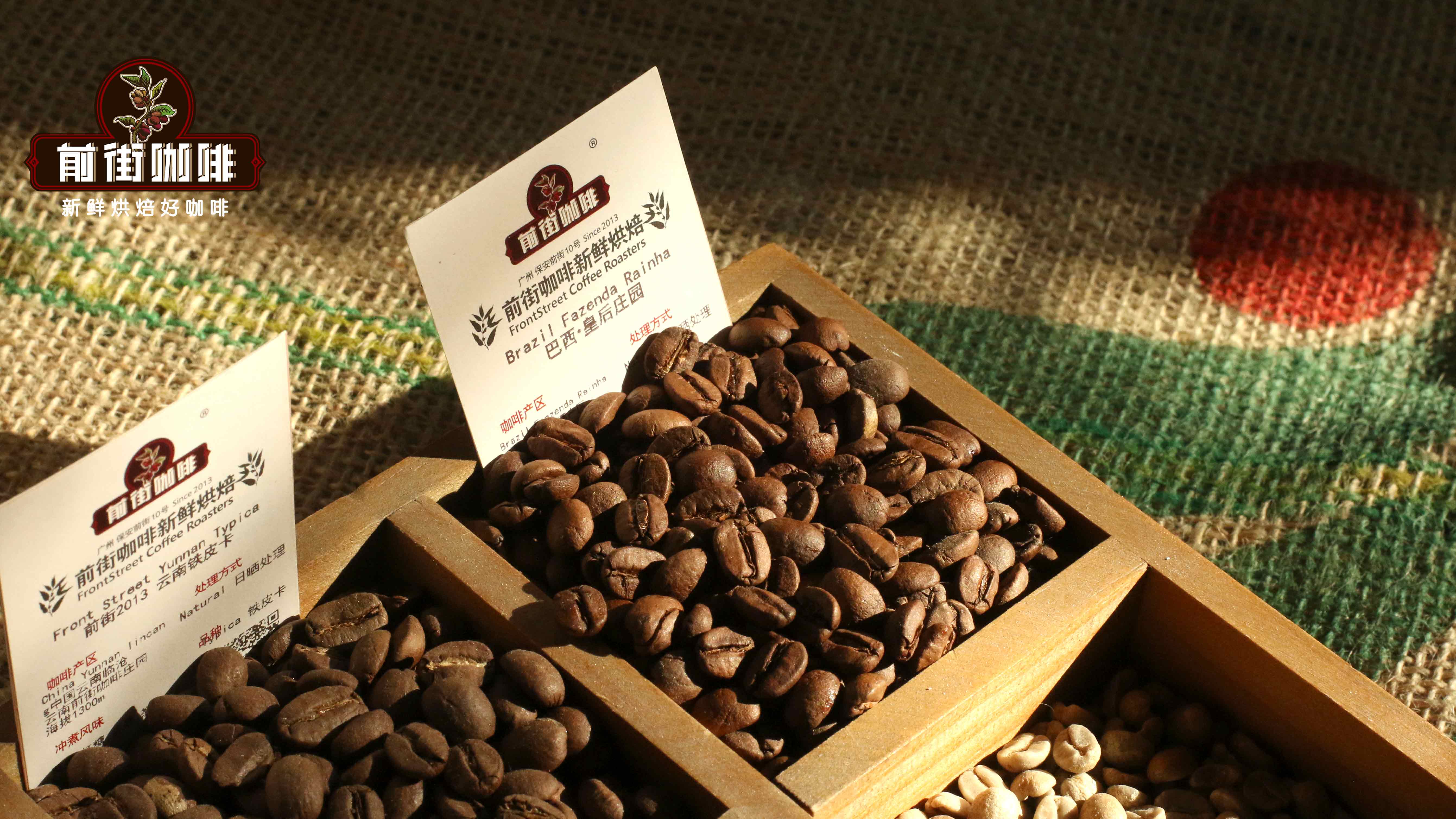
If you want to explore the charm of Brazilian single-origin coffee in depth, the “Brazil Queen Estate” single-origin beans launched by a well-known brand are definitely worth trying. This coffee is medium-dark roasted and suitable for various brewing methods, including pour over, moka pot, French press, siphon, and espresso SOE. Its Yellow Bourbon variety, grown at high altitudes, stands out with its bright yellow fruits—visually unique and also reflected in its flavor profile.
After medium-dark roasting, this Queen Estate coffee showcases a harmonious flavor of creamy peanut, cane sugar, chocolate, and caramel. With overall low acidity, it has a rounded and balanced mouthfeel, making it an excellent choice for coffee lovers who enjoy a rich yet subtly layered cup. Whether you’re new to Brazilian beans or a brewing enthusiast looking for a stable base, it’s a great option.
Beyond single-origin, Brazilian coffee beans also play a key role in blends. Many espresso recipes that emphasize smooth mouthfeel and rich nutty notes incorporate a high percentage of Brazilian beans to support the overall flavor structure and balance of sweetness and bitterness.
For example, a well-known brand’s “Premium Blend” skillfully combines the nutty, chocolatey, and caramel aromas of Colombian coffee while retaining moderate acidity, making it suitable for users who prefer a slightly acidic and bright taste. Another blend, the “Dark Cocoa Base Blend,” incorporates the ripe plum acidity brought by Yunnan small-bean coffee, paired with the stable performance of Brazilian beans, resulting in an inviting fragrance reminiscent of creamy chocolate after grinding. Both blends are highly versatile—not only ideal for making lattes but also applicable to cappuccinos, flat whites, and other common espresso-based drinks.
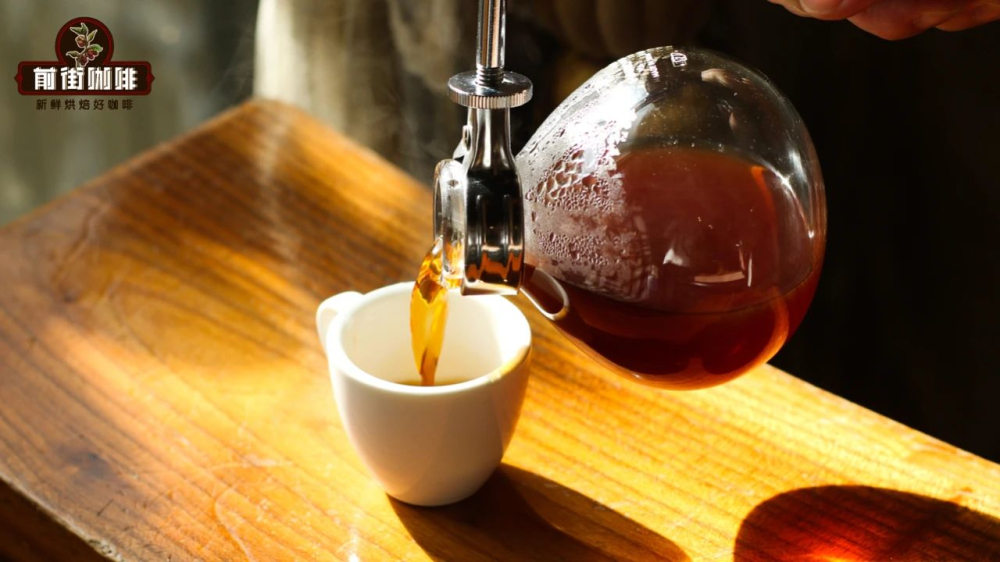
From a practical brewing or extraction perspective, Brazilian beans are relatively dense and tightly structured. It is recommended to use medium-high water temperature (around 90–93°C) when pour over brewing, along with moderately extended blooming and brewing times, which help fully bring out their rich sweetness and nutty character. When used for espresso grinding, it’s necessary to fine-tune the coffee-to-water ratio and extraction time according to machine characteristics to achieve optimal crema and flavor release.
In summary, Brazilian coffee is not only the cornerstone of the global coffee market, but its diverse varieties and regional characteristics can also meet the needs of coffee drinkers at all levels, from beginners to enthusiasts. Whether you prefer the intricate layers of single-origin beans or the well-rounded profile of blends, choosing high-quality Brazilian beans can bring you a stable and enriching coffee experience.
The above content is compiled by CoffeeHunters, a coffee news website.


