







Introduction:The grind size plays a crucial role in the flavor profile of espresso. Even a slight difference in particle fineness can turn a cup from smooth and rich to overly sour or burnt and bitter. This article delves into the ideal grind range for espresso, teaches you how to judge whether your grind is appropriate based on extraction time (20–35 seconds), and provides reference ranges for beans of different roast levels. There are also practical case studies to show you how to avoid common flavor flaws and pull a perfectly layered, crema-rich shot by fine-tuning the coffee-to-water ratio and extraction parameters.
In the world of coffee extraction, grind size is one of the hardest variables to control—and yet one of the most critical to success. Especially when making espresso, what seems like an insignificant change in particle size gets magnified under high pressure, directly determining the final flavor direction. Many home baristas often encounter issues where their espresso tastes either too sour or too bitter, and when traced back, it’s usually because they haven’t precisely balanced grind fineness with extraction time.
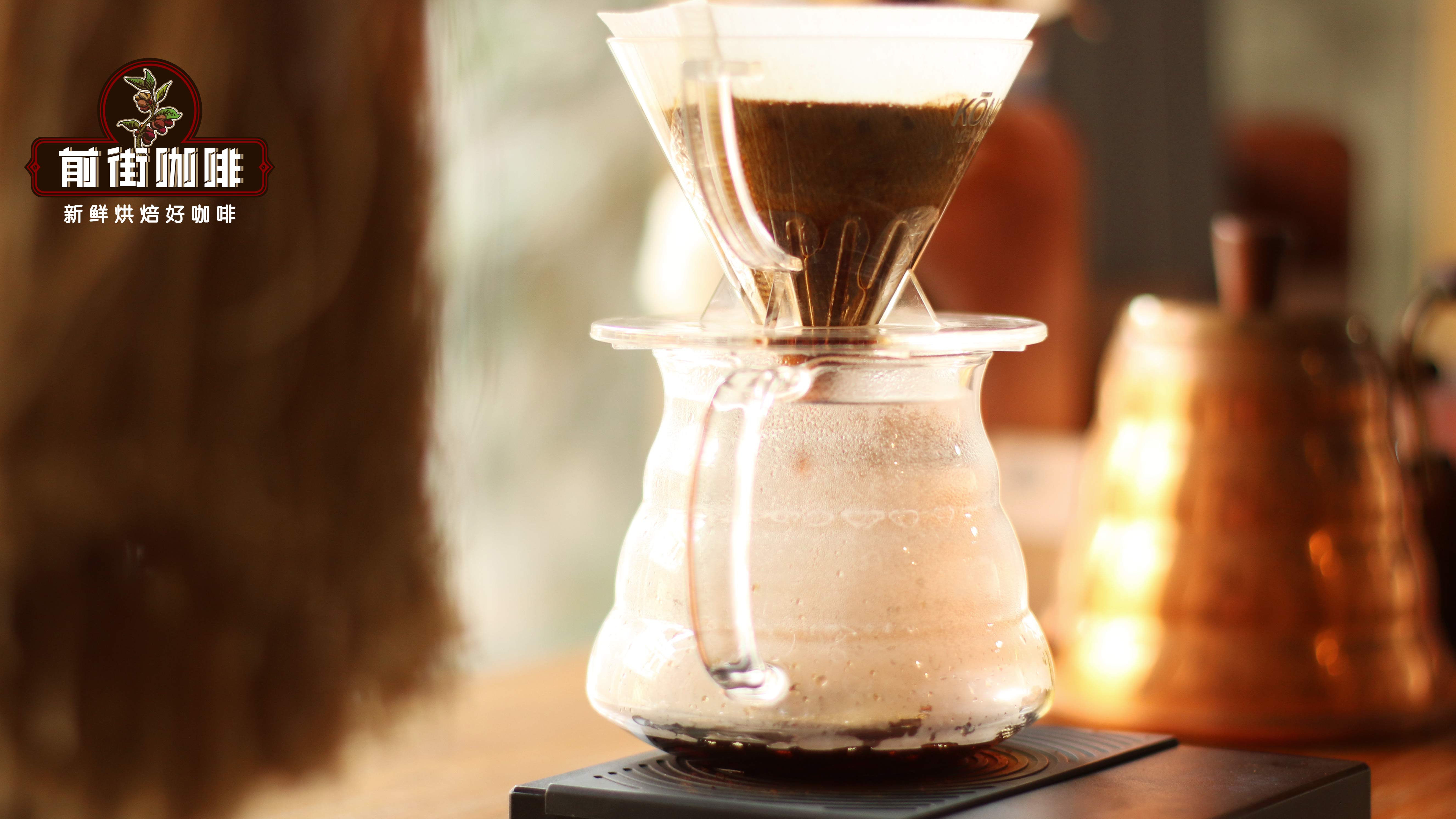
In fact, grind fineness has always been the most frustrating aspect of coffee extraction. Many operational mistakes ultimately stem from improper particle size control. Take pour over coffee as an example—the industry often uses a standard 20-mesh (0.85 mm) sieve to check grind size; if 80% of the coffee passes through (e.g., 8 grams out of 10), it’s considered suitable for pour over. But this method doesn’t apply to espresso at all, because the required grind size for espresso is much finer than for pour over—so fine that using a sieve becomes both distorted and impractical.
So, how do you determine whether the espresso grind is just right? Walk into any professional café, and you’ll often find at least two grinders behind the bar: one filled with beans, dedicated solely to pulling espresso shots; the other for pour over or other brewing methods. This setup isn’t redundant—it’s because espresso demands an extremely high level of precision in grind size. Even differences that are barely visible to the naked eye can lead to vastly different flavors when extracted under high pressure.
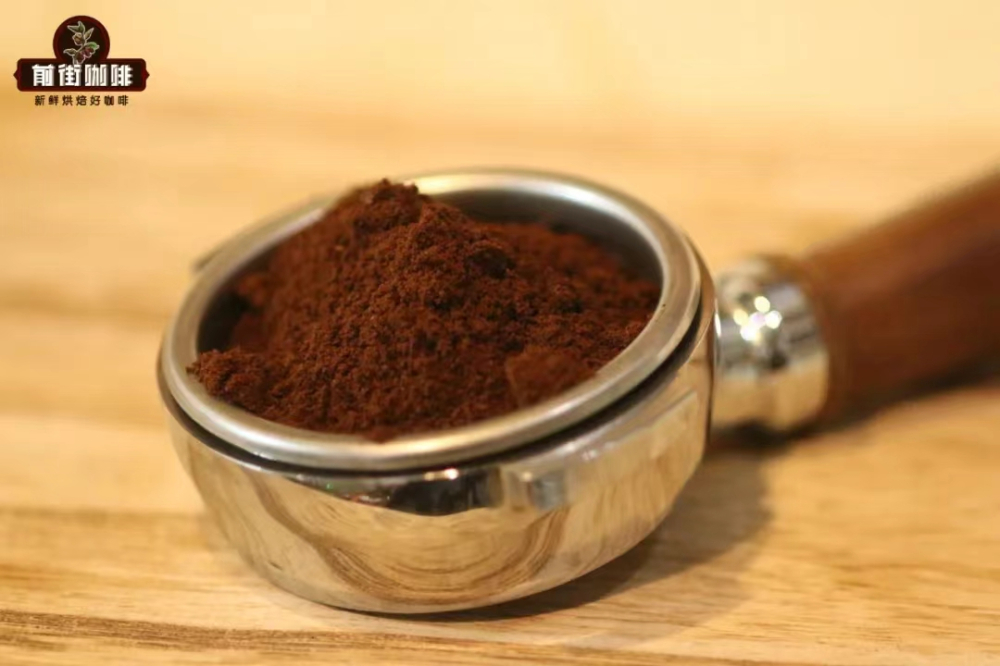
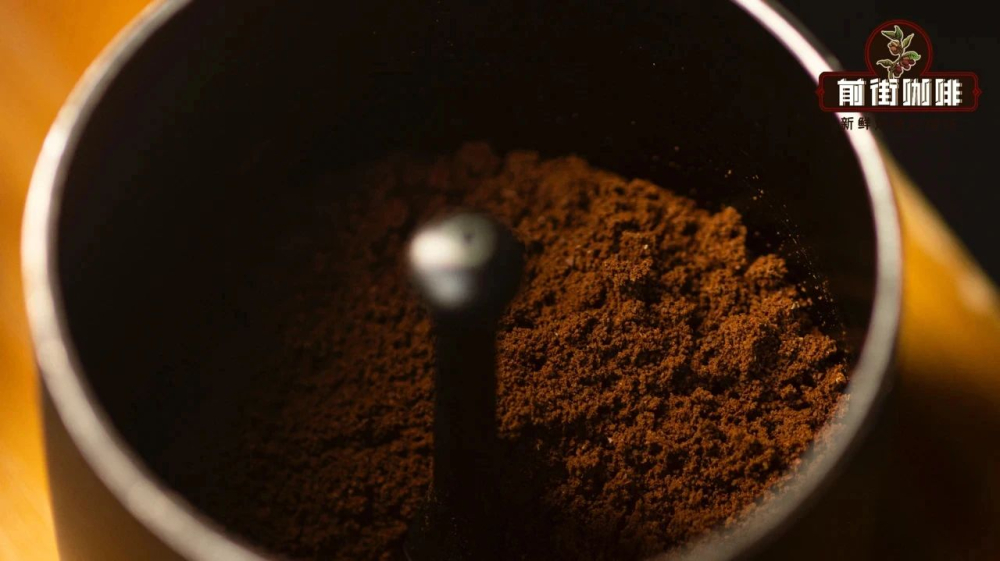
That’s why, to ensure every shot of espresso maintains a consistent standard, most professional shops use a dedicated grinder just for espresso beans. When touched or observed with the naked eye, this type of coffee grounds has a texture similar to fine flour. In actual measurements, the particle diameter typically ranges between 150 and 300 microns.
So how do you figure out what kind of grind size is suitable for espresso? According to the Italian Espresso National Institute and the World Barista Championship (WBC), a standard espresso shot should be extracted at 9 atmospheres of pressure and a water temperature of 90.5–96°C, using about 90 grams of tightly tamped coffee grounds, over a period of 20–30 seconds, yielding approximately 30 milliliters (1 ounce) of concentrated liquid with a golden layer of crema on top. While this description doesn’t directly specify an exact grind size, understanding the relationship between extraction time and grind fineness allows you to find the optimal grind setting.
The basic principle is simple: assuming other variables (like dose distribution and tamp pressure) remain constant, the finer the coffee is ground, the greater the resistance to water flow, and the longer the extraction time will be—often resulting in flavors that lean toward burnt bitterness and over-extraction. Conversely, if the grind is too coarse, water flows through too quickly, shortening the extraction time and often leading to overly acidic, under-extracted coffee. Therefore, when facing an unfamiliar espresso bean or using a new grinder for the first time, it’s recommended to start with a basic extraction plan: using 20 grams of coffee (adjustable slightly based on portafilter basket capacity) as a baseline, following a 1:2 coffee-to-water ratio (i.e., extracting about 40 grams of liquid), and keeping the extraction time within 20–35 seconds.
Then, make fine adjustments based on the roast level of the beans. If you prefer espresso with flavors of nuts, chocolate, or caramel, opt for darker roasted blends—such as classic Golden Mandheling or premium blends. In this case, keep the extraction time between 20–30 seconds to fully develop the flavor layers while avoiding bitterness from over-extraction. For medium-roasted beans, such as those with fruity notes like strawberry sugar or sun-dried SOEs (Single Origin Espressos), you can slightly extend the extraction time to 25–30 seconds to allow more flavor compounds to be released.
Additionally, the coffee-to-water ratio is another key parameter affecting extraction results. Some blends (like the Sunflower Warm Sun series), due to their lighter roast, may maintain a 1:2 ratio to highlight distinctive flavors such as sherry wine or cherry notes, yielding 40 grams of liquid. Note that this liquid amount is measured by weight (grams), not volume (milliliters), because coffee crema has a lower density, and using weight provides a more accurate reflection of the actual extracted substances.
Pressure and water temperature are recommended to be fixed at 9 bar and 93°C, allowing variables to focus on grind adjustment and timing. After each grind adjustment, be sure to clean out residual coffee grounds from the grinder’s hopper to avoid cross-contamination that could affect the accuracy of subsequent tests. When you find that the extraction time falls within the desired range, don’t rush to declare success—the most important step is still to taste the shot by slurping, to confirm there are no unpleasant notes of bitterness, sourness, or wateriness, and to assess whether the intended flavor profile of the beans is properly expressed. If flavor flaws are detected, further adjustments are needed. At this point, not only might the grind size require correction, but previously set parameters (like coffee-to-water ratio or extraction time) may also need re-evaluation.
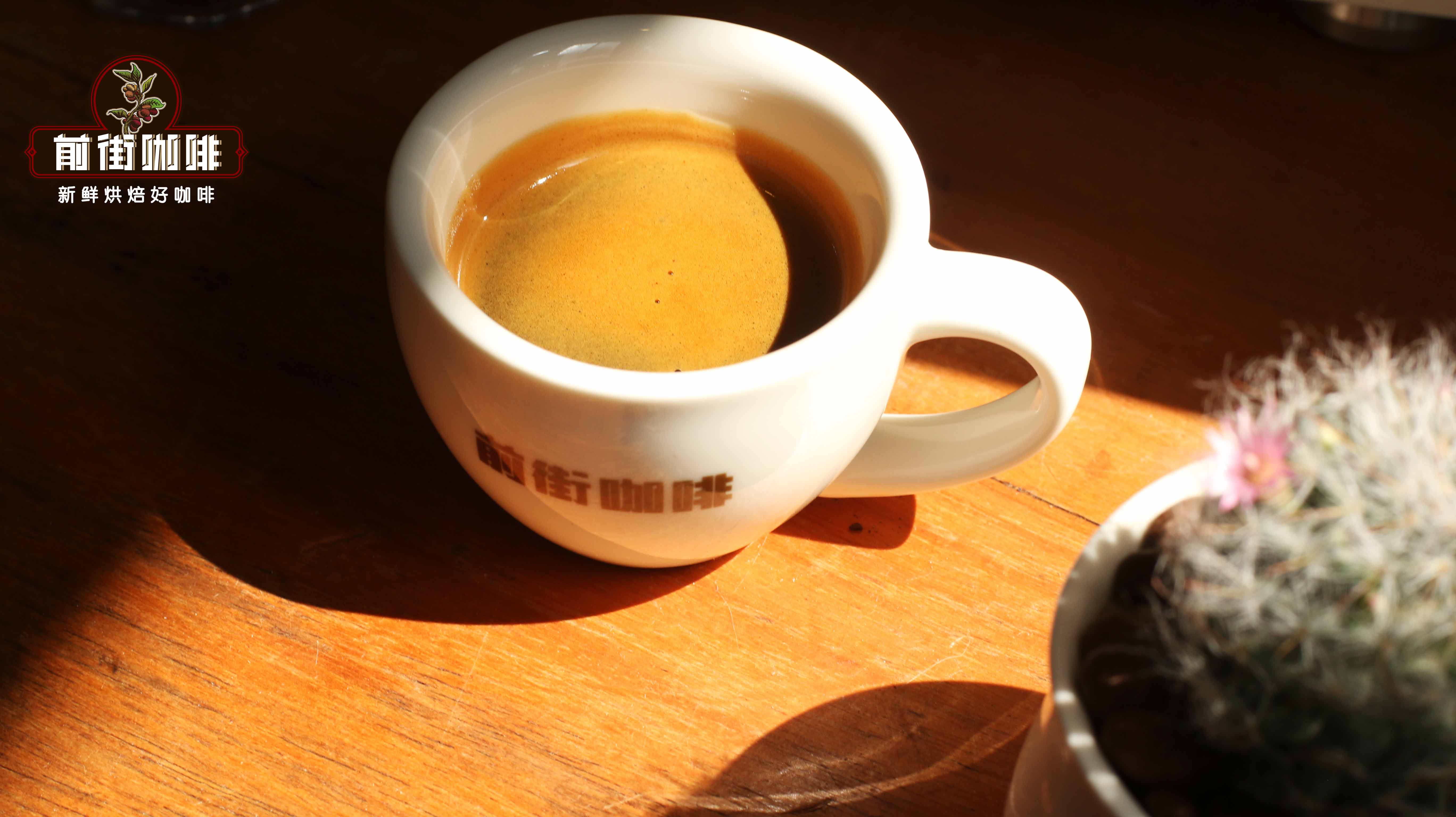
For example, during a test of a Colombian Gesha SOE, the initial settings were 20 grams of coffee yielding 40 grams of liquid in 26 seconds. Although the time fell within the ideal range, the sip revealed a hint of burnt bitterness in the aftertaste. After segmented testing, it was confirmed that the issue stemmed from excessive extraction in the later phase. Adjusting the coffee-to-water ratio to yield 35 grams instead of 40, and shortening the time to 24 seconds, successfully reduced unwanted off-flavors, resulting in a more balanced and cleaner overall flavor.
The above content is compiled by CoffeeHunters, a coffee news website.


