







Introduction:Using a semi-automatic espresso machine to brew espresso at home has become a daily routine for many coffee enthusiasts. But faced with a wide array of coffee beans, many are left wondering: should I choose a blend or a single origin? Is it really a waste to use high-quality single origin beans for espresso? This article will delve into the choice of roast levels, the differences between blends and single origins, and provide practical advice along with flavor-oriented bean recommendations to help you find the beans best suited for your home espresso machine.
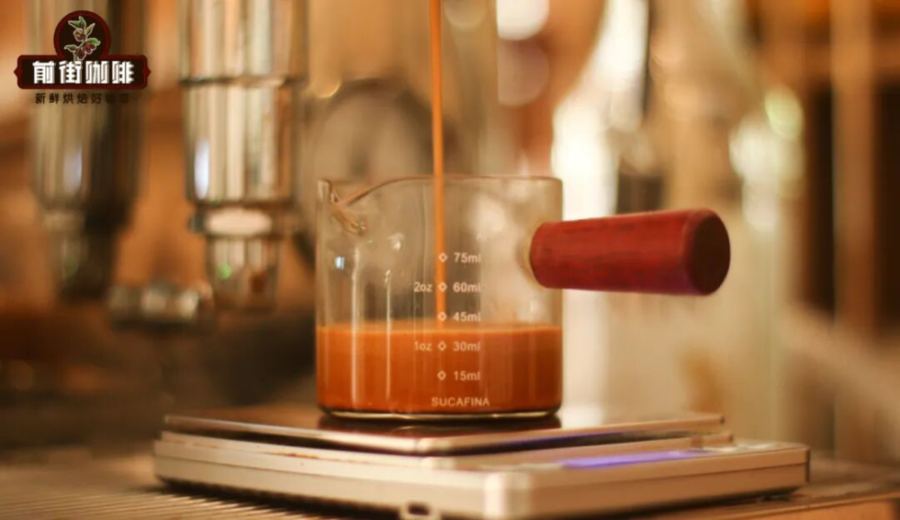
As semi-automatic espresso machines for home use become increasingly common, many coffee lovers have started to personally experience the full process—from grinding, distributing, tamping, to extraction. Although this highly manual operation is more tedious than using fully automatic machines, it allows users to more precisely control the extraction conditions of each shot of espresso, thereby enhancing overall flavor performance. However, when it comes to choosing coffee beans, many people hesitate: what type of beans should I use? Is it really worth using high-quality single origin beans for espresso?
Before diving deeper, let’s first understand the common usage scenarios of home semi-automatic espresso machines. Whether it’s classic Americano, latte, cappuccino, or the recently popular flat white and Dirty—all these drinks are typically based on espresso, where the concentrated liquid is extracted using a semi-automatic machine and then milk or water is added as needed. Since these machines rely on manual operation, they require a certain level of skill and patience from the user, but in return, they can produce more delicate and layered coffee flavors.
Bean Selection Advice: Avoid Extreme Roasts, Prioritize Stability
Semi-automatic coffee machines usually operate at relatively high pressure, which can easily make coffee flavors taste intense or even harsh. If you choose extremely light or extremely dark roasted beans, it may result in suppressed aromas or imbalanced mouthfeel. Therefore, it is recommended to choosemedium-dark roasted beans. This roast level can balance acidity, sweetness, and bitterness while delivering a distinct flavor structure and rich body, making it suitable for most espresso applications.
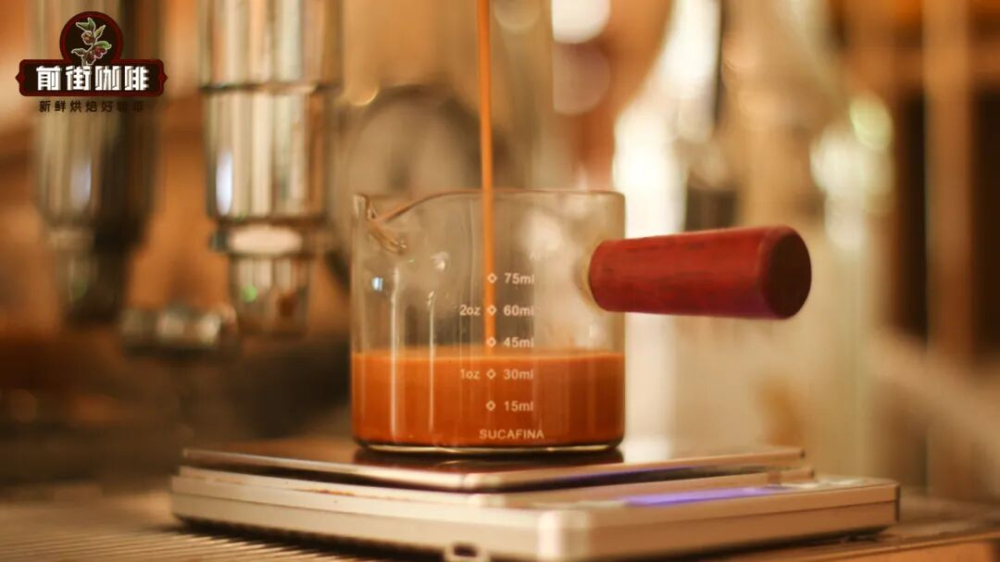
Among these, the crema (coffee foam) is a key focus for many espresso enthusiasts. A fine and persistent layer of crema not only enhances the smooth mouthfeel of the espresso but also creates a beautiful golden ring on the surface of milk-based drinks like lattes. Therefore, for beginners, choosing a medium-dark roasted blend with excellent crema performance is a relatively simple yet highly effective entry strategy.
Classic Blends: Practical Choices with Both Crema and Flavor
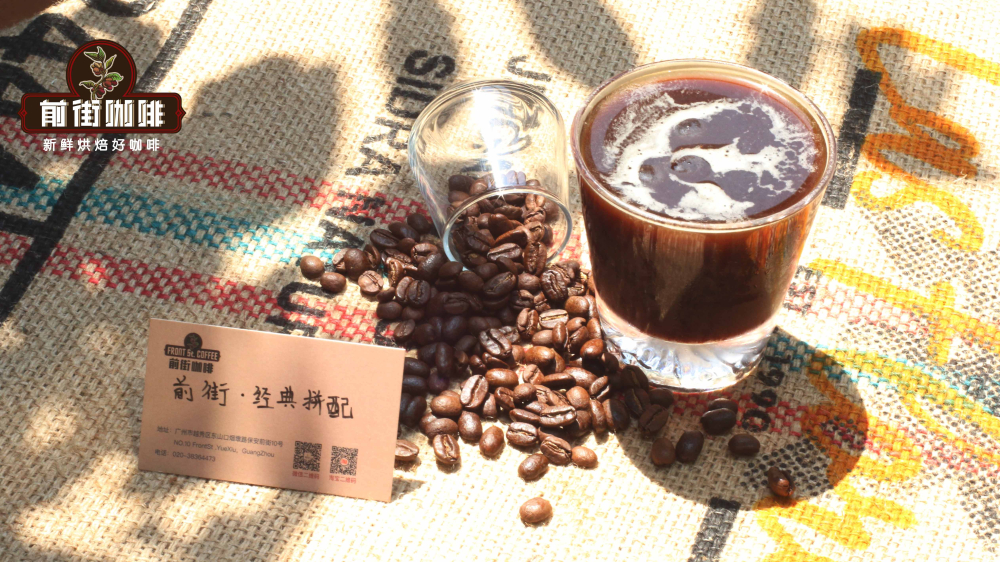
For users trying espresso brewing for the first time, a well-designed blend is often the top choice. For example, blends inspired by the classic ‘Mocha Java’ recipe typically combine Indonesian Mandheling with Brazilian beans. These blends not only retain the wild aroma and rich texture characteristic of Mandheling but also achieve flavor balance through the sweetness and smoothness of Brazilian beans. Some blends even further incorporate a small amount of Robusta to enhance the crema layer, resulting in a fuller body in the espresso and smoother integration with milk foam—making them very suitable for practicing latte art or making lattes at home.
Single Origin Espresso Challenges: The Ultimate Expression of Flavor Depth
Although blends are often considered the standard for espresso, high-quality single origin beans can also demonstrate remarkable potential. Take dark-roasted Indonesian Golden Mandheling as an example—its flavor profile centers around spicy and herbal notes. After dark roasting, it can fully release the richness and intensity within the flavor. These single origin beans usually go through multiple selection processes, with a higher proportion of defective beans removed, so the cleanliness and aftertaste after extraction are often more outstanding. Espresso made from such beans often carries layers of dark chocolate, caramel, and toasted bread, making it a highly appealing choice for those who enjoy bold flavors.
Sweetness-Oriented Alternative: Breaking Away from Traditional Dark Roast Frameworks
If you’re already tired of the heaviness of traditional dark roasts and are looking for an espresso bean with noticeable sweetness and no bitterness, consider a sweetness-focused blend. For example, some blends inspired by strawberry sweetness combine three single origin beans from different regions. In addition to exuding subtle rose floral notes, the resulting Americano or latte can present multiple flavor layers such as grape, dried blueberry, sweet orange, and even fruit candy. These beans are not only suitable for users who prefer fruity and sweet flavors but can also bring a fresh experience to everyday espresso drinking.
In summary, there is no absolute strategy for selecting beans for a semi-automatic espresso machine—the key lies in understanding your own taste preferences and machine characteristics. Whether you pursue the crema and stability of blends or challenge the flavor depth of single origins, as long as you master the appropriate roast level and extraction parameters, you can enjoy a professional-level coffee experience at home.
The above content is compiled by CoffeeHunters, a coffee news website.


