







Introduction:Want to brew rich, bold espresso-style coffee with a Moka pot but can’t seem to get the hang of it? This article provides a complete breakdown of every step in brewing black coffee with a Moka pot—from the amount of water in the lower chamber, to tamping techniques for the coffee grounds, to choosing the best heat source and knowing when to turn off the heat—guiding you step-by-step to make professional-level Moka pot coffee. We also share several coffee bean recommendations that have performed exceptionally well in testing. Whether you’re a beginner or a seasoned user, you’ll find useful references here.
Thanks to its simple operation, the Moka pot has become the go-to tool for many households looking to brew coffee. Compared to the strict requirements of an espresso machine, the Moka pot emphasizes practicality and convenience. By mastering just a few key points, you can consistently extract a strong, flavor-concentrated black coffee. This article will explain the full process of making black coffee with a Moka pot, including the correct amount of water to add to the lower chamber, techniques for filling and leveling the coffee grounds in the filter basket, adjusting the heat during the brewing process, and more. We’ll also address common issues such as “why clear water comes out first after heating.” In addition, we’ll recommend several high-performing coffee beans and explain why medium-dark roasts are the Moka pot’s best match—helping you find your ideal choice based on personal taste.
As a time-tested home coffee brewing device, the Moka pot doesn’t require a high level of technical skill from its users. Unlike professional espresso, which demands extreme precision, understanding the principles behind each step can help improve the consistency and flavor of each brew.
In Italy, where coffee culture is deeply rooted, many households don’t own professional grinders and instead opt to buy pre-ground coffee specifically designed for Moka pots from supermarkets. These pre-ground coffees have roast levels and grind sizes optimized for the Moka pot, allowing even users with limited coffee knowledge to easily brew aromatic coffee. However, in Taiwan, pre-ground coffee for Moka pots isn’t widely available, and freshly grinding whole beans helps retain their freshness. We recommend purchasing your own coffee beans and grinding them just before brewing. This not only preserves the coffee’s original aroma to the greatest extent but also allows you to adjust the grind size according to your preferences. For example, some brands roast and ship their beans within five days, offering fast delivery to ensure consumers enjoy coffee beans at their peak condition. The variety of coffee beans on the market is extensive, covering major coffee-growing regions around the world. Whether you’re new to coffee or already experienced, you’ll find products that suit your taste.
Coffee brewed with a Moka pot is typically bold and intense, so medium-dark roasted beans are recommended. Light roast beans used in a Moka pot can lead to unbalanced flavors—not only with thinner crema and higher acidity, but also potential splattering due to uneven extraction.
If you’re using a Moka pot for the first time, consider a classic blend of Indonesian Mandheling and Brazilian beans. This combination blends the bold, earthy aroma of Mandheling with the smooth, mellow profile of Brazilian beans, achieving a well-balanced flavor. It’s suitable not only for straight drinking but also for making blended coffee drinks like Americano or latte. The recipe is designed to ensure overall flavor harmony, highlighting the crema while considering versatility for various preparation methods.
If you prefer the intense characteristics of specific regions, try medium-roasted single-origin beans, such as plantation beans from Brazil or Papua New Guinea. These two beans share a clear flavor profile, with prominent nutty notes and a natural sweetness reminiscent of fruit sugar, showcasing the unique charm of Moka pot brewing.
For those seeking stronger aromas and richer layers, we recommend darker roasted beans, such as Indonesian Golden Mandheling with its distinctive herbal notes. Its intense and layered character complements the pressurized extraction method of the Moka pot.
The standard steps for brewing coffee with a Moka pot are as follows: First, fill the lower chamber with clean water. The water level should be about 0.5 cm below the safety valve—this is key to preventing too much water from affecting pressure and extraction efficiency.
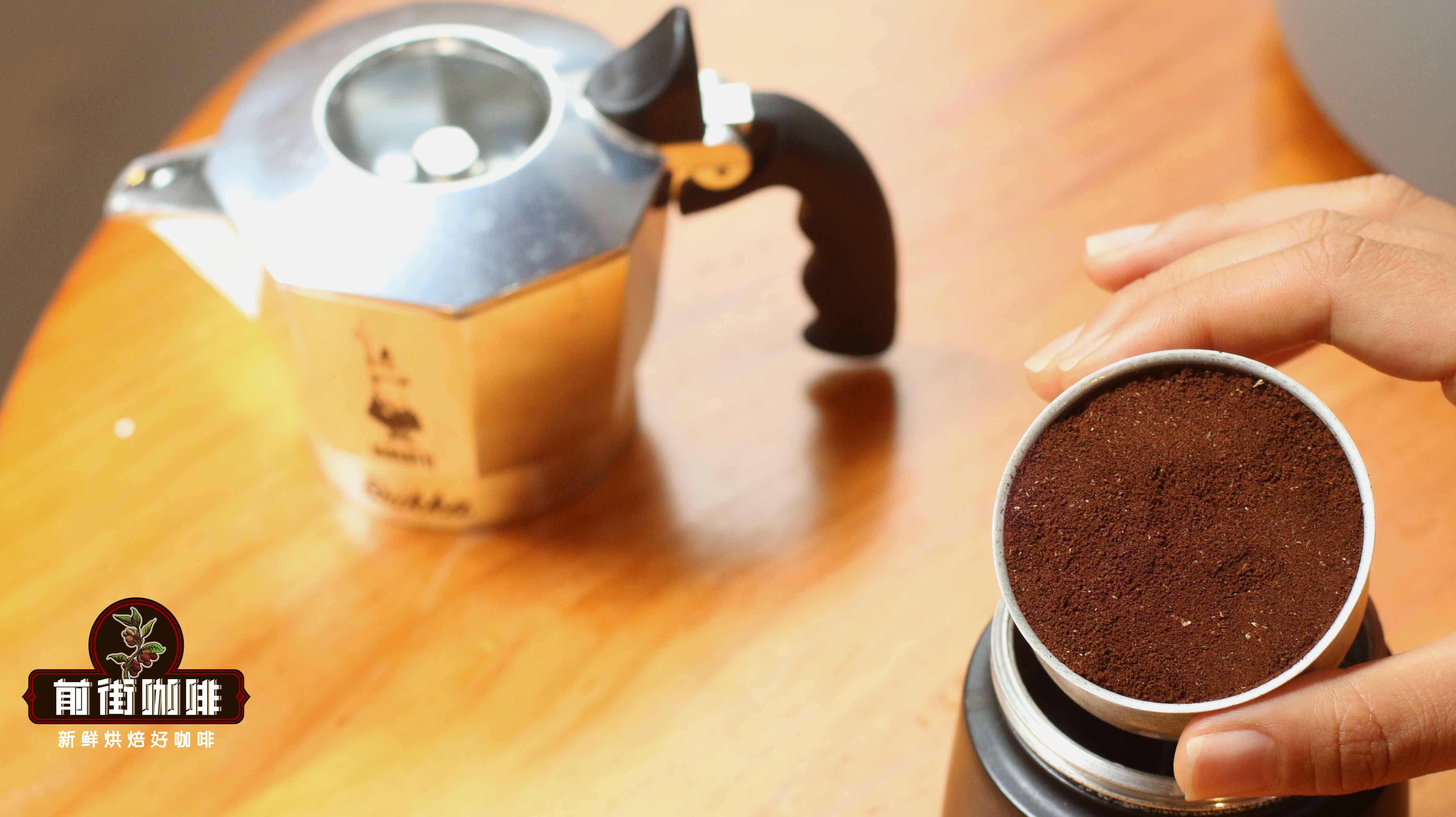
When filling the coffee grounds, there’s no need to obsess over exact weighing. It’s generally recommended to fill the filter basket completely. After slowly pouring the coffee grounds into the basket, gently tap the pot to evenly distribute the grounds. Once the pile takes on a small mound shape, use a leveling technique to scrape the surface flat. Filling the basket fully helps maintain uniform density of the coffee grounds, reducing the risk of over- or under-extraction in certain areas—thus minimizing uneven flavors or bitterness.
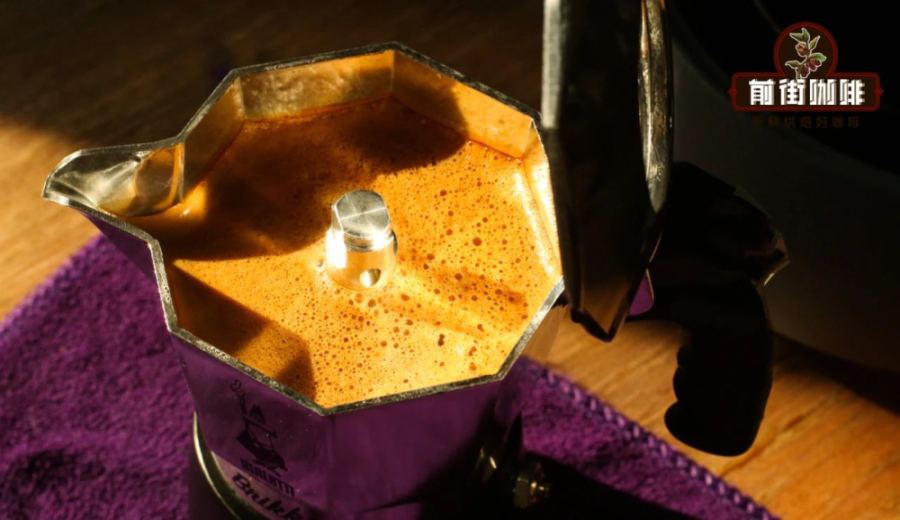
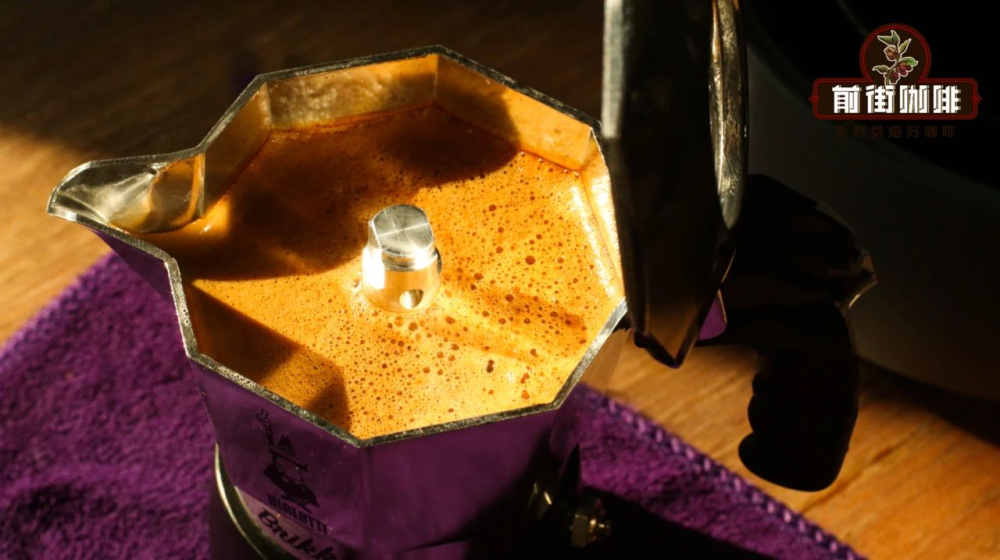
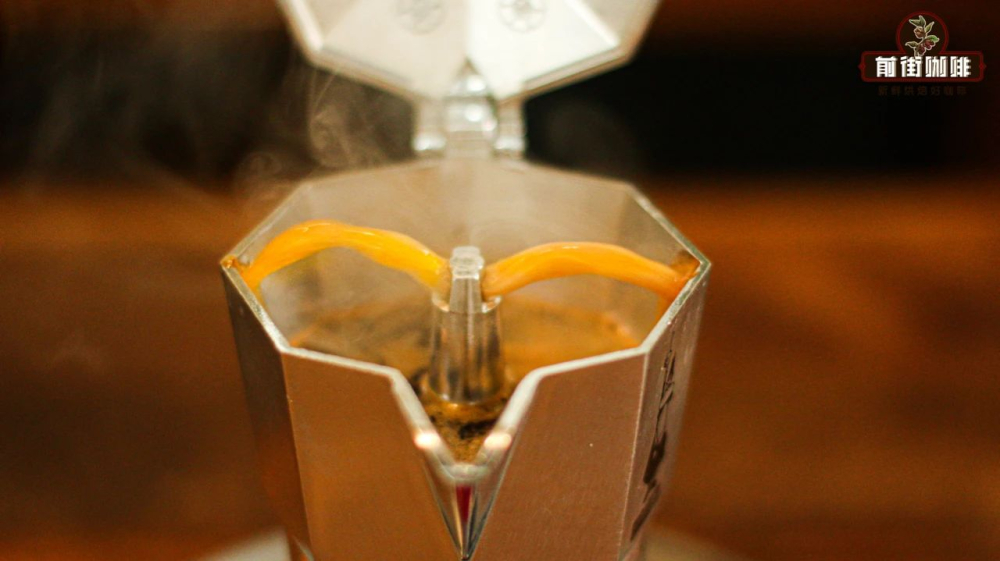
After filling the basket, place it into the lower chamber and securely screw the upper and lower parts together. It’s recommended to use a stove with a high flame to build pressure more steadily. As the Moka pot heats up and you hear a distinct hissing sound, it indicates that internal pressure is beginning to form. At this point, reduce the heat to low and you may open the upper chamber lid to observe the extraction process.
Once about half the upper chamber is filled with coffee liquid, you can turn off the heat. The residual heat and pressure inside the Moka pot will automatically push the remaining coffee up into the upper chamber, completing the final stage of extraction.
Once all the coffee has been extracted into the upper chamber, you can pour and enjoy. Moka pot coffee is usually bold and may have a delicate crema. You can also adjust the flavor by adding water or milk according to your preference.
Some users notice that what initially flows out after heating is clear water rather than coffee, and worry if they’ve made a mistake. In fact, this phenomenon is often due to moisture left inside the pot after cleaning not being fully dried, causing residual water to flow out first—it’s not an error in operation.
It’s recommended to thoroughly clean the Moka pot after each use and dry all parts with a clean cloth or paper towel. This prevents leftover coffee grounds from causing odors or burnt flavors, and stops old coffee stains from accumulating in the filter plate, gasket, or extraction channel—avoiding blockages or negative impacts on future extractions.
The above content is compiled by CoffeeHunters, a coffee news website.


