







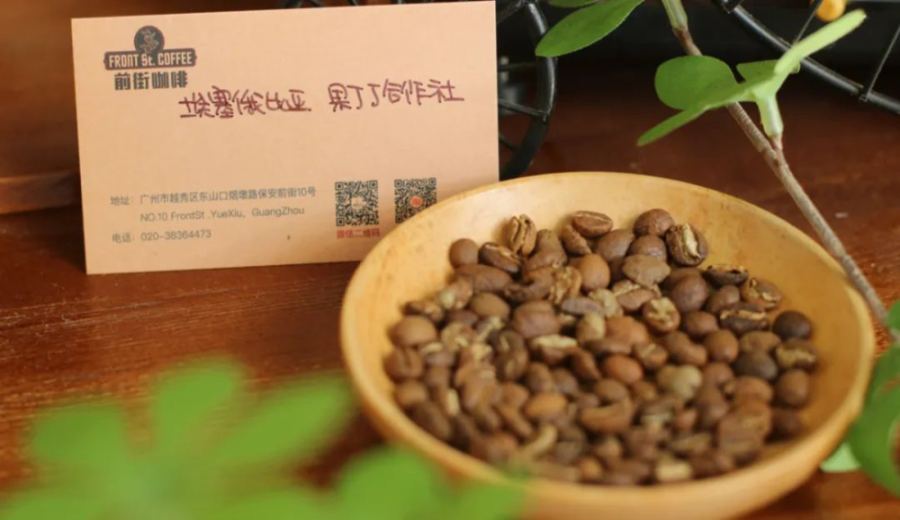
Introduction:Delving into the Alemau Bukato smallholder lot from the Gedeb Cooperative in the Gedeo Zone of Ethiopia’s SNNPR region, this article provides an in-depth analysis of the region’s renowned washed and natural Yirgacheffe G1 coffees, celebrated for their high altitudes and meticulous processing. It covers the characteristics of the native heirloom variety, details of the processing methods, as well as the flavor profiles revealed through cupping, and also offers practical V60 three-stage brewing recommendations—allowing you to grasp the unique charm of this classic micro-region from flavor to brew method.
Located within the Gedeb Woreda under Yirgacheffe in Ethiopia’s SNNPR (Southern Nations, Nationalities, and Peoples' Region) Gedeo Zone, there lies a micro-region at around 2,020 meters above sea level—Wolisho / Banko Gotiti—renowned for its smallholder cultivation and refined processing. This article will focus on two classic processing methods from the Alemau Bukato smallholder lot within the Gedeb Cooperative: natural and washed, taking you through how this batch of Ethiopian ancient heirloom variety showcases unique flavors through traditional techniques.

The Alemau Bukato lot from the Gedeb processing site produces both natural and washed versions. Among them,Natural Processinginvolves placing freshly harvested coffee cherries directly on African-style raised beds to sun-dry naturally for approximately two to three weeks. During this period, unripe cherries are manually removed, and experienced workers regularly turn the cherries to ensure even drying. Once drying is complete, the pulp and parchment layers are removed, reducing the moisture content to 11–12% before export preparation. This method imparts the coffee withberry, sweet orange, and creamycomplex dry aromas; the cup is distinctly sweet with a gentle black tea-like finish, presenting a rounded and layered flavor profile overall.
As forWashed Processing,the Gedeb site employs Ethiopia’s traditional refined technique. First, a pulper is used to remove the outer skin and pulp of the cherries, after which the mucilage-covered parchment beans are placed in fermentation tanks for 1 to 3 days—the duration adjusted according to local temperature and humidity—until the mucilage is broken down. They are then transferred to washing channels where they are agitated with water flow for 30 to 60 minutes, using density separation to eliminate lower-quality beans and retain only the high-grade parchment. These beans are dried on raised beds for about 14 days, then transported to a dry mill for parchment removal. Finally, they undergo strict processes including foreign matter sorting, silver skin removal, and color sorting before being packaged for export. This batch, graded as G1 (the highest grade), when medium-light roasted, exhibitsjasmine and lemonfresh aromas; the cup presents an interplay of citrus, blueberry, honey, and green tea flavors, with bright acidity and a clean mouthfeel—ideal for coffee lovers who enjoy vibrant, sweet-and-sour profiles, especially recommended for summer enjoyment.
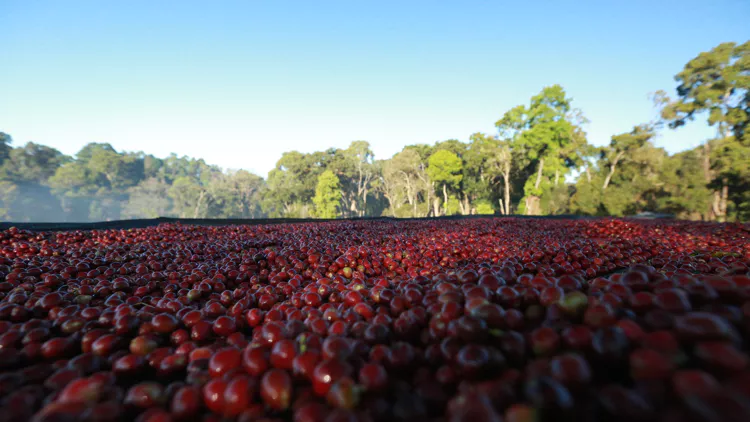
These smallholder-grown heirloom beans, cultivated at elevations between 1,900 and 2,100 meters with annual rainfall reaching 1,500 to 2,000 mm, benefit from optimal growing conditions. Beyond its exceptional geographical environment, Gedeb also pays great attention to processing details: the raised beds used for natural drying are made not only of breathable mesh fabric but also control the thickness of the cherry spread, effectively reducing the proportion of underripe beans—details that are directly reflected in the cupping results. Whether natural or washed, this Gedeb offering displays rich and balanced fruitiness, leaving a deep impression.
According to cupping results, itsdry aroma emits sweet notes of berries, mango, and peach;the cup reveals a rich array of blueberry, strawberry, grape, mango, and peach, and as it cools, it resembles a natural fruit blend of blueberry, grape, and peach juice, with a long-lasting aftertaste of berries and floral notes, showcasing the classic Gedeb traits of full body and juicy sweetness.
For those using a Hario V60 for pour over, it is recommended to adopt a three-stage extraction method: set the coffee-to-water ratio at 1:15, using 15 grams of coffee grounds. Begin with a 25-second bloom using 25 grams of water; then pour up to 120 grams and pause once the coffee bed has drained halfway, before continuing to slowly add water up to a total of 225 grams. The total extraction time is around 2 minutes. This parameter clearly highlights the coffee’s early, mid, and late flavor notes, and the V60’s ribbed design ensures fast drainage—proper blooming and pause techniques help extend extraction time, fully releasing the coffee’s flavors.
In summary, the Alemau Bukato smallholder lot from the Wolisho / Banko Gotiti micro-region, thanks to its high altitude, premium heirloom variety, and refined processing craftsmanship, consistently earns high praise in cupping evaluations. Whether you prefer the sweet intensity of the natural process or the bright vibrancy of the washed, this Yirgacheffe G1 will take you on a unique flavor journey.
The above content is compiled by CoffeeHunters, a coffee news website.


