







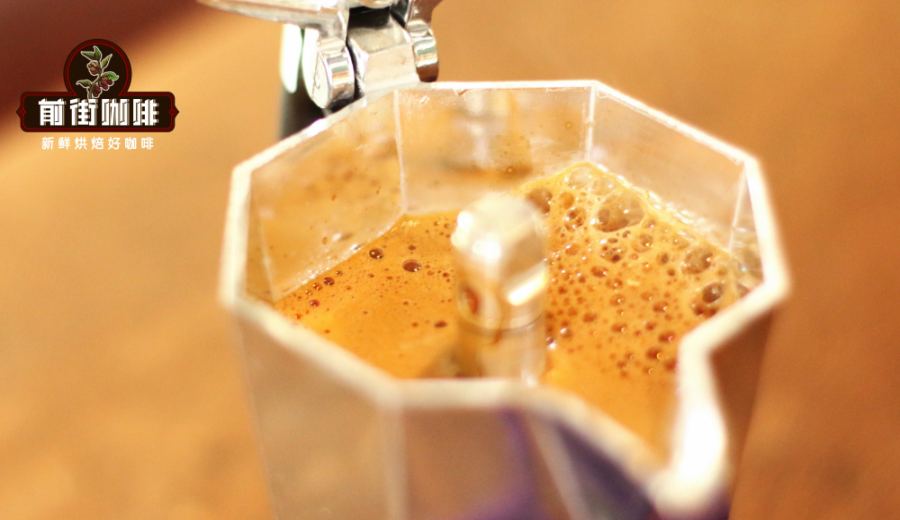
Introduction:The moka pot is the go-to brewing method for many coffee enthusiasts just starting out. Not only does it quickly brew a strong cup of coffee, but it’s also easy to operate at home or outdoors. This article delves into the extraction principles and practical tips for using a moka pot, including how to control grind size, manage heat levels, and select the most suitable coffee beans. It even teaches you how to use it to make coffee with a flavor close to that of a latte. By the end of this guide, you’ll be able to avoid common mistakes and brew a rich, well-layered cup of coffee with a good crema.
The moka pot uses steam pressure generated by heating to extract coffee. It’s a simple yet efficient brewing device that allows you to enjoy strong coffee at home or outdoors without complicated equipment. This extraction method is similar to that of an espresso, effectively bringing out the coffee’s oils and aromas. It’s ideal for making a concentrated base, which can then be diluted with hot water to make an Americano or combined with fresh milk to create a latte-like drink.
However, to make your moka pot brew smooth and layered coffee,the selection and freshness of coffee beansplay a crucial role. Freshly roasted coffee beans not only contain higher concentrations of carbon dioxide but also have more complete aromatic compounds—both essential for forming golden crema. If the beans are too old, not only will crema be hard to produce, but the overall flavor will also be significantly diminished.
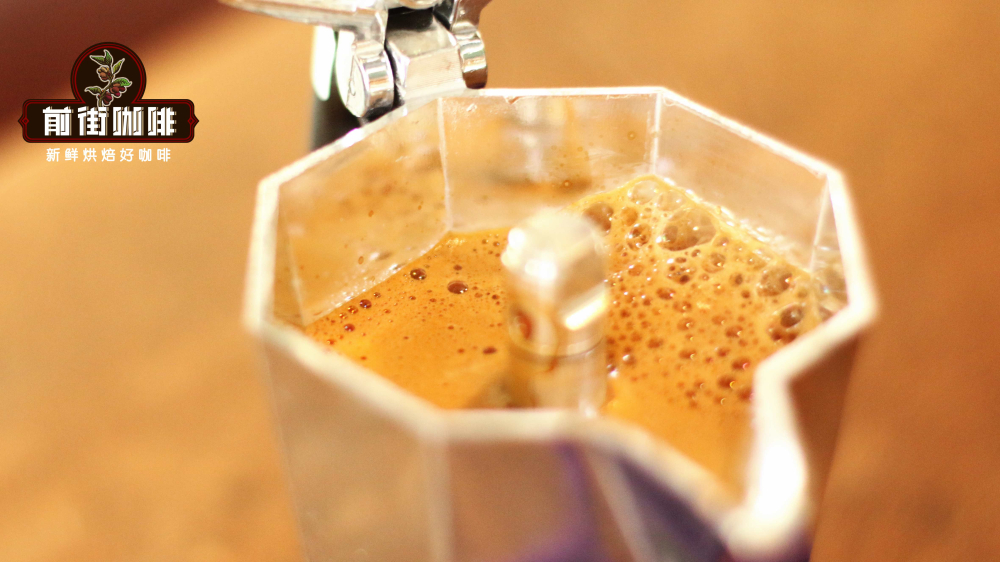
The moka pot works by heating water, which turns into steam and pushes the water through the coffee grounds, extracting a concentrated coffee liquid. This process allows the soluble substances and tiny oil droplets in the coffee to be fully released. When these oils emulsify with the carbon dioxide under pressure, the familiar golden foam—known as crema—is formed.
However, to successfully extract crema, in addition to freshness,the roast level is also critically important. Generally speaking, the darker the roast, the more carbon dioxide the beans contain, which is more conducive to crema formation. But if the beans have been stored for too long after roasting, even dark roasts may not deliver the desired flavor profile.
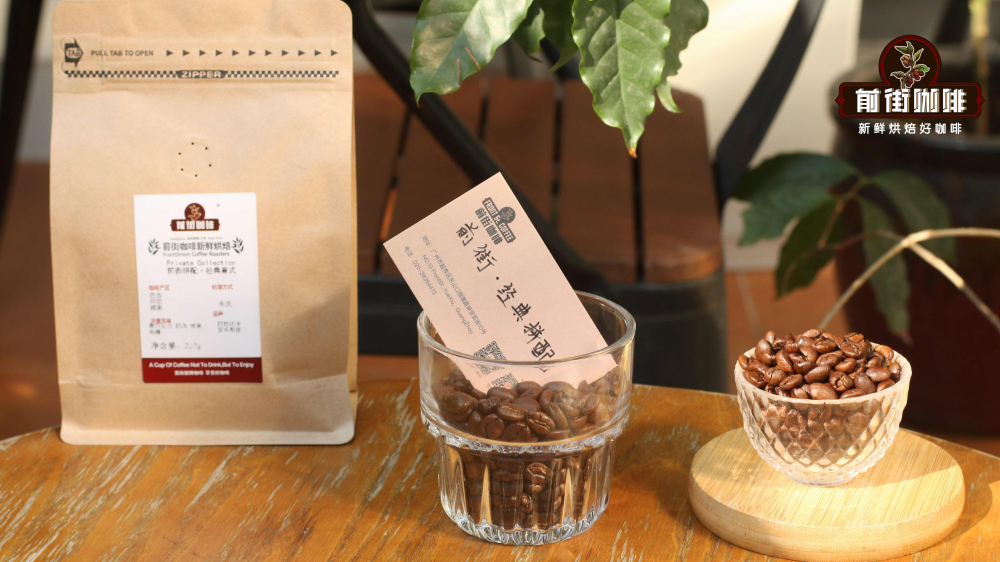
For this reason, it’s recommended to choose coffee beans roasted within five days. This not only preserves the best flavor but also maximizes the potential of moka pot extraction. Consistent freshness is the first step toward brewing a great cup of coffee.
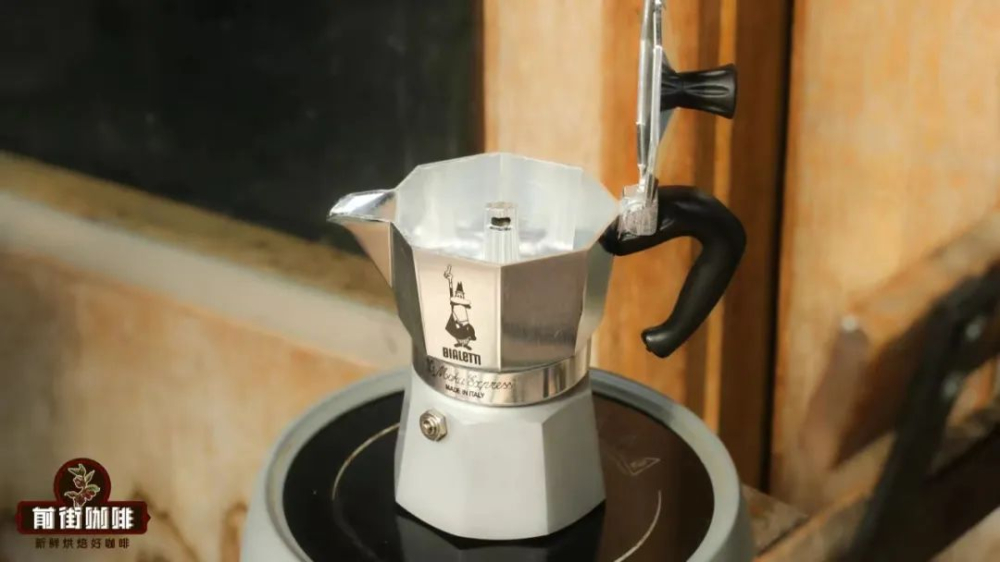
Since moka pot extraction occurs at relatively high temperatures and with concentrated pressure, using light roast beans can easily lead to over-extraction of acidic and bitter compounds, resulting in a sharp or unpleasant flavor. Therefore,it is recommended to choose beans with a medium to dark roast, which better balances intensity and smoothness in the mouthfeel, making them especially suitable for making moka pot lattes.
If you prefer classic flavors, you can opt for a blend of Indonesian Mandheling and Brazilian beans. Such combinations often bring out rich notes of nuts and chocolate, complementing milk very well. For those who prefer a fuller body and more pronounced crema, consider a medium to dark roast single-origin bean, such as a Brazilian natural-processed bean, which can impart a rich buttery aroma and sweet depth.
Below are the practical steps for using a moka pot to help you brew more consistently:
1. First, pour water into the bottom chamber of the moka pot,with the water level recommended to be about 0.5 cm below the safety valveto avoid overflow or overheating that could pose a hazard.
2. The grind size for coffee should be slightly coarser than that used for espresso machines—roughly similar to table salt, or refer to the gap in the filter basket to ensure the grounds don’t fall into the bottom chamber. After filling the basket with coffee, gently tap it to distribute the grounds evenly, then use a distribution tool or the back of a spoon to level the surface, creating a small mound.
3. Place the filled filter basket into the bottom chamber, securely screw the top and bottom chambers together, and place the moka pot on a stable heat source (such as a stove with a ceramic element). Begin heating over high heat.
4. When the moka pot starts to make a distinct “wuu wuu” sound, it indicates that pressure is gradually building up. At this point, reduce the heat to low and slightly open the top lid to release some of the pressure.
5. Pay attention to the flow of coffee into the top chamber. Once about half of the coffee has flowed out, you can turn off the heat. Residual heat will continue to push the remaining coffee into the top chamber.
6. Once all the coffee has been extracted into the top chamber, pour it into a cup. At this stage, the coffee will be strong and may have crema. To make a moka pot latte, simply add an appropriate amount of hot milk.

Regarding grind size, this is one of the key factors affecting the quality of moka pot extraction. A grind that’s too fine can lead to over-extraction, making the coffee bitter and harsh in texture. Conversely, a grind that’s too coarse may result in under-extraction, leading to a weak and bland cup. Therefore, it’s recommended to aim for a grind size similar tothat of table salt, as this provides a better balance.
If you don’t have an intuitive sense of grind size, you can refer to the following suggested percentage of particles passing through a sieve: cold drip > pour over/siphon (80%) > moka/Americano drip (75–80%) > cupping (70–75%) > French press (65–70%). The moka pot involves high-pressure extraction, but it’s still advisable to go slightly coarser to reduce the production of bitter flavors.
In summary, the moka pot is a very user-friendly and practical coffee brewing tool. As long as you master the coffee-to-water ratio, grind size, and heating pace, even beginners can brew espresso-level coffee. If you also choose fresh, properly roasted beans, the flavor layers will be even more pronounced—whether enjoyed black or turned into a latte with milk, the result is always satisfying.
The above content is compiled by CoffeeHunters, a coffee news website.


