







Introduction:When using a moka pot, many people are accustomed to filling the coffee chamber completely. But if you want to brew only half a portion, can you reduce the amount of coffee grounds? Will changing the coffee amount affect crema formation and overall extraction flavor? This article conducts a practical comparison between fully filled and halved coffee amounts, observing flow rate, foam stability, and taste differences. By analyzing the moka pot extraction principle, it explores how coffee amount affects flavor and provides practical adjustment suggestions for reduced dosage.
Should the moka pot’s coffee chamber be fully filled or can it be dosed less? General guidance recommends filling the chamber and leveling it off—this ensures sufficient resistance as water passes through the coffee layer, stabilizing coffee output. However, if you want to brew a smaller amount, such as just half a cup, can you also halve the coffee dose? Will reducing the dose affect crema formation and overall flavor performance? This article conducts a hands-on comparative test addressing this common question, analyzing extraction differences between full and halved coffee amounts to help you flexibly use your moka pot.
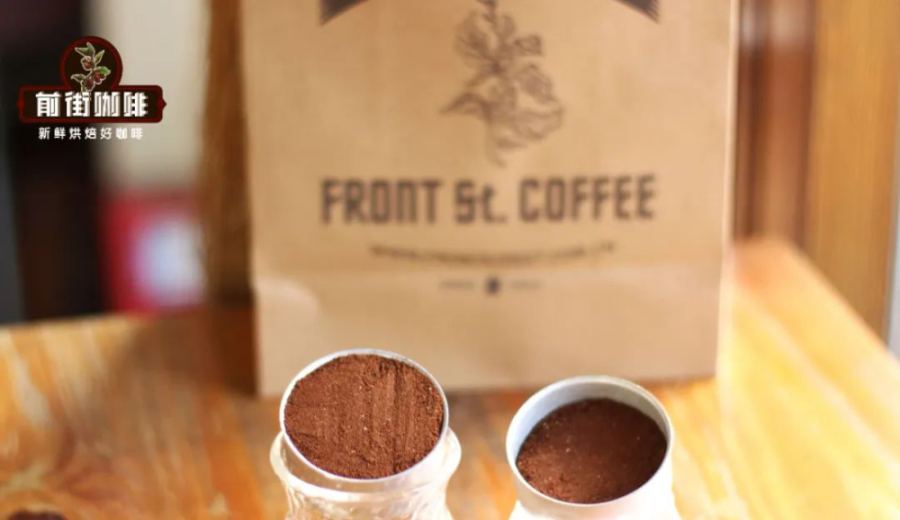
In our tests, we used two modes: one with the chamber fully filled (approximately 16g of coffee grounds) and another with halved amount (approximately 8g), using the same model of moka pot and medium-dark roasted Colombian Huila beans, ground to a fine salt-like consistency (similar to EK-43s grinder #3 setting). For the full-dose group, 150g of water was used, while the halved group was adjusted to 105g to prevent the brew from becoming too thin due to the reduced coffee amount.
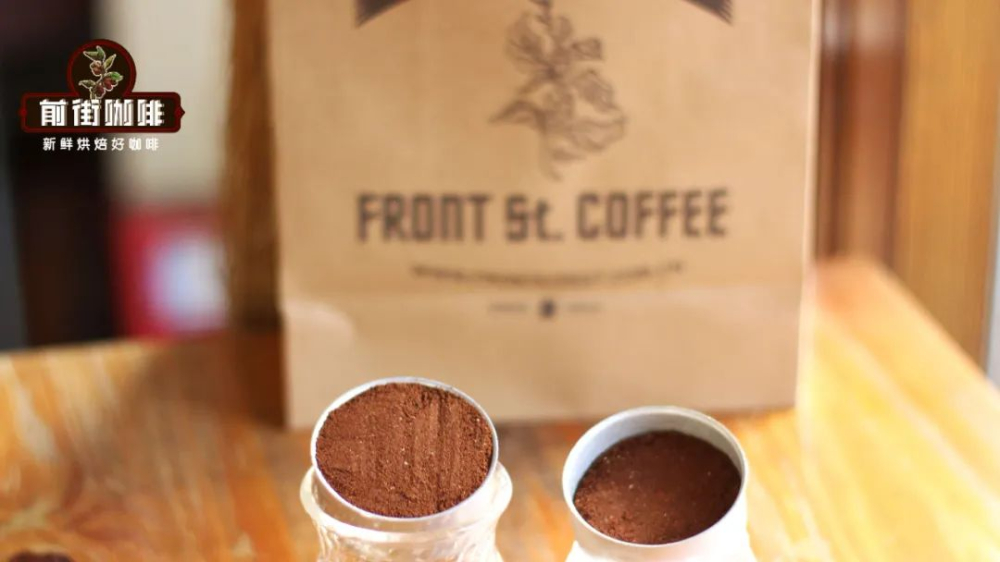
During actual operation, the moka pot with the full coffee chamber soon produced a rich, dark brown coffee foam shortly after heating, with a steady flow rate and no splattering. The overall extraction process was smooth, and the crema layer remained intact for several minutes after pouring. In contrast, the halved-dose group showed no splattering but produced a noticeably louder sound, with a faster flow rate, a thin foam layer that dissipated quickly, and lighter-colored liquid. The overall extraction stability was clearly inferior compared to the full-dose scenario.

After tasting the Americanos made from both groups, the full-dose version had a slight bitterness accompanied by caramel and roasted hazelnut richness, with almost no acidity, resulting in a balanced and layered profile. The halved-dose extraction, however, exhibited distinct burnt woody notes, prominent acidity, and an unpleasant mouthfeel, lacking the smoothness from crema, making it hard to enjoy continuously.
Why does reducing the coffee amount have such a significant impact on extraction? In fact, the moka pot operates by heating the lower chamber, generating steam pressure that forces hot water upward through the coffee layer, eventually collecting as brewed coffee in the upper chamber. When there is a sufficient amount of coffee, the resistance formed by the coffee grounds helps prolong contact time between water and grounds, leading to more complete extraction. However, when the coffee amount is reduced, water experiences less resistance, speeding up the flow rate—not only shortening extraction time and increasing the risk of sourness, but also potentially causing over-extraction of the bottom layer due to prolonged soaking, amplifying bitterness and astringency.
Additionally, water has inertia and tends to follow the path of least resistance. When the coffee layer isn’t compact or lacks sufficient volume, water can quickly pass through gaps between the grounds, creating what’s known as “channeling,” which leads to uneven extraction—some areas under-extracted, others over-extracted—ultimately compromising overall flavor balance.
So, is it truly impossible to use just half the coffee dose in a moka pot? The answer is yes, it’s possible—but it requires some adjustment techniques. If you wish to use a halved coffee dose (e.g., 8g), it’s recommended to enhance flow rate and resistance balance by compacting the coffee layer and pre-wetting the grounds.
In practice, start by pouring the ground coffee into the chamber, then gently tap the side of the chamber to allow the coffee to settle naturally and fill gaps between particles. Next, use the back of a small spoon (or other flat tool) to evenly press down the coffee layer from top to bottom. The goal is to reduce the layer thickness by half while increasing its density, mimicking the resistance of a fully filled chamber.
Another key technique is preheating by pouring about half the capacity of hot water into the lower chamber in advance. This effectively shortens the overall heating time and avoids over-soaking the coffee grounds. Once the coffee begins to flow steadily, it’s advisable to remove the moka pot from the heat source promptly and let residual heat complete the remaining extraction. This not only reduces the risk of over-extraction but also preserves more aroma and sweetness.
With these adjustments, even using just half the usual coffee amount, you can still extract coffee with a proper crema layer, enhanced concentration, and balanced flavor. The author further mixed this “half-dose moka coffee” with cold milk at a 1:3 ratio, resulting in a rich, creamy mouthfeel with cocoa, butter, and roasted rice aromas—surprisingly enjoyable as a pick-me-up or paired with light snacks.
In summary, although the moka pot is designed for full coffee chamber use, when reduction is needed, mastering coffee layer compaction, preheating techniques, and proper extraction time control can still yield a brew with complete flavor and balanced taste. Whether you’re looking to save coffee beans or adjust portion size based on personal preference, understanding the underlying principles and making appropriate adjustments will help you brew a satisfying cup with your moka pot.
The above content is compiled by CoffeeHunters, a coffee news website.


