







Introduction:This article provides an in-depth analysis of the washed G1 coffee beans from the Konga Cooperative in Yirgacheffe, Ethiopia. From regional terroir, processing methods to roasting and pour-over extraction, it helps you grasp the key characteristics of this highly popular bean. It includes complete V60 pour-over parameters and step-by-step instructions, along with real cupping flavor descriptions—ideal for brewing enthusiasts who want to explore the bright acidity and layered complexity of washed Yirgacheffe.
The washed series from Yirgacheffe has long been favored by many coffee beginners for its vibrant fruit acidity and clean, balanced profile, making it a top choice for single-origin exploration. Among them, lots from the Konga Cooperative stand out as some of the best examples of this style. A particular offering from this cooperative’s Woter Washing Station, imported by a certain brand, is grown at altitudes between 1850 and 2050 meters in the highlands of the Gedeo region. It uses local native varieties and undergoes traditional washed processing, showcasing a highly representative Yirgacheffe character.
 This coffee has received widespread acclaim in the international specialty coffee scene and enjoys great popularity among the pour-over communities in Taiwan and Hong Kong. This article will take you through the regional geography, soil characteristics, cooperative background, varietal traits, washed processing steps, all the way to roast curve design and practical V60 pour-over parameters. You’ll also learn about the actual cupping performance of these beans, helping you more fully understand their brewing potential.
The Yirgacheffe region originally formed when residents migrated from lowland swamps to settle in higher areas. The name “Yirgacheffe” itself means “leaving the water and seeking a new home.” As a significant coffee-producing area in Ethiopia’s southern highlands, it mostly lies at elevations between 1700 and 2200 meters. Originally part of the northern edge of the Sidamo region, it was officially designated as a separate region due to its unique aromatic and acidic qualities. Coffees from here often exhibit pronounced floral notes, citrus acidity, and sweetness, making them a classic representation of what many consider the “Ethiopian flavor.”
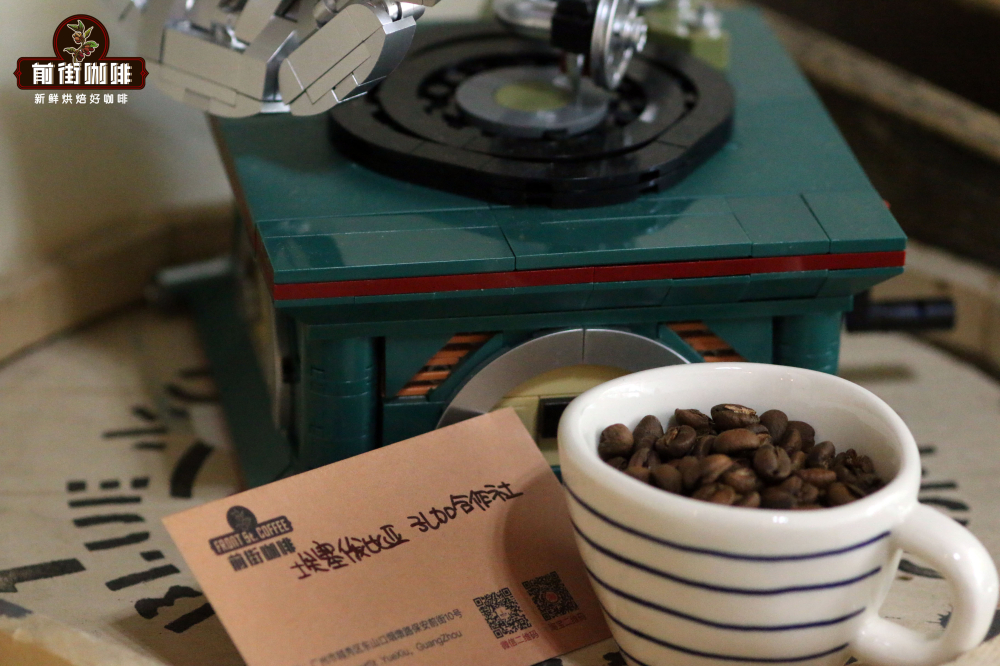 The Konga Cooperative is located not far south of Yirgacheffe town in the Gedeo region, situated within the core area of the Yirgacheffe coffee-growing zone. The name of the cooperative comes from the nearby Konga River and Konga village. The growing altitude exceeds 1800 meters, and the main harvest season runs from October to February of the following year. Notably, the Konga Cooperative is one of the few local entities certified organic. However, since most Ethiopian coffee is naturally grown without chemical fertilizers and obtaining organic certification involves high international auditing fees, many smallholders who meet the criteria do not apply. Therefore, the value of the organic label here is relatively limited.
The coffee is grown from so-called “local native varieties,” which are actually a mix of multiple cultivars planted and harvested together. As Ethiopia is the genetic origin of Arabica coffee, the country has numerous varieties, many of which have not been commercially classified. Some are even protected by the government and remain unpublished. As a result, local farmers typically interplant different varieties and do not separate them during harvest. This diversity contributes to the rich flavor complexity of Yirgacheffe coffees, especially in their bright acidity and intricate aroma profiles.
In terms of processing, this coffee is washed—a method that is among the most iconic processing styles of Yirgacheffe. The process includes: first removing the outer skin and pulp of the coffee cherry, then fermenting the mucilage-covered beans in water for 18 to 36 hours, followed by washing off the residual mucilage with running water. The parchment-covered green beans are then dried on raised beds or in drying equipment until the moisture content is reduced to around 12%. Finally, the parchment is removed to complete the milling. This method effectively highlights the coffee’s acidity and imparts a clear, clean flavor profile.
For roasting, a certain brand used the Yangjia 800N semi-direct-fire roaster. The recommended roast curve is as follows: a charge weight of 480g, with beans dropped in at 175°C when the drum temperature reaches that point. The initial air vent setting is 3, with a flame power of 130. The turn-around point occurs at approximately 1 minute and 28 seconds. When the drum temperature drops to 140°C, the air vent is adjusted to 4, and at 150°C, the flame power is reduced to 110. At this stage, the beans gradually turn yellow, grassy notes fade, and the main drying phase begins. Around the 8-minute mark, the bean surface starts showing wrinkles and dark spots, with aromas shifting from baked bread to coffee. It’s crucial to monitor the approaching first crack closely. At 8 minutes and 48 seconds, the first crack begins; the air vent is then adjusted to 5, and the coffee is allowed to develop for about 50 seconds post-first crack, with the final drop occurring at 189°C. This roast curve enhances bright acidity and aromatic expression while maintaining overall balance.
For this washed Yirgacheffe Konga Cooperative G1, the V60 dripper is recommended to fully highlight its layered acidity and crisp finish. The V60’s 60-degree cone design effectively focuses the water flow, extends brew time, and via a centered pouring technique, improves extraction efficiency and flavor uniformity.
Recommended pour-over parameters are as follows:
- Dripper: V60 #01
- Water temperature: 90°C
- Coffee dose: 15g
- Coffee-to-water ratio: 1:15
- Grind size: Granulated sugar-like (approximately 80% passing through a #20 sieve, or BG 6M)
Suggested step-by-step extraction:
- Step 1: Pour 30g of water for blooming, for about 30 seconds, allowing the coffee grounds to fully expand into a “hamburger” shape;
- Step 2: At the 1-minute mark, pour water up to 125g, and continue once the water level drops to two-thirds of the coffee bed;
- Step 3: At 1 minute and 40 seconds, pour water up to 225g, then let the coffee drip through completely. Total brew time should be controlled to around 1 minute and 59 seconds.
After brewing, it is recommended to gently swirl the server to homogenize the coffee liquid before drinking. Cupping notes reveal pronounced aromas of lemon, citrus blossom, mandarin, and cane sugar. The overall flavor is bright and clean, with a honey-like sweetness and a slight oolong tea aftertaste in the finish. It’s an excellent everyday specialty coffee that also delivers the classic taste of Yirgacheffe.
The above content is compiled by CoffeeHunters, a coffee news website.


